
2027 Mack Trucks For Sale in Washington
Shop 2027 Mack trucks for sale in Washington, including dump, day cab, sleeper, and vocational models built for highway and jobsite work.
Learn more
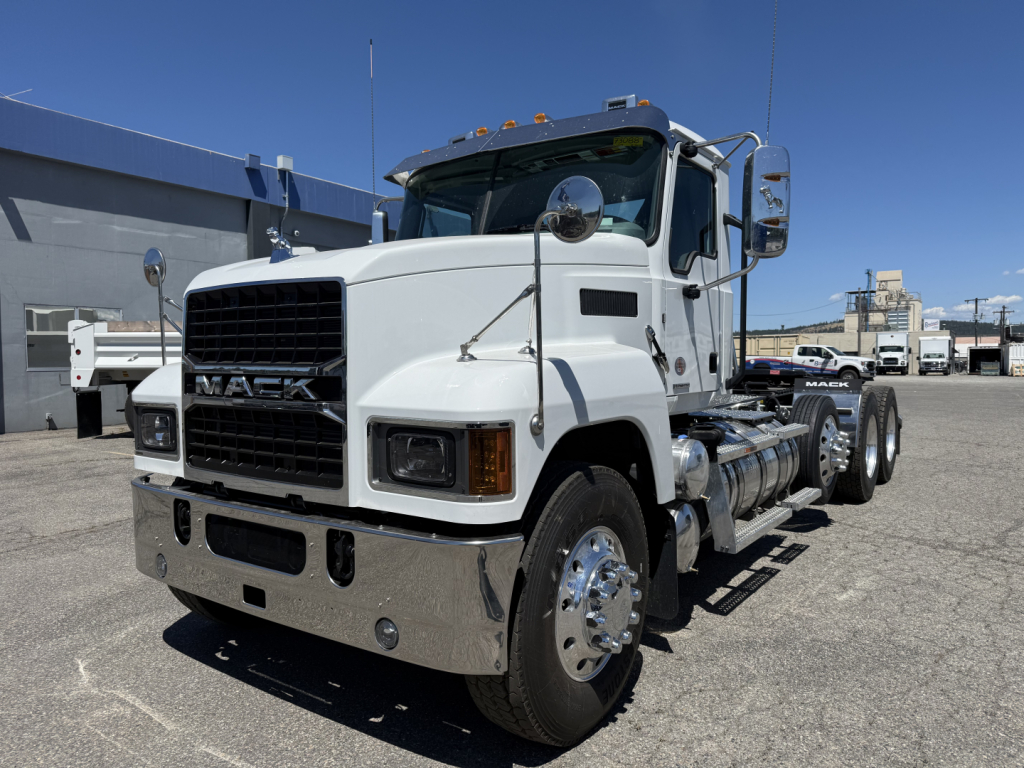
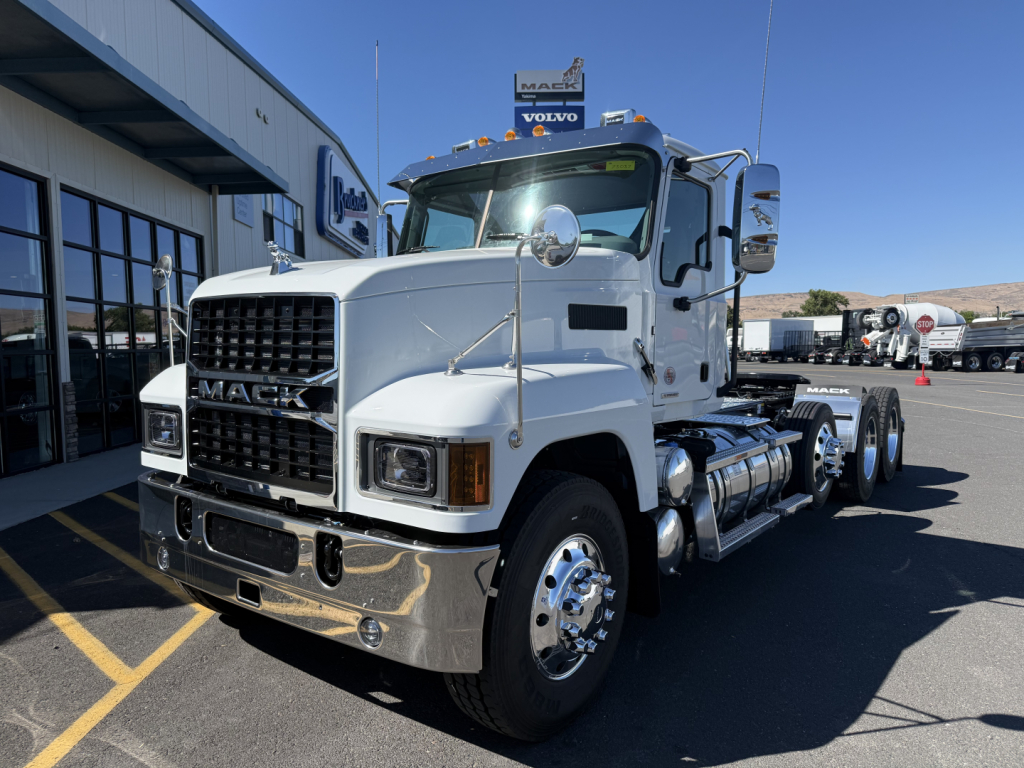
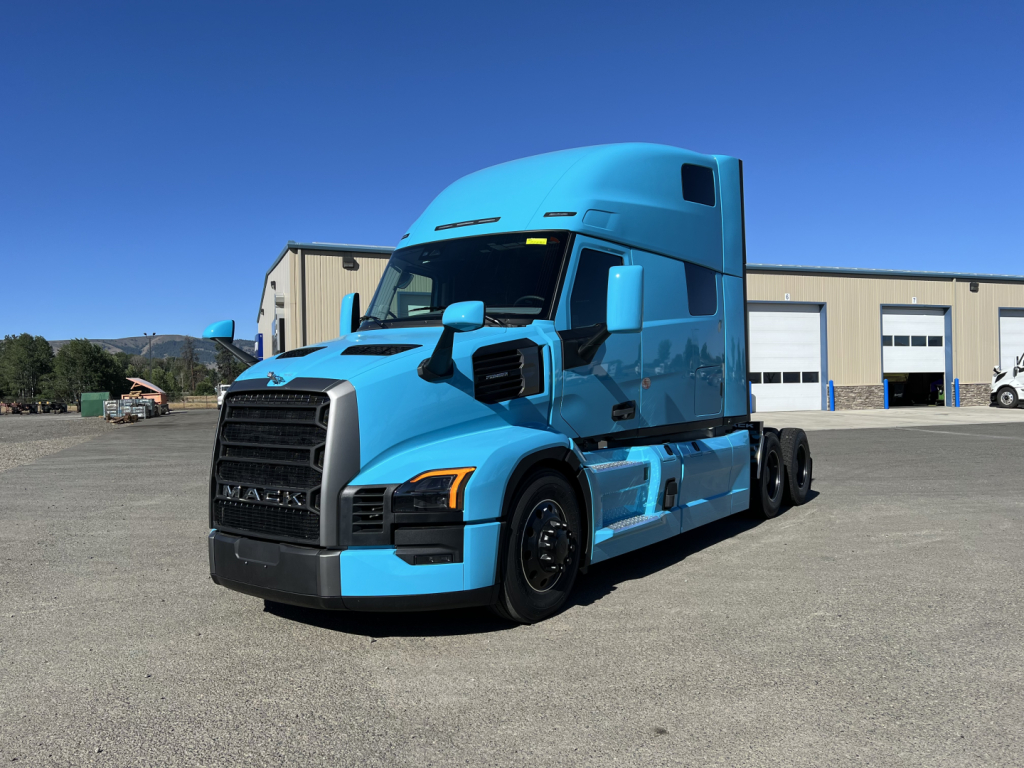
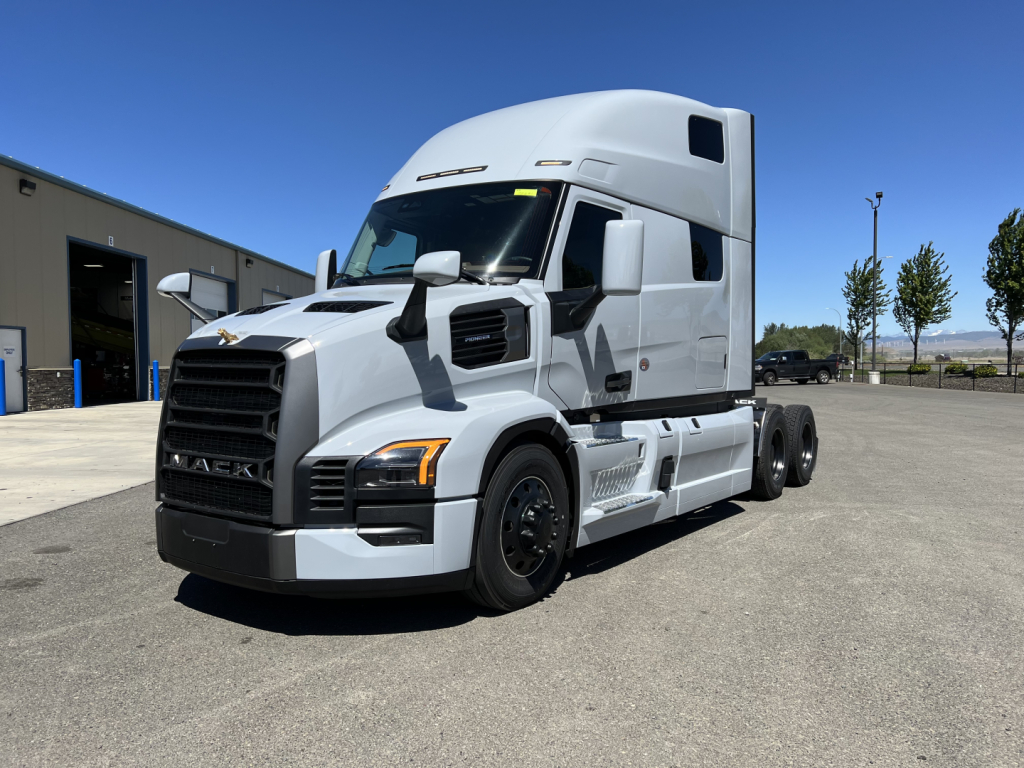
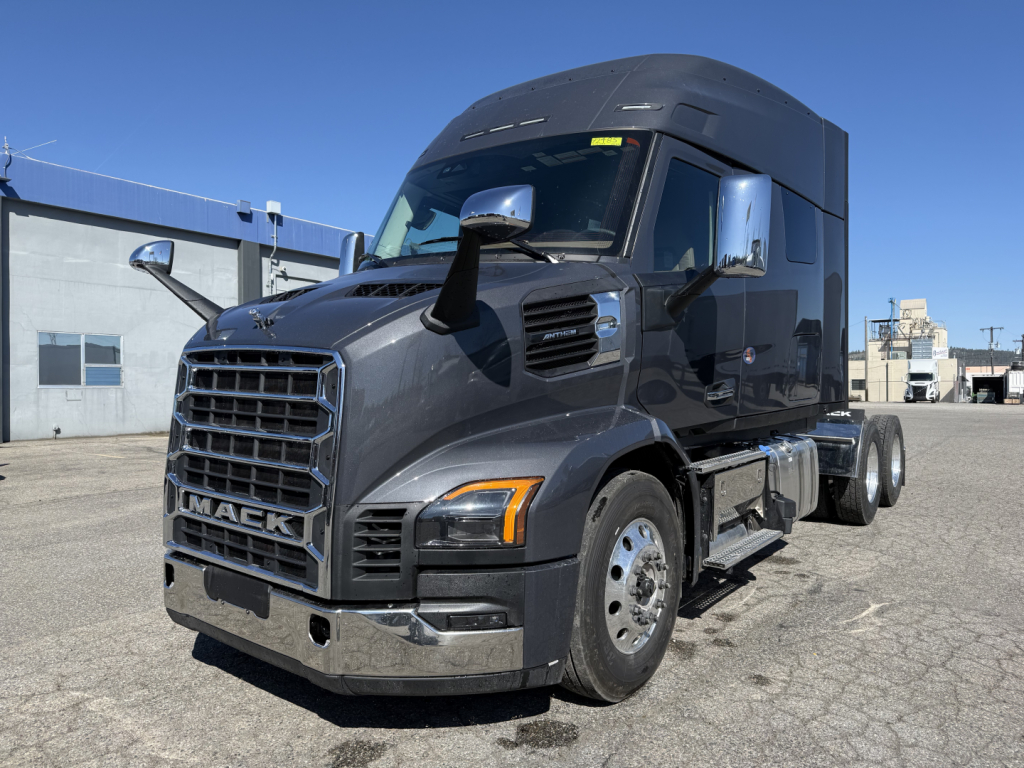
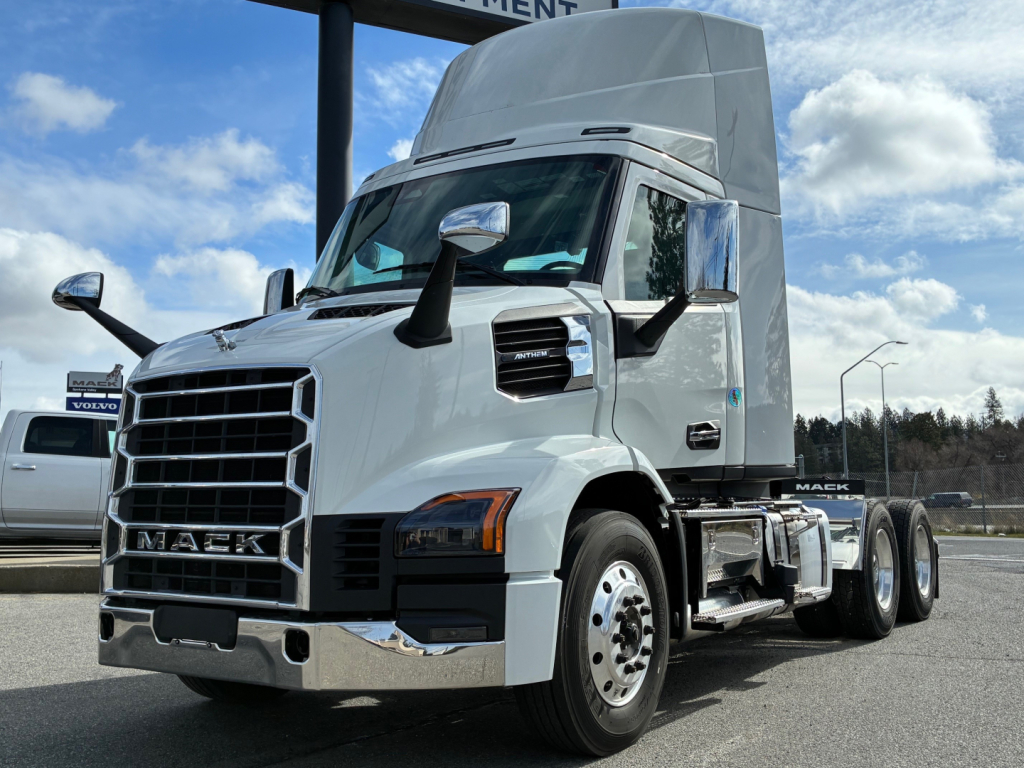
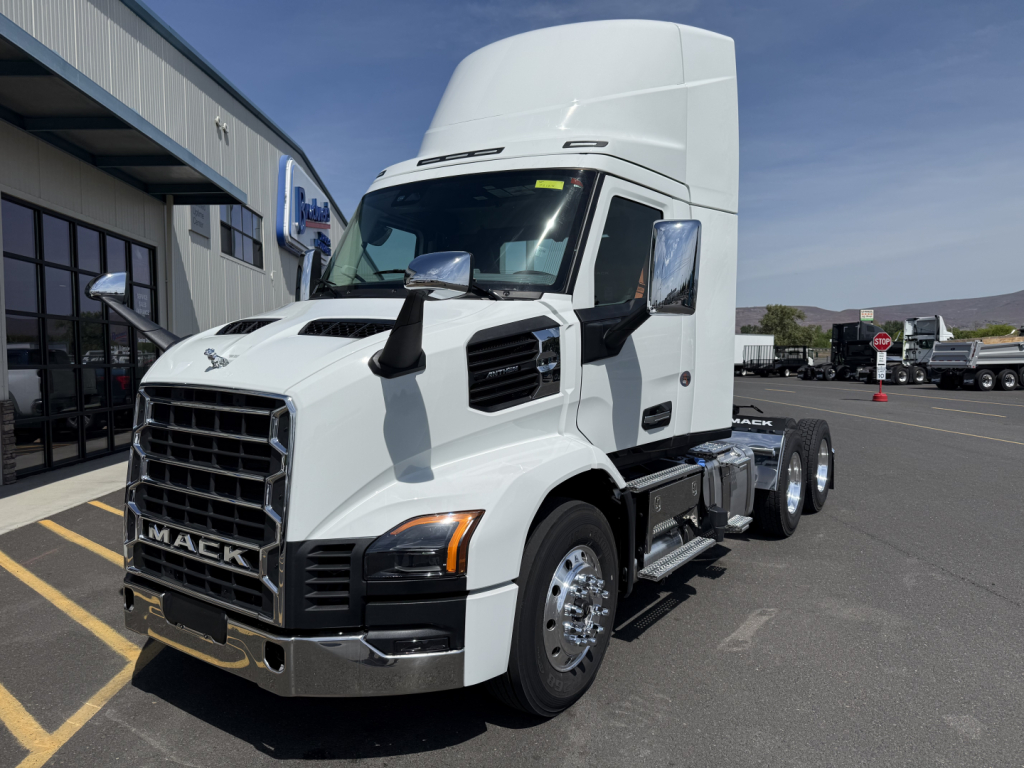
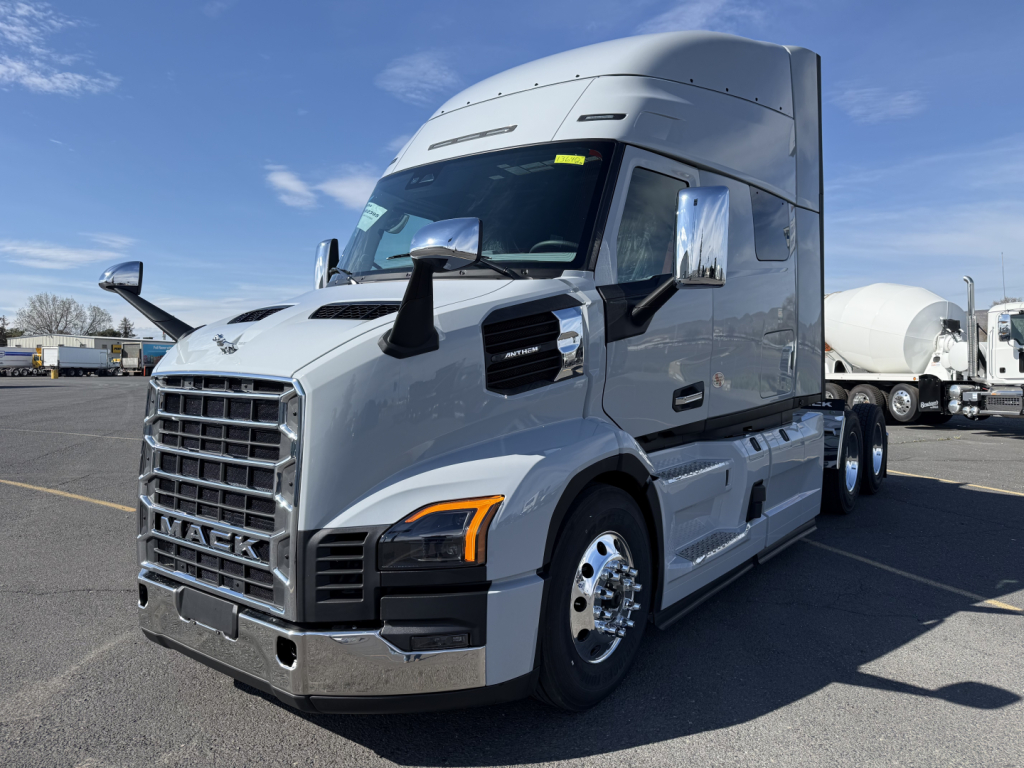
Showing 13 to 22 of 22 results
Have 2027 mack truck to sell? List it here to reach thousands of buyers.
About 2027 Mack Trucks in Washington
For on-highway buyers, pay close attention to cab style, axle layout, wheelbase, engine ratings, and transmission spec. Day cabs are common for regional haul, port work, and dedicated routes where sleeper space is not needed. Sleeper models are designed for longer runs and driver retention, with more emphasis on cab comfort, aerodynamics, and fuel efficiency. Key spec decisions include 6x4 versus 6x2 driveline, horsepower and torque match to your gross combination weight, rear axle ratio, and fifth wheel position. Mack highway trucks are often selected for their balanced ride, stable handling, and integrated powertrain approach, which can simplify service and support over the life of the truck.
Vocational Mack trucks, especially dump and refuse applications, should be evaluated around frame strength, suspension, axle capacity, PTO setup, body compatibility, and legal payload. In Washington, terrain, municipal routes, and seasonal conditions matter. A dump truck working aggregate, paving, or site development may need higher front axle capacity, severe-duty suspension, differential locks, and tire selections suited to mixed pavement and off-road use. Refuse and garbage chassis often prioritize tight turning, body integration, brake configuration, and durability under constant stop-and-go service. Buyers comparing new Mack vocational trucks should also look at cab-to-axle dimensions, bridge law considerations, and how the truck is spec'd for the body or equipment it will carry.
Across the Mack lineup, buyers typically focus on uptime, parts support, driver familiarity, and resale strength in vocational and fleet markets. Newer Mack trucks can also include modern safety and telematics features, plus engine and emissions packages matched to current operating requirements. The best value is rarely just the badge or the advertised horsepower. It comes from matching the truck's intended duty cycle to the right cab, axle package, suspension, and body-ready chassis spec. That is especially important when comparing dump, garbage, conventional day cab, and conventional sleeper models on the same page.
Frequently Asked Questions
What should I look for first when comparing 2027 Mack trucks for sale?
Start with the truck's intended job before comparing price or appearance. A 2027 Mack dump truck, refuse chassis, day cab, and sleeper are built around very different duty cycles. Buyers should verify axle configuration, GVWR and GCWR, wheelbase, suspension type, engine and transmission pairing, and any body or PTO requirements. Once the application is clear, it becomes much easier to judge whether a specific Mack spec will deliver the payload, maneuverability, and durability the operation needs.
What is the difference between a Mack day cab and a Mack sleeper?
A Mack day cab is designed for local and regional work where the driver returns home or to a terminal the same day. It typically offers lower weight, shorter overall length, and easier maneuverability for dedicated routes, ports, and metro freight. A Mack sleeper adds a bunk and more interior space for long-haul operation, giving the driver rest capability and more onboard storage. The sleeper is usually the better fit for extended highway runs, while the day cab is often the more efficient choice for short-haul and terminal-based operations.
Are Mack vocational trucks a good fit for dump and refuse work?
Mack has long been a strong fit for vocational applications because the chassis, axle options, and suspension packages are commonly spec'd for severe service. In dump work, buyers often look for heavy front axles, locking differentials, PTO capability, and frame strength that can handle rough jobsite conditions and repeated loading cycles. In refuse service, important factors include tight turning radius, body integration, brake setup, and durability in stop-and-go routes. The right Mack vocational spec can perform very well in both applications, but the exact configuration must match the body and route demands.
Which specs matter most on a 2027 Mack highway tractor?
The most important highway tractor specs are cab style, engine horsepower and torque, transmission, rear axle ratio, wheelbase, and axle configuration. These determine how the truck pulls at highway speed, how efficiently it runs, and how well it matches trailer type and freight weight. Aerodynamic features, fuel tank capacity, and driver comfort also matter on long-haul units. A well-matched spec lowers operating cost and improves uptime more effectively than simply choosing the highest horsepower available.
Does operating in Washington change how I should spec a Mack truck?
Yes. Washington operations can involve mountain grades, wet weather, urban congestion, and a mix of highway and off-road conditions depending on the trade. Buyers may need to prioritize horsepower and torque for elevation and grades, traction features such as differential locks for unstable surfaces, and tire and suspension choices that suit both pavement and jobsite use. Local bridge laws, municipal route restrictions, and body-length requirements should also be reviewed before purchase so the truck is legal and productive in its intended territory.