
New 2025 Isuzu Trucks For Sale
Shop new 2025 Isuzu trucks including NPR HD and NRR models. Learn GVWR, cab-chassis options, engines, body upfit uses, and specs.
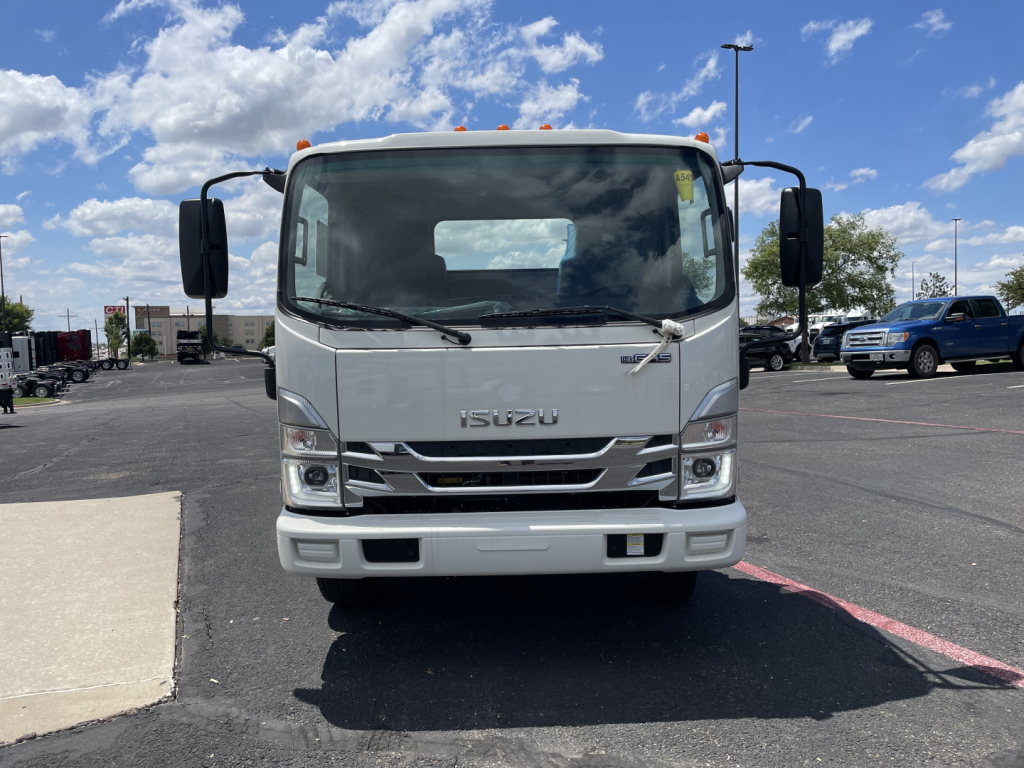
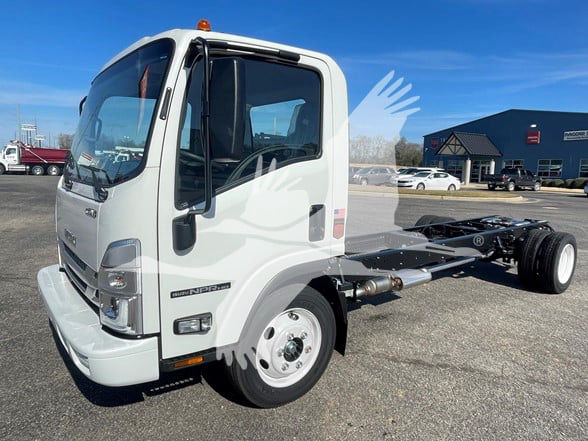
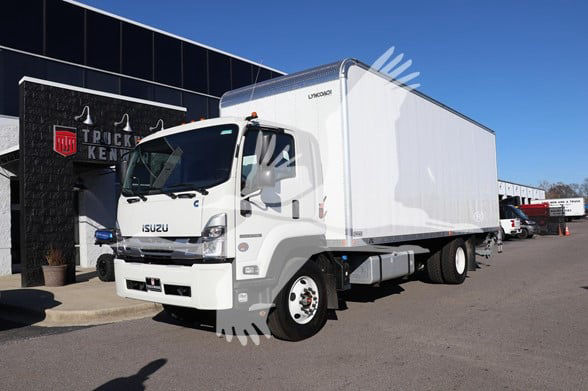
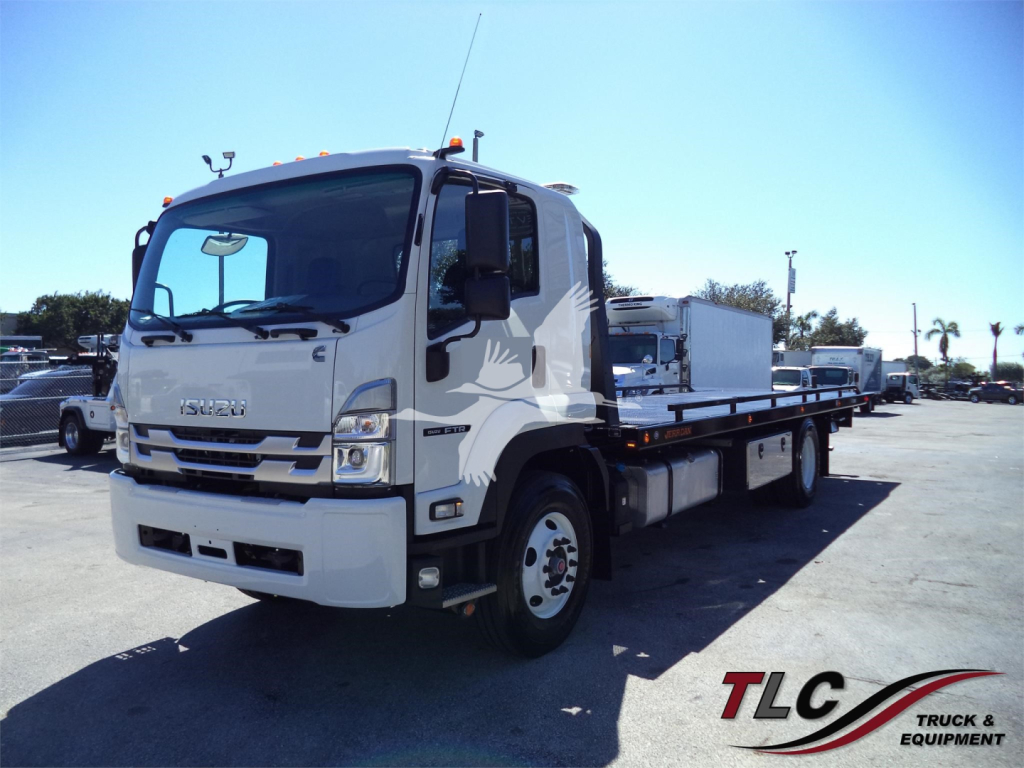
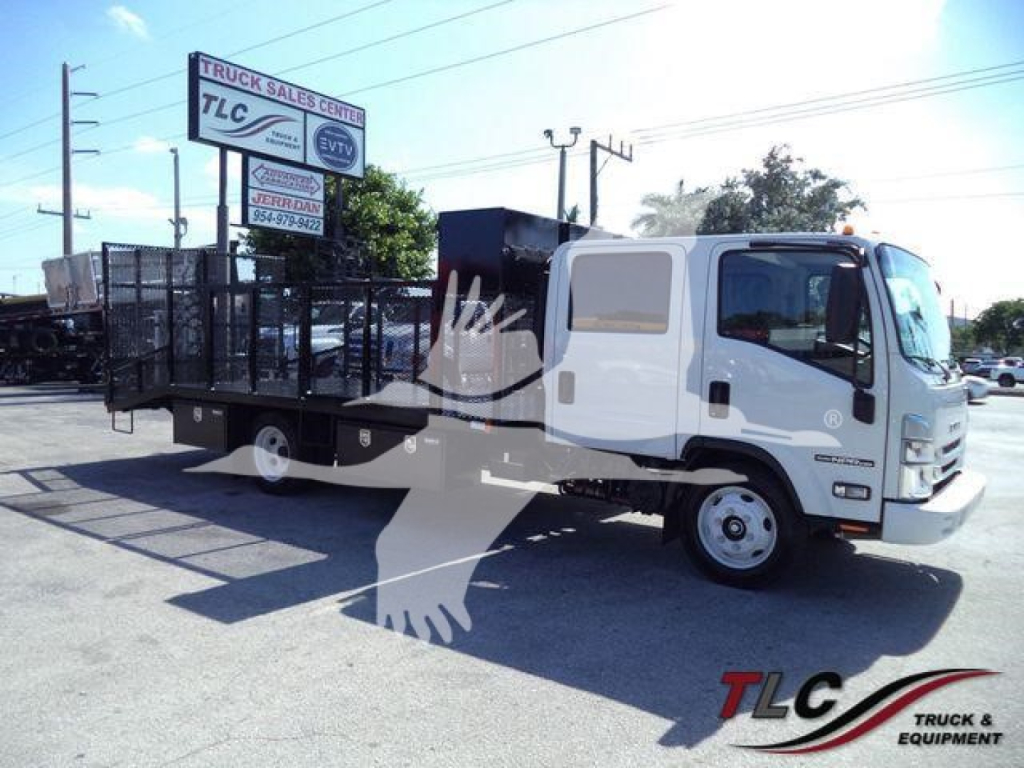
Selling a new 2025 isuzu truck? List your new 2025 isuzu truck for sale and reach thousands of commercial buyers.
New 2025 Isuzu Trucks
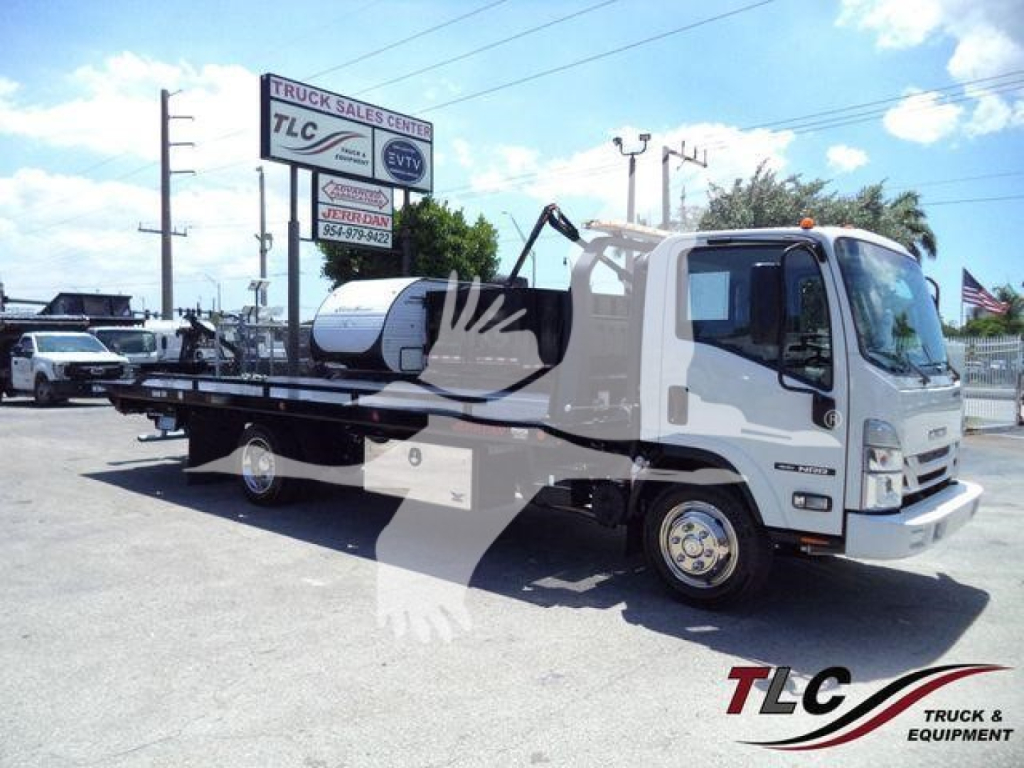
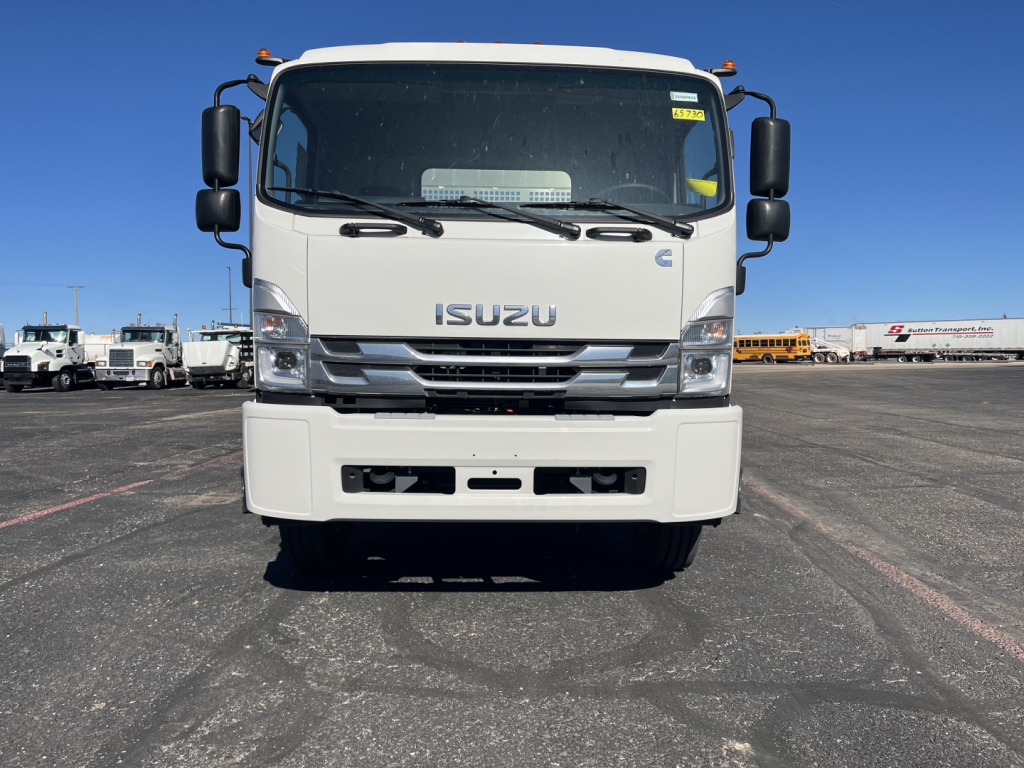
The main spec decision is typically between the lighter NPR HD class and the heavier NRR class. In this range, buyers will often compare GVWR, front and rear axle ratings, wheelbase, and the body length they plan to mount. NPR HD models are common around the 14,500-lb GVWR range and fit many dump, van body, and light contractor applications. NRR and NRR-GAS models step up into heavier ratings, often around 19,500 to 21,825 lb GVWR, which better suits rollback tow bodies, larger dry vans, reefer bodies, and heavier equipment-hauling work. Wheelbase selection matters because it affects body compatibility, bridge law considerations, and turning radius. A 176-inch wheelbase is a common starting point for medium-duty body builders, but the right frame length depends on the exact upfit.
Powertrain choice on new Isuzu trucks often comes down to gasoline versus diesel operating priorities. Current gas models commonly use the 6.6L V8 paired with an Allison automatic, a combination many fleets like for straightforward serviceability, strong horsepower, and good fit for stop-and-go local work. Diesel versions remain relevant for buyers focused on torque delivery, fuel economy under certain duty cycles, or established diesel fleet maintenance practices. Most configurations in this class are 4x2 single axle trucks with spring suspension, 19.5-inch wheels, and regular cab or crew cab layouts. Buyers planning a crew, landscaping, municipal, or construction application should pay close attention to cab style, rear axle ratio, and front axle capacity because those choices affect passenger space, launch feel, and how the truck carries a body, tools, and material.
A new 2025 Isuzu truck should also be evaluated as an upfit platform, not just as a chassis. Confirm frame dimensions, cab-to-axle measurement, PTO and electrical compatibility if hydraulic equipment is involved, and any reinforcement requirements for carriers, dumps, or cranes. Visibility, step-in height, and service access are strong reasons these trucks stay popular in delivery and vocational fleets, but the right truck is the one matched to the body, route density, and legal weight target. If the truck will spend most of its life in urban pickup and delivery, a low cab forward gas chassis may be the simplest answer. If it will carry heavier bodies or operate closer to max rating every day, moving up into an NRR-spec chassis can make the truck more durable and easier to keep productive.
Frequently Asked Questions about New 2025 Isuzu Trucks
What is the difference between an Isuzu NPR HD and an Isuzu NRR?
The main difference is chassis capacity. The NPR HD is typically used in lighter medium-duty applications and is often seen around a 14,500-lb GVWR, making it a common choice for smaller dump bodies, van bodies, and general contractor use. The NRR is a heavier-rated chassis, often in the 19,500 to 21,825-lb GVWR range, and is better suited for larger bodies such as rollback carriers, heavier box trucks, and applications that run closer to full payload on a regular basis.
Are new 2025 Isuzu trucks better for city work than conventional cab trucks?
In many urban and suburban applications, yes. Isuzu low cab forward trucks are popular because they provide a tighter turning radius, better forward visibility, and more usable body length for a given overall vehicle length. That makes them well suited for local delivery, landscape service, municipal routes, and other work where tight streets, frequent stops, and loading dock access are part of the daily duty cycle.
Should I choose a gas or diesel Isuzu truck?
A gas Isuzu truck is often chosen for local stop-and-go service, simpler emissions-related ownership concerns, and strong horsepower when paired with an Allison automatic. A diesel Isuzu truck can make sense for buyers who prefer diesel torque characteristics, have an existing diesel maintenance program, or operate in duty cycles where diesel efficiency and drivability are an advantage. The right choice depends on route length, annual mileage, payload, idle time, technician familiarity, and total operating cost rather than engine preference alone.
What should I verify before ordering or buying an Isuzu cab and chassis for an upfit?
The most important items are GVWR, axle ratings, wheelbase, cab-to-axle dimension, frame length, and compatibility with the intended body. Buyers should also confirm transmission and PTO requirements, rear axle ratio, suspension type, tire size, and any body builder reinforcement needs. Matching the chassis to the body correctly is critical because a truck that looks similar on paper can still be wrong for dump geometry, rollback overhang, reefer weight, or service body compartment layout.
What are common uses for new Isuzu trucks?
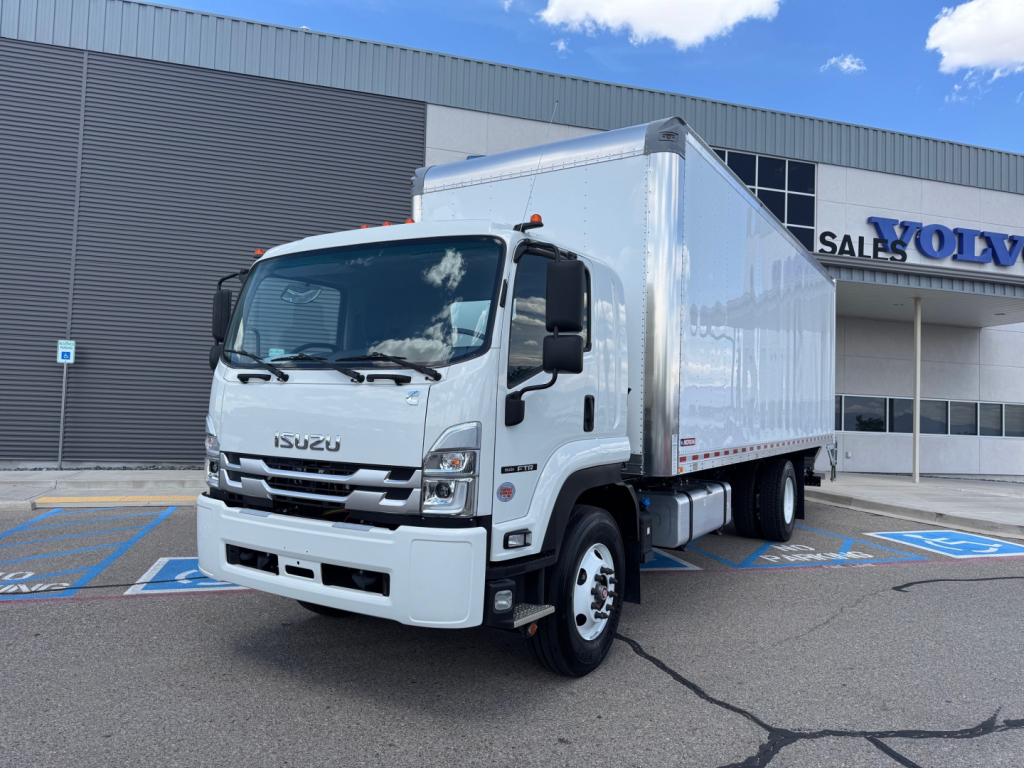
New Isuzu trucks are commonly used as cab and chassis platforms for dry van bodies, refrigerated trucks, landscape and trash dump bodies, tow and rollback carriers, utility and service bodies, and flatbeds. Their low cab forward design makes them especially practical for delivery fleets, contractors, municipalities, rental fleets, and operators who need a compact truck with strong body packaging efficiency and easy access in crowded work zones.