
Used International Trucks For Sale in New York
Shop used International trucks for sale in New York. Compare engines, payload, floor strength, tare weight, and corrosion resistance.
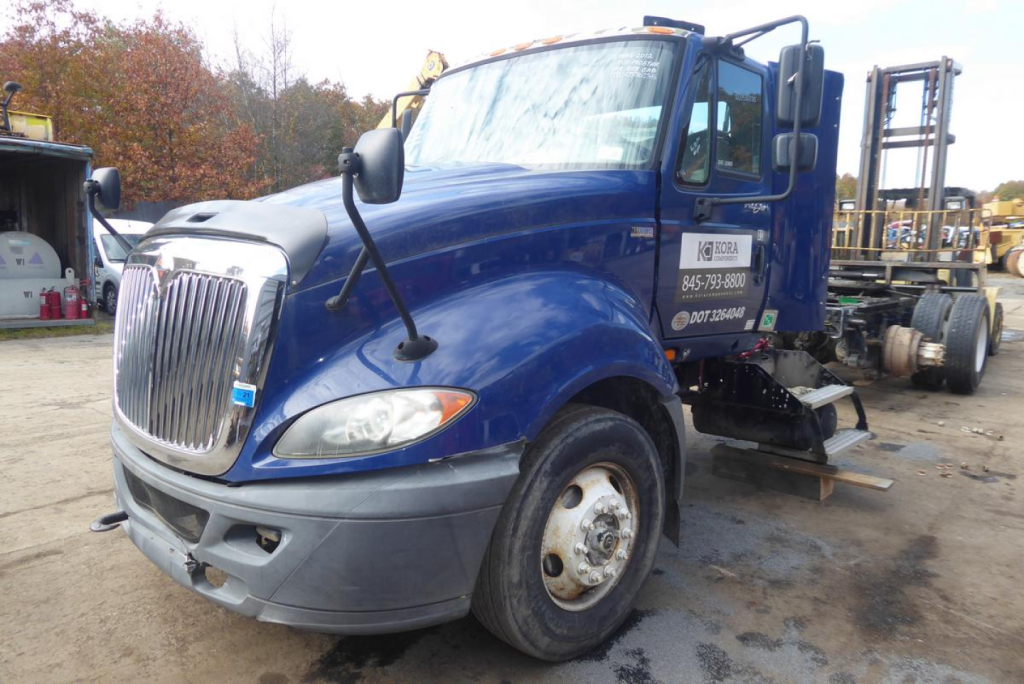
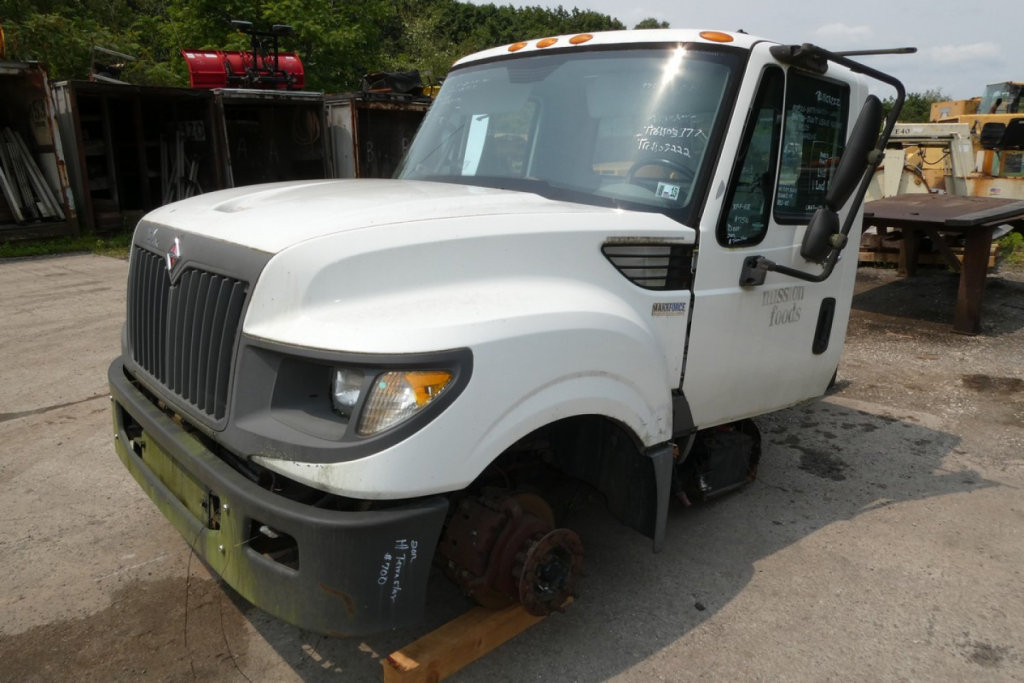
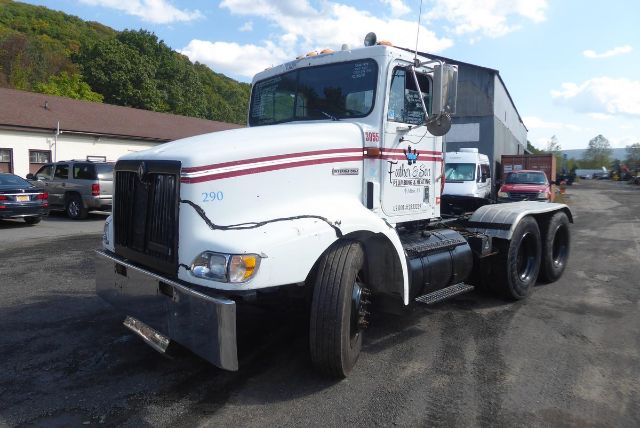
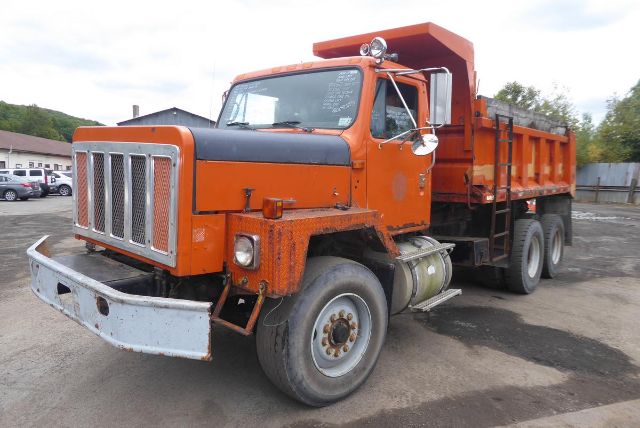
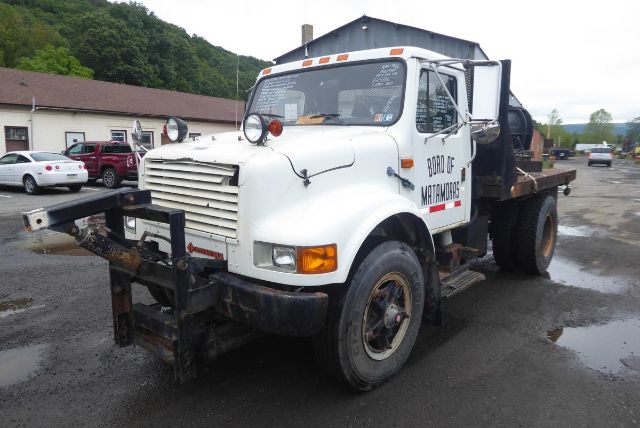
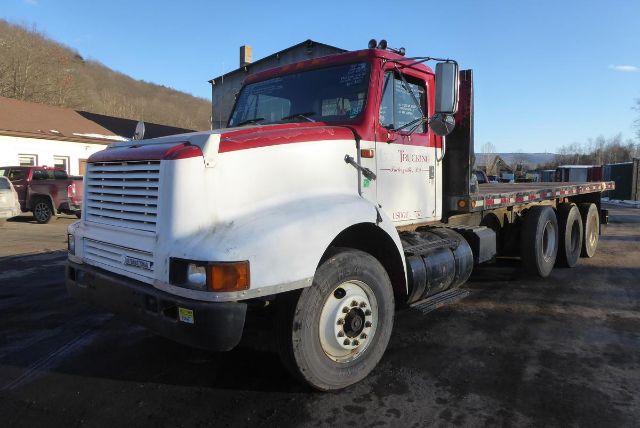
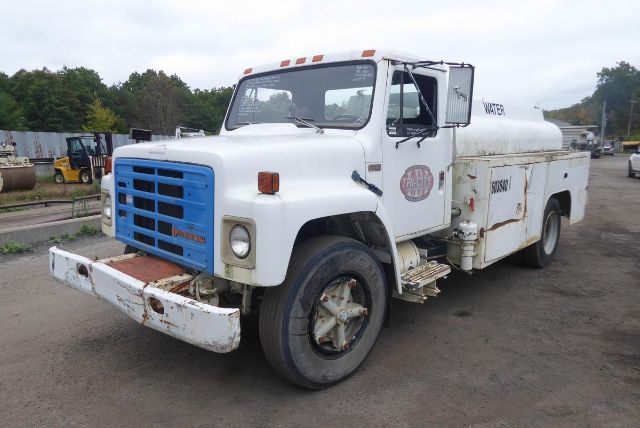
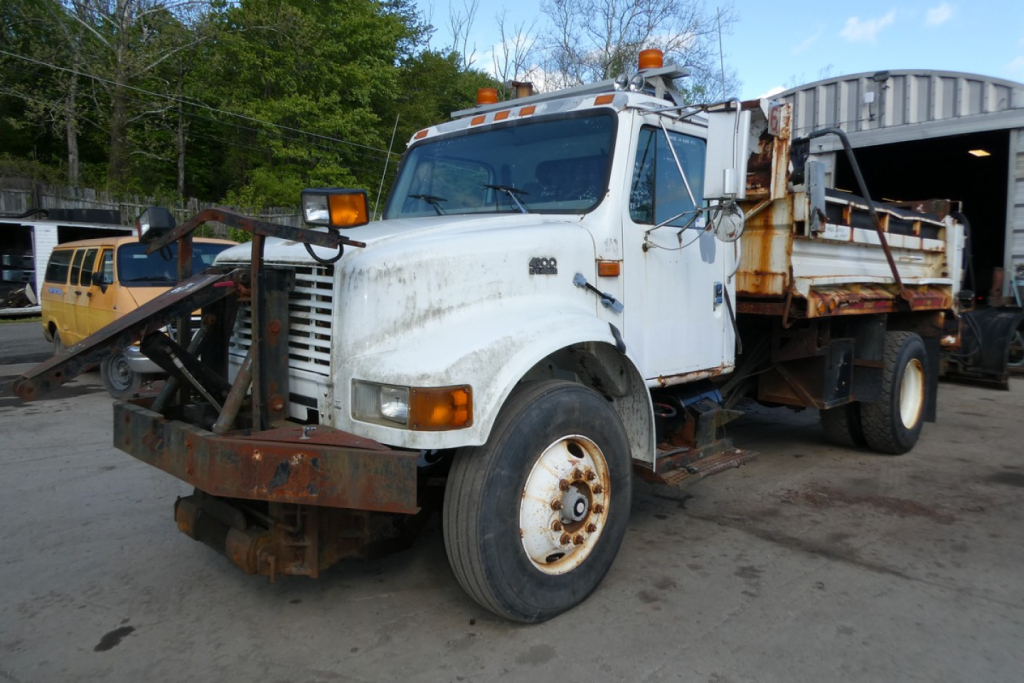
Showing 29 to 37 of 37 results
Selling a used international truck? List your used international truck for sale and reach thousands of commercial buyers.
Used International Trucks in New York
Tare weight determines payload and fuel burn. Typical numbers, not guarantees, are 17,000 to 19,000 pounds for a tandem 6x4 day cab tractor, 18,500 to 21,500 pounds for a mid roof sleeper with fairings, 15,000 to 17,000 pounds for a 26 foot box truck with a liftgate, and 26,000 to 30,000 pounds for a tri axle dump depending on steel thickness and lift axle gear. Aluminum wheels, single wide tires, a 6x2 where appropriate, and aluminum air tanks can trim several hundred pounds, while full aero, headache racks, heavy bumpers, pushers, and wet kits add weight. Spec axle ratios to your cruise speed and grade profile in the Hudson Valley and Adirondacks, then verify the 5th wheel height and slider travel match your trailer kingpin settings and dock heights.
Corrosion resistance matters in New York due to brine and salt. Inspect frame rails and crossmembers for scaling around suspension hangers, fifth wheel brackets, and fuel tank straps, and check cab mounts, battery boxes, DEF tanks, and aftertreatment hardware for rust creep or aluminum pitting. Look closely at harness connectors, bulkhead pass throughs, and ground points for greened terminals or moisture intrusion. Later International cabs benefit from e coat processes and improved seam sealing, but condition varies with prior use, especially on former municipal plow or refuse units. Air and brake system health shows up at slack adjusters, chambers, and valve blocks, so verify drain valves work and that air tanks are not flaking inside.
Floor strength and thermal integrity come into play on straight trucks and vocational bodies. For box trucks, look for hardwood plank or laminated floors over aluminum I beam crossmembers at 12 inch centers, forklift axle load ratings of 8,000 pounds or higher, aluminum or UHMW scuff liners, and logistics posts or E track that are not pulled through the walls. On dumps, AR400 or Hardox floors in the 3 16 to 1 4 inch range with wear bars handle aggregate impact better and resist wave forming that robs capacity. Thermal performance means tight door seals on insulated bodies, reefer units with recent service records, and cab HVAC that maintains temperature at idle with proper blower output, a working condenser fan, and thermostatic control. For sleepers, verify bunk heaters, APUs, or inverter systems hold cabin temps in winter, and confirm block heaters, heated mirrors, and cold weather fuel filtration are in place for consistent starts in subfreezing conditions.
Frequently Asked Questions about Used International Trucks in New York
Which International engines are most dependable in used trucks for New York duty cycles?
For regional and linehaul, the Cummins X15 with documented aftertreatment maintenance is a strong choice, and the International A26 has proven solid in post 2018 builds. In medium duty, Cummins B6.7 and L9 engines are widely supported statewide. Earlier MaxxForce EGR only engines can work if records show updated calibrations and diligent EGR and DPF service, but most buyers prefer A26 or Cummins to simplify uptime and parts sourcing.
What tare weight should I expect, and how does it affect payload on used International trucks?
Plan on roughly 17,000 to 19,000 pounds for a tandem day cab tractor and 18,500 to 21,500 pounds for a sleeper, depending on axle ratings, fairings, and fuel capacity. A 26 foot box truck with a liftgate often lands between 15,000 and 17,000 pounds, while a tri axle dump can run 26,000 to 30,000 pounds. Aluminum wheels and air tanks, single wide tires, and a 6x2 drivetrain can save 400 to 1,200 pounds combined, which can be the difference between making weight on dense freight or not. Added equipment like liftgates, wet kits, snow plow frames, and heavy bumpers reduce available payload.
How do I evaluate corrosion on a used International truck from the Northeast?
Inspect the frame between axles and around suspension brackets for scaling, measure flange thickness if heavy rust is present, and probe crossmembers at fasteners for softness. Check cab corners, door bottoms, battery boxes, DEF tanks and straps, and aftertreatment components including the doser, SCR can, and clamps. Look at electrical connectors for verdigris, brittle loom, and poor grounds. Evidence of undercoating is positive if it was applied clean and early, but thick undercoat over flaky metal can hide problems, so use a bright light and mirror and review maintenance records for tank drains and annual rust treatment.
How can I judge floor strength on an International box truck or dump body?
On van bodies, confirm the forklift axle load rating, hardwood or laminated floors in good condition, and crossmember spacing at 12 inches on center for heavier service. Look for aluminum or UHMW scuff liners, intact threshold plates, and no daylight under E track or logistics posts. On dumps, check steel grade stamps, AR400 or Hardox callouts, floor thickness, and presence of wear bars. A wavy or oil canned floor reduces volumetric capacity and indicates prior overload or rock impact.
What thermal integrity checks matter for New York summers and winters?
Verify cab and sleeper HVAC hold setpoint at idle and under load, that blower speeds are strong, the condenser fan cycles correctly, and the heater core is not restricted. Confirm block heater operation, bunk heater or APU condition, and that the coolant mix and thermostats are correct for subfreezing starts. On insulated or reefer straight trucks, inspect door seals, hinge alignment, and reefer service records, and scan controller data for temperature hold performance during hot, humid conditions common downstate.