
Used International Conventional Daycab Trucks For Sale in New York
Browse used International conventional daycab trucks in New York. Compare ProStar, 9100, and 9400i specs, wheelbases, engines, and drivetrains.
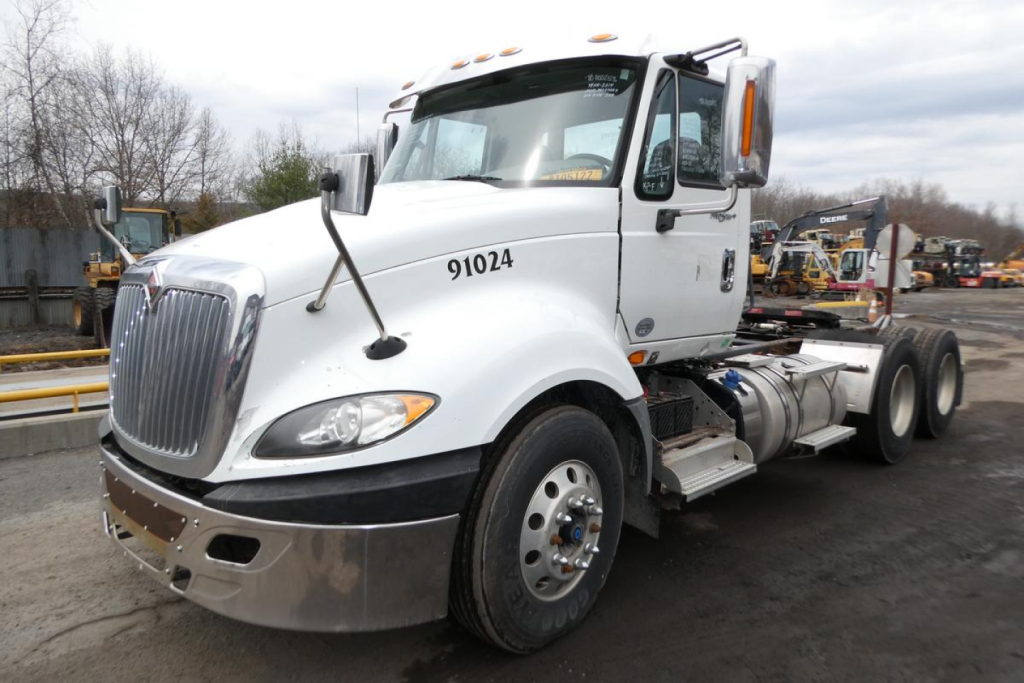
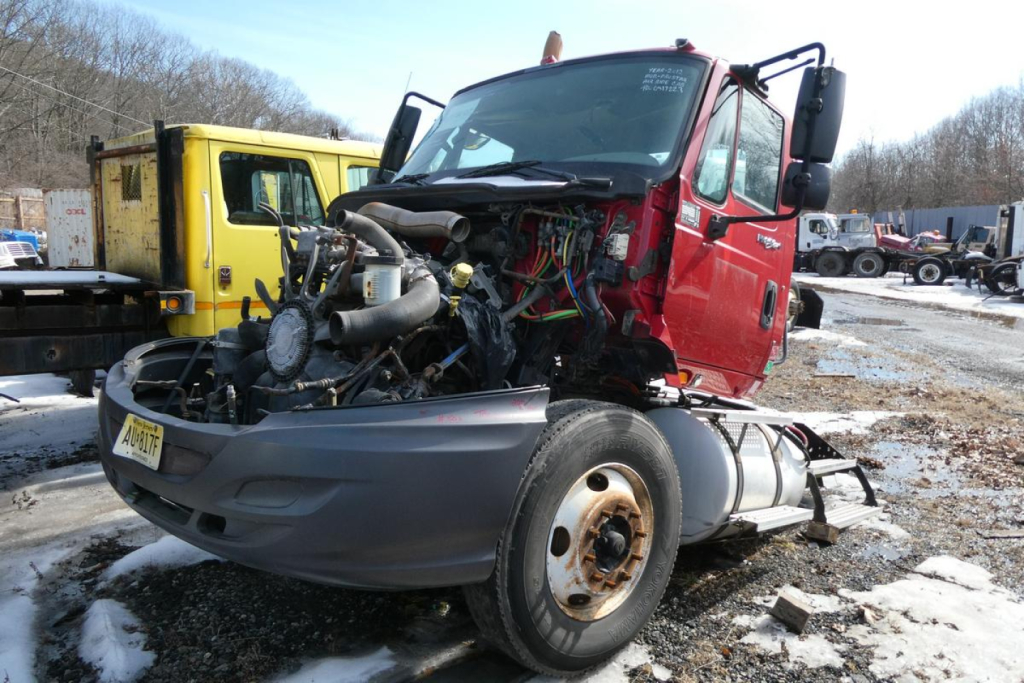
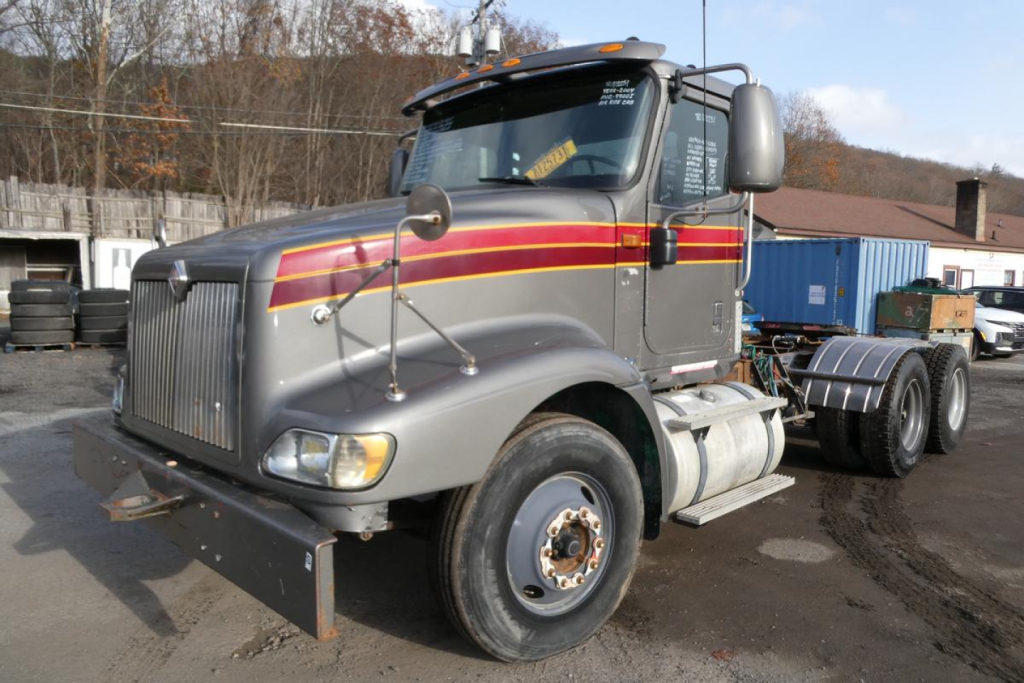
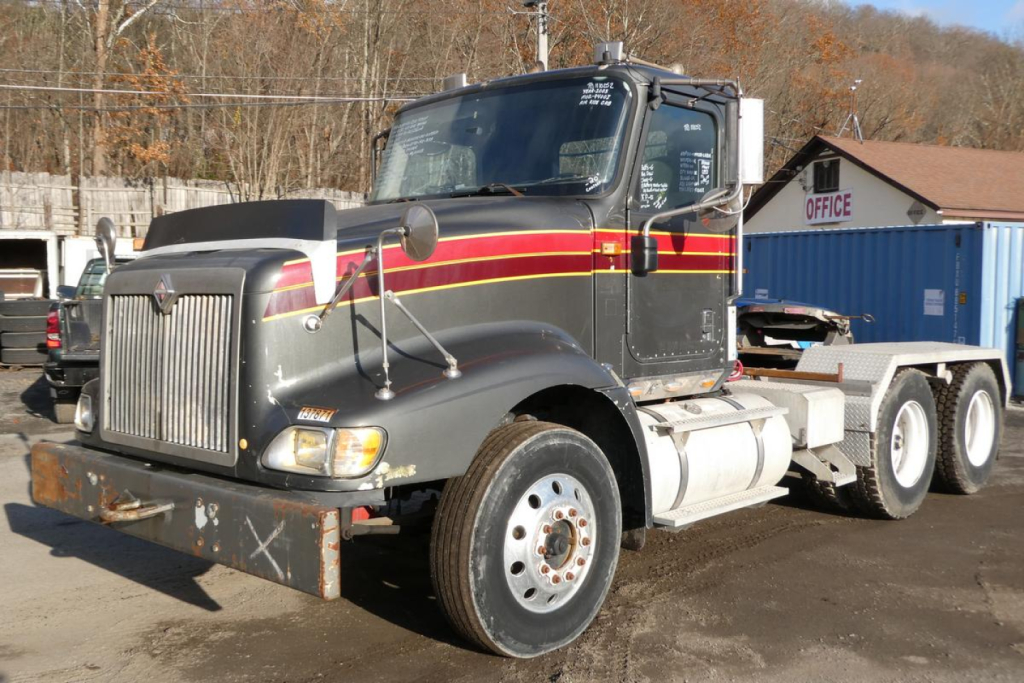
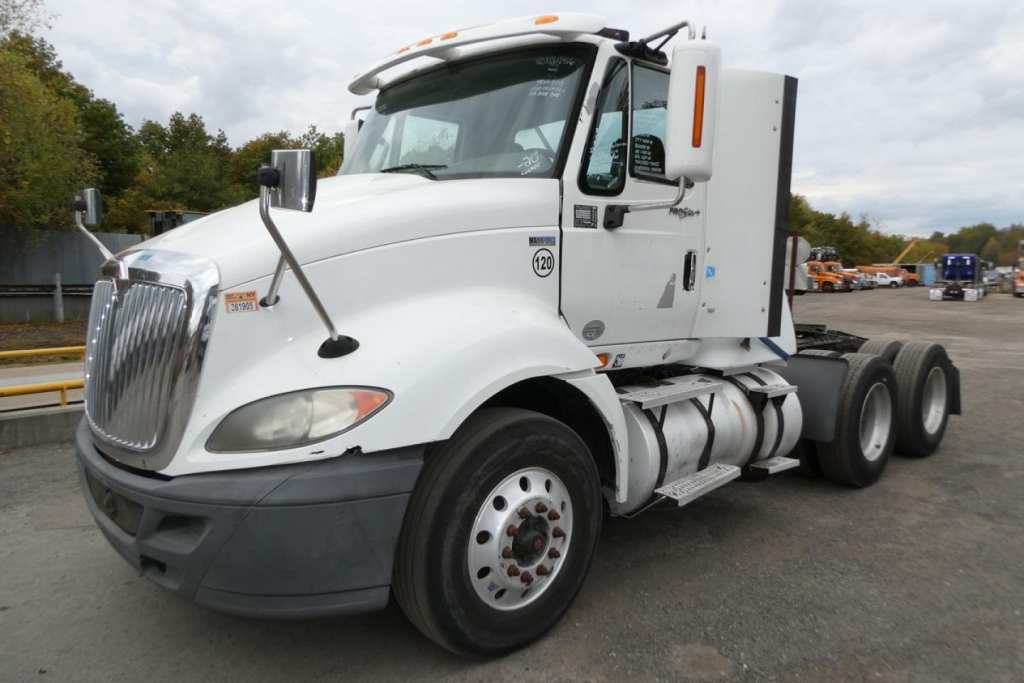
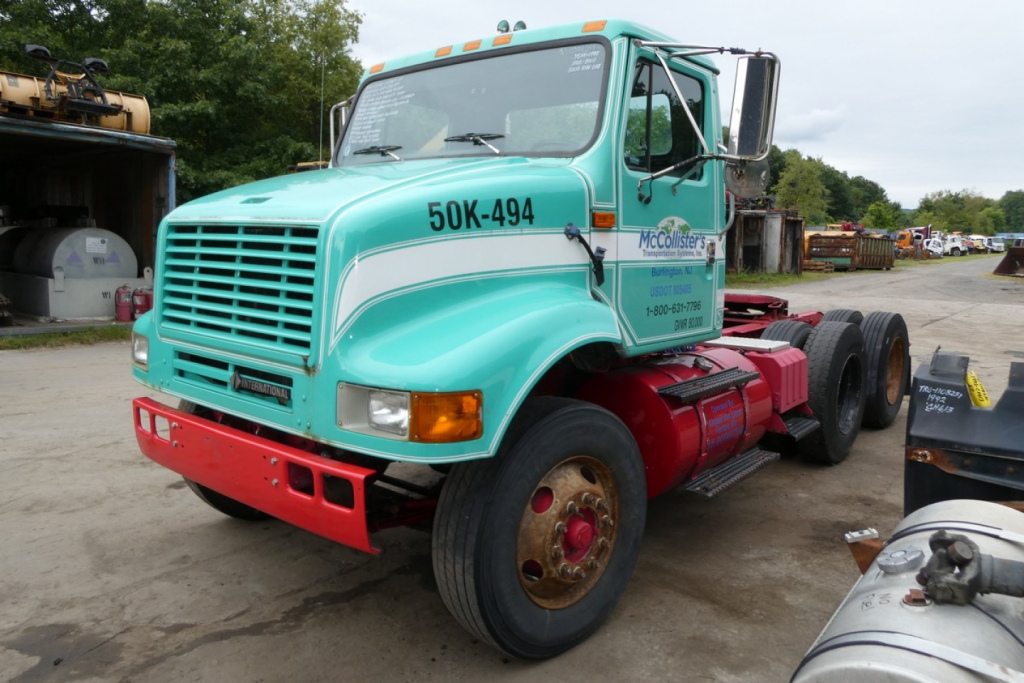
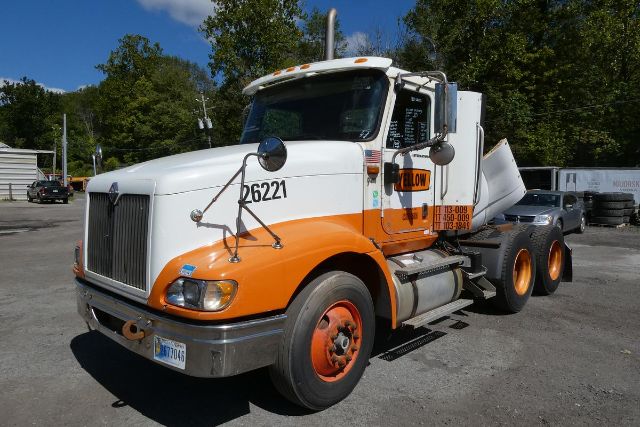
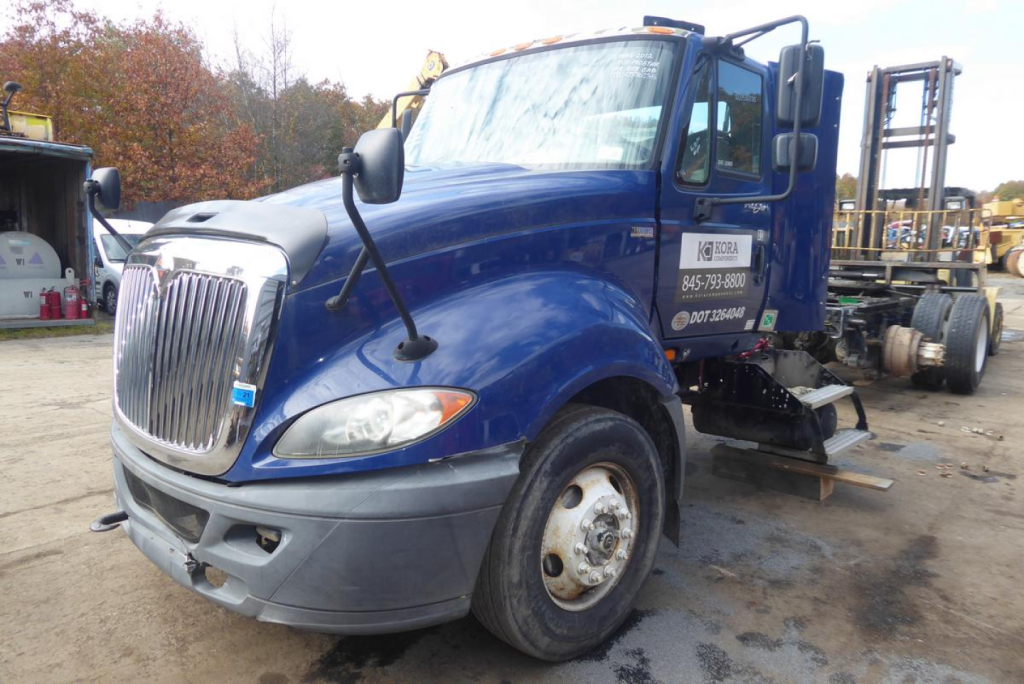
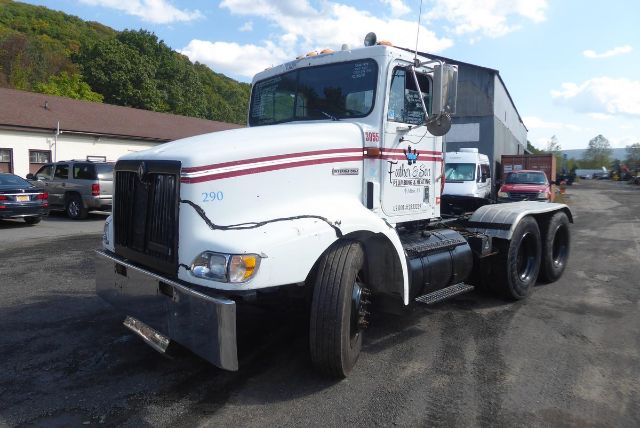
Selling a used international conventional daycab truck? List your used international conventional daycab truck for sale and reach thousands of commercial buyers.
Used International Conventional Daycab Trucks in New York
A buyer should focus first on the drivetrain and rear axle setup. Many used International daycabs are spec’d with Cummins ISX or N14 engines, Navistar N13 or MaxxForce engines, Eaton Fuller 10-speed manual transmissions, and 40,000 lb tandem rears with ratios like 3.36, 3.42, 3.70, or 3.73. That mix tells you a lot about the truck’s intended job. Lower numerical ratios can favor fuel economy and road speed for regional highway work, while deeper ratios are often better for heavier starts, vocational service, and lowboy or dump applications. Features like power divider, engine brake, air ride suspension, and air slide fifth wheels are common and matter if the truck will see changing trailer weights or mixed route conditions.
Frame and PTO configuration are also important on this category. Some International daycabs are straightforward road tractors with single-frame specs and standard sliding fifth wheels, while others are equipped with wet kits or PTO setups for dump trailers, walking floors, or lowboy hydraulics. Check front axle capacity, suspension type, wheelbase, and cab-to-end measurement against the trailer you plan to pull. A 12,000 to 12,350 lb front axle and 40,000 lb rear suspension is a common spec in this class, usually paired with 11R22.5 or 11R24.5 rubber. Buyers comparing older 9000-series trucks to later ProStar units should also pay attention to emissions equipment, cooling system condition, A/C performance, and overall cab wear, since those details can affect uptime as much as engine make or horsepower.
International daycab tractors appeal to fleets and owner-operators who want a conventional hooded truck with familiar service access and broad parts support. The best used truck in this class is not just the one with the newest year model. It is the one with the right horsepower, axle ratio, transmission, and wheelbase for the lanes you run every week. For regional freight, container drayage, heavy haul support, and local construction-related trailer work, a well-matched International conventional daycab can deliver solid utility without the extra weight and complexity of a sleeper tractor.
Frequently Asked Questions about Used International Conventional Daycab Trucks in New York
What are International conventional daycab trucks commonly used for?
International conventional daycab trucks are commonly used for regional tractor work, local freight, port drayage, tanker service, dump trailer pulling, and vocational trailer applications that do not require overnight accommodations. Their shorter overall length compared with sleeper tractors makes them easier to position in tight terminals, urban streets, and crowded job sites. Many are also spec’d for mixed duty, so the same tractor may handle highway miles during the week and heavier PTO or wetline work when needed.
What engine and transmission combinations are common in used International daycab tractors?
Common combinations include Cummins ISX 15L, Cummins N14, International MaxxForce, and Navistar N13 engines paired with Eaton Fuller manual transmissions, especially 10-speed boxes. Some later trucks are equipped with automated transmissions. Horsepower in this category often falls in the 370 to 450 HP range, which is enough for most regional and vocational tractor jobs. The best combination depends on your trailer weight, terrain, maintenance preferences, and whether the truck is staying on the highway or working in stop-and-go service.
What axle ratio should I look for in a used International daycab?
Axle ratio should match the truck’s real workload. Ratios such as 3.36 or 3.42 are common for regional highway operation where fuel economy and road speed matter. Ratios like 3.70 or 3.73 are better suited to heavier starts, vocational use, and operations that spend more time pulling weight from a stop. Ratio choice should also be considered alongside tire size, transmission gearing, and engine torque curve, because those factors together determine launch performance, cruise rpm, and drivability.
Are older International 9100 and 9400i daycabs still viable for work?
Older International 9100 and 9400i daycabs can still be viable work trucks if the drivetrain, frame, suspension, and cab structure have been maintained properly. Many buyers like these trucks for their mechanical simplicity, proven Cummins engine options, and suitability for vocational conversion or secondary fleet duty. The key is to evaluate wear items closely, including cooling system components, clutch or transmission condition, suspension bushings, steering, brakes, electrical condition, and any signs of hard service or corrosion.
What should I inspect on a used International ProStar daycab before buying?
On a used International ProStar daycab, pay close attention to emissions system status, engine fault history, A/C operation, fifth wheel condition, air ride suspension, and tire wear patterns. Confirm the wheelbase and cab-to-axle dimensions match the trailers you plan to pull. It is also important to verify rear axle rating, ratio, transmission model, and whether the truck has a PTO or hydraulic setup if your operation needs one. A daycab that looks clean but is mismatched to trailer swing clearance or front axle loading can create expensive problems in service.