
Used 2018 International Conventional Daycab Trucks For Sale in New York

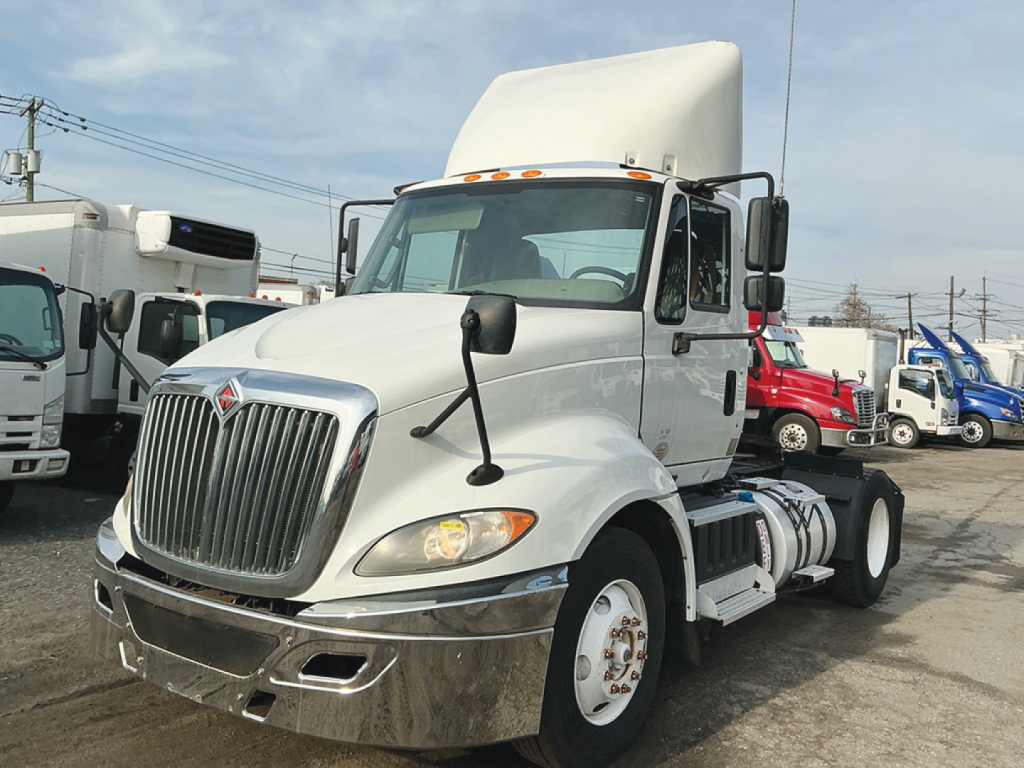
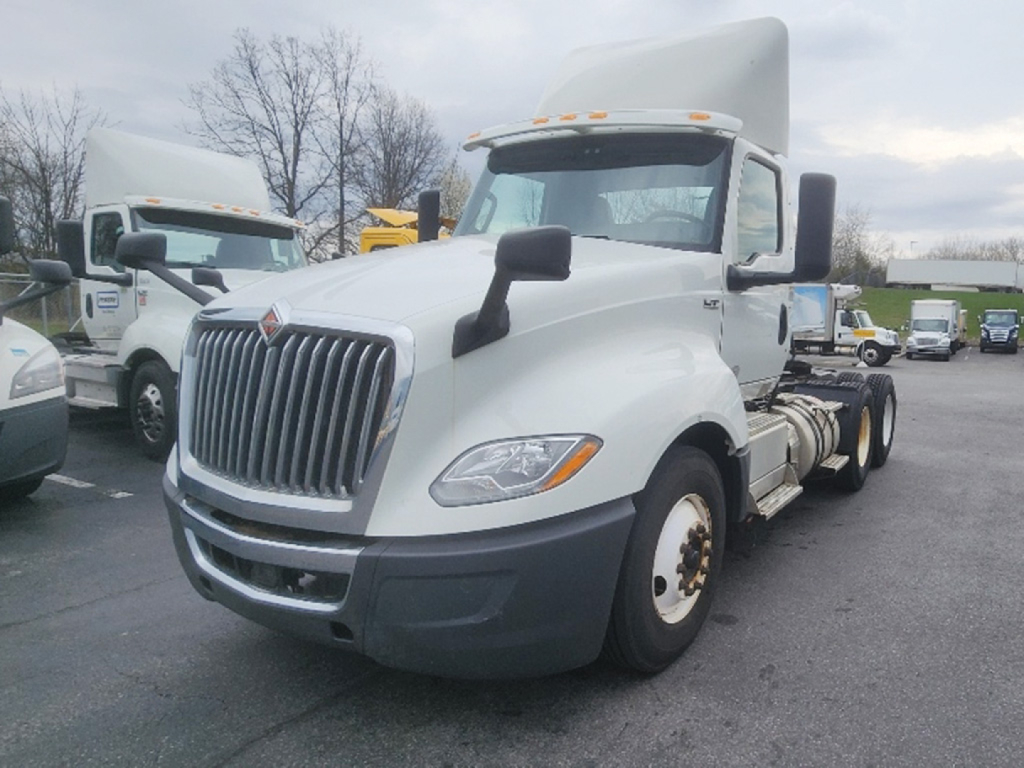
Have used 2018 international conventional daycab truck to sell? List it here to reach thousands of buyers.
Used 2018 International Conventional Daycab Trucks in New York
The first buying decision is usually application, because a 2018 International daycab can be spec'd very differently depending on the job. Highway tractors often show up with a sliding or fixed 5th wheel, aerodynamic fairings, lower rear axle ratios such as 3.42, and engines in the 350 to 450 HP range for regional hauling. Vocational and straight truck versions may use Cummins ISB 6.7 power around 250 HP, higher numerical rear ratios like 5.13, single-axle setups, and longer wheelbases to carry a van body, liftgate, or other upfit. Check wheelbase, cab-to-axle, rear axle rating, suspension type, and whether the truck is set up as a tractor or as a straight truck before comparing price.
For 2018 International models, buyers should pay close attention to engine and transmission pairing. Cummins-powered trucks remain common and are often favored for service familiarity and parts access. On-road tractors may also carry the Navistar N13, typically paired with automated or manual-style transmissions for regional or short-haul work. Review horsepower, torque, engine brake, transmission model, and rear ratio together instead of looking at any single spec in isolation. A short-wheelbase single-axle daycab with air ride suspension and an adjustable 5th wheel suits local trailer switching and regional lanes, while a longer-wheelbase MV-series truck with a van body, scuff liners, E-track, roll-up door, and liftgate is closer to a final-mile or route-delivery asset than a true road tractor.
For New York operation, maneuverability, emissions compliance, and corrosion condition matter more than they do in many other markets. A daycab used around the boroughs, Hudson Valley, or upstate distribution centers benefits from a tight turning radius, automatic transmission, good visibility, and clean frame rails and crossmembers. Buyers should inspect the cab mounts, suspension, fuel tank straps, brake components, and electrical system for rust exposure from road salt. If the truck is a tractor, confirm kingpin setting compatibility with the trailers it will pull and verify front axle loading after 5th wheel adjustment. If it is a straight truck, review body condition, floor wear, scuff plate height, door seal condition, and liftgate capacity along with the chassis specs. The best used 2018 International conventional daycab is the one whose axle ratings, wheelbase, and drivetrain match the route density, payload, and dock environment it will actually see.
Frequently Asked Questions about Used 2018 International Conventional Daycab Trucks in New York
What is a conventional daycab truck?
A conventional daycab truck is a truck with a standard hooded cab and no sleeper compartment behind the seats. It is built for local, regional, port, terminal, vocational, and dedicated-route work where the driver returns the same day. In the used market, the term can include both road tractors with a 5th wheel and straight trucks built on a conventional cab chassis.
What should I check first on a used 2018 International daycab?
Start with the truck’s actual configuration rather than the badge on the hood. Confirm whether it is a single-axle tractor, tandem tractor, or straight truck with a body. Then verify engine model, transmission type, rear axle ratio, suspension, wheelbase, and axle ratings. Those specs determine how the truck will perform in stop-and-go city work, regional hauling, trailer shuttling, or delivery service far more than model name alone.
Are 2018 International daycabs good for New York routes?
They can be a strong fit for New York because daycabs are easier to maneuver in tight streets, crowded yards, and dense delivery zones than sleeper trucks. Shorter wheelbase tractors are useful for urban and terminal work, while longer-wheelbase chassis can support box bodies and liftgates for route delivery. Buyers in New York should pay extra attention to rust, emissions system condition, and steering and suspension wear because road salt and stop-and-go use can accelerate chassis deterioration.
What engine and drivetrain specs matter most in this category?
The most important drivetrain specs are engine family, horsepower, torque, transmission type, rear axle ratio, and suspension. A lower numerical ratio such as 3.42 generally favors road speed and fuel economy in regional tractor service, while a higher ratio such as 5.13 is better suited to heavier starts, urban work, or body-equipped trucks. Automated transmissions are common in local fleets because they reduce driver fatigue and training time, while engine brakes add control in traffic and on grades.
How do I know if a daycab is set up correctly for my trailers or body?
For a tractor, check wheelbase, 5th wheel type, slider travel, frame length, rear axle capacity, and kingpin setting compatibility with the trailers you plan to pull. That helps prevent bridge law, axle loading, and turning-clearance problems. For a straight truck, compare cab-to-axle dimension, body length, floor type, scuff liners, cargo control such as E-track, door style, and liftgate rating to the freight being carried. A truck that is properly spec'd on paper will usually be cheaper to operate than one that needs major reconfiguration after purchase.