
Used 2019 International Conventional Daycab Trucks For Sale in New York
Shop used 2019 International conventional daycab trucks in New York. Compare LT daycab specs, A26 power, wheelbase, axle ratings, and driveline setup.
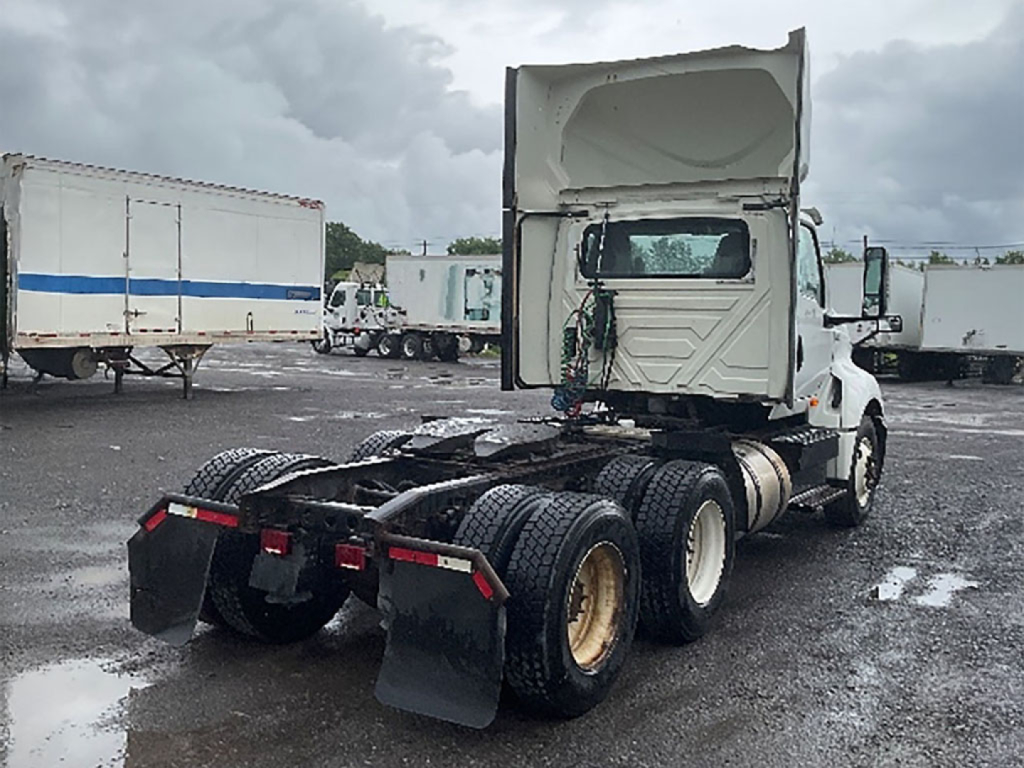
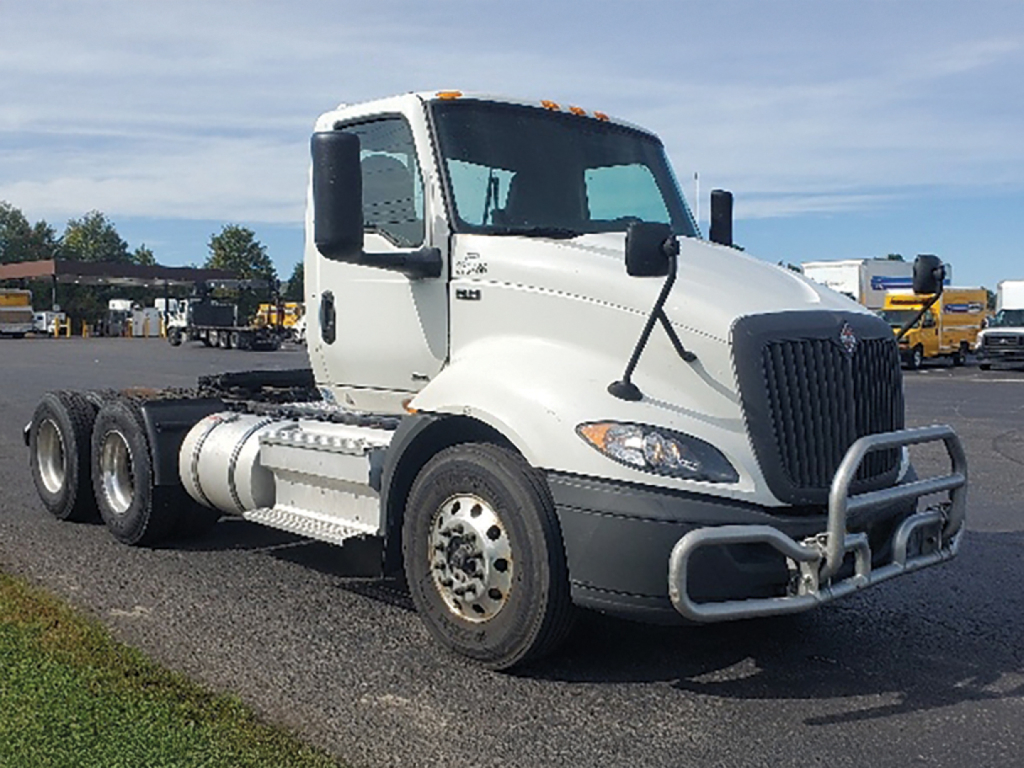
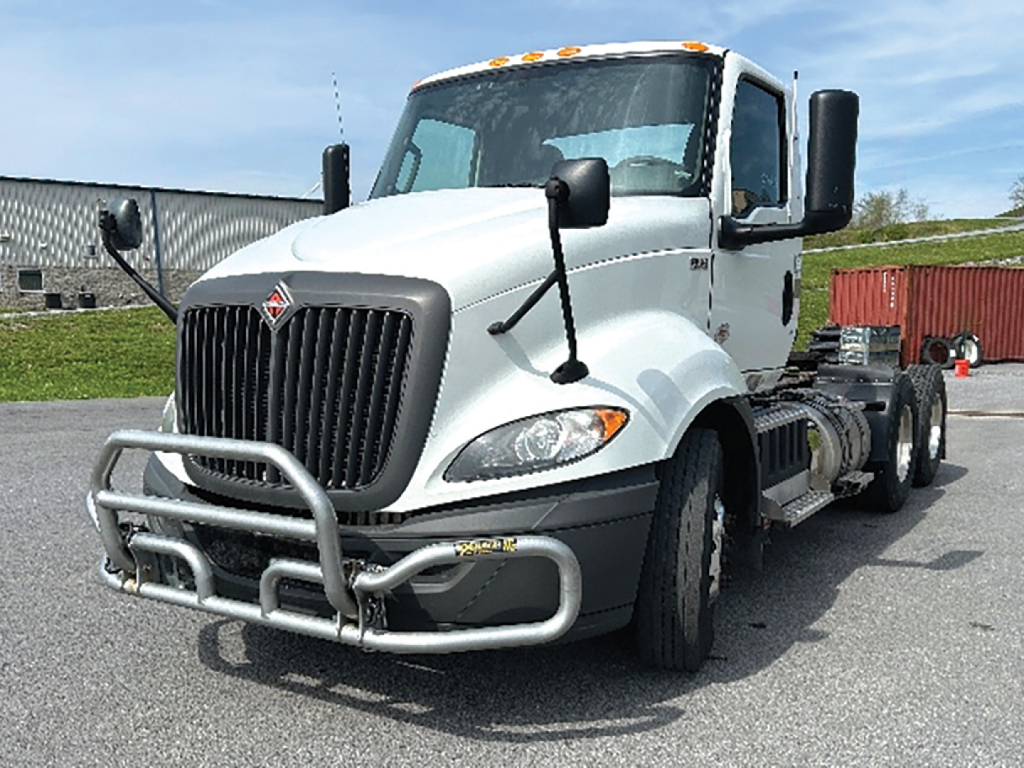
Have used 2019 international conventional daycab truck to sell? List it here to reach thousands of buyers.
Used 2019 International Conventional Daycab Trucks in New York
The main buying decision on a 2019 International daycab is usually the powertrain. Many are equipped with the Navistar A26, typically in ratings around 400 to 450 horsepower, often paired with an automated manual transmission and a 40,000 lb tandem rear. That setup fits regional van, reefer, and general freight work well, especially when matched with highway-friendly ratios such as 2.79 or similar. A buyer pulling heavier loads, running steeper grades, or working in stop-and-go duty should look closely at rear axle ratio, transmission calibration, and whether the truck has an engine brake strong enough for the route profile. Single-axle daycab variants also exist in the broader International lineup, but tandem-axle LT daycabs are the more common fit for Class 8 tractor applications.
Cab and chassis details make a noticeable difference in resale value and day-to-day usability. Common features on this generation include air ride suspension, air slide fifth wheel, aluminum fuel tanks, aerodynamic roof fairings, cab extenders, quarter fenders, and driver convenience items such as cruise control, power windows, and collision mitigation systems. On a used truck, check for frame condition, fifth wheel wear, suspension bushing life, steer tire pattern, and signs of uneven driveline angles or alignment issues. If the truck will switch between trailer types, confirm fifth wheel travel, frame length, and kingpin setting compatibility. Buyers working year-round in the Northeast should also pay attention to corrosion on crossmembers, battery boxes, air tanks, and electrical connections.
A 2019 International conventional daycab can be a strong value when the spec matches the job. The best units are not just defined by mileage or engine hours, but by how the truck was geared, maintained, and assigned. For linehaul and regional service, prioritize a balanced horsepower-to-ratio setup and clean maintenance records. For city and short-haul work, maneuverability, visibility, brake life, and transmission behavior at low speed are often more important than peak horsepower. This category appeals to fleets and owner-operators who want a modern aerodynamic tractor with straightforward daycab packaging, broad parts support, and specs that can be matched closely to local, regional, or dedicated freight.
Frequently Asked Questions about Used 2019 International Conventional Daycab Trucks in New York
What engine is common in a 2019 International conventional daycab?
The most common engine in a 2019 International LT daycab is the Navistar A26. It is typically found in ratings around 410 horsepower, though exact output varies by spec. The A26 is widely used in regional and highway applications because it delivers competitive fuel economy, strong mid-range torque, and a lighter overall package than some larger displacement alternatives.
Is a 2019 International daycab a good choice for regional freight in New York?
Yes, a 2019 International daycab is often a good fit for New York regional freight, especially when the truck is spec'd with a tandem axle, automated manual transmission, and a highway ratio suited to the route. The daycab design helps in tighter terminals and urban traffic, while the aerodynamic LT platform supports fuel efficiency on turnpike and interstate runs. Buyers should still match wheelbase, axle ratio, and braking spec to the actual mix of city, suburban, and highway miles.
What should I check first on a used 2019 International LT daycab?
Start with the powertrain and chassis spec, then verify condition. Confirm engine model, horsepower rating, transmission type, rear axle ratio, suspension, wheelbase, and axle ratings. After that, inspect maintenance records, fault code history, emissions system service, fifth wheel wear, tire condition, brake life, frame rust, and signs of collision or alignment damage. A used daycab can look clean and still be poorly matched to the intended trailer and payload.
What axle ratio works best on a 2019 International daycab?
The best axle ratio depends on the duty cycle. Ratios in the high 2s to low 3s are common for highway and regional freight where fuel economy matters. A lower, numerically higher ratio may be better for heavier loads, frequent starts, urban routes, or operations with more grade. The right choice depends on gross combination weight, cruising speed, transmission gearing, and how often the truck runs loaded versus empty.
Are 2019 International conventional daycabs usually automatic?
Many 2019 International daycabs are equipped with automated manual transmissions, and that is a common preference in fleet service. Automated manuals help with driver consistency, fuel economy, and reduced clutch wear in stop-and-go conditions. Some buyers still prefer manual transmissions for certain applications, but in this model year the automated setup is very common on LT daycab tractors used in regional and dedicated work.