
Used 1992 International Trucks For Sale in New York
Browse used 1992 International trucks in New York. Compare medium and heavy-duty models, specs, applications, drivetrains, and chassis setup.
Learn more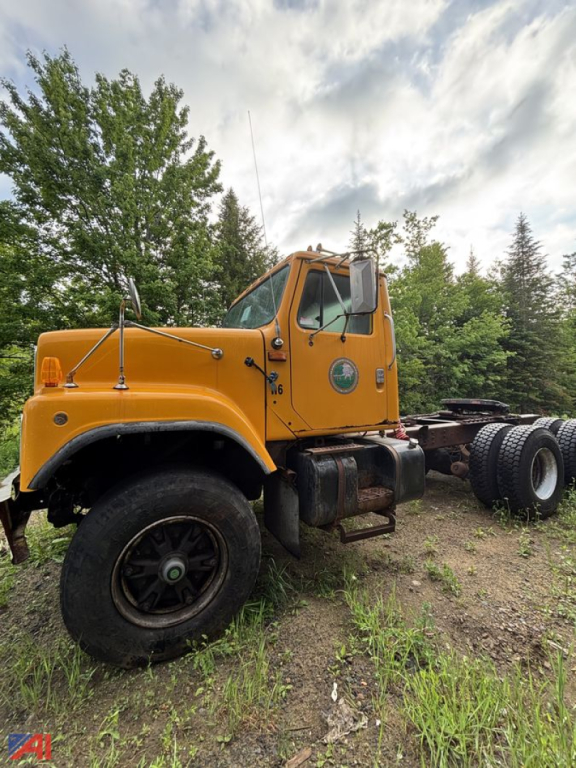
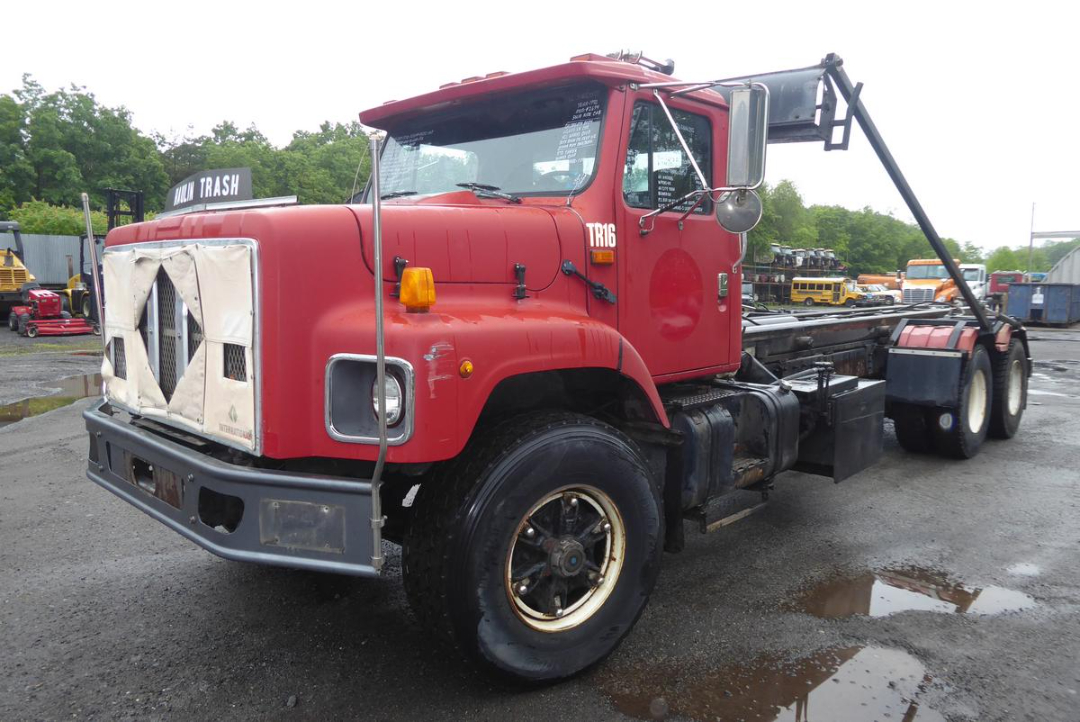
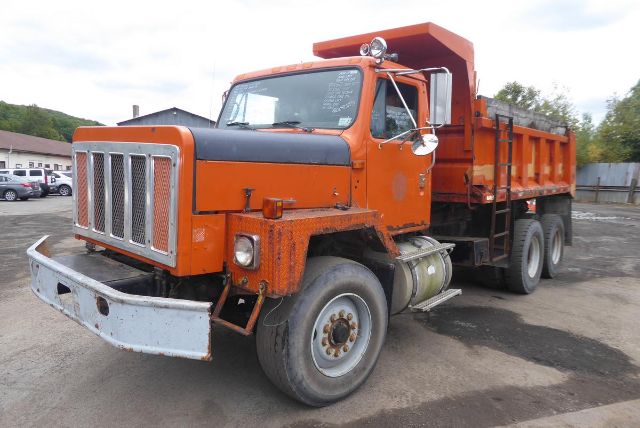
Have used 1992 international truck to sell? List it here to reach thousands of buyers.
About Used 1992 International Trucks in New York
Buyers should start with the truck’s original job and current configuration. A 1992 International may be built on medium-duty platforms such as the 4000-series or heavier vocational and tandem chassis depending on body style and axle ratings. Key checkpoints include GVWR, front and rear axle capacities, spring or air suspension, wheelbase, cab-to-axle measurement, PTO setup, and whether the frame has been altered for plows, hoists, spreaders, pumps, or hydraulic equipment. On older municipal and contractor units, it is common to see double frames, central hydraulics, underbody hoists, pintle hitches, and rust repair around crossmembers, cab mounts, floors, and body saddles.
Powertrain details are especially important on a 1992 model. Many trucks from this period used mechanical or early electronic diesel engines paired with manual transmissions from Spicer, Fuller, or similar suppliers. Buyers should verify cold-start behavior, smoke at startup and under load, blow-by, clutch feel, PTO engagement, brake type, and rear axle ratio. For trucks operating in hilly parts of New York or carrying dense material, gearing can matter more than horsepower. A low rear ratio may be better for local work and plowing, while a taller ratio may suit lighter road use. Air brakes versus hydraulic brakes, 10-lug hub-piloted versus older wheel setups, and tire size compatibility can also affect operating cost.
The best used 1992 International truck is usually the one with a clear maintenance history, a sound frame, and a chassis that matches the intended body or payload. Cosmetic age is less important than structural integrity, legal weight ratings, and how hard the truck has worked. Check for corrosion from road salt, especially on New York trucks, and inspect the wiring, hydraulic lines, brake plumbing, steering components, and spring hangers closely. If the truck has a dump body, tanker, or specialty equipment, confirm that the body manufacturer, pump, cylinders, and controls are still serviceable. For buyers who want an older International truck for practical work, the right 1992 unit can still be a dependable platform if the fundamentals are right.
Frequently Asked Questions
What should I inspect first on a used 1992 International truck?
Start with the frame, cab structure, and rust-prone areas before focusing on mileage or paint. On a 1992 truck, corrosion around frame rails, crossmembers, spring hangers, cab mounts, floors, and body attachment points can determine whether the truck is worth further evaluation. After that, inspect the engine for cold-start performance, blow-by, leaks, and smoke, then check the transmission, clutch, PTO, brakes, steering, and suspension for wear or deferred maintenance.
Are 1992 International trucks good for vocational work?
Yes, many 1992 International trucks are well suited to vocational use because they were commonly built as durable cab-and-chassis platforms for dump bodies, water tanks, flatbeds, utility bodies, and municipal equipment. Their appeal is usually mechanical simplicity and chassis toughness rather than highway speed or modern driver amenities. The key is matching axle ratings, wheelbase, PTO provisions, and body condition to the job the truck will actually do.
What engines and transmissions are common in a 1992 International truck?
A 1992 International truck may have an International diesel or another period-correct commercial engine depending on model and application, and many were paired with manual transmissions such as Spicer or Fuller gearboxes. Specs vary widely by GVWR and body type, so buyers should verify the exact engine family, horsepower rating, transmission model, rear axle ratio, and brake system on the individual truck. Older mechanical drivetrains can be easier to diagnose, but condition matters more than brand at this age.
Why does axle ratio matter on an older International truck?
Axle ratio has a major effect on launch performance, gradeability, cruising speed, and overall suitability for the job. A truck used for plowing, dump work, or off-road starts may benefit from lower gearing that improves pulling power at lower speeds. A truck used mainly for lighter road travel may be more usable with taller gearing, but many older vocational trucks were not designed for sustained high-speed operation.
Are used 1992 International trucks in New York more susceptible to rust?
Yes, New York trucks often need extra scrutiny because road salt and winter service accelerate corrosion. Municipal and contractor trucks can have significant rust on frames, brake lines, spreader mounts, plow gear supports, and underbody hydraulic components even when they still run well. A careful undercarriage inspection is essential, and buyers should pay close attention to any prior frame plating, patch repairs, or heavy scaling near suspension and steering mounting points.