
Used 1998 International Trucks For Sale in New York
Browse used 1998 International trucks in New York. Compare medium-duty and heavy-duty specs, engines, GVWRs, body types, and applications.
Learn more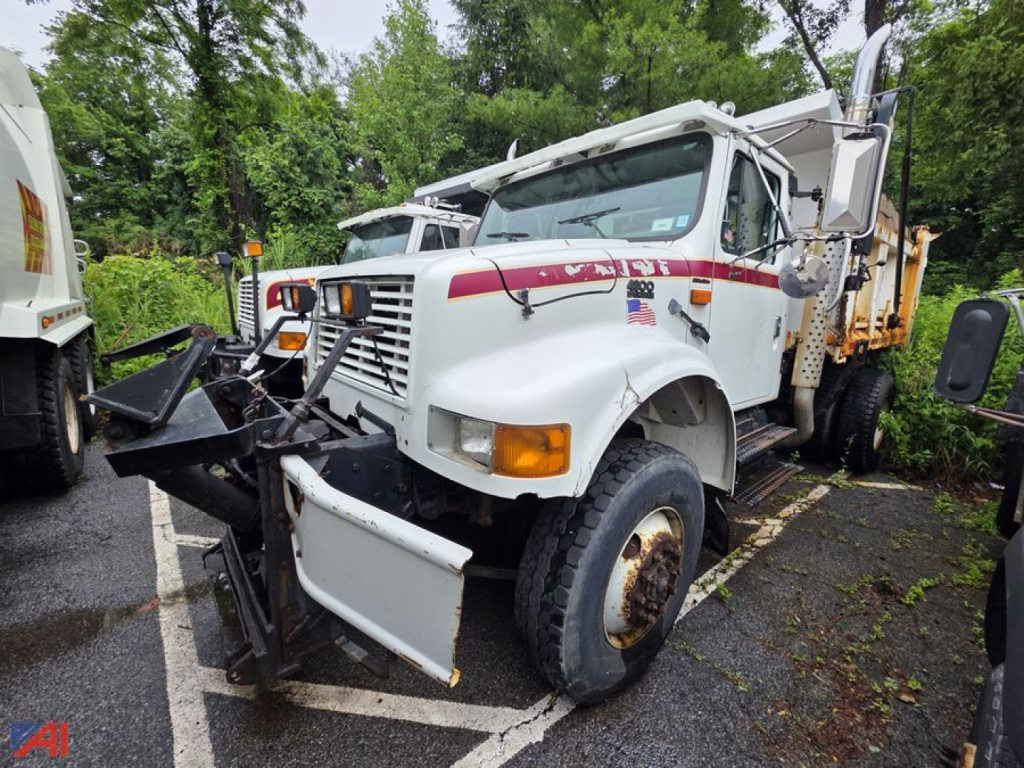
Have used 1998 international truck to sell? List it here to reach thousands of buyers.
About Used 1998 International Trucks in New York
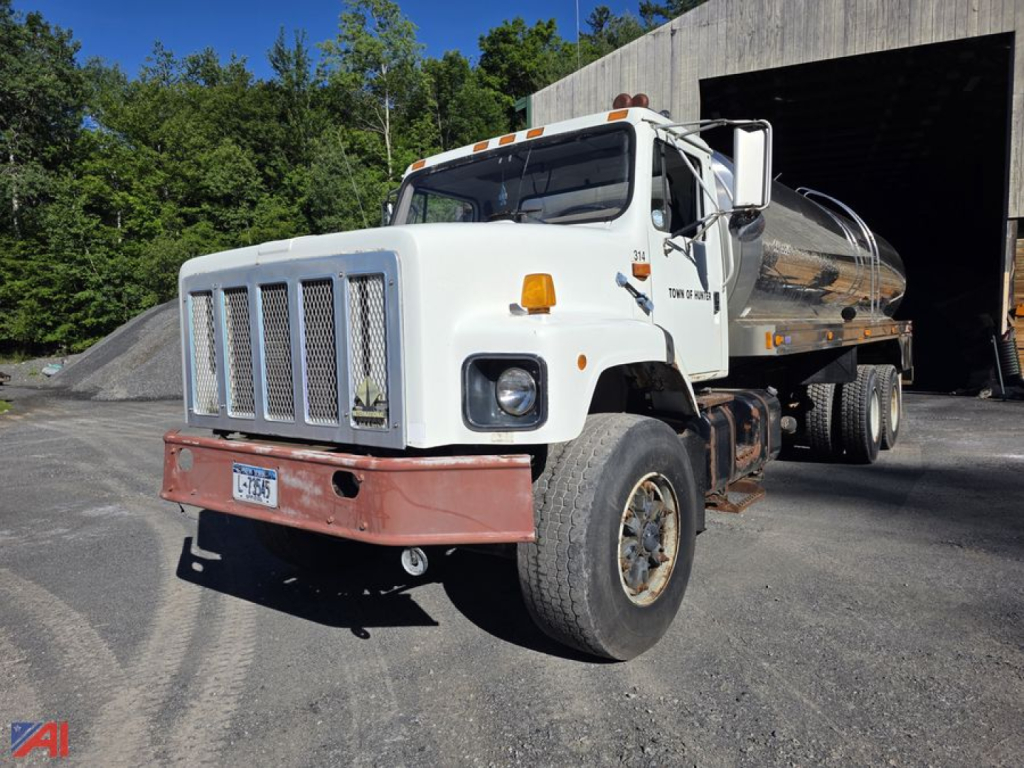
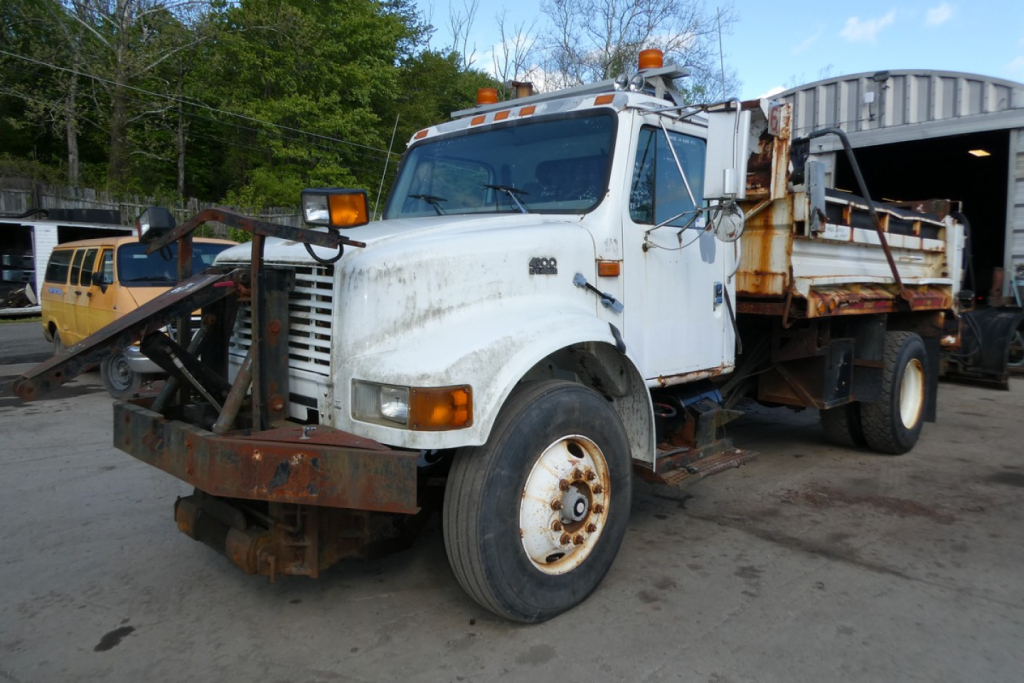
Common 1998 International models on the used market include the 4000 Series for medium-duty applications and the 8000 or 9000 Series for heavier vocational and tractor use. Depending on the original configuration, buyers may see box trucks, dump trucks, stake bodies, utility trucks, day cabs, and specialty municipal setups. Key specs to compare are GVWR, front and rear axle ratings, wheelbase, cab-to-axle, suspension type, brake type, and transmission. Mechanical diesel engines and early electronic diesels from this period are often valued for their relative simplicity, but condition matters more than model year alone. Look for service history on injectors, cooling system, clutch or automatic transmission work, steering components, and any evidence of hard cold-weather use.
For many buyers, body and chassis fit are just as important as engine make. If the truck is being used for a box, dump, tanker, rollback, or utility body, confirm frame dimensions, PTO compatibility, and any hydraulic equipment operation. A medium-duty International from 1998 may be attractive for local delivery because of its maneuverability and lower acquisition cost, while a heavier tandem or tractor setup may be better suited for construction, refuse, or regional hauling. In New York, it is also smart to inspect crossmembers, spring hangers, cab mounts, brake lines, fuel tanks, and electrical connections for rust-related issues. Trucks that spent years in municipal or snow-season service can have sound drivetrains but need closer frame and wiring inspection.
A good used 1998 International truck is usually bought on spec discipline rather than appearance. Verify the VIN, engine family, transmission model, rear axle ratio, tire size, and actual intended payload before comparing prices. If the truck has a vocational body, inspect hoists, pumps, liftgates, packer systems, or auxiliary equipment separately from the chassis. Buyers looking at older International trucks also tend to prioritize brake system condition, tire age, kingpins, driveline wear, and signs of prior frame repair. When the spec matches the route, body, and load profile, a 1998 International can still serve well in seasonal, backup, low-mileage, or cost-sensitive operations.
Frequently Asked Questions
What should I inspect first on a used 1998 International truck in New York?
Start with frame rust, cab corrosion, brake lines, wiring, suspension hangers, and crossmembers. New York trucks often see road salt and winter service, so structural condition can matter more than mileage. After that, confirm engine cold-start behavior, transmission operation, steering play, brake performance, and any leaks from the cooling system, power steering, hubs, or PTO-driven equipment.
Are 1998 International trucks good for commercial work today?
They can still be a good fit for the right application. A 1998 International is usually best suited for farm work, local delivery, municipal use, seasonal hauling, backup fleet duty, or lower-mileage vocational jobs where a simpler older chassis is acceptable. The key is buying enough capacity for the job and making sure parts availability, registration requirements, and maintenance expectations match the operation.
Which specs matter most when comparing used 1998 International trucks?
The most important specs are GVWR, axle ratings, wheelbase, cab-to-axle, suspension, transmission type, rear axle ratio, and brake system. Those numbers determine payload, body compatibility, turning radius, cruising speed, and overall suitability for the work. On body-equipped trucks, buyers should also verify PTO setup, hydraulic function, frame rail dimensions, and any upfit measurements before purchase.
What kinds of bodies are commonly found on 1998 International truck chassis?
Used 1998 International trucks are commonly found as box trucks, dumps, stake trucks, utility bodies, municipal service trucks, rollbacks, and day cab tractors. International chassis from that period were widely used across local delivery, construction, and public-sector fleets, so body configurations vary a lot. That makes wheelbase, frame condition, and equipment operation especially important when comparing listings.
Are older International diesel engines expensive to maintain?
Maintenance cost depends more on condition and prior care than on age alone. Many buyers like older International trucks because they often have fewer emissions components than newer models, but deferred maintenance can erase that advantage quickly. A truck with documented cooling system service, fuel system work, brake repairs, and drivetrain upkeep is usually a better value than a cheaper unit that needs immediate mechanical attention.