
2024 International Trucks For Sale in Missouri
2024 International trucks for sale in Missouri: compare LT, MV, HV and HX specs, engine history, axle ratings and warranty coverage before buying.
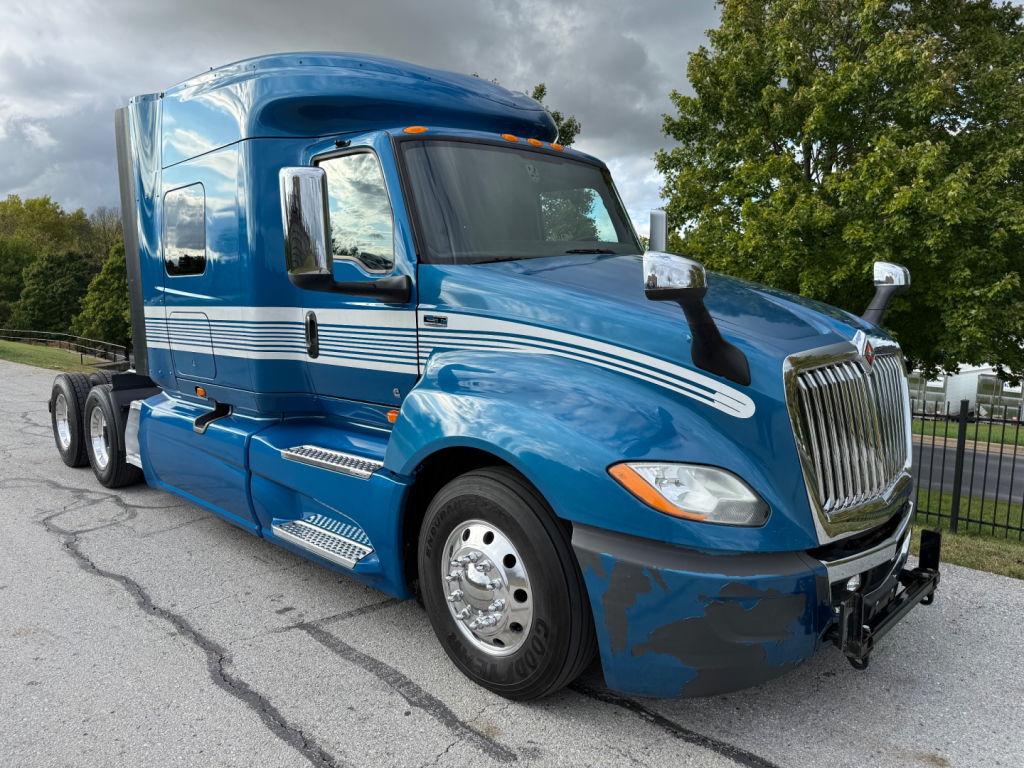
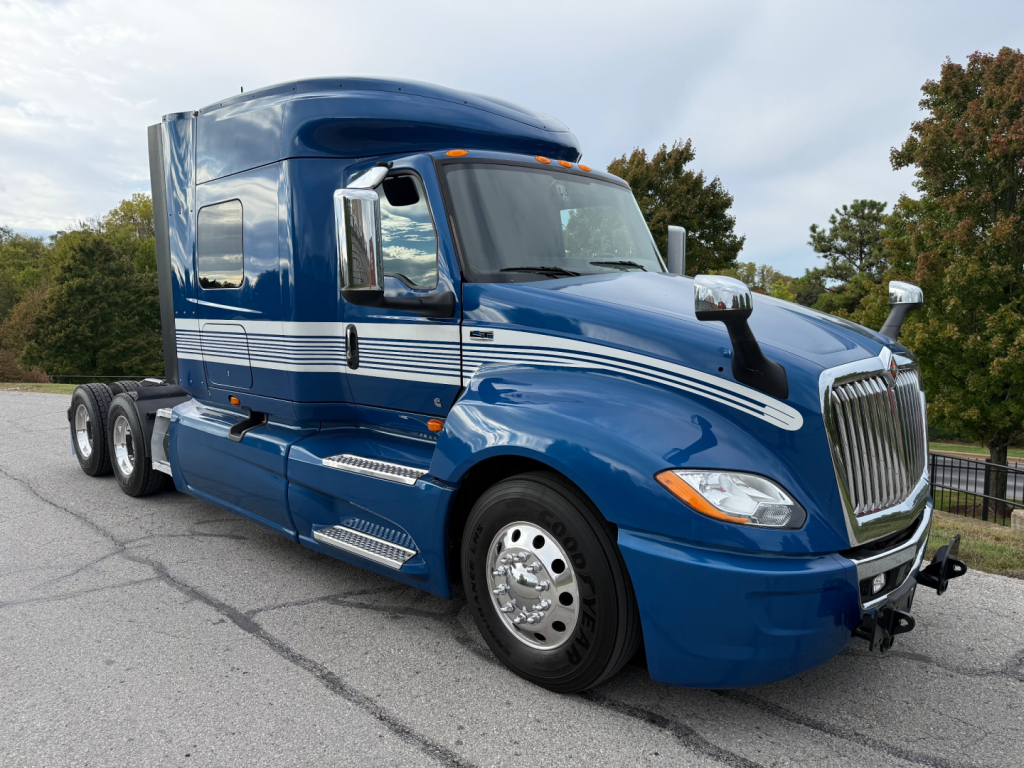
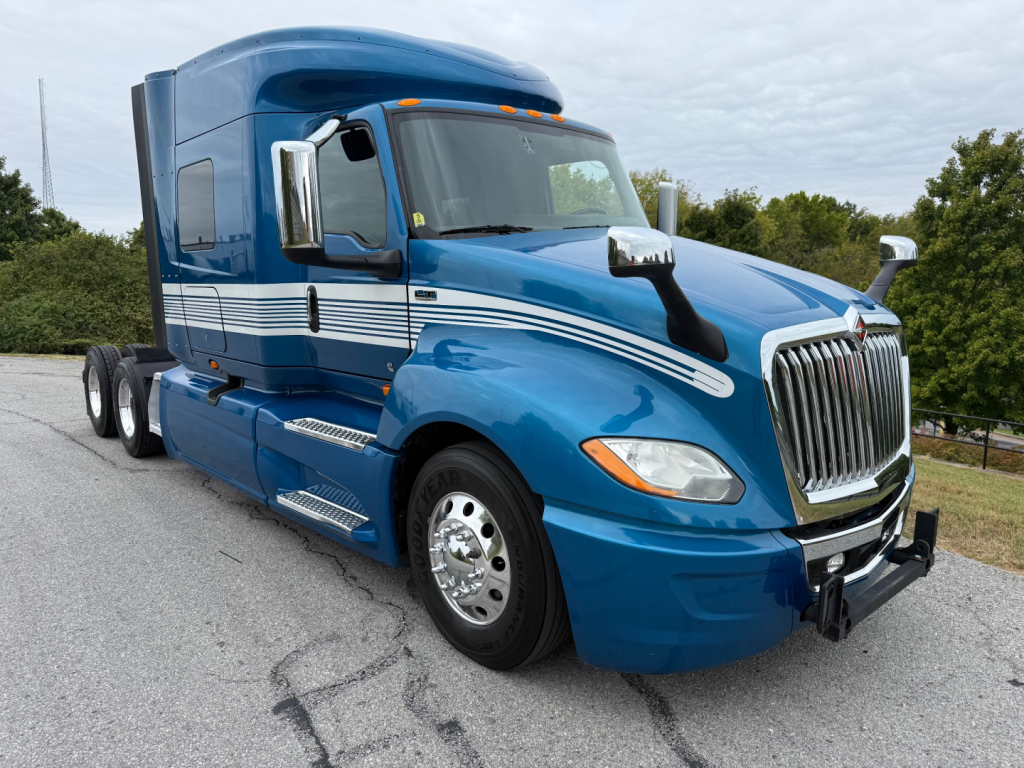
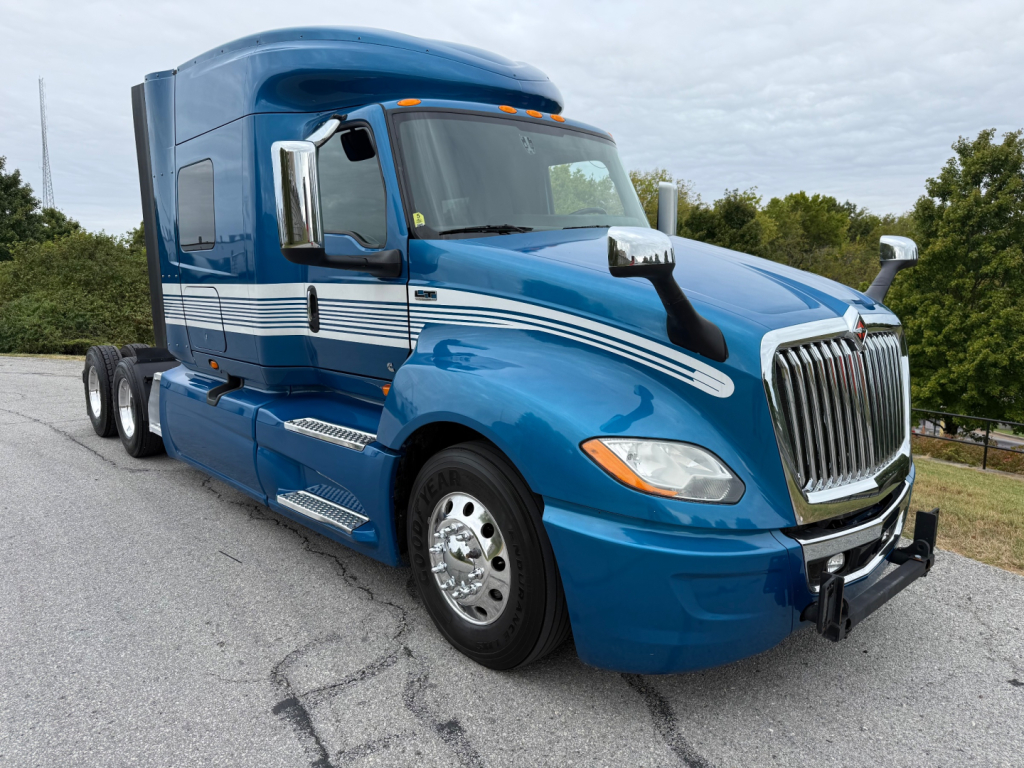
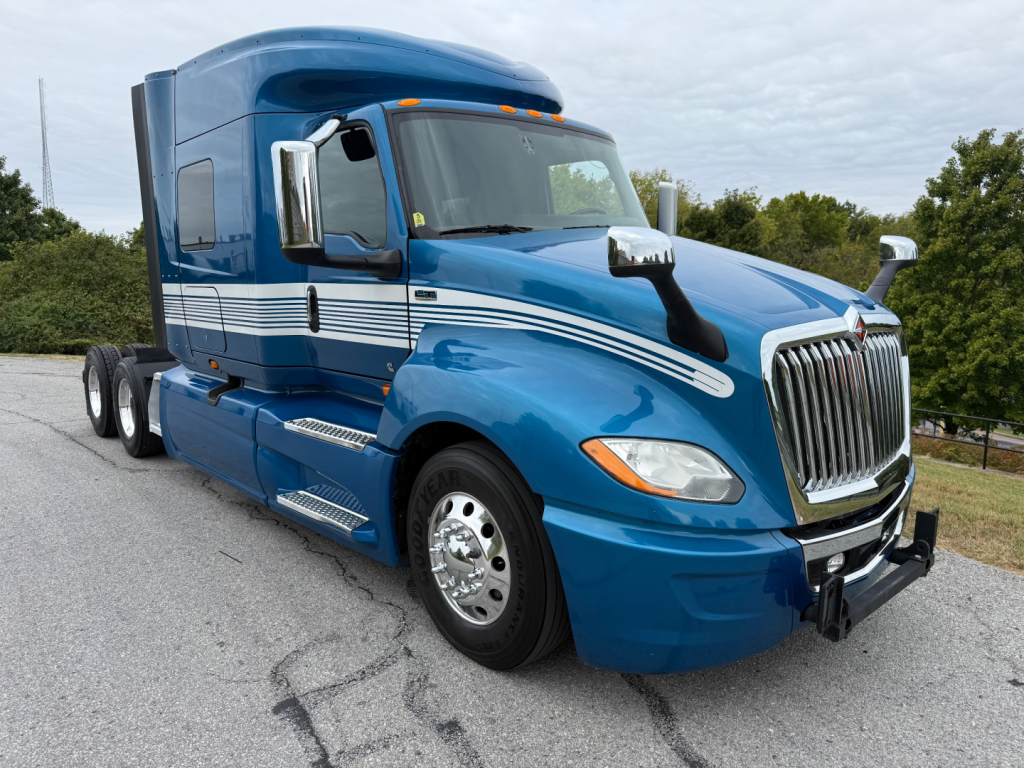
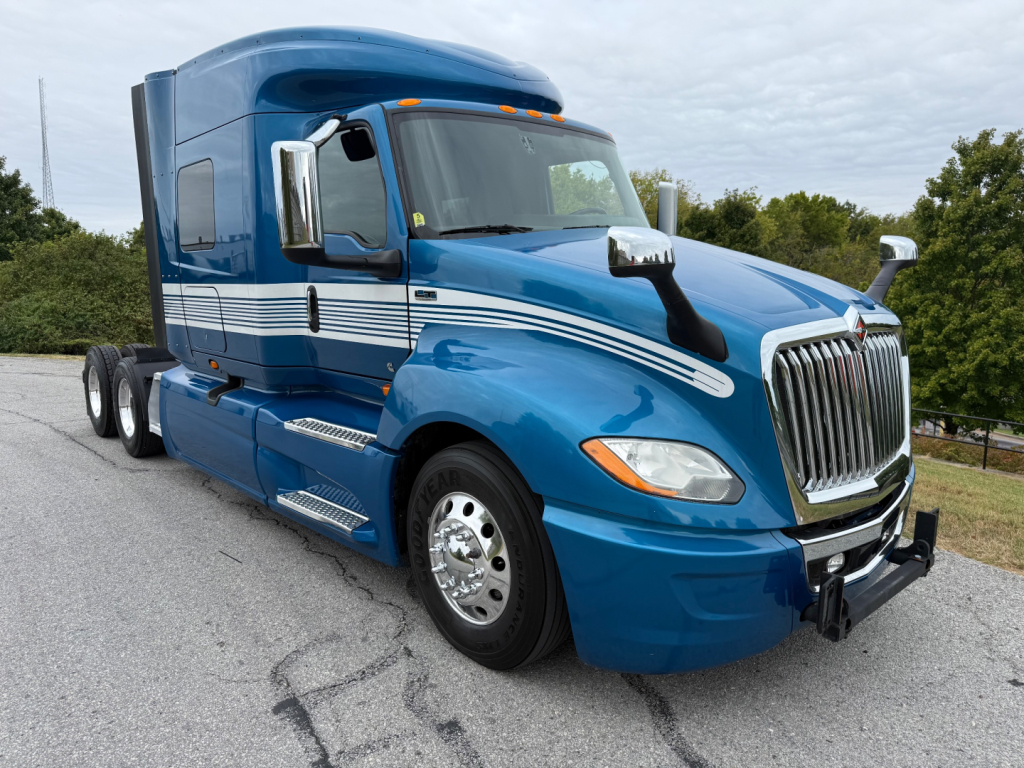
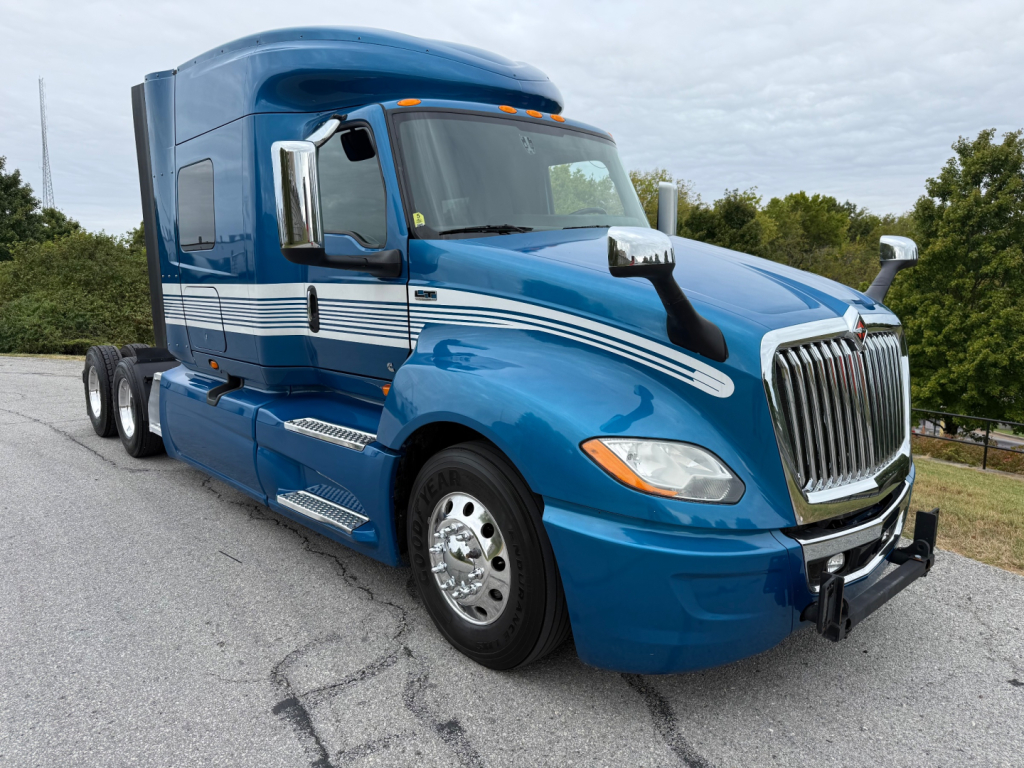
Selling a 2024 international truck? List your 2024 international truck for sale and reach thousands of commercial buyers.
2024 International Trucks in Missouri
The LT serves highway tractor applications, including conventional sleepers and day cabs, while the RH targets regional hauling where maneuverability matters. International MV straight trucks suit delivery bodies and other medium-duty installations; HV and HX vocational chassis cover heavier work such as dump, mixer and specialized hauling applications. Cummins B6.7 or L9 engines with Allison automatics are established MV combinations. On vocational trucks, check frame specifications, front axle capacity, suspension and PTO provisions before judging body suitability. A tractor's fifth-wheel arrangement and a straight truck's body-mounting requirements call for different chassis inspections.
Model year 2024 falls within International's transition to the S13 integrated powertrain on the LT, so identify the installed engine and transmission rather than assuming every truck has the same drivetrain. Cummins X15 engines paired with Eaton automated transmissions are also established LT configurations. The S13 uses International's T14 automated transmission. These diesel trucks belong to the DPF and SCR/DEF emissions era, making aftertreatment records essential. Compare engine hours, idle percentage, regeneration history and fault reports against mileage; a relatively young truck can accumulate substantial wear through intensive fleet service.
Used trucks need a cold start, diagnostic scan and loaded road test whenever practical. Inspect coolant condition, charge-air plumbing, oil leaks, transmission operation, fifth-wheel wear and brake measurements, then reconcile repairs with maintenance records. Missouri winter road treatments make frame rails, crossmembers, air tanks, wiring connectors and body mounts worthwhile corrosion checkpoints. Agricultural and quarry service also warrants close inspection of radiator fins, air filtration and suspension bushings. Tire wear should agree with alignment and axle condition, and collision repairs should be checked for frame distortion rather than judged by fresh paint.
For a new 2024 chassis, confirm the factory build sheet, body installation plan and warranty in-service date before committing. Storage condition still matters: inspect batteries, tires, seals and exposed electrical connections even on an untitled truck. Establish separate coverage for the chassis, engine, transmission, aftertreatment and installed body. Account for the 12% federal excise tax where qualifying new heavy trucks are taxable, and verify usable payload against Missouri route limits rather than treating the manufacturer's axle ratings as legal operating weights.
Frequently Asked Questions about 2024 International Trucks in Missouri
Is a 2.79 axle ratio a good choice for a 2024 International LT in Missouri?
A 2.79 axle ratio suits many highway-spec 2024 International LT tractors when paired with the correct transmission and tire size. Evaluate cruising engine speed, transmission top gear and starting capability together. Missouri operators hauling heavy loads through the Ozarks should also check gradeability and restart performance; axle ratio alone cannot establish whether a tractor will handle the route comfortably.
Can a 2024 International vocational truck run a dump body with an automatic transmission?
Yes, a 2024 International vocational truck can operate a dump body with an automatic transmission when the transmission has suitable PTO provisions. Confirm PTO torque capacity, hydraulic pump requirements and whether operation must be stationary or mobile. Transmission programming, interlocks and hydraulic cooling also matter. An existing automatic transmission does not guarantee that the correct PTO opening, gearing or controls are installed.
How much weight can a 2024 International truck legally haul on Missouri interstates?
An ordinary truck combination on Missouri interstates is generally limited to 80,000 pounds gross, 20,000 pounds on a single axle and 34,000 pounds on a tandem, subject to the federal bridge formula. A 2024 International's higher axle or gross combination ratings do not override those limits. Legal payload requires subtracting actual empty combination weight, and special permits or restricted routes can change the operating conditions.
Can I run a Missouri-bought 2024 International truck in California?
A factory-emissions-compliant 2024 diesel International normally meets California's 2010-or-newer engine requirement, but engine age alone does not authorize operation. California's Clean Truck Check requirements can apply to qualifying heavy-duty vehicles registered outside California. Verify applicable registration, reporting and testing obligations before dispatch, and confirm the engine's emissions label and intact aftertreatment system rather than relying solely on the chassis model year.
What should I inspect on a 2024 International LT625 sleeper's APU?
Run the LT625's APU under electrical and HVAC load, not just at idle, and compare its operating hours with its service records. Inspect mounting brackets, exhaust routing, belts, fluid leaks and battery charging performance. Test sleeper heating and cooling with the main engine off. A diesel APU has its own maintenance needs, and working engine-driven cab air conditioning does not prove the APU system works.