
Garbage Trucks For Sale in Texas
Browse garbage trucks for sale in Texas, including rear loaders, front loaders, and low-entry refuse trucks for municipal and commercial routes.
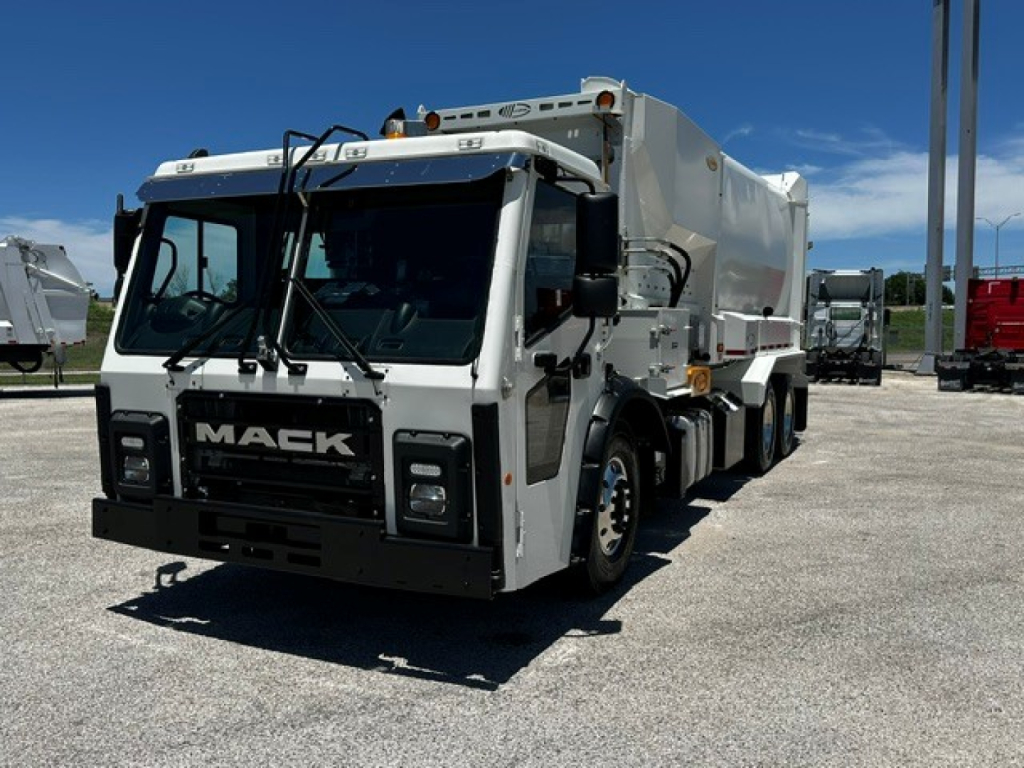
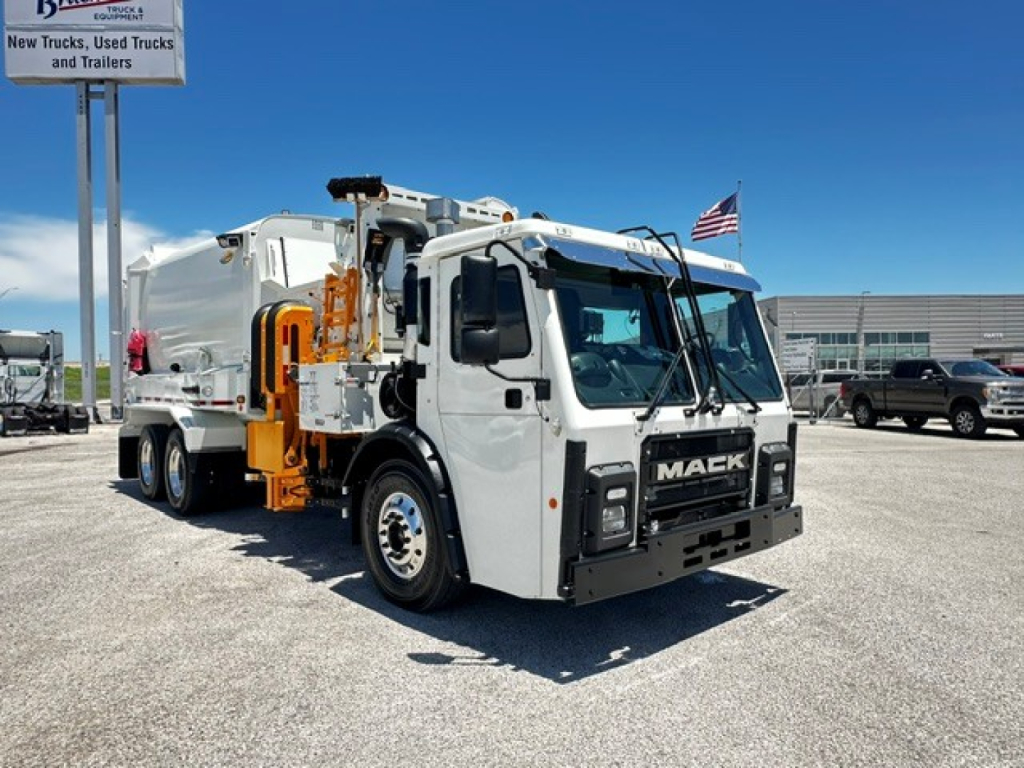

Selling a garbage truck? List your garbage truck for sale and reach thousands of commercial buyers.
Garbage Trucks in Texas
The biggest buying decision is usually the loading style. Front loaders are common for commercial dumpster routes and are often paired with higher front axle ratings, heavier front frame sections, and body capacities around 30 yards. Rear loaders are widely used for residential collection, bulk pickup, and routes that need hand loading or automated cart tippers. Side loaders, including automated side loaders, are built for dense residential work where efficiency, single-operator collection, and route consistency drive costs down. Body manufacturer matters almost as much as the chassis, with names like Heil and McNeilus often influencing parts support, hydraulic layout, packer design, and long-term maintenance planning.
On the chassis side, most heavy-duty garbage trucks in this class run tandem rear axles, automatic transmissions, and diesel or CNG power. Engines in the mid-300 horsepower range are typical, with Allison automatics remaining a standard choice because they handle constant shifting, PTO operation, and urban duty cycles well. Common specs include 20,000 lb front axles, 40,000 to 46,000 lb rear axles, GVWRs around 60,000 to 66,000 lbs, and rear ratios selected for low-speed launch and route durability rather than highway fuel economy. Air disc brakes, low-ride rear suspensions, right-hand steer, and wheelbases in the 200 to 220 inch range are all worth comparing because they directly affect turning radius, body fit, and collection efficiency.
A smart refuse truck purchase comes down to route type, body condition, and total lifecycle cost. Buyers should look closely at packer hours, hydraulic leaks, hopper wear, tailgate sealing, fork or cart tipper condition, frame corrosion, and PTO performance in addition to the usual engine and transmission checks. For CNG units, tank age, fuel system service history, and local technician support are critical. In Texas, heat, long idle periods, and hard daily cycling can expose cooling system weakness and cab AC issues quickly, so those systems deserve extra attention. The best garbage truck is the one spec'd for your collection method, legal weight targets, and maintenance capacity, not simply the one with the newest model year.
Frequently Asked Questions about Garbage Trucks in Texas
What types of garbage trucks are most common in Texas?
The most common garbage trucks in Texas are rear loaders for residential and mixed-use collection, front loaders for commercial dumpster service, and low-entry cab refuse trucks for municipal fleet work. Automated side loaders are also common in residential fleets that want one-person collection and consistent route productivity. The right choice depends on container type, route density, labor model, and disposal or transfer distance.
What axle and GVWR specs should I expect on a heavy-duty refuse truck?
Many heavy-duty garbage trucks are built with a 20,000 lb front axle and tandem rear axles rated from 40,000 to 46,000 lbs, putting GVWR in the 60,000 to 66,000 lb range. Exact ratings vary by body style because front loaders often need stronger front axle capacity, while rear and side loaders balance payload, wheelbase, and body weight differently. Buyers should confirm that axle ratings, suspension, and tire capacity match the legal and operational weight of the completed truck, not just the bare chassis.
Is a diesel or CNG garbage truck better for refuse work?
Diesel refuse trucks usually offer broader service support, simpler fueling logistics, and strong durability in mixed route applications. CNG garbage trucks can reduce fuel cost volatility and are popular in municipal fleets with established natural gas infrastructure, but they require attention to tank certification dates, fuel system maintenance, and qualified technicians. The better option depends on local fueling access, technician availability, route miles, and your long-term operating plan.
Why are Allison automatic transmissions so common in garbage trucks?
Allison automatic transmissions are widely used in garbage trucks because refuse routes involve constant starts, stops, backing, low-speed maneuvering, and PTO-related hydraulic operation. An automatic helps reduce driver fatigue, improves consistency across operators, and is generally well suited to the repeated cycling of residential and commercial collection work. Transmission model selection should still match GVWR, engine torque, and body demands.
What should I inspect first on a used garbage truck?
Start with the body and hydraulic system because those components often determine the true value of a used refuse truck. Check packer operation, hopper and floor wear, tailgate seals, cylinders, hoses, PTO engagement, and any forks or cart tippers. After that, inspect frame condition, suspension, axle ratings, brake type, engine hours if available, transmission performance, and for low-entry units, door function and cab step wear. A truck can run well and still need expensive body repairs, so the refuse equipment itself should never be a secondary inspection item.