
Used 2014 Mack Garbage Trucks For Sale
Shop used 2014 Mack garbage trucks, including refuse-ready Mack chassis built for rear load, front load, and automated collection work.
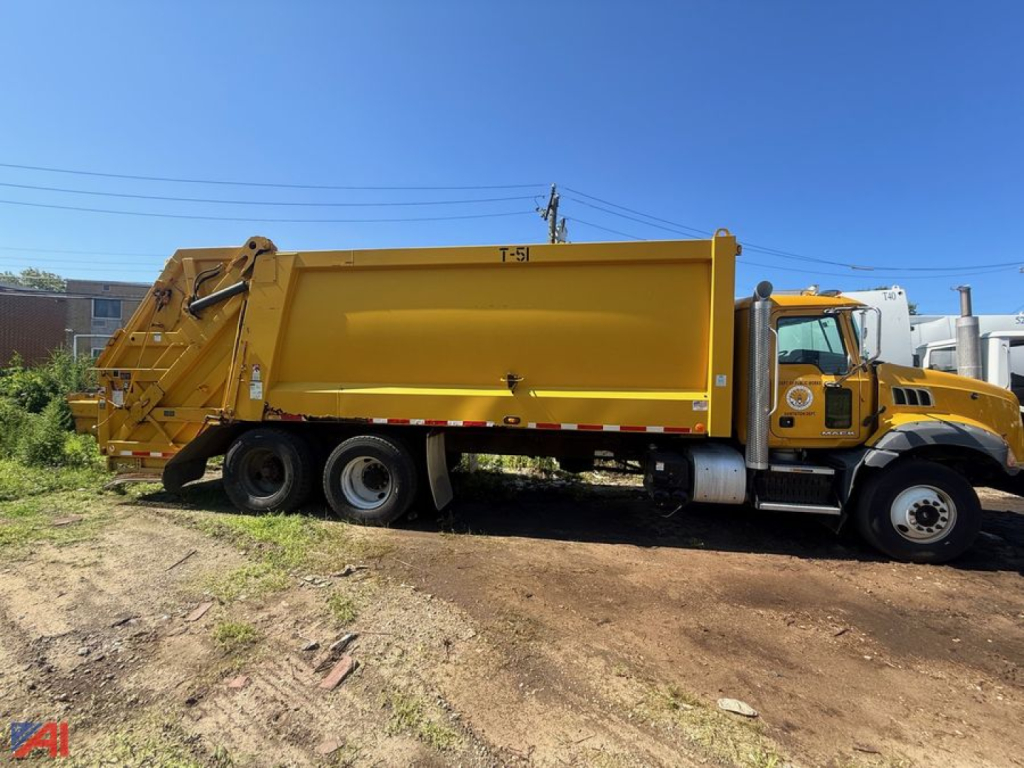
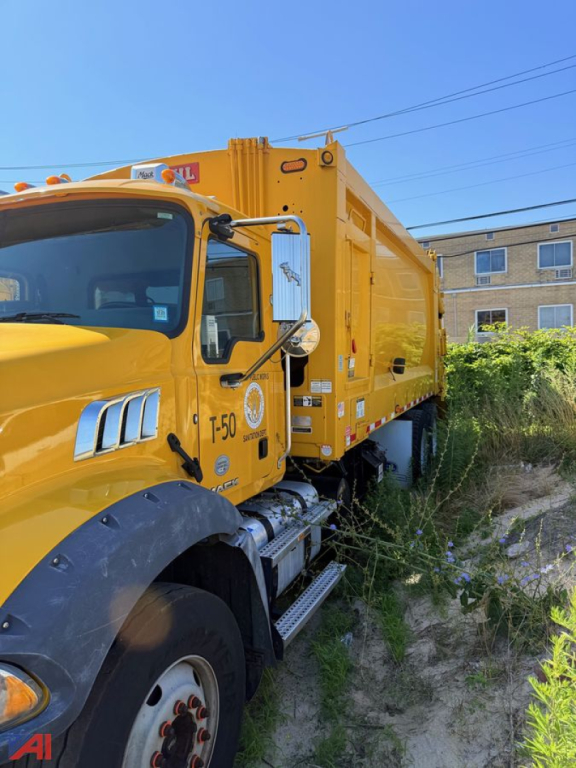
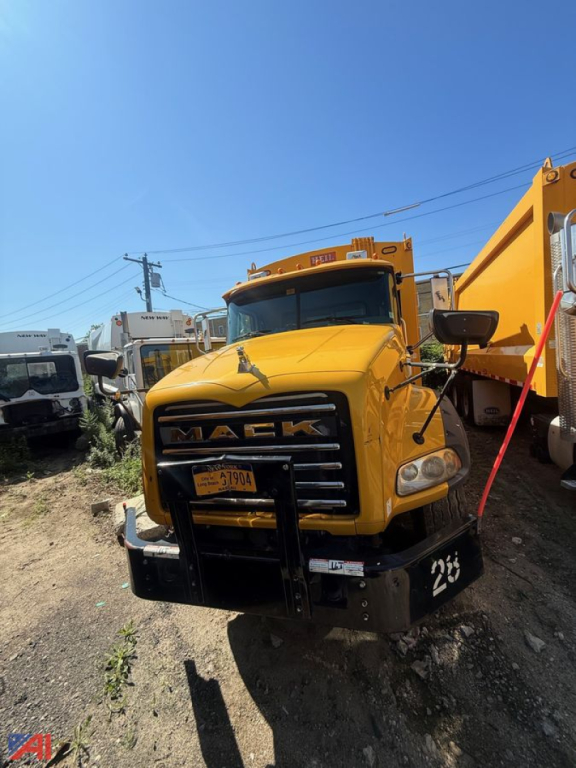
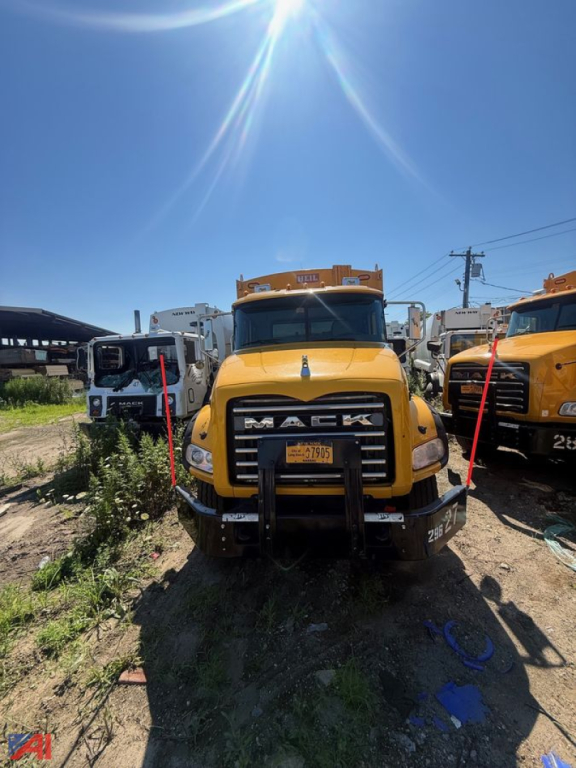
Have used 2014 mack garbage truck to sell? List it here to reach thousands of buyers.
Used 2014 Mack Garbage Trucks
The first buying decision is usually body style, not engine size. A 2014 Mack garbage truck may be set up as a rear loader, front loader, side loader, or automated side loader, and each one changes the truck's value and ideal route profile. Rear loaders are common for residential and small commercial stops where crews work off the back. Front loaders are typically chosen for commercial dumpsters and require close attention to frame condition, arm wear, and front axle ratings. Automated side loaders are route-efficiency machines, but the buyer should inspect cart tipper functions, hydraulic response, and body control systems carefully. Body manufacturers often seen on Mack refuse chassis include Leach, Labrie, Heil, McNeilus, New Way, and similar packer brands, so the condition of the body matters just as much as the truck itself.
On the chassis side, many 2014 Mack garbage trucks are equipped with diesel engines in the horsepower range suited for stop-and-go vocational service, commonly paired with Allison automatic transmissions. That combination is popular in refuse because it handles repetitive shifting, driver turnover, and PTO work well. Important specs to compare between listings include front axle capacity, rear axle capacity, wheelbase, suspension type, bridge formula needs, and packer body yard rating. Refuse trucks often show lower mileage than other vocational trucks, but engine hours, idle time, and hydraulic system wear are usually more important than odometer readings alone. Buyers should also look closely at frame rail corrosion, hopper floor wear, packer blade condition, tailgate seal integrity, cylinder leaks, and any evidence of body cracking or prior weld repairs.
A used 2014 Mack garbage truck can still be a productive route truck if it has been maintained on a strict municipal or private fleet schedule. Service records for hydraulics, transmission, clutch fan operation, DPF system, brakes, suspension components, and body rebuild work add real value. In many cases, the best unit is not the lowest-hour truck, but the one with a solid refuse body, clean hydraulic operation, and a chassis spec that matches the route. Buyers comparing listings should think in terms of total remaining service life of both the Mack chassis and the packer body, because in refuse work, the body condition often determines the truck's next several years of uptime and repair cost.
Frequently Asked Questions about Used 2014 Mack Garbage Trucks
What should I inspect first on a used 2014 Mack garbage truck?
Start with the refuse body and hydraulic system, because those components often drive the biggest repair costs. Check the packer blade, hopper, floor, tailgate, cylinders, hoses, control functions, and signs of structural cracking or weld repairs. Then inspect the chassis for frame corrosion, suspension wear, axle ratings, brake condition, engine fault history, and transmission operation. Mileage matters less than body condition, engine hours, and evidence of regular fleet maintenance.
Are Mack garbage trucks typically equipped with automatic transmissions?
Yes, many Mack refuse trucks from this era are paired with Allison automatic transmissions because refuse routes involve constant stop-and-go driving and repeated PTO use. Automatic transmissions reduce driver fatigue, simplify training, and generally perform well in residential and commercial collection work. Buyers should still verify shift quality, PTO engagement, service history, and any transmission diagnostic codes before purchase.
What body types are common on a 2014 Mack garbage truck?
Common configurations include rear loaders, front loaders, side loaders, and automated side loaders. Rear loaders are common for residential hand-load routes and smaller commercial work. Front loaders are widely used for commercial dumpsters. Automated side loaders are designed for one-person cart collection and route efficiency. The right body depends on the route style, labor model, disposal weight, and turning environment.
Is low mileage enough to judge a used garbage truck?
No. Refuse trucks often accumulate heavy idle hours, PTO hours, and hydraulic cycles even when road mileage stays relatively low. A truck with modest miles can still have substantial wear in the packer body, cylinders, suspension, steering, and emissions system. Buyers should compare engine hours, maintenance records, hydraulic performance, and body wear along with the odometer.
What makes a 2014 Mack garbage truck a good fit for refuse service?
Mack chassis are well regarded in refuse applications for their vocational durability, heavy axle options, and driveline setups suited to low-speed, high-load work. They are commonly spec'd to handle constant starts and stops, tight urban routes, and body integration with major refuse packer manufacturers. A well-maintained Mack can remain a dependable platform if the chassis spec, body type, and route demands are aligned.