
Mack Garbage Trucks For Sale in New York
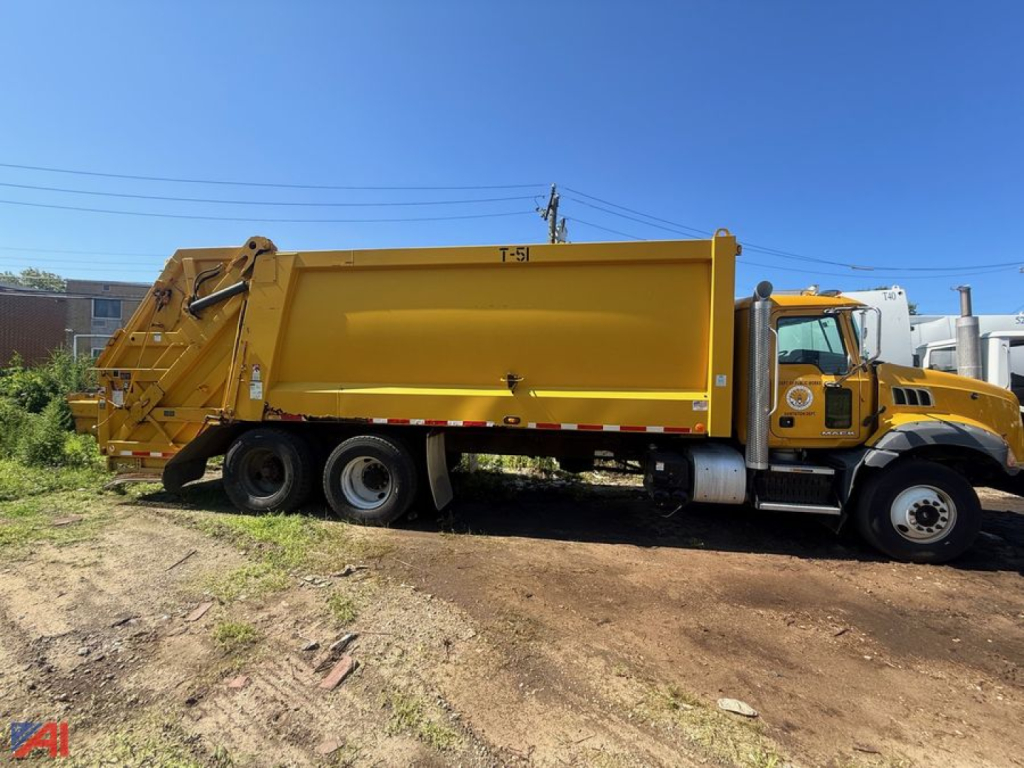
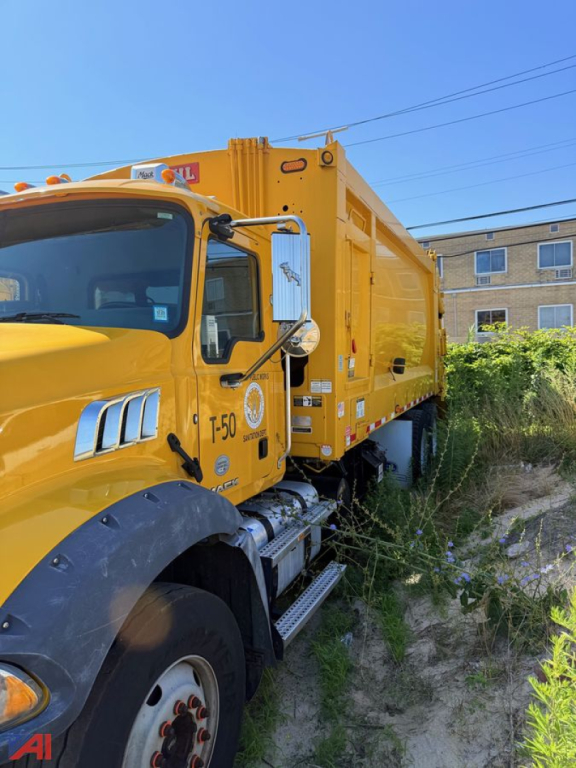
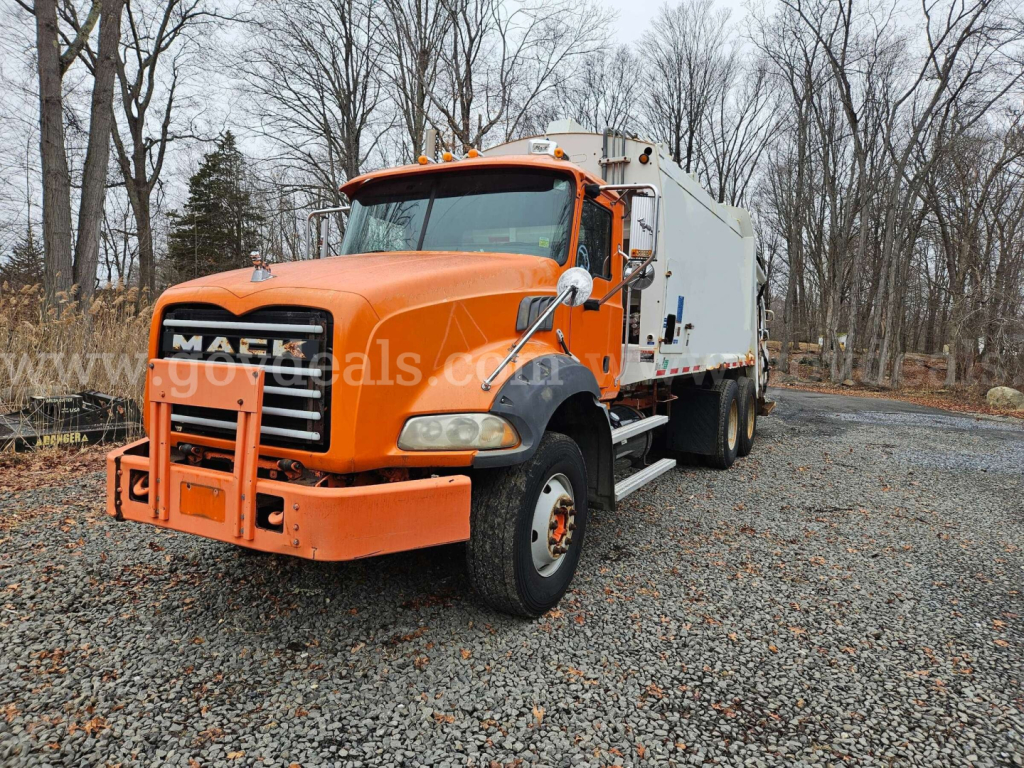
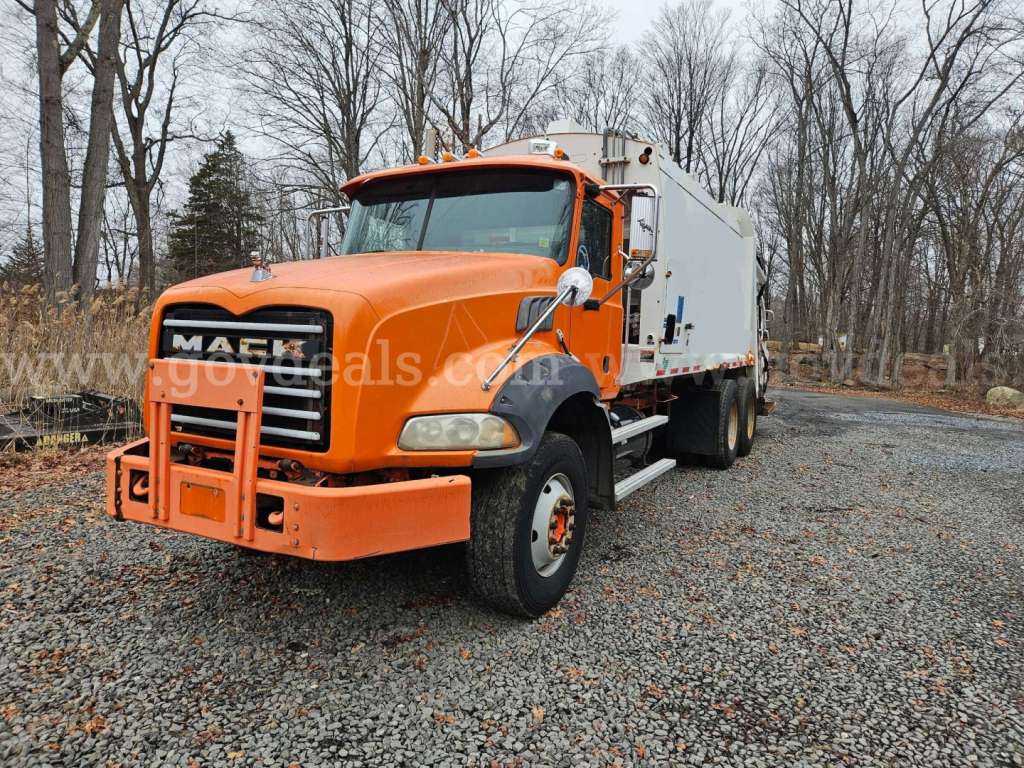
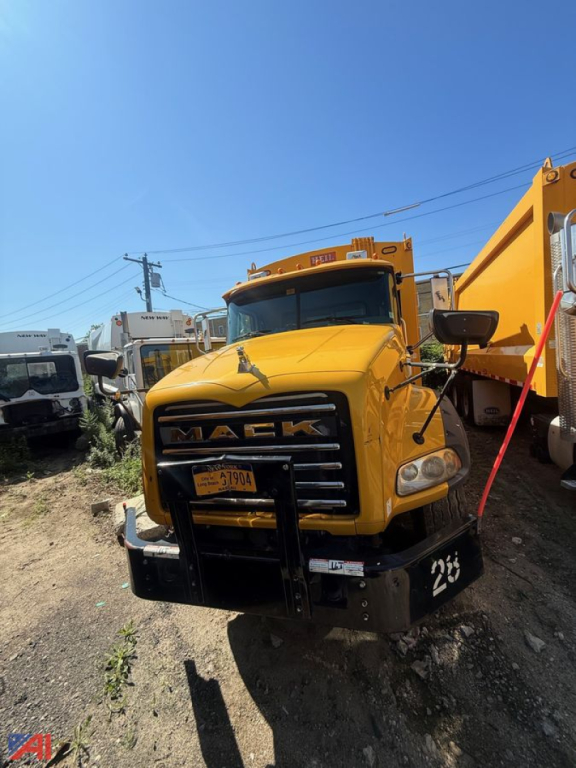
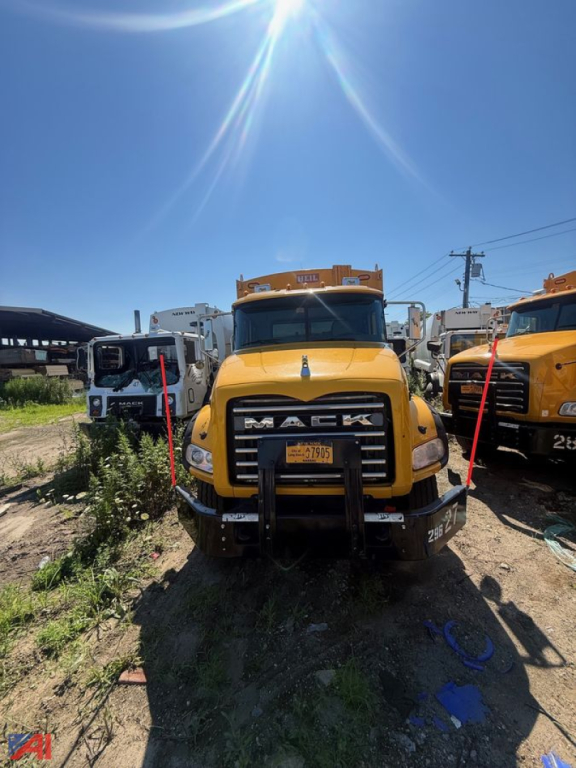
Have mack garbage truck to sell? List it here to reach thousands of buyers.
Mack Garbage Trucks in New York
Powertrain spec matters more in garbage service than it does in many over-the-road applications. Many Mack garbage trucks use diesel engines in the 300 to 405 horsepower range paired with Allison automatic transmissions such as the 4500 RDS, a common refuse combination because it handles constant shifting, low-speed work, and PTO demands well. Buyers should verify front axle capacity, rear axle rating, suspension type, and gross vehicle weight rating, especially on trucks carrying 20-yard to 25-yard rear load bodies or heavier commercial refuse bodies. In New York, route density, bridge laws, tight alley access, and transfer station haul distances can all influence whether a tandem axle truck or a more maneuverable single axle setup makes better sense.
Refuse body condition often determines the real value of a used Mack garbage truck. Check the floor, packer blade, hopper, tailgate seals, ejector components, cylinders, pins, and body mounts for wear, cracking, or weld repairs. Hydraulic leaks, corrosion around the hopper, and excessive play in the tailgate or cart tipper can point to expensive downtime. If the truck is a rear loader, pay close attention to cycle times, packer performance, and whether the body is from a known refuse manufacturer such as Leach, Heil, New Way, or McNeilus. It is also smart to inspect cab rust, wiring condition, brake wear, and the PTO engagement system, since sanitation trucks spend years in harsh weather and highly corrosive operating environments.
A Mack refuse truck can be a strong fit for municipalities, private haulers, transfer operations, and contractors handling residential or commercial solid waste. The best buying decision usually comes down to matching body style, legal payload, and turning radius to the route. A truck with low mileage may still have high engine hours, so hour meter readings, maintenance records, and the condition of the hydraulic and packer systems deserve as much attention as the odometer. Buyers comparing used Mack garbage trucks should prioritize route suitability, axle capacity, and body condition before paint or cosmetics, because uptime in refuse work is driven by structure, hydraulics, and drivetrain durability.
Frequently Asked Questions about Mack Garbage Trucks in New York
What should I look at first when buying a used Mack garbage truck?
Start with the body and hydraulic system, then evaluate the chassis. Refuse trucks accumulate wear through packer cycles, PTO operation, and route stress, so the condition of the hopper, packer blade, cylinders, tailgate, and floor often matters more than appearance. After that, confirm engine hours, transmission operation, axle ratings, suspension condition, and signs of rust or frame corrosion. A clean cab does not offset a tired refuse body.
Are Mack garbage trucks good for municipal refuse routes?
Mack garbage trucks are a common choice for municipal sanitation work because they are typically spec'd with heavy-duty frames, strong front axle capacities, vocational suspensions, and automatic transmissions suited to stop-and-go operation. They are especially well suited for dense residential or city collection routes where durability, turning performance, and PTO-driven body operation are critical. The exact fit depends on whether the truck is configured as a rear loader, front loader, or side loader.
Why is an Allison automatic transmission common in Mack refuse trucks?
Allison automatic transmissions are widely used in garbage trucks because refuse collection involves constant starts, stops, low-speed maneuvering, and repeated shifting. An automatic transmission reduces driver fatigue, improves control on route, and works well with PTO-dependent hydraulic body functions. In heavy rear load applications, pairings such as a Mack diesel engine with an Allison 4500 RDS are common because they are designed for severe-duty vocational service.
How important are axle ratings on a Mack garbage truck?
Axle ratings are critical because refuse trucks carry heavy body weight before payload is even added. Front axle capacity is especially important on rear loaders and automated side loaders, where loading dynamics and body equipment can put substantial weight forward. Buyers should verify the front axle rating, rear axle rating, suspension capacity, and GVWR against the intended route, legal road limits, and transfer station haul distances. An under-spec'd truck can lead to poor durability, compliance issues, and reduced payload efficiency.
Does low mileage mean a used garbage truck has low wear?
Not necessarily. Garbage trucks often spend much of their life at low speeds on route, which means engine hours, PTO hours, and packer cycle counts can tell a more complete story than mileage alone. A truck with modest miles may still have extensive wear in the transmission, hydraulics, suspension, brakes, and refuse body. Maintenance records, idle time, and body condition are essential when judging actual remaining service life.