
2014 Mack Garbage Trucks For Sale in New York
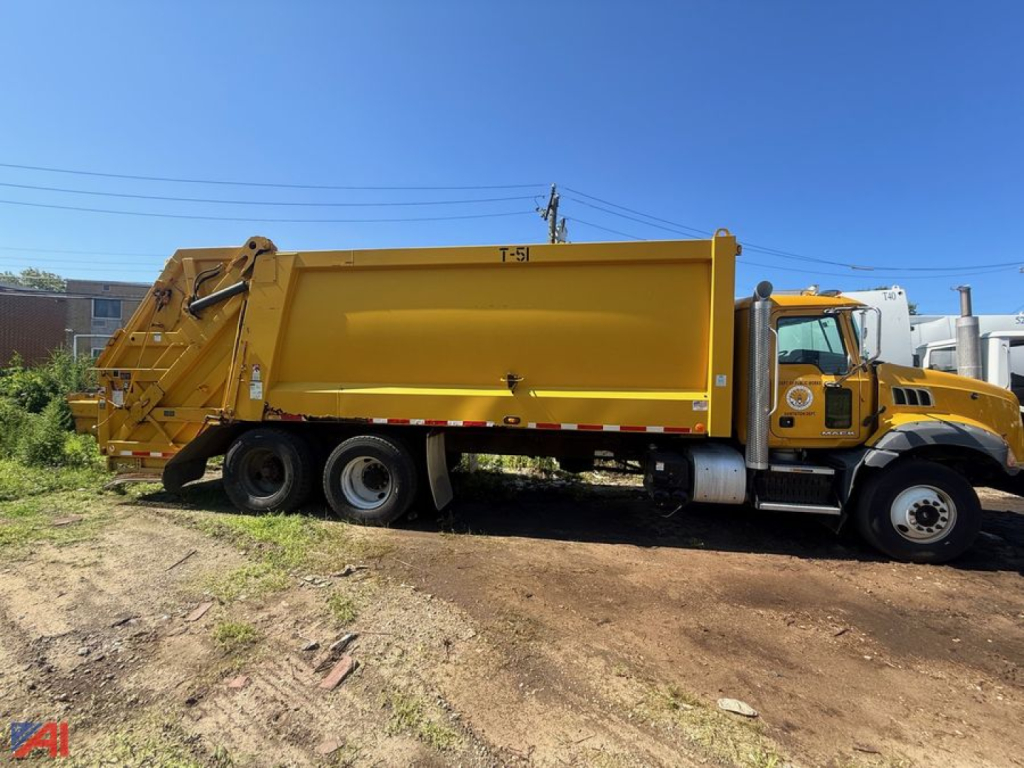
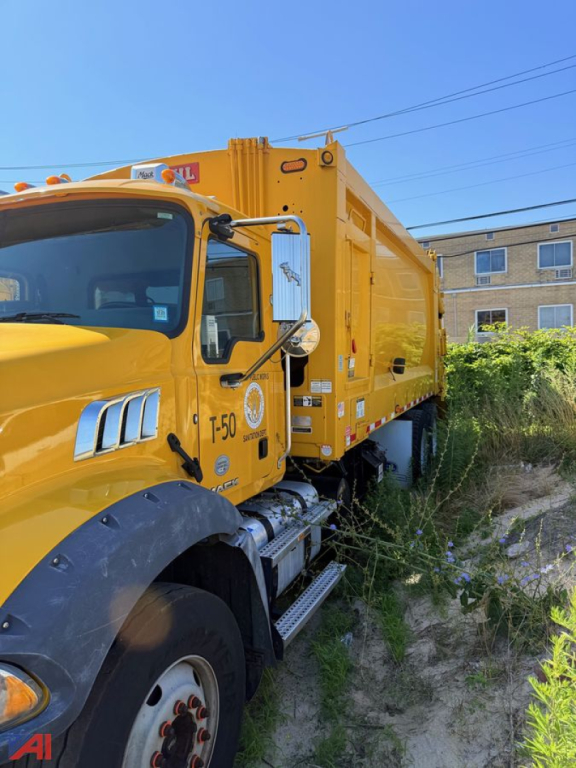
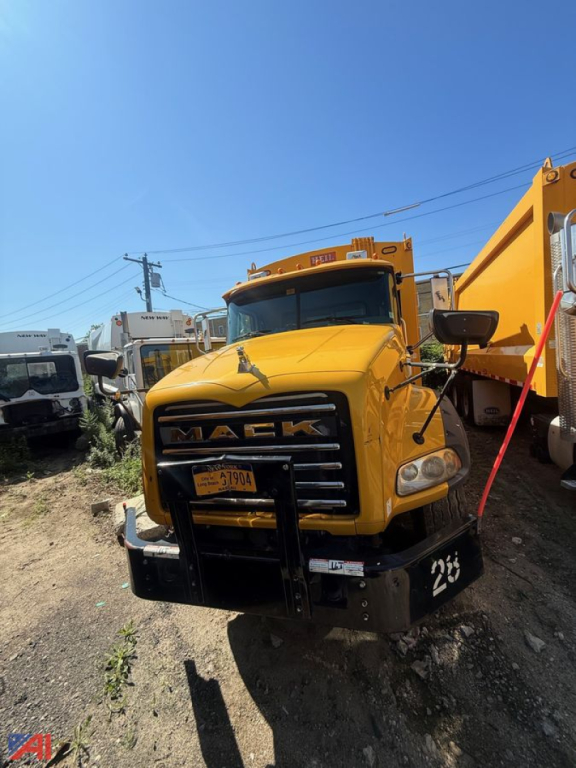
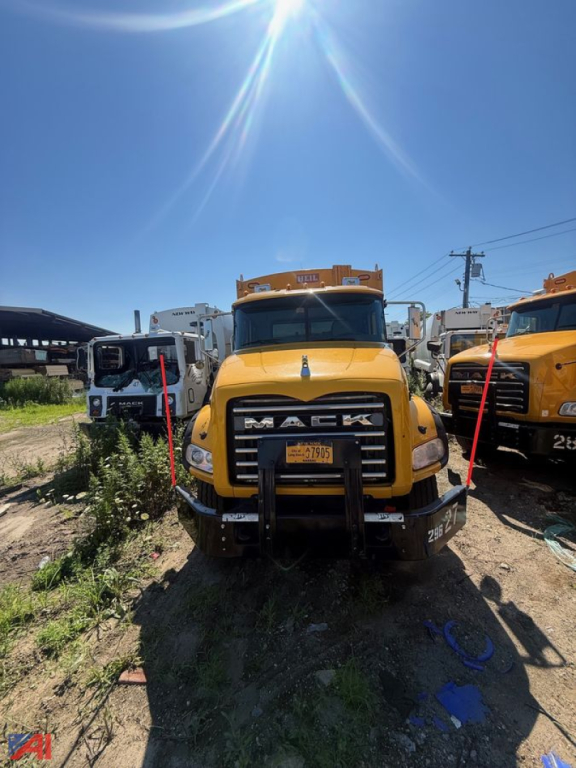
Have 2014 mack garbage truck to sell? List it here to reach thousands of buyers.
2014 Mack Garbage Trucks in New York
On many 2014 Mack refuse applications, the chassis is designed around heavy front axle ratings, durable rear suspensions, and automatic transmissions that can handle constant starts, reverses, and compaction work. Mack MP-series diesel engines and Allison automatics are common in this class, especially on trucks expected to run dense residential or commercial routes. Key checks include PTO engagement quality, packer cycle speed, hydraulic leaks, body floor wear, hopper condition, tailgate seal integrity, and signs of cracking around body mounts or frame reinforcement points. Refuse trucks often accumulate engine hours faster than miles suggest, so idle time and total operating hours matter as much as odometer readings.
For New York buyers, route density, corrosion exposure, and municipal maintenance history can be more important than model year alone. Trucks that have spent years in coastal or snow-belt service should be inspected closely for rust on the frame, crossmembers, hydraulic lines, electrical connectors, cab steps, and body structure. It is also smart to verify axle capacities, wheelbase, bridge compliance, and overall length if the truck will run in tighter urban environments. A 25-yard rear load setup is common in this segment, but legal payload depends on body weight, axle spread, and local transfer station or landfill operating limits.
A used 2014 Mack garbage truck can still be a strong vocational asset if the refuse body, hydraulics, and chassis have been maintained as a system. Buyers comparing units should pay attention to the body manufacturer, compaction ratio, eject system operation, cart tipper setup, camera systems, and cab condition, along with engine and transmission service records. In this category, the best value usually comes from a truck with a documented sanitation fleet history, predictable wear points, and a configuration that matches the route instead of forcing the route to match the truck.
Frequently Asked Questions about 2014 Mack Garbage Trucks in New York
What should I inspect first on a used 2014 Mack garbage truck?
Start with the refuse body and hydraulic system, because those components usually determine near-term repair cost. Check packer operation, hopper wear, floor condition, tailgate seals, hydraulic cylinders, hoses, PTO function, and any structural cracking around mounts or stress points. After that, review engine hours, transmission behavior, axle ratings, suspension wear, and signs of rust or corrosion on the frame and body.
Are 2014 Mack garbage trucks good for municipal refuse work?
Yes, many 2014 Mack refuse trucks were built specifically for severe stop-and-go duty and repeated compaction cycles. Mack vocational chassis are commonly paired with heavy axles, durable suspensions, and automatic transmissions that suit residential and commercial sanitation routes. The real question is less about the badge and more about whether the body type, maintenance history, and axle configuration match the route you plan to run.
Why do miles matter less on a garbage truck than on other used trucks?
Garbage trucks spend much of their life in low-speed collection work with constant idling, PTO use, and frequent stops, starts, and reverses. That means wear on the engine, transmission, hydraulics, brakes, and suspension can be high even when mileage looks modest. Engine hours, body cycle count if available, and maintenance records often tell a more accurate story than miles alone.
What body types are common on Mack garbage trucks from this era?
Rear loaders are very common and are often used for residential routes, bagged trash, and manual or semi-automated collection. Front loaders are more common in commercial dumpster service, where reach and lift capacity matter. Automated side loaders are used on cart-based residential systems and depend heavily on route layout, arm condition, and control system reliability.
What matters most for buyers in New York?
Corrosion exposure, municipal service history, and dimensional fit for dense urban routes are major factors in New York. Snow, salt, and coastal conditions can accelerate rust on frames, body panels, hydraulic lines, and electrical systems. Buyers should also confirm axle spread, turning radius, overall height, and legal weight suitability for local streets, transfer stations, and disposal sites.