
2014 Mack Garbage Trucks For Sale
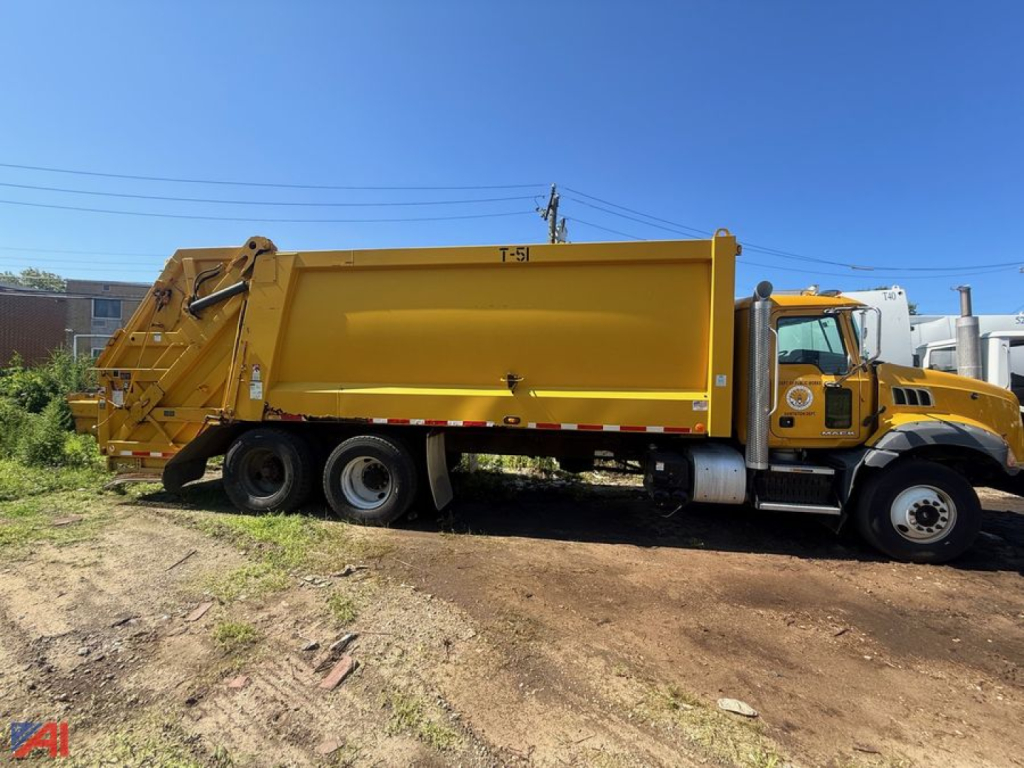
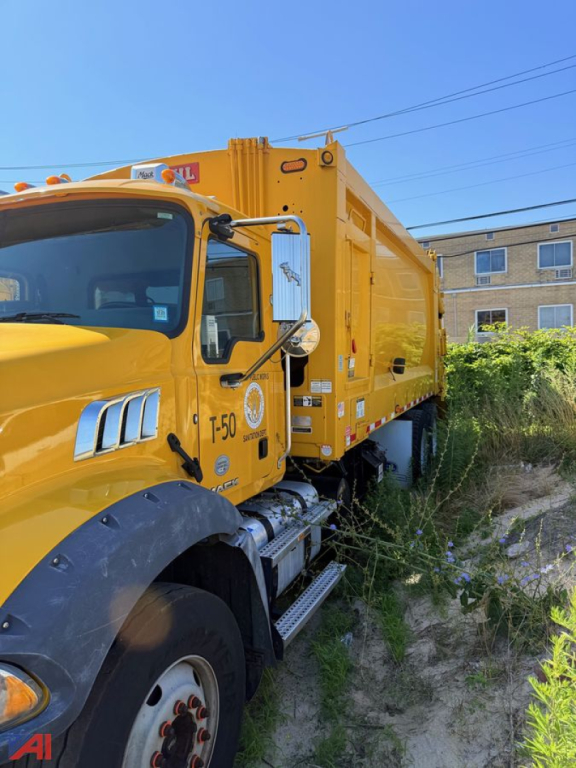
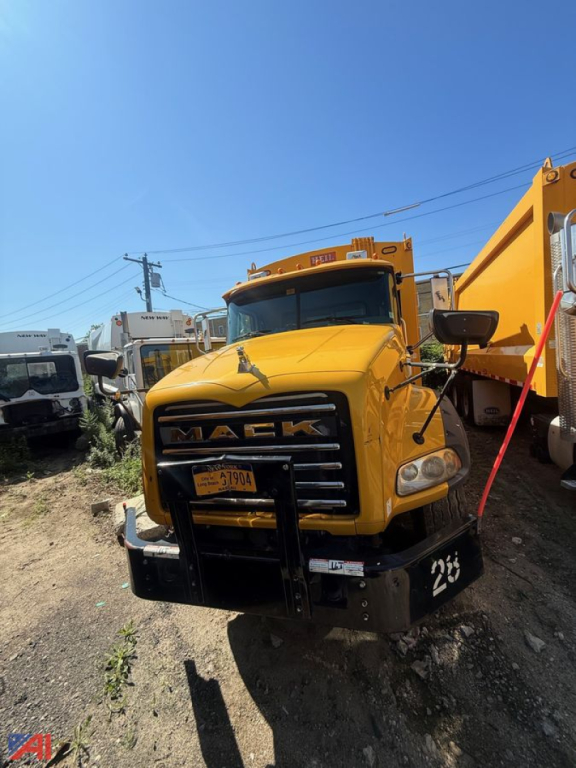
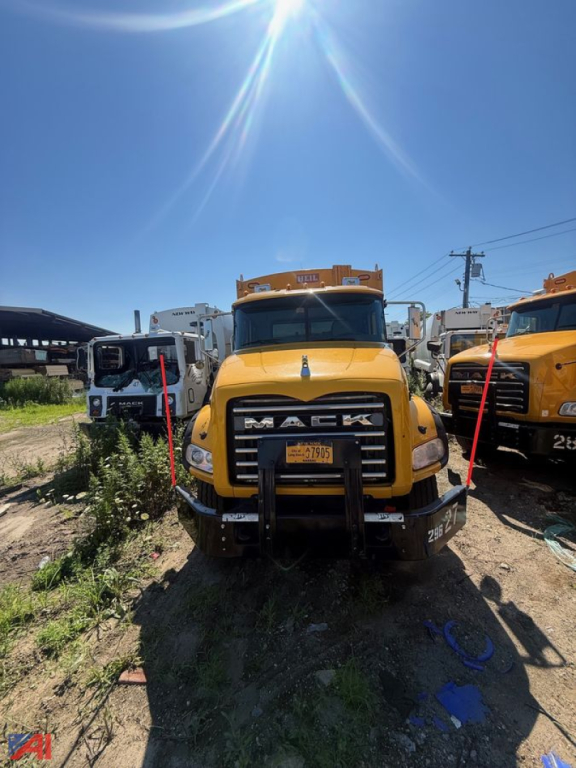
Have 2014 mack garbage truck to sell? List it here to reach thousands of buyers.
2014 Mack Garbage Trucks
On a 2014 Mack refuse truck, common buying checkpoints include axle ratings, wheelbase, transmission spec, PTO compatibility, and the condition of the packer body. Rear loaders remain a common choice for manual residential and small commercial routes, while front loaders are better suited to commercial dumpsters and heavier daily payloads. Automated side loaders are often favored for municipal cart service because they reduce labor needs and keep the operator in the cab. Mack refuse chassis from this era are frequently equipped with heavy front axles, high-capacity rears, and automatic transmissions suited for repeated starts, tight turns, and compaction cycles.
The engine and driveline on a 2014 Mack garbage truck should be evaluated with route density in mind. Refuse trucks spend long hours at low speeds with constant braking, idling, and hydraulic demand, so maintenance history matters as much as miles. Buyers should pay close attention to engine hours, transmission service records, PTO operation, cooling system condition, suspension wear, and evidence of frame stress around body mounts. If the truck is diesel-powered, emissions system condition is a major inspection point on a 2014 unit, especially for fleets trying to control downtime and regeneration-related issues. Front-end wear, steering components, cab entry steps, and hopper or packer floor condition also deserve a close look because these areas take daily abuse in refuse service.
Mack garbage trucks are well regarded in refuse applications for rugged chassis design and vocational focus. A 2014 unit can still be a practical option for municipal backup service, private waste fleets, scrap and recycling operations, or specialty hauling if the body and hydraulics are sound. The best value usually comes from matching the truck’s body type, legal axle capacity, and route history to the work you need it to do now. For refuse buyers, the right truck is not just a chassis with a compactor body attached. It is a complete route tool where turning radius, cab layout, packer condition, and payload capacity all affect productivity.
Frequently Asked Questions about 2014 Mack Garbage Trucks
What should I inspect first on a 2014 Mack garbage truck?
Start with the refuse body, hydraulic system, and axle ratings before focusing on cosmetics or mileage. On a garbage truck, the packer body, PTO function, cylinders, hopper, floor, and tailgate seals directly affect uptime and repair cost. After that, review engine hours, transmission performance, front suspension wear, steering play, and service records. A low-mile truck can still have significant route wear if it spent years in dense residential service.
Are 2014 Mack garbage trucks better for residential or commercial refuse routes?
That depends on the body style mounted to the chassis. A rear loader is commonly used for residential hand-pickup and smaller commercial stops. A front loader is generally better for commercial dumpster work and heavier container lifts. An automated side loader is usually the preferred setup for municipal cart routes because it improves efficiency and reduces labor. The chassis may be capable of several applications, but the body type determines the truck’s best use.
Why do engine hours matter so much on a refuse truck?
Engine hours are critical because garbage trucks spend much of their life idling, crawling between stops, and powering hydraulics through the PTO. That means wear on the engine, cooling system, and emissions components can be much higher than the odometer suggests. A 2014 Mack garbage truck with moderate miles but high hours may need more attention than a linehaul truck with greater mileage. Hours help show the real duty cycle.
What transmission is common in a 2014 Mack garbage truck?
Automatic transmissions are common in refuse applications because they handle constant starts, stops, and driver fatigue better than manual setups. Many garbage trucks from this era were spec'd with heavy-duty automatics that work well with PTO-driven compaction equipment. When evaluating a 2014 unit, confirm smooth shifting, proper PTO engagement, and service history, since transmission performance is central to route productivity.
Is a 2014 Mack garbage truck still a good fleet purchase?
It can be, especially for backup routes, secondary fleets, municipal service, or operations that need a proven refuse chassis at a lower acquisition cost. The deciding factors are body condition, hydraulic health, emissions system status, and whether the axle and wheelbase specs fit your route. A well-maintained 2014 Mack can still provide solid vocational value, but buyers should inspect it as a complete refuse system rather than judging the truck by age alone.