
2014 Garbage Trucks For Sale in New York
Have 2014 garbage truck to sell? List it here to reach thousands of buyers.
2014 Garbage Trucks in New York
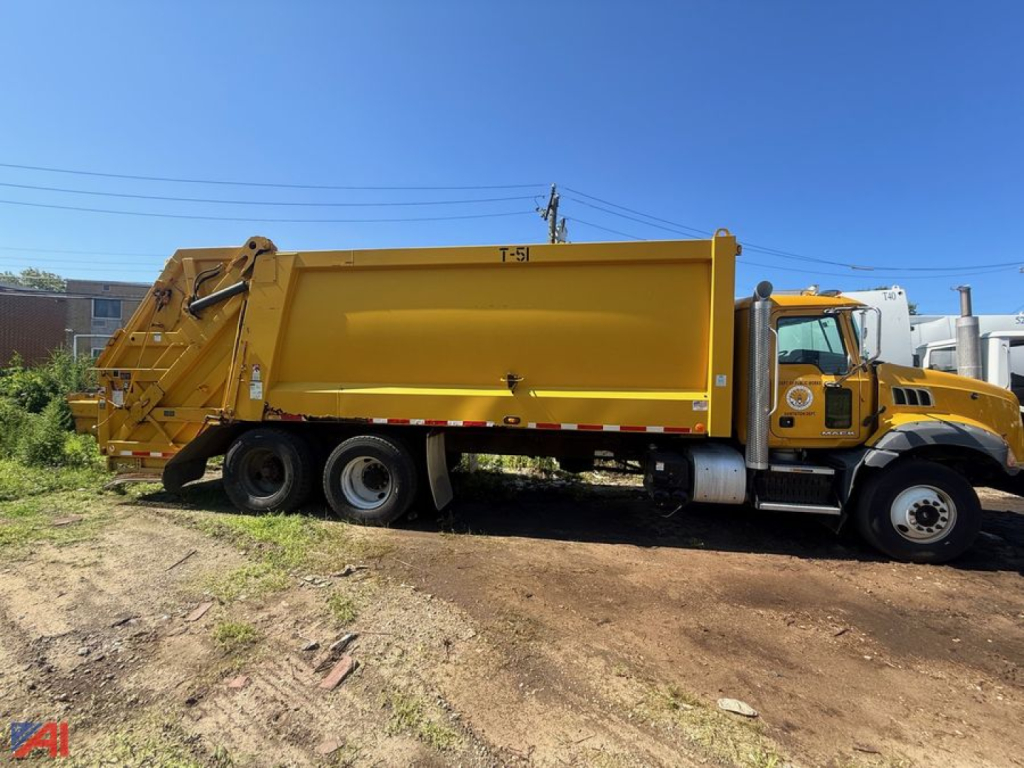
For New York operation, axle ratings, turning radius, corrosion condition, and PTO or hydraulic performance matter as much as engine brand. Refuse trucks in this class are commonly spec'd with diesel engines in the 300 to 405 HP range, Allison automatic transmissions, and heavy front and rear axle capacities to handle stop-and-go payloads. Rear loaders are common for residential and manual collection work, often with packer bodies around 20 to 25 yards. Front loaders are typically selected for commercial dumpster service and need careful review of arm wear, crossmember condition, and front frame stress. Automated side loaders are built for one-person residential routes and should be checked closely for arm function, camera systems, and body control reliability.
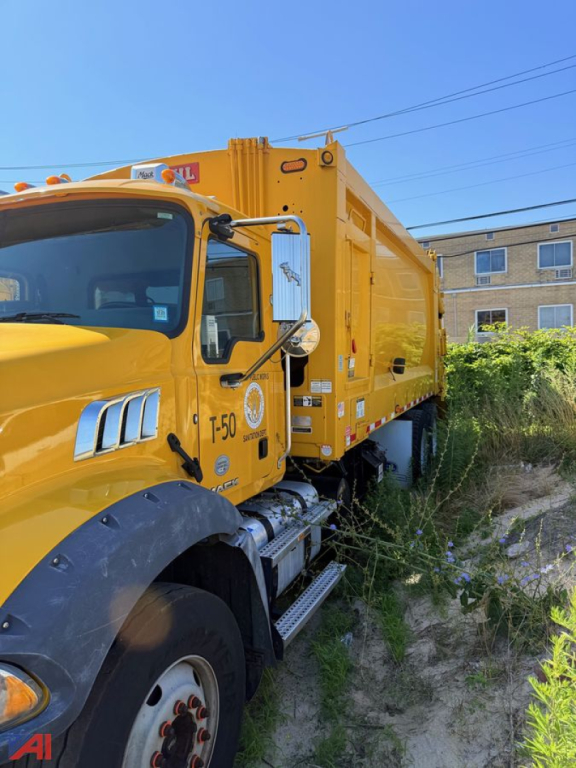
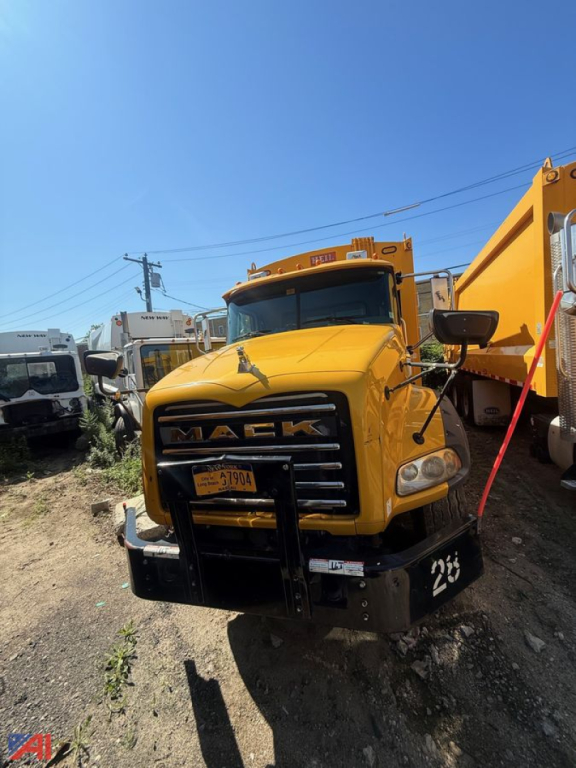
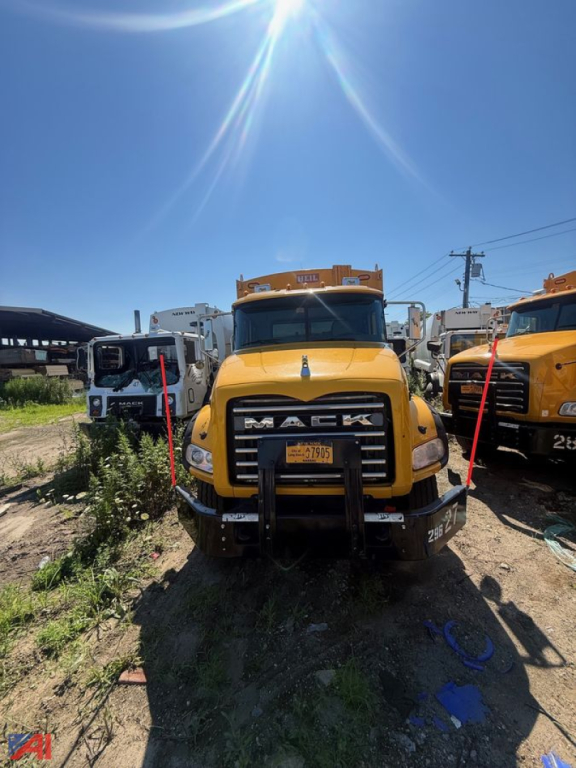
A used 2014 garbage truck should be evaluated as both a truck and a compaction system. Buyers should look at engine hours, idle time, transmission shift quality, regen history, hydraulic leaks, hopper floor wear, ejector condition, packer blade condition, and signs of cracking around body mounts. In a refuse application, mileage alone does not tell the full story. Brake life, suspension condition, steering components, and frame integrity are critical because these trucks spend their lives in dense urban service with constant starts, tight turns, and curb impacts. In New York, rust around the body, cab steps, battery box mounts, and rear tailgate structure deserves extra attention.
Most 2014 garbage trucks are pre-owned units coming out of municipal fleets, sanitation departments, or private waste haulers, so maintenance records can add real value. Buyers comparing listings should verify body manufacturer, cubic-yard capacity, axle configuration, legal GVWR, and whether the truck matches the intended route density and dump cycle. A well-matched 2014 refuse truck can still deliver strong service life if the hydraulics, packer body, and chassis have been maintained as a single system rather than treated as separate assets.
Frequently Asked Questions about 2014 Garbage Trucks in New York
What should I check first on a 2014 garbage truck?
Start with the body type, axle ratings, and hydraulic system condition. A garbage truck has to match the route it will run, so rear load, front load, and automated side load units are not interchangeable for most operations. After confirming the configuration fits the work, focus on engine hours, idle time, transmission operation, PTO engagement, packer function, hopper and tailgate wear, and structural rust on the chassis and body.
Are 2014 garbage trucks good for municipal and private refuse work?
Yes, many 2014 garbage trucks are still viable for municipal collection, transfer work, and private hauling if they were maintained correctly. This model year often sits at a workable balance between purchase price and remaining service life. The key is not the year alone but the condition of the refuse body, hydraulics, frame, suspension, and emissions system, especially on trucks that spent years in heavy stop-and-go service.
What body sizes are common on used garbage trucks from this year?
Common refuse body capacities in this range are often around 20 to 25 yards for rear loaders, though actual size depends on the route and body manufacturer. Front loaders and side loaders may vary widely based on container service, municipality specs, and legal axle loading. Buyers should confirm both the cubic-yard rating and the payload limits the chassis can carry legally in their operating area.
Why does mileage matter less on a garbage truck than on other used trucks?
Garbage trucks accumulate wear through constant starts, stops, compaction cycles, PTO use, and heavy hydraulic operation. A unit with moderate road miles can still have very high engine hours and severe route wear. That is why buyers should compare mileage with idle hours, maintenance history, body condition, suspension wear, brake condition, and evidence of frame or packer fatigue.
What matters most when buying a garbage truck for New York?
For New York use, pay close attention to corrosion, maneuverability, axle specs, and emissions compliance. Urban routes demand strong steering and suspension components, while winter exposure can accelerate rust on the cab, body mounts, tailgate, and understructure. Buyers should also confirm the truck's dimensions, turning capability, and weight ratings fit local streets, transfer stations, and disposal site requirements.