
2014 Garbage Trucks For Sale
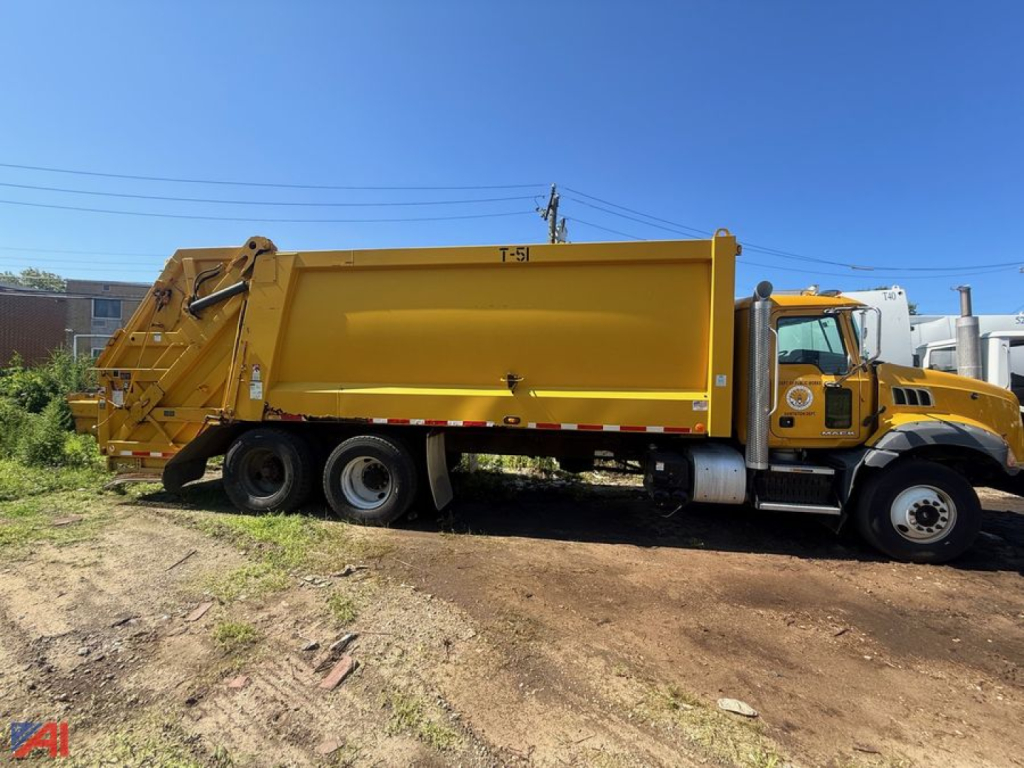
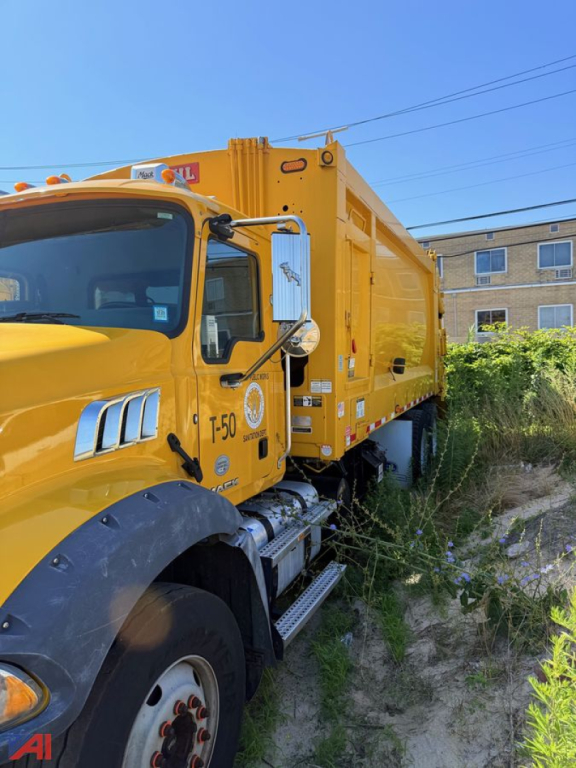
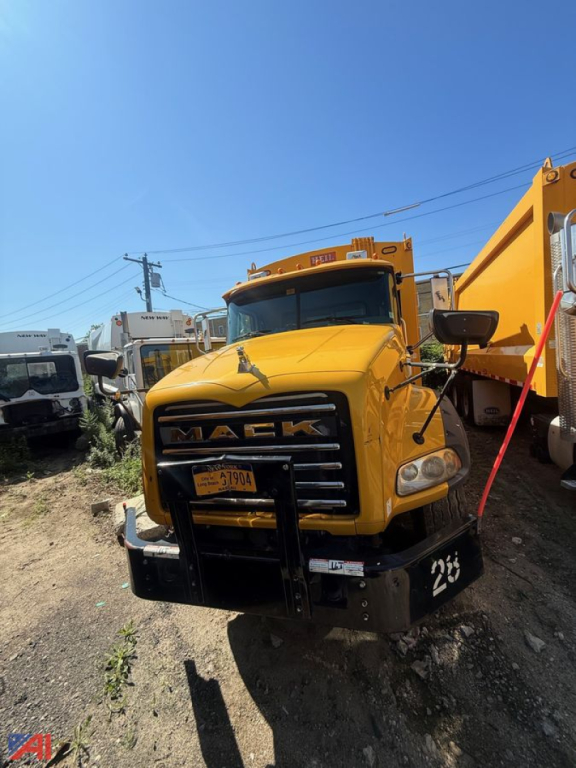
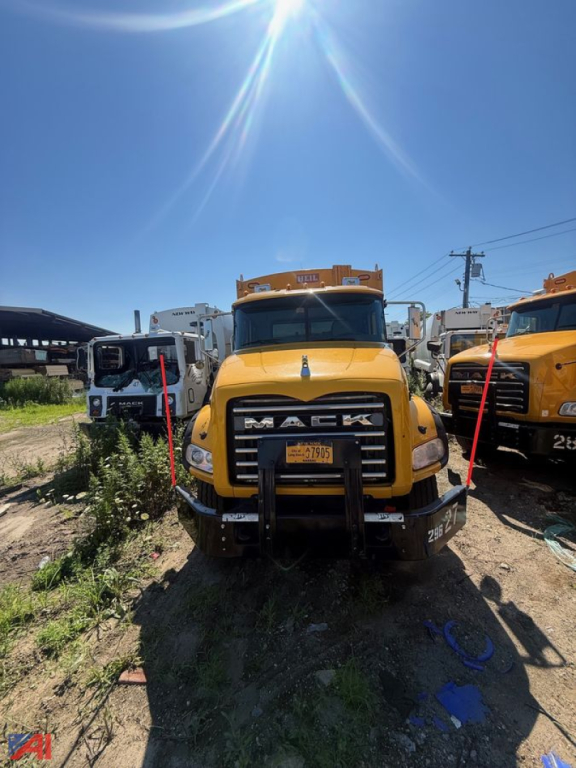

Have 2014 garbage truck to sell? List it here to reach thousands of buyers.
2014 Garbage Trucks
For a 2014 model, the biggest buying decisions usually come down to application and emissions. Residential automated side loaders are built for curbside cart routes and are often spec'd with 28 to 32 yard bodies, one-person operation, and automated arms with reach and lift limits that need to match your cart type and street layout. Rear loaders remain a practical fit for manual collection, rear-alley pickup, and commercial stops that need crew loading flexibility. Front loaders are generally chosen for dumpsters and commercial waste accounts where lift capacity, fork condition, and front frame integrity deserve close inspection. On the chassis side, many 2014 refuse trucks carry diesel engines in the 260 to 380 horsepower range, automatic transmissions such as Allison units, heavy front axles, tandem or single rear axle setups, and aggressive rear ratios designed for stop-and-go work rather than highway speed.
Condition is everything on a used 2014 garbage truck because refuse service is high-cycle, high-load work. Buyers should pay close attention to engine hours, idle hours, transmission service records, hydraulic pump performance, packer cycle times, arm bushings, tailgate seal condition, and floor, sidewall, and hopper wear. Refuse trucks often accumulate relatively low miles compared with over-the-road units, but that does not mean low wear. Frequent stops, PTO use, and body cycling can be harder on components than highway mileage suggests. Rust around the body mounts, crossmembers, tailgate, hopper, and frame rails is especially important in northern markets. If the truck is an automated side loader, inspect grabber operation, camera systems, joystick controls, and any auxiliary steering or dual-steer setup if equipped.
A well-matched 2014 garbage truck can make sense for municipalities, private haulers, recycling fleets, transfer support, and seasonal debris programs. The best value usually comes from matching body type to route density, confirming parts support for both chassis and refuse body, and budgeting for wear items that are common in this class such as hydraulic hoses, cart tippers, lift cylinders, pins, bushings, brakes, and suspension components. If uptime matters, verify local dealer support for the engine, transmission, and body manufacturer before making a final decision. A 2014 refuse truck is less about model year alone and more about body integrity, route fit, and documented maintenance.
Frequently Asked Questions about 2014 Garbage Trucks
What should I inspect first on a 2014 garbage truck?
Start with the refuse body, hydraulic system, and service records before focusing on mileage. Hopper floors, packer panels, tailgate hinges, eject systems, arm components, and hydraulic cylinders usually tell you more about remaining life than odometer readings alone. On the chassis side, review engine hours, idle time, transmission operation, suspension wear, brake condition, and frame corrosion. A refuse truck with moderate miles but strong maintenance documentation is often a better buy than one with lower miles and an unknown body history.
Is a 2014 garbage truck too old for daily route work?
Not necessarily. A 2014 garbage truck can still be suitable for daily service if it has solid body structure, dependable hydraulics, and a documented maintenance program. Age matters less than route history, corrosion exposure, emissions upkeep, and the condition of major wear items. Many fleets keep refuse trucks in service for years beyond this age range when the packer body, PTO system, and chassis have been maintained correctly.
Which body style is best for residential trash collection?
For most modern residential cart routes, an automated side loader is the most efficient choice because it supports one-person collection and fast curbside pickup. Rear loaders are still useful where manual loading, alley service, or mixed waste collection is part of the route. Front loaders are generally better suited to commercial dumpster service rather than residential curbside work. The best body style depends on route density, cart placement, driver staffing, and the type of waste stream being collected.
What engine and transmission setups are common in 2014 garbage trucks?
Many 2014 garbage trucks are equipped with medium-duty or heavy-duty diesel engines from Cummins, Mack, Paccar, or Navistar, often paired with Allison automatic transmissions. Horsepower commonly falls in the mid-200s to upper-300s depending on body type and GVWR. Refuse applications usually favor automatic transmissions, heavy front axles, and low rear axle ratios because the work involves constant stops, starts, PTO operation, and heavy payload movement rather than long highway runs.
Why do garbage trucks often show low miles but still need major repairs?
Refuse trucks accumulate wear differently from linehaul trucks. They spend much of their life in stop-and-go service with repeated body cycles, PTO engagement, hard braking, curb contact, and long idle periods. That means hydraulic components, front suspension parts, steering systems, brakes, and body structure can wear out faster than the mileage suggests. On a used 2014 garbage truck, total operating hours and body cycle condition are often more meaningful than miles alone.