
Used Freightliner Trucks For Sale in Washington
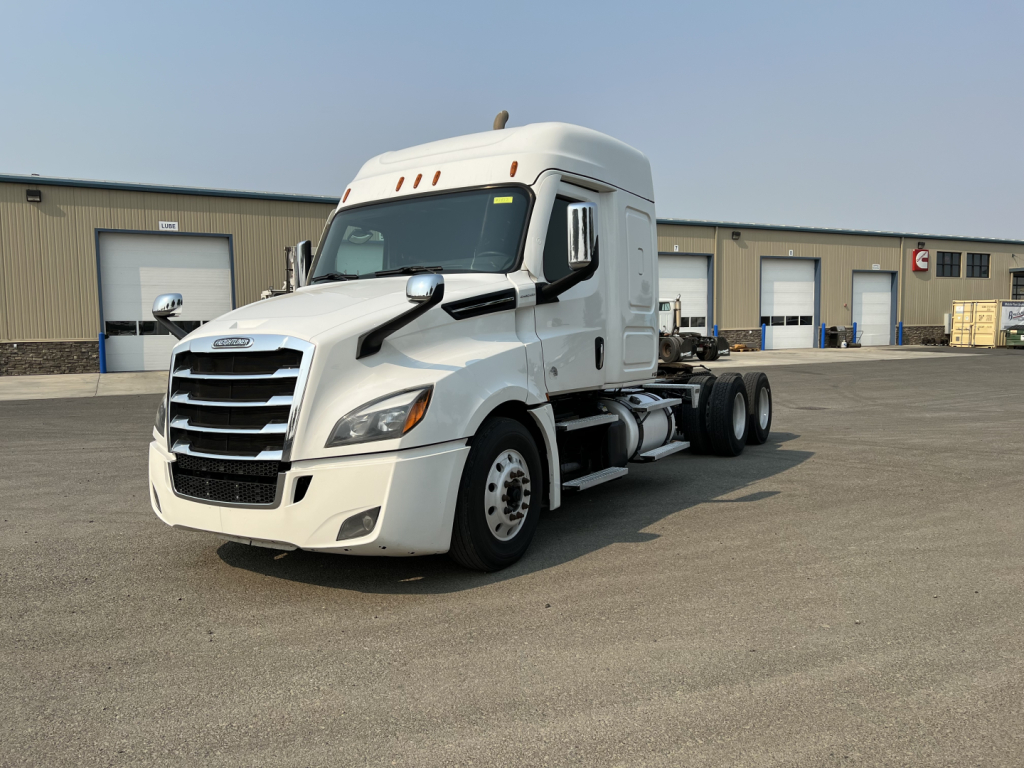
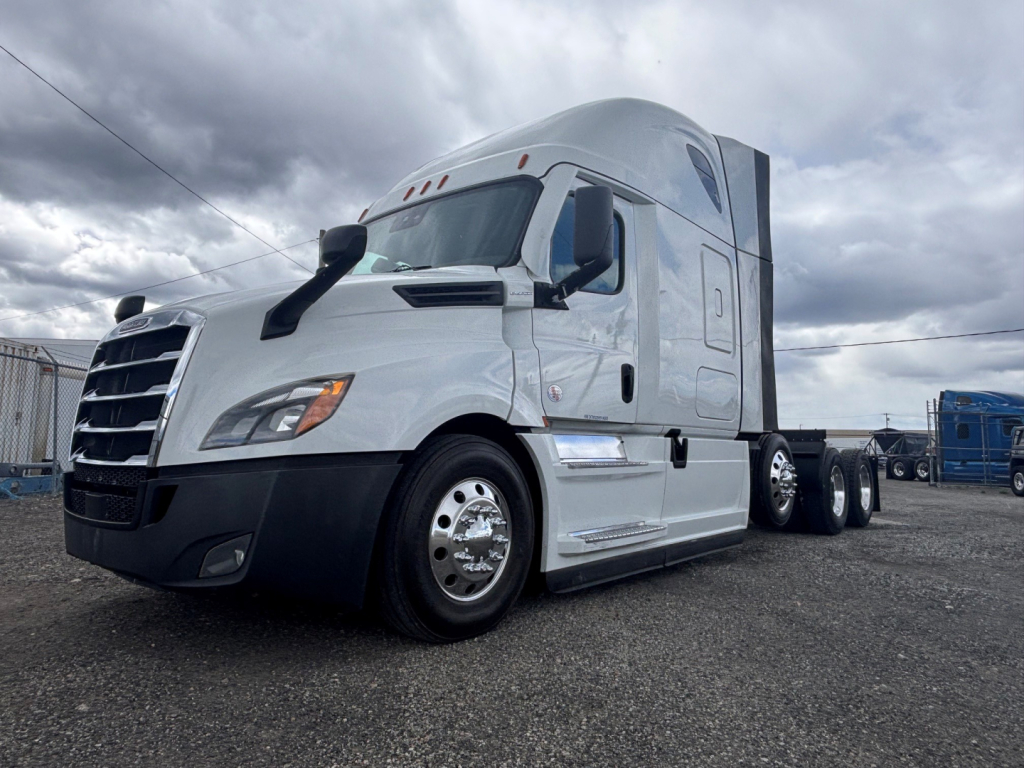
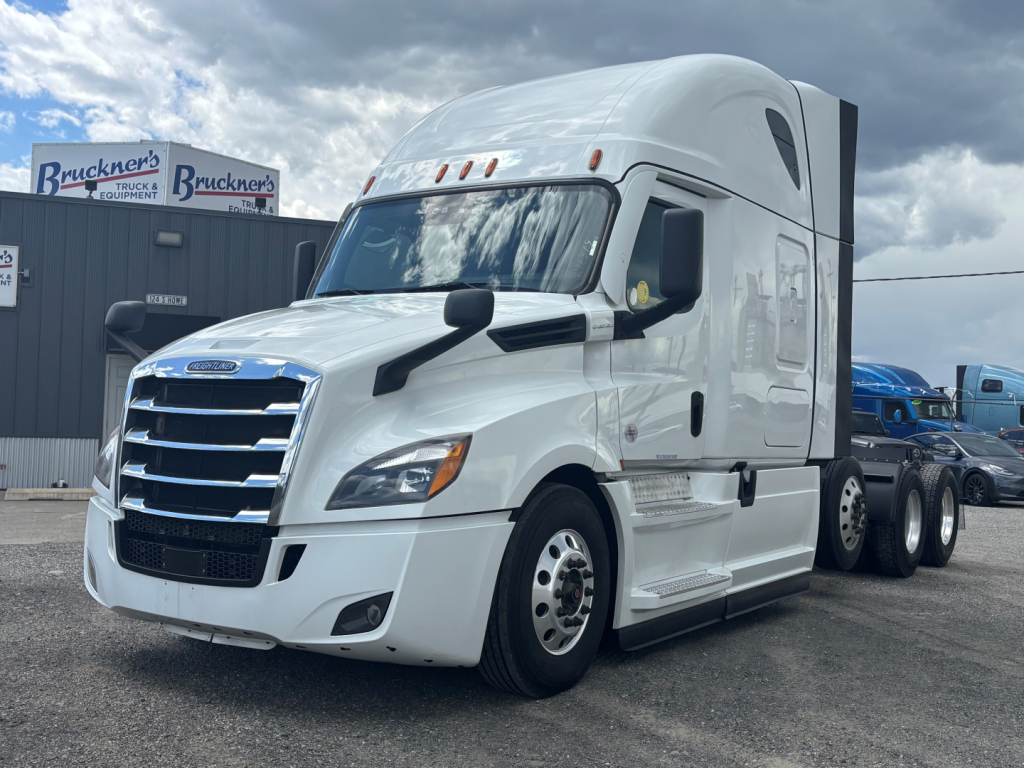
Browse used Freightliner trucks for sale in Washington, including M2, 114SD, and vocational chassis built for regional, municipal, and fleet work.
Selling a used freightliner truck? List your used freightliner truck for sale and reach thousands of commercial buyers.
Used Freightliner Trucks in Washington
For many buyers, the real decision starts with chassis class and engine package. The M2 series is common in medium-duty and vocational work because it balances maneuverability, visibility, and upfit flexibility. The 114SD and other severe-duty Freightliner trucks are better suited to heavier PTO-driven equipment, off-pavement routes, and municipal applications that need stronger front axles, durable frames, and higher GCWR ratings. Depending on year and specification, used Freightliner trucks may be powered by Detroit, Cummins, Mercedes-Benz, or Caterpillar diesel engines, paired with Allison automatic or Eaton manual transmissions. Key specs to compare include wheelbase, axle ratings, suspension type, PTO capability, brake setup, and whether the truck has a factory or aftermarket body installation that matches the intended work.
Washington buyers should pay close attention to application history, especially on former municipal and utility units. A truck with lower mileage can still have significant idle hours if it spent its life running hydraulics, vacuum systems, digger derricks, compressors, or other PTO equipment. Service records matter, but so do engine hours, body condition, rust around mounts and outriggers, electrical condition, and signs of frame modification. On Freightliner vocational chassis, inspect steering and suspension wear, transmission operation under load, and emissions components if the truck is newer and still subject to modern aftertreatment systems. In western Washington, moisture exposure can affect wiring, connectors, and corrosion points, while eastern Washington use may bring more dust, seasonal temperature swings, and municipal wear from year-round duty cycles.
Freightliner remains a practical used-truck choice because the platform is widely understood by fleet managers, owner-operators, and independent shops. Cab ergonomics, parts availability, and model familiarity help reduce downtime when compared with more niche chassis. Buyers shopping used Freightliner trucks for sale in Washington should match the truck to the body and job first, then verify the spec supports legal payload, axle distribution, and local operating conditions. A well-matched Freightliner can serve effectively in construction, utility, refuse, municipal maintenance, regional delivery, and specialized upfit work for years after its first service life.
Frequently Asked Questions about Used Freightliner Trucks in Washington
What are the most common used Freightliner truck models in Washington?
The most common used Freightliner trucks in Washington usually include the M2 106 for medium-duty vocational and delivery work, the 108SD and 114SD for severe-duty applications, and the Cascadia for highway use. The M2 platform is especially common in municipal, utility, and contractor fleets because it accepts a wide range of bodies and equipment. Model availability depends on local fleet turnover, but Freightliner generally has strong representation across both vocational and road-going segments.
Is a used Freightliner M2 a good choice for vocational work?
A used Freightliner M2 is often a solid vocational choice when the truck’s axle ratings, wheelbase, and PTO setup match the application. It is widely used for service bodies, utility trucks, box trucks, hooklifts, flatbeds, and other medium-duty jobs because it offers good visibility and relatively easy service access. Buyers should still verify frame condition, body installation quality, transmission type, and engine hours, especially if the truck spent years in stop-and-go or PTO-heavy service.
What should I inspect on a used Freightliner vocational truck?
Start with the chassis fundamentals: frame rails, suspension, steering components, brakes, tires, driveline, and axle ratings. Then inspect the powertrain for cold-start behavior, fluid leaks, fault codes, transmission shift quality, and aftertreatment condition on emissions-era engines. On vocational Freightliner trucks, it is also important to evaluate PTO operation, hydraulic systems, wiring integrity, outrigger mounts if equipped, and signs of hard municipal or contractor use that may not show up in mileage alone.
Are used Freightliner trucks expensive to maintain?
Maintenance cost depends heavily on engine family, emissions complexity, and the truck’s prior duty cycle, but Freightliner is generally considered manageable to maintain because parts availability is strong and most shops are familiar with the platform. Common fleet models benefit from broad aftermarket support and widespread service knowledge. A properly spec'd truck with documented maintenance is usually a better value than a cheaper unit with unknown engine hours, poor upfit integration, or neglected repairs.
Why do Washington buyers shop used Freightliner trucks for municipal and contractor fleets?
Washington buyers often look at used Freightliner trucks because the brand covers a wide range of applications and has a strong presence in utility, municipal, and contractor service. That matters when sourcing replacement parts, assigning trucks across different jobs, or keeping technicians productive with familiar equipment. Freightliner chassis are commonly available with the axle capacities, cab layouts, and PTO-ready configurations needed for vacuum trucks, digger derricks, dump bodies, service trucks, and other vocational setups.