
Used 2022 Freightliner Trucks For Sale
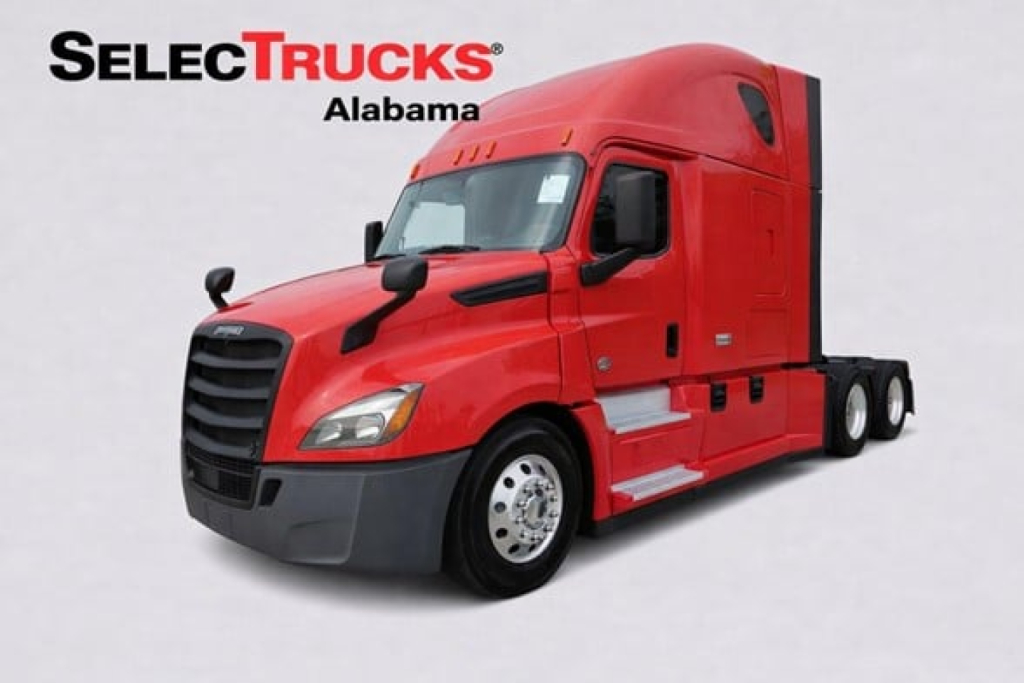
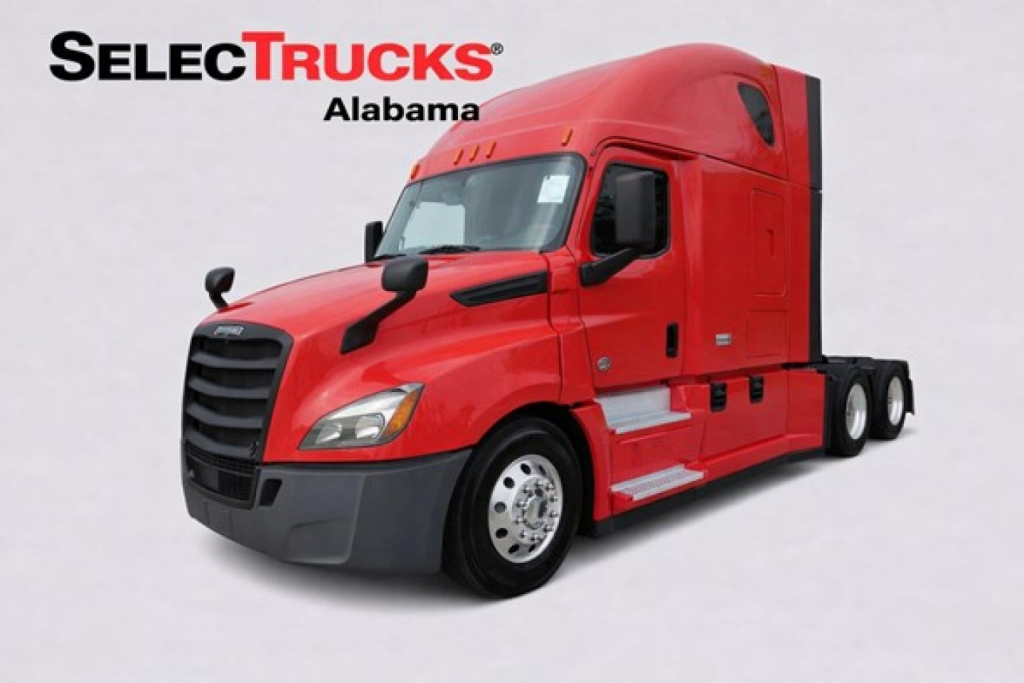
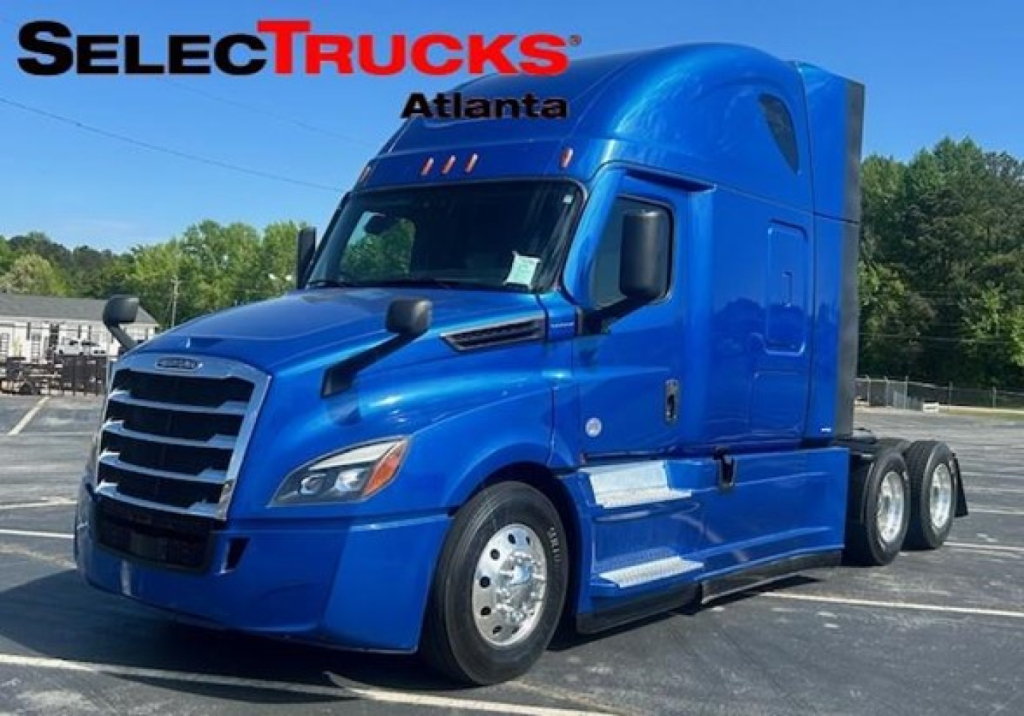
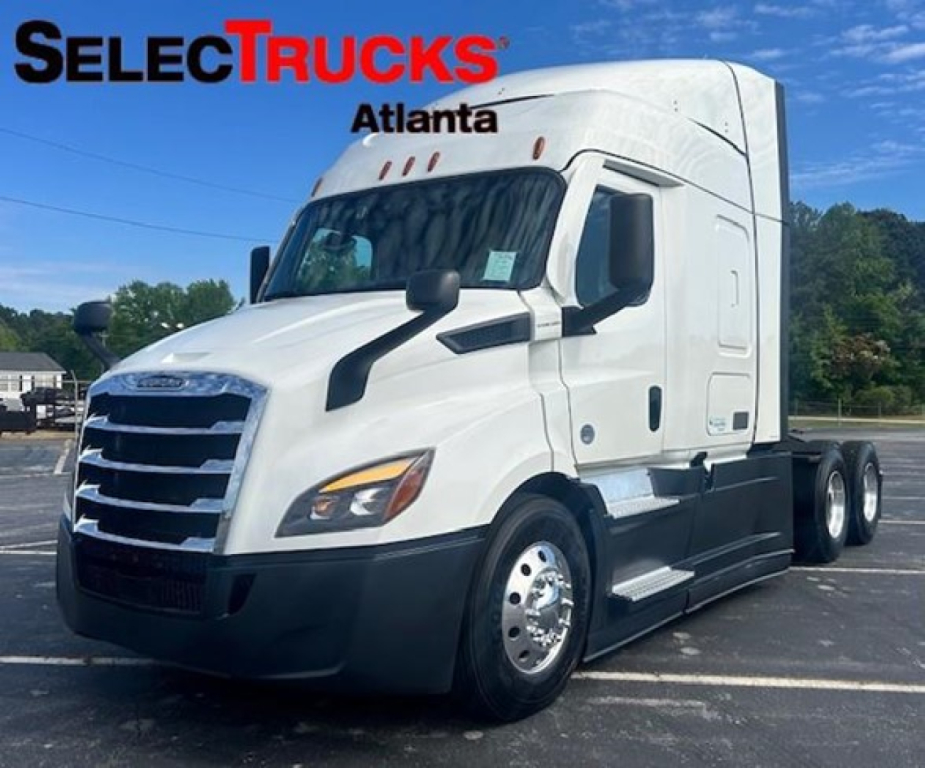
Used 2022 Freightliner trucks, including Cascadia and M2, with efficient Detroit powertrains, ADAS, durable frames, and low tare for more payload now
Learn moreTop Categories
By State
58 Listings
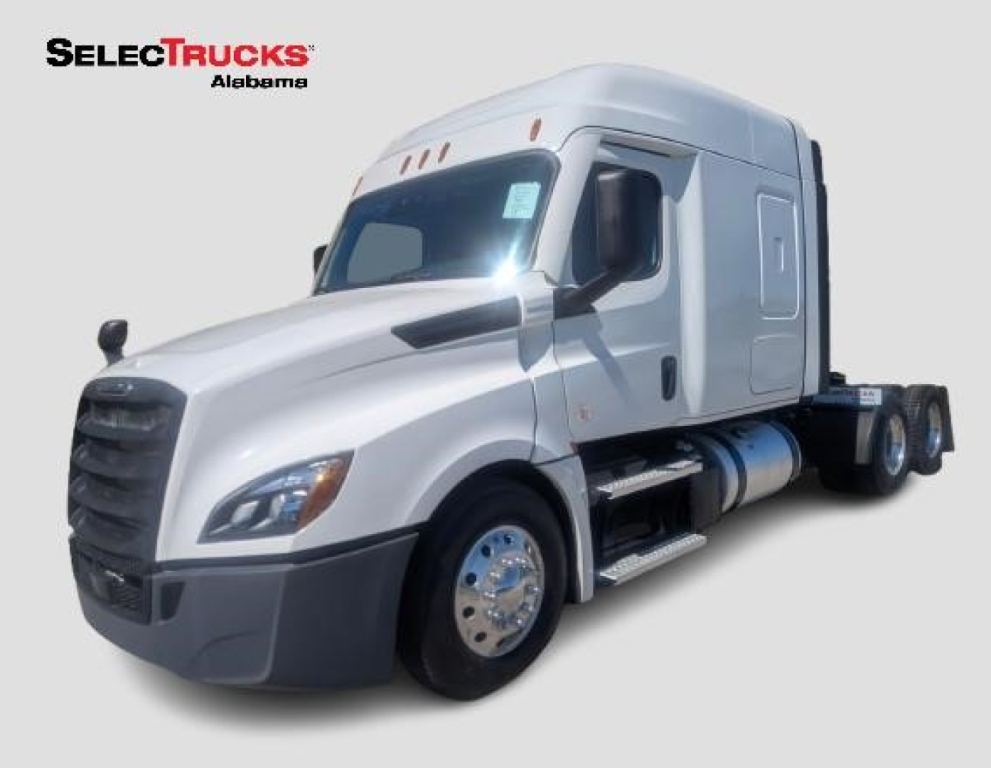
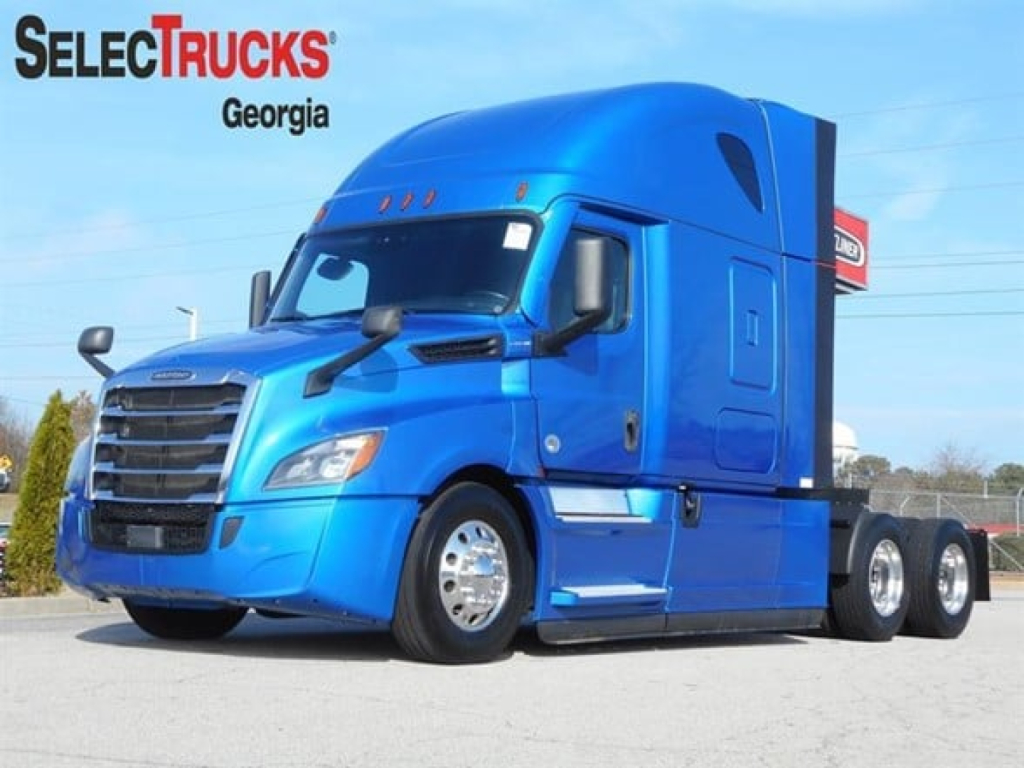
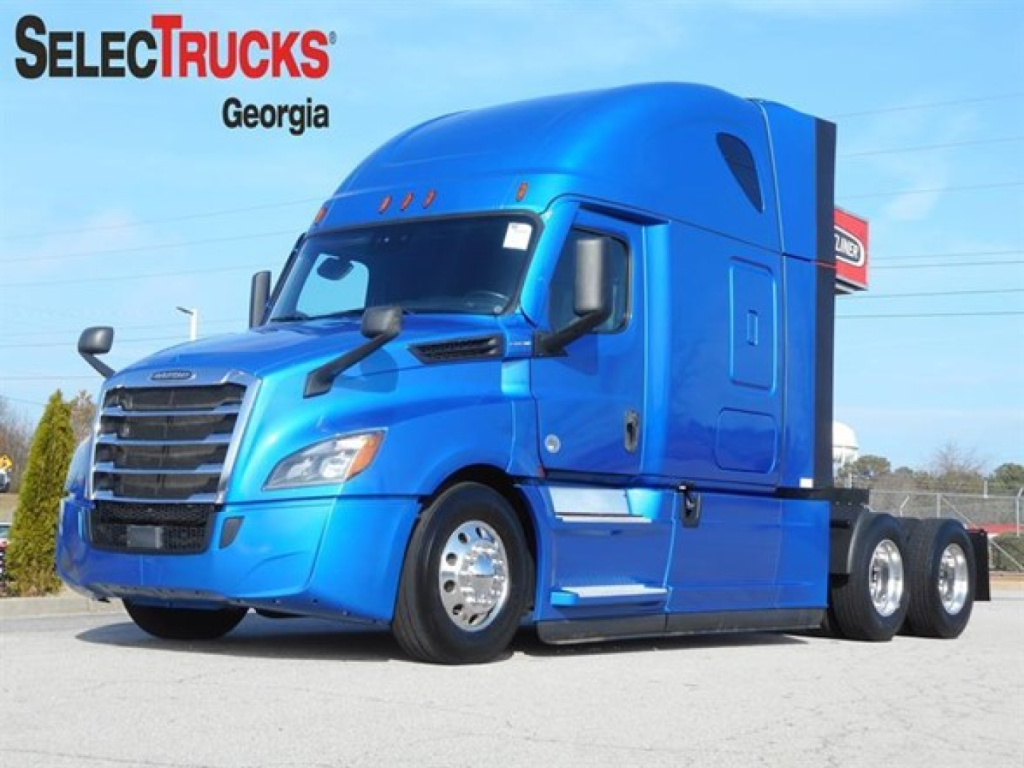
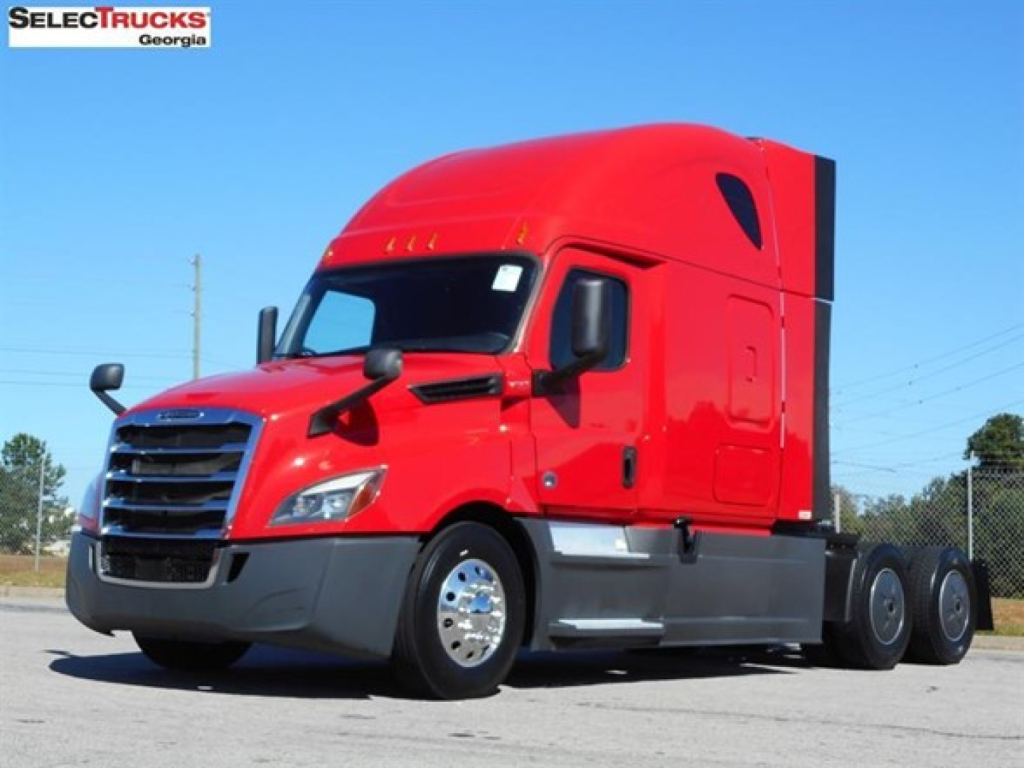
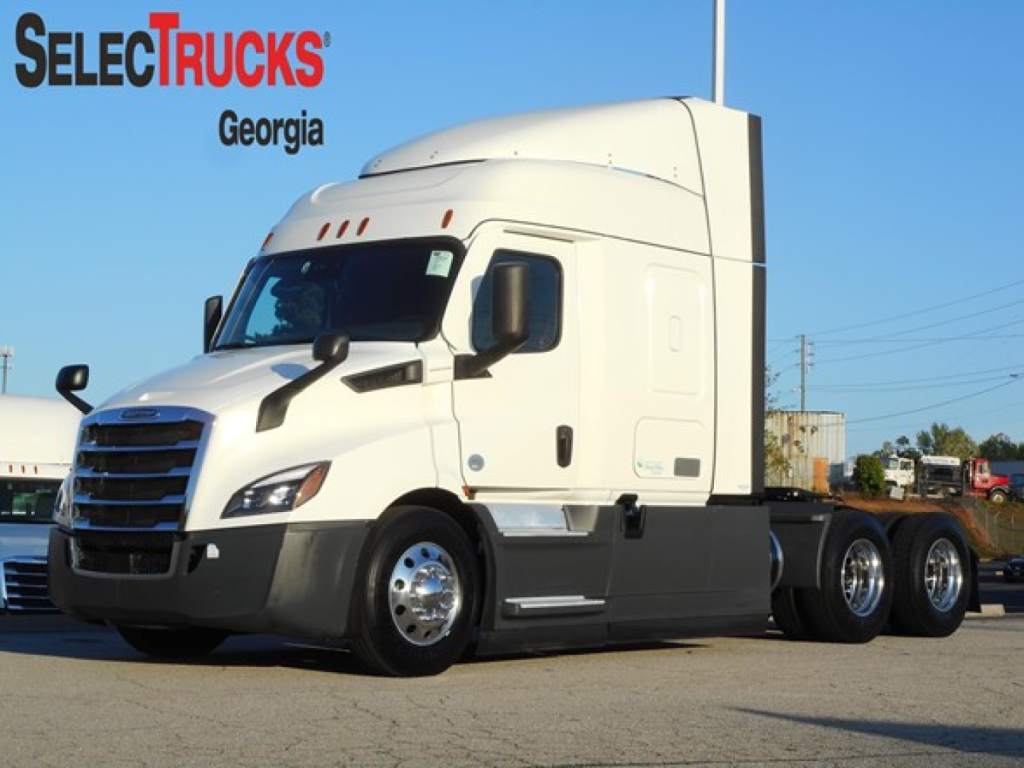
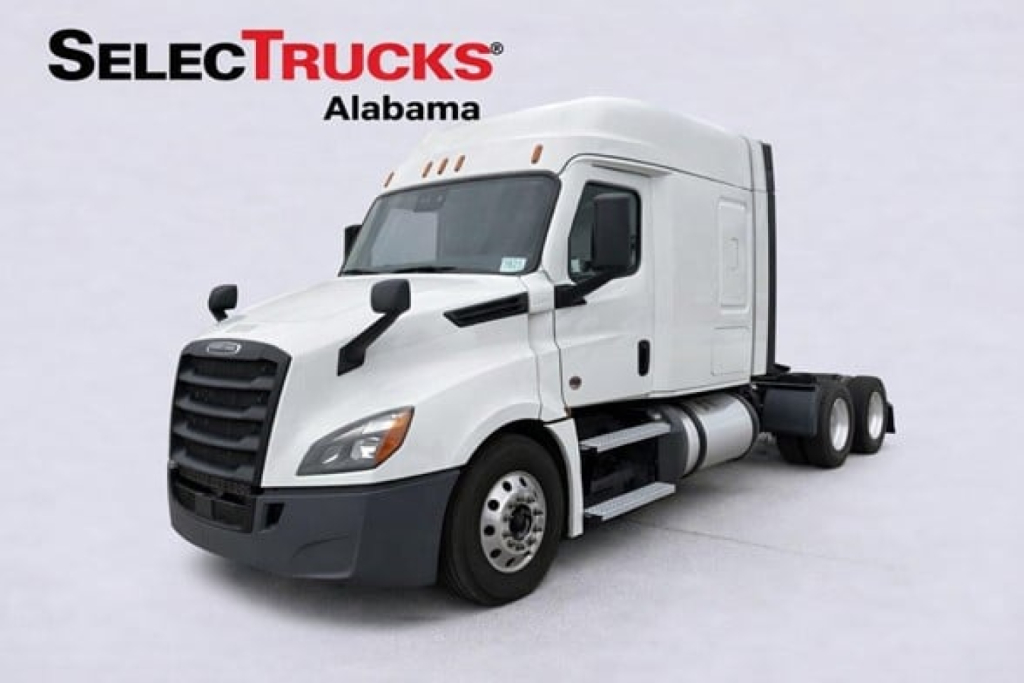
Showing 37 to 48 of 58 results
Have used 2022 freightliner truck to sell? List it here to reach thousands of buyers.
About Used 2022 Freightliner Trucks
Used 2022 Freightliner trucks sit in a sweet spot for fleets seeking late-model reliability with current tech. Most units pair Detroit DD13 or DD15 Gen 5 engines with the DT12 automated manual for strong fuel economy, smooth shifting, and predictive cruise capability, while medium duty M2 106 and 114SD models often run Cummins or Detroit engines with Allison automatics for PTO friendly vocational work. Expect Detroit Assurance safety features on many Cascadia day cabs and sleepers, including collision mitigation, adaptive cruise, and lane departure warning. Axle ratios in the 2.28 to 2.85 range support downsped cruising, and 6x4 or 6x2 configurations balance traction with tare weight depending on duty cycle.
Spec choices in this model year do a lot to control tare weight and preserve payload. Aluminum cabs, composite aero fairings, aluminum wheels, wide base singles, and lighter fifth wheels can remove hundreds of pounds, which makes a difference on weight sensitive lanes. Frame rail section modulus and RBM ratings on Cascadia and SD chassis handle high GCW and body upfits without flex, and slider fifth wheels with adequate travel simplify axle load balancing. On medium duty trucks, verify wheelbase and cab to axle for body compatibility, then match spring or air ride suspensions to your freight profile and ride expectations.
For straight trucks with dry van or reefer bodies, focus on floor strength and thermal integrity. Laminated hardwood or aluminum plank floors with 12k to 16k forklift load ratings resist point loading, scuff liners and logistics posts protect walls, and threshold plates reduce rear edge damage. Reefer boxes with high density foam insulation, tight door gasket seals, and thermal breaks maintain temperature setpoints and reduce engine hour burn on the unit. On highway sleepers, cab insulation quality, door seal condition, and the presence of battery HVAC or Optimized Idle improve thermal retention in extreme climates, which cuts idle time and fuel use.
Corrosion resistance matters on 2022 Freightliner trucks that have run in the salt belt. Look for e coated or powder coated frame rails, galvanized or stainless hardware, sealed electrical connectors, and aluminum crossmembers that hold up to brine. Inspect aftertreatment components for clean history and timely service, including DEF pump, doser, sensors, and DPF cleaning intervals, since emissions systems were well matured by 2022 but still require disciplined maintenance. Telematics such as Detroit Connect can document fuel burn, idle percentage, and fault history, and over the air updates help keep calibrations current. Verify brake spec, many units carry air disc brakes for better fade resistance, and consider tire pressure monitoring or automatic inflation add ons to protect rolling resistance and tread life. Match axle ratings, GCWR, transmission gearing, and PTO prep to your lane and job so the truck delivers the best blend of uptime, payload, and operating cost.
Spec choices in this model year do a lot to control tare weight and preserve payload. Aluminum cabs, composite aero fairings, aluminum wheels, wide base singles, and lighter fifth wheels can remove hundreds of pounds, which makes a difference on weight sensitive lanes. Frame rail section modulus and RBM ratings on Cascadia and SD chassis handle high GCW and body upfits without flex, and slider fifth wheels with adequate travel simplify axle load balancing. On medium duty trucks, verify wheelbase and cab to axle for body compatibility, then match spring or air ride suspensions to your freight profile and ride expectations.
For straight trucks with dry van or reefer bodies, focus on floor strength and thermal integrity. Laminated hardwood or aluminum plank floors with 12k to 16k forklift load ratings resist point loading, scuff liners and logistics posts protect walls, and threshold plates reduce rear edge damage. Reefer boxes with high density foam insulation, tight door gasket seals, and thermal breaks maintain temperature setpoints and reduce engine hour burn on the unit. On highway sleepers, cab insulation quality, door seal condition, and the presence of battery HVAC or Optimized Idle improve thermal retention in extreme climates, which cuts idle time and fuel use.
Corrosion resistance matters on 2022 Freightliner trucks that have run in the salt belt. Look for e coated or powder coated frame rails, galvanized or stainless hardware, sealed electrical connectors, and aluminum crossmembers that hold up to brine. Inspect aftertreatment components for clean history and timely service, including DEF pump, doser, sensors, and DPF cleaning intervals, since emissions systems were well matured by 2022 but still require disciplined maintenance. Telematics such as Detroit Connect can document fuel burn, idle percentage, and fault history, and over the air updates help keep calibrations current. Verify brake spec, many units carry air disc brakes for better fade resistance, and consider tire pressure monitoring or automatic inflation add ons to protect rolling resistance and tread life. Match axle ratings, GCWR, transmission gearing, and PTO prep to your lane and job so the truck delivers the best blend of uptime, payload, and operating cost.