
Used 2022 Freightliner Conventional Daycab Trucks For Sale
Shop used 2022 Freightliner conventional daycab trucks with DD13 power, DT12 transmissions, air ride suspensions, and fleet-ready specs.
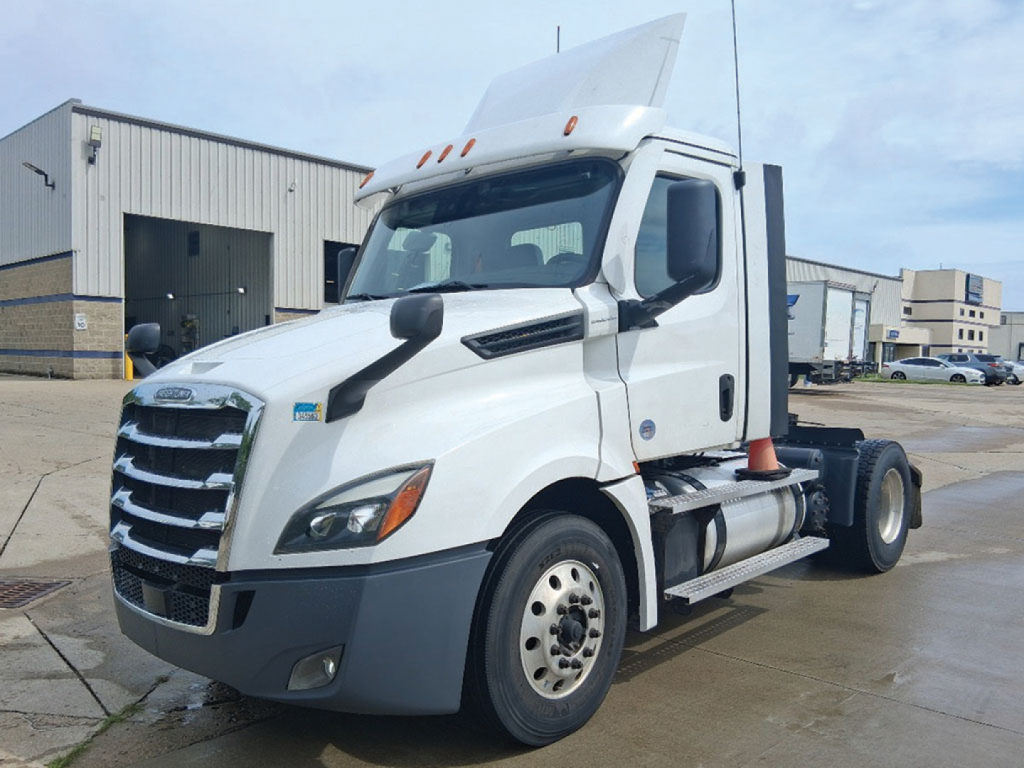
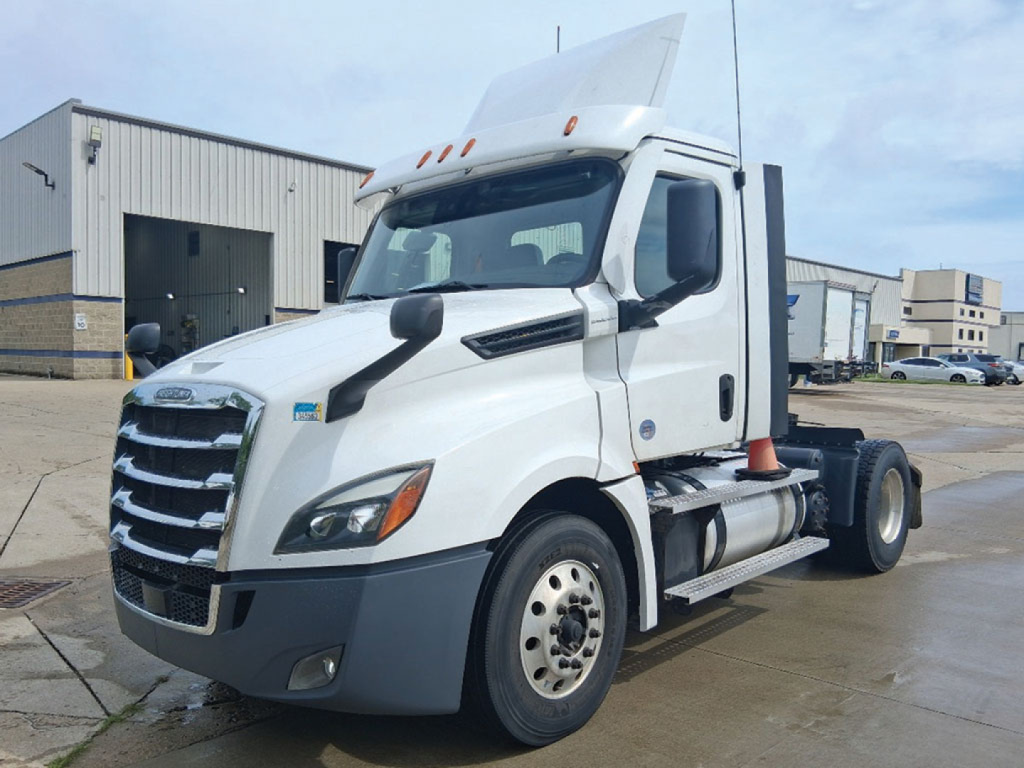
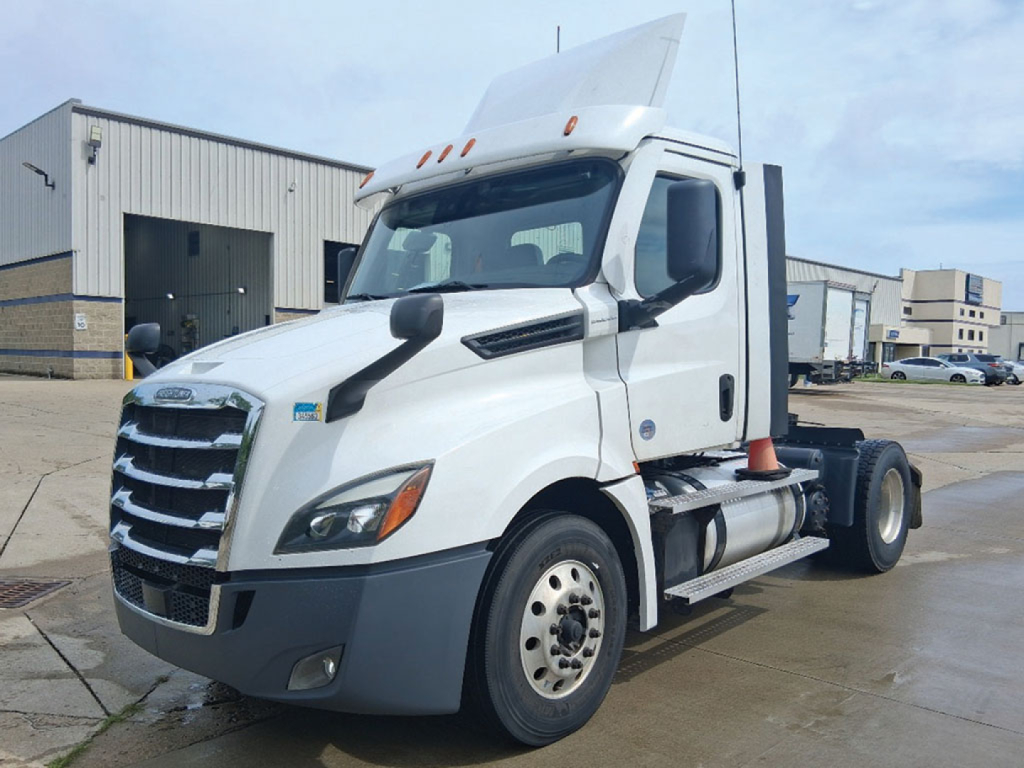
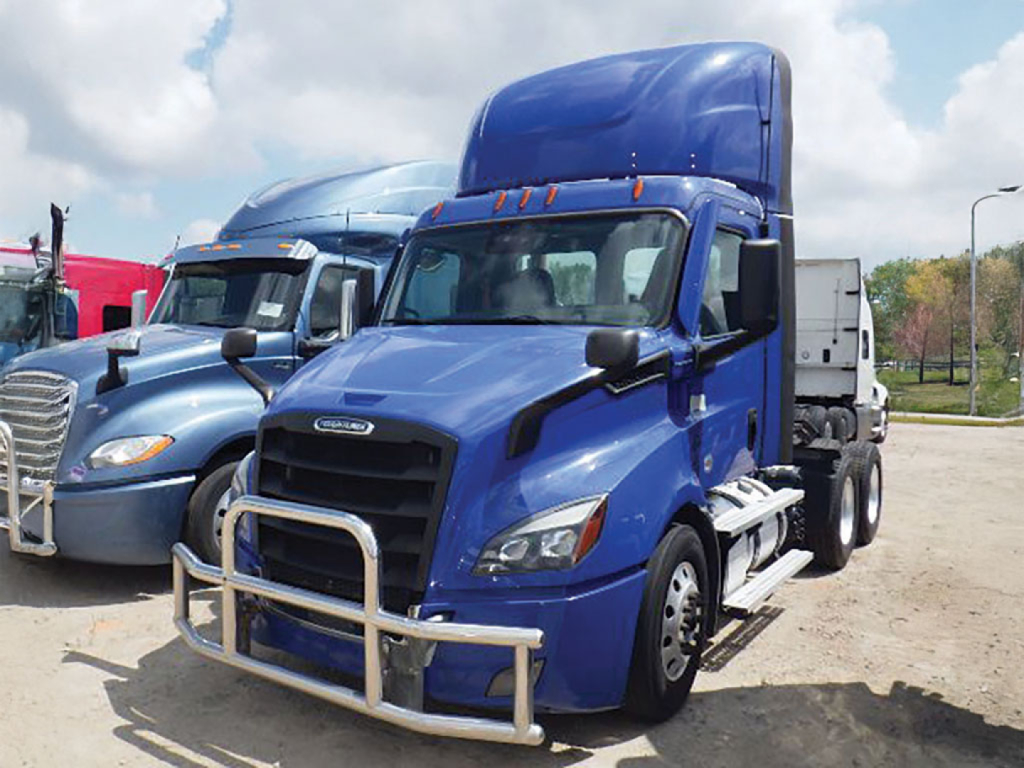
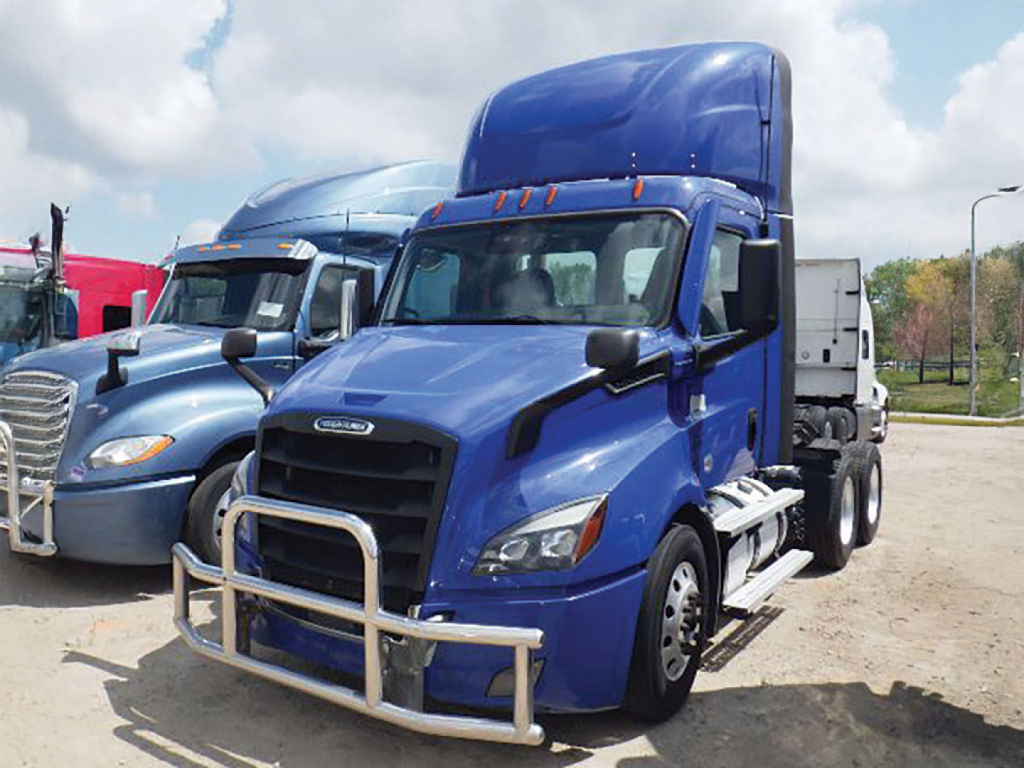
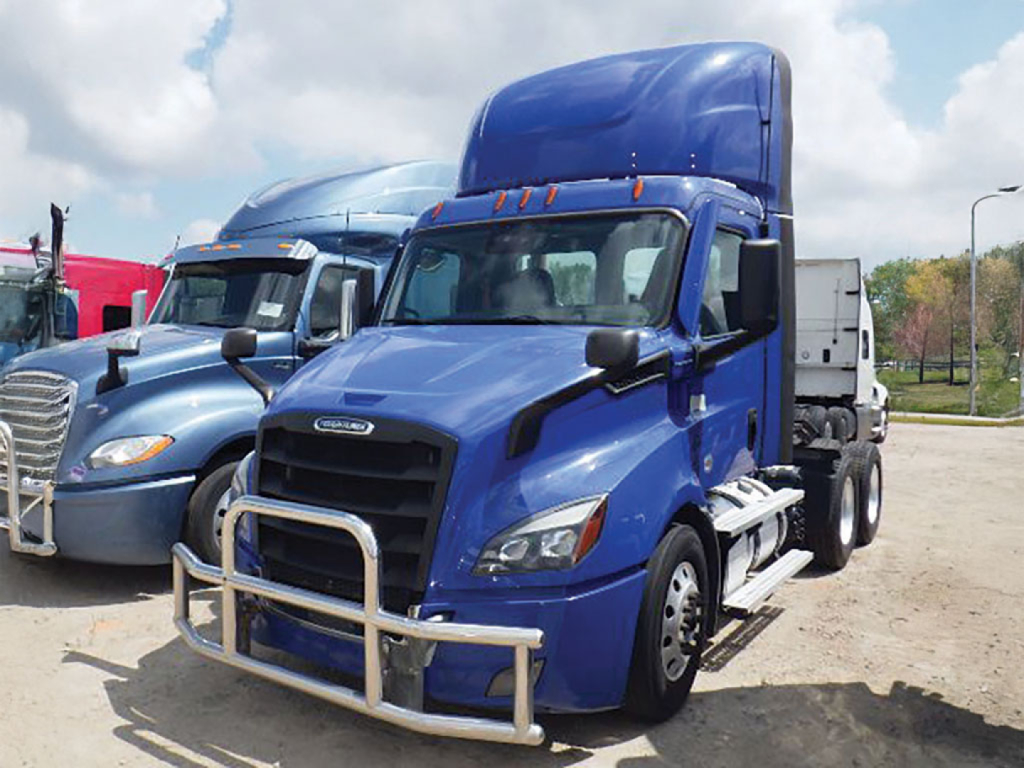
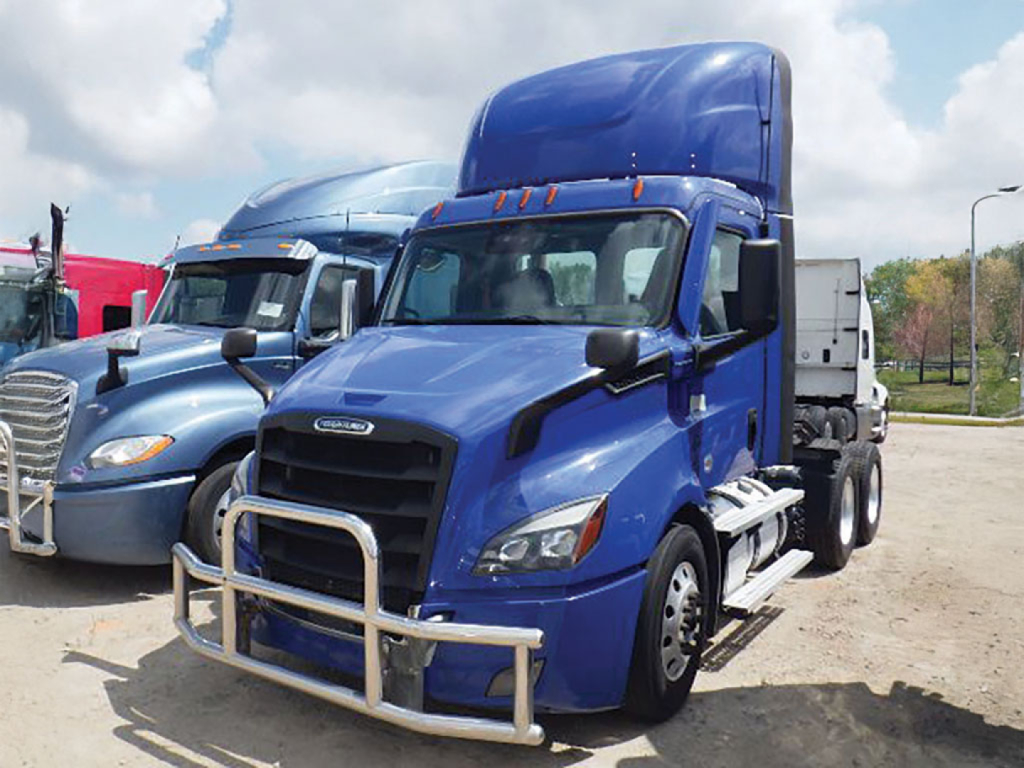

Have used 2022 freightliner conventional daycab truck to sell? List it here to reach thousands of buyers.
Used 2022 Freightliner Conventional Daycab Trucks
The 2022 model year matters because it sits in a mature phase of the newer Cascadia platform, with a strong mix of fuel economy, driver comfort, and safety technology. Buyers often find collision mitigation, cruise control, aerodynamic fairings, and integrated telematics hardware already present on these trucks. Freightliner daycabs from this period are typically spec'd with highway-friendly rear ratios such as 3.08 for efficient regional runs, but actual suitability depends on startability, route terrain, trailer weight, and average speed. A truck pulling van or reefer in the Southeast may be spec'd very differently from one handling heavier loads, city routing, or frequent dock turns in the Northeast.
Condition matters more than badge or model year alone on a used daycab. Check engine hours against odometer miles to understand idle history, especially on ex-fleet units. Review aftertreatment service records, fault code history, clutch and transmission calibrations on DT12 trucks, brake wear, suspension condition, and the state of the fifth wheel and frame rails. On Freightliner tractors, buyers also pay close attention to emissions system maintenance, air leaks, front-end wear, tire pattern consistency, and whether the truck has been operated in high-idle, urban, or heavy stop-and-go service. A clean single-frame truck with documented maintenance can be more valuable than a lower-priced unit with deferred repairs or unknown ECM data.
Freightliner conventional daycab trucks also hold broad appeal because parts support, dealer coverage, and technician familiarity are strong in most markets. That matters for fleets trying to minimize downtime and for owner-operators who need access to service without chasing uncommon components. If the truck will stay on 53-foot dry van or reefer work, focus on wheelbase, fairing package, fuel capacity, and drivetrain efficiency. If it will handle containers, dump transfers, or mixed local work, turning radius, frame layout, PTO compatibility, and suspension spec may be more important than pure fuel economy. The best used 2022 Freightliner daycab is the one whose axle ratings, gearing, and maintenance history match the job from day one.
Frequently Asked Questions about Used 2022 Freightliner Conventional Daycab Trucks
What engine and transmission are common in a used 2022 Freightliner conventional daycab?
Many used 2022 Freightliner conventional daycabs are equipped with a Detroit DD13 diesel engine and a Detroit DT12 automated manual transmission. This combination is popular in regional and fleet service because it balances fuel economy, drivability, and broad service support. Some trucks may have different horsepower ratings, rear axle ratios, or vocational options, so the exact spec should be matched to trailer weight, terrain, and operating speed.
Is a 2022 Freightliner daycab a good fit for regional hauling?
Yes. A 2022 Freightliner daycab is typically well suited for regional hauling, local distribution, dedicated lane work, and port or shuttle applications. The shorter cab reduces weight and usually improves maneuverability compared with a sleeper tractor. Many units are ordered with aerodynamic packages, air ride suspension, and efficient axle ratios, which makes them especially attractive for routes that return the driver home daily or operate within a few hundred miles.
What should I inspect first on a used Freightliner daycab?
Start with maintenance history, engine hours, odometer reading, and ECM data consistency. Then inspect emissions system service records, fault codes, transmission operation, brake condition, suspension wear, tire wear pattern, and fifth wheel function. On a fleet-used daycab, idle time and stop-and-go duty cycle can tell you as much as total mileage. A truck with complete service documentation and clean operating data is usually a safer buy than one with limited history.
What axle ratio is best on a conventional daycab truck?
The best axle ratio depends on the work. Ratios such as 3.08 are common on highway-oriented Freightliner daycabs used for van and reefer freight because they support lower engine rpm and better fuel economy at road speed. Heavier local service, steeper terrain, or frequent starts may call for a different ratio to improve launch performance and gradeability. Buyers should evaluate axle ratio together with horsepower, torque, transmission programming, and loaded trailer weight.
Why do fleets often choose Freightliner daycab trucks?
Freightliner daycabs are widely used because they offer strong parts availability, a large dealer and service network, and familiar Detroit-powered drivetrains. That reduces downtime risk and makes maintenance planning easier across multi-unit fleets. The platform is also common in the secondary market, so buyers can compare many similar specs and identify trucks that fit a precise application, from regional highway service to tighter urban routes.