
Used 2022 Freightliner Trucks For Sale in Mississippi
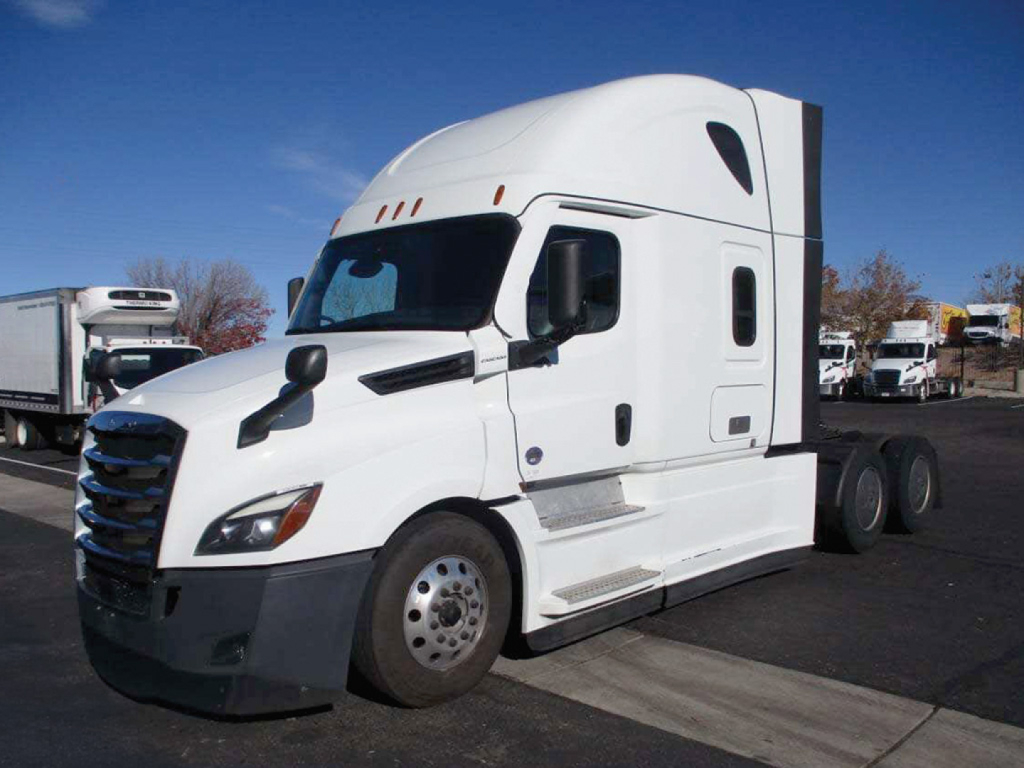
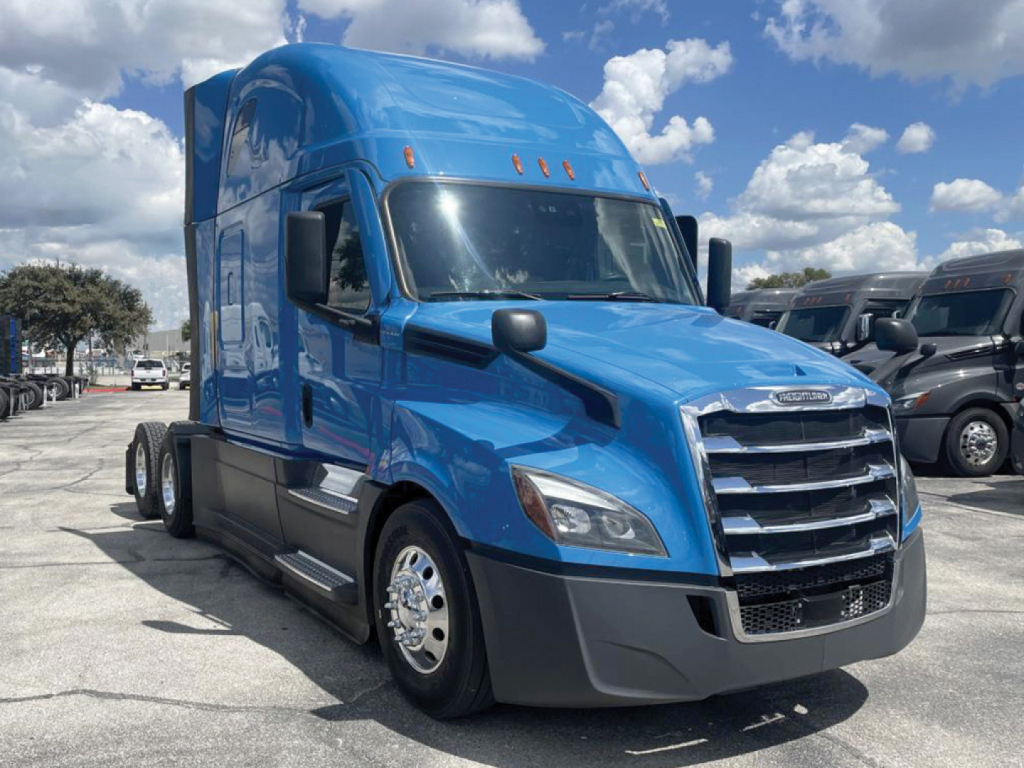
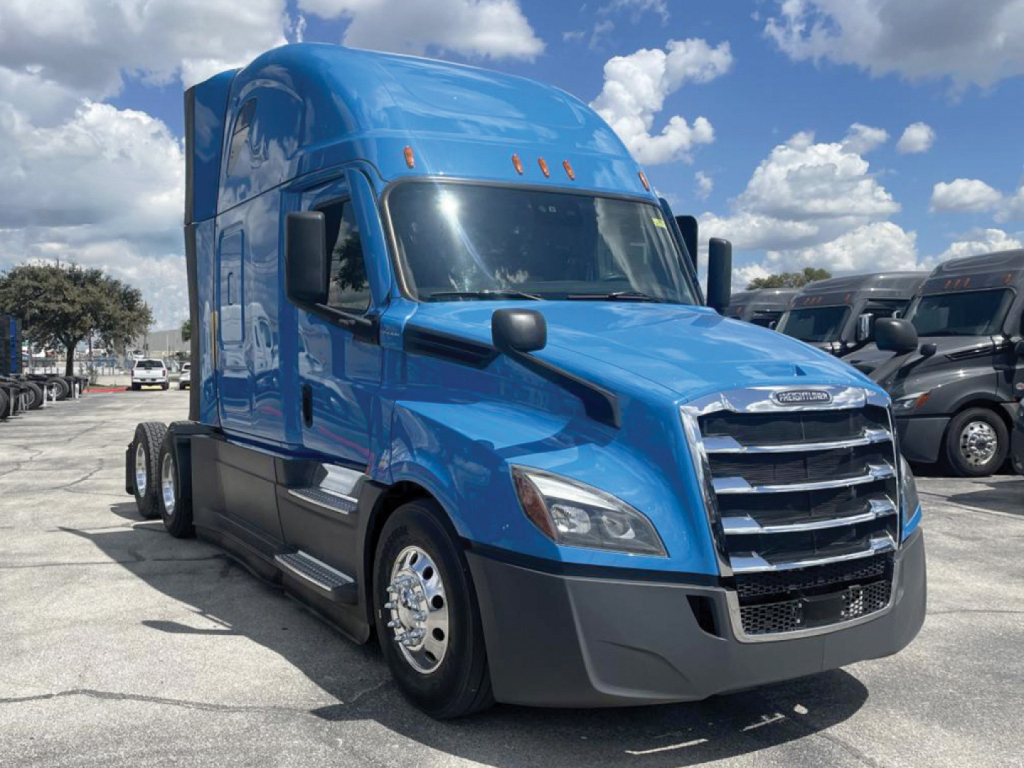
Browse used 2022 Freightliner trucks in Mississippi, including Cascadia day cabs and sleepers with DD13 or DD15 power and DT12 automation.
Learn more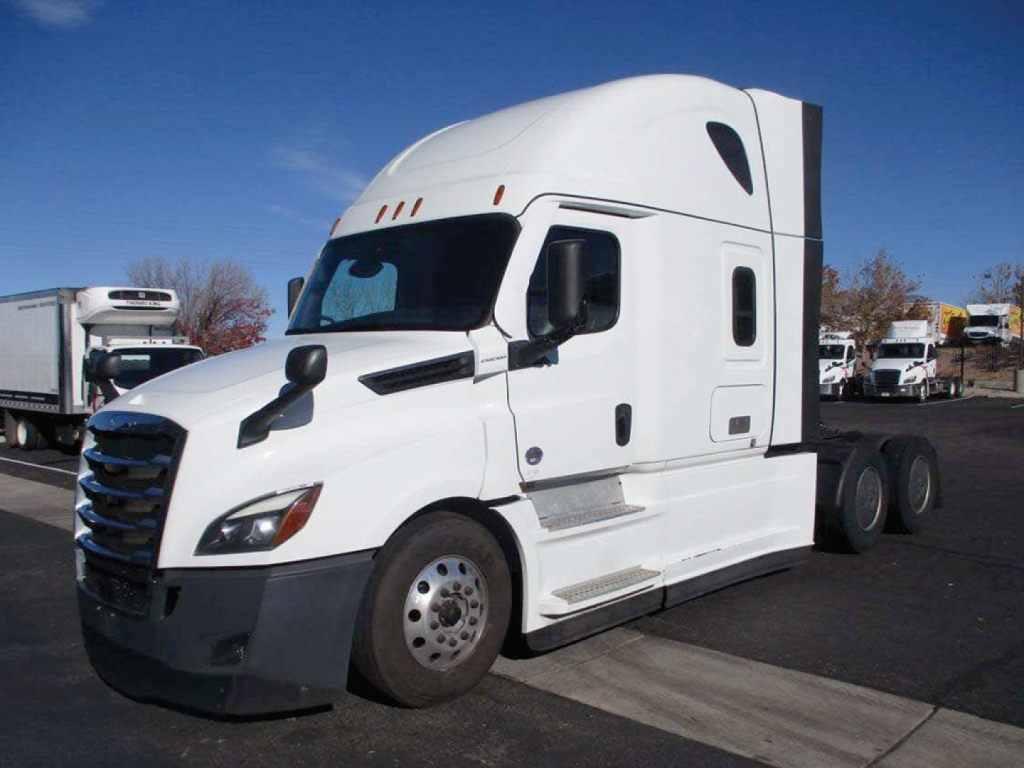
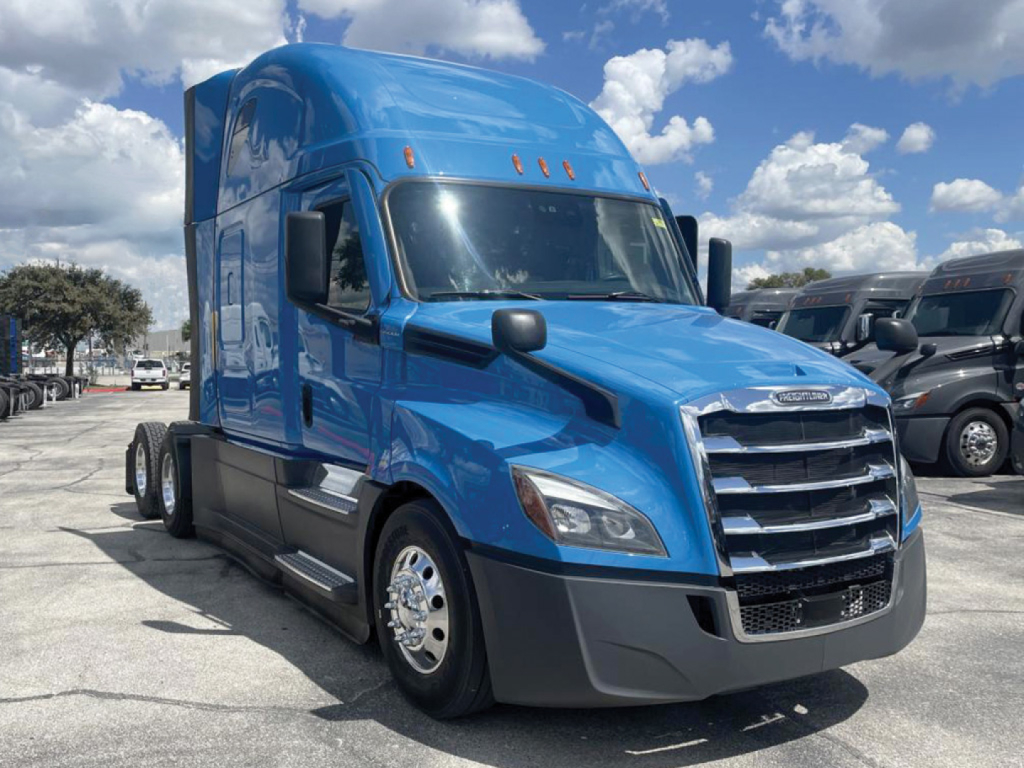
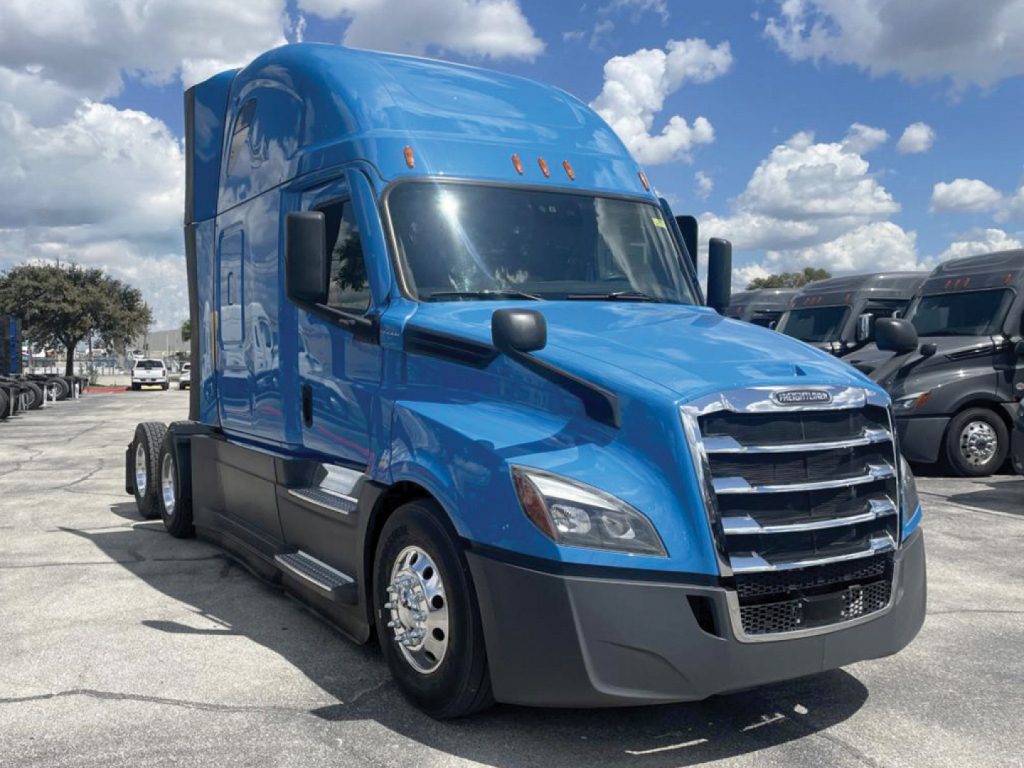
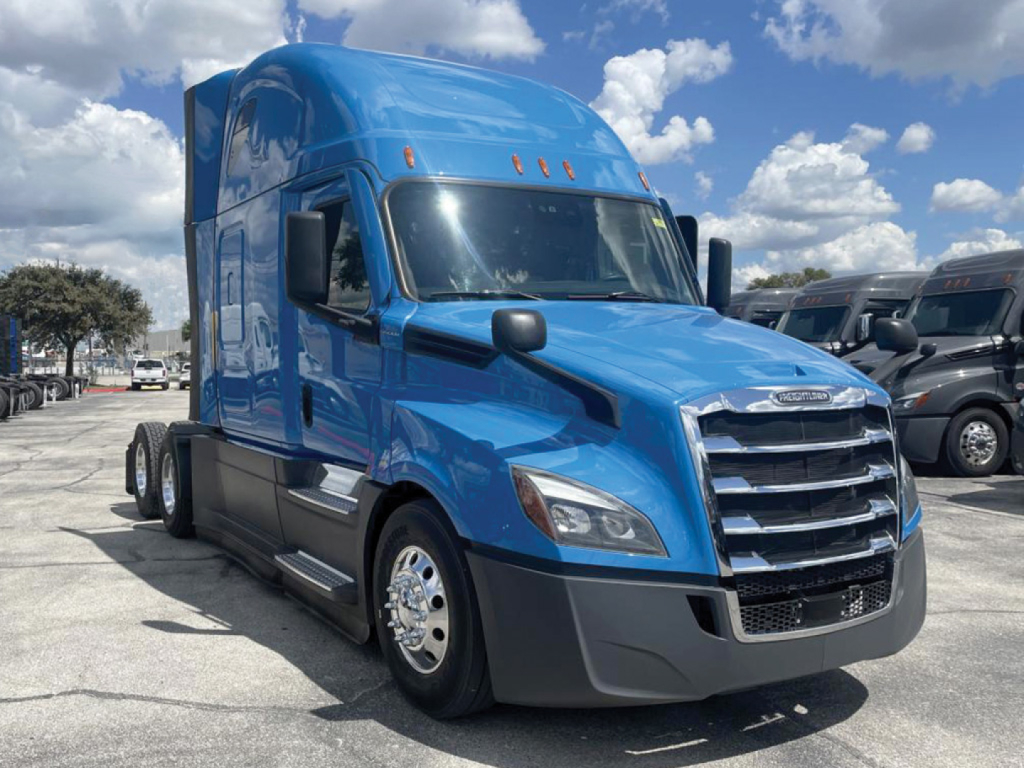
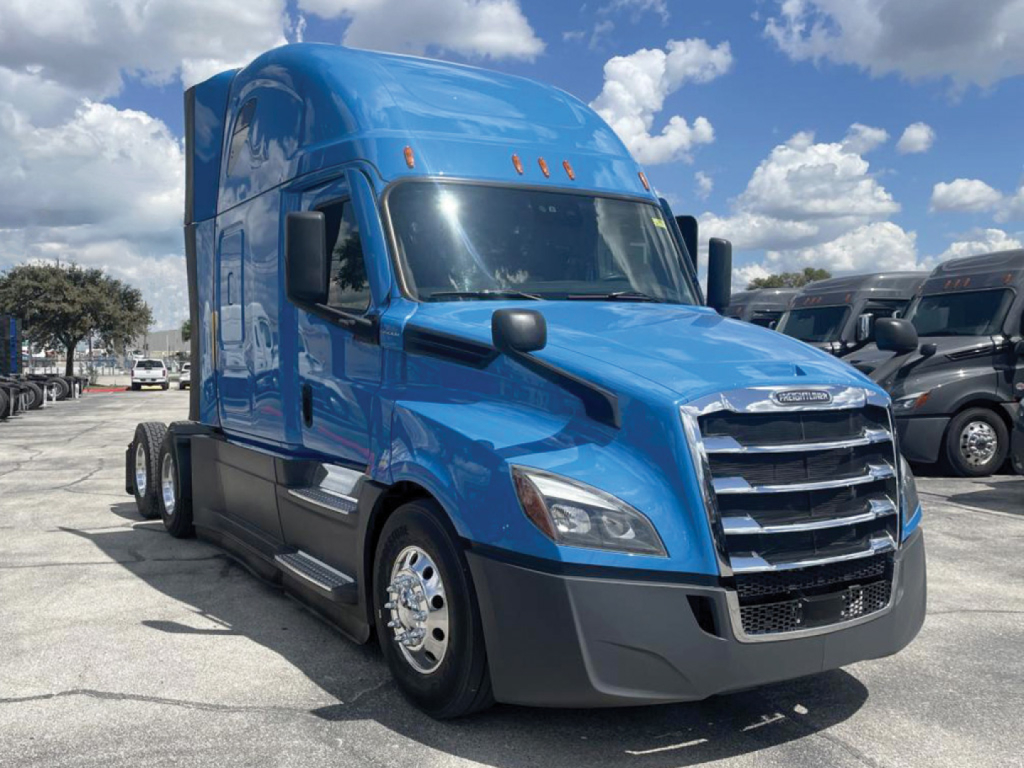
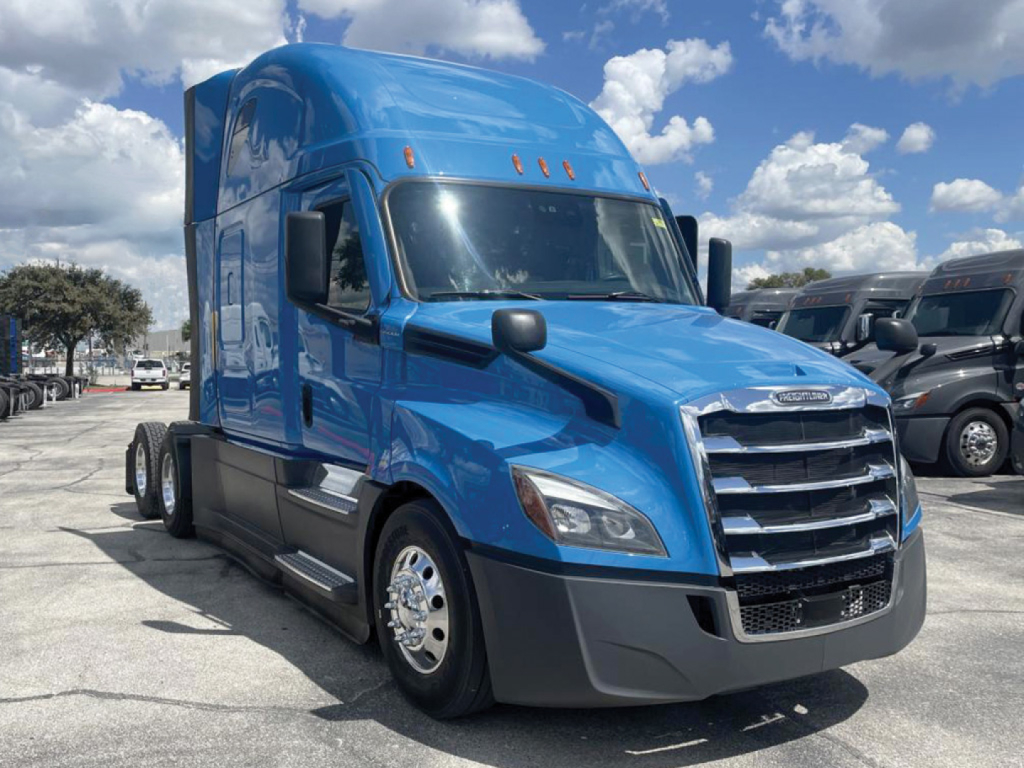
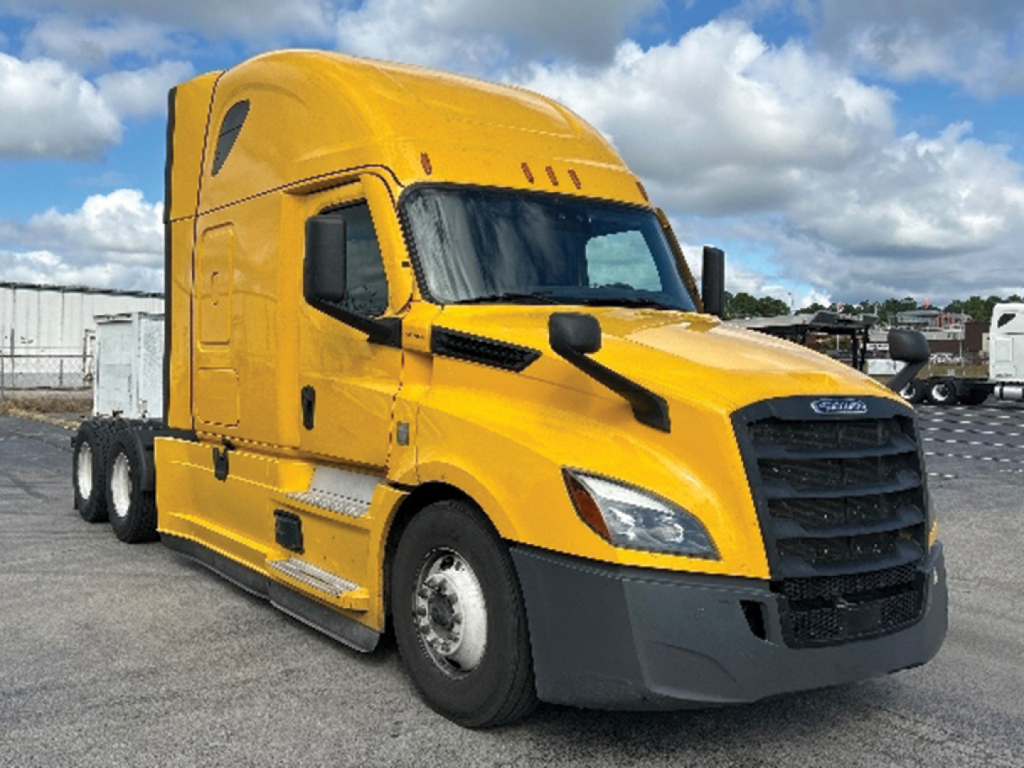
Have used 2022 freightliner truck to sell? List it here to reach thousands of buyers.
About Used 2022 Freightliner Trucks in Mississippi
The Cascadia 126 is commonly spec'd for regional and long-haul freight with Detroit DD13 or DD15 engines paired to the DT12 automated manual transmission. Typical horsepower ratings in this year range often land around 400 to 455 HP, with 40,000 lb rear axles and air ride suspension. Buyers should pay close attention to axle ratio because it directly affects cruise RPM, fuel economy, launch feel, and application fit. A 2.28 ratio generally favors highway fuel efficiency in linehaul service, while a 3.08 ratio is better suited to heavier starts, tighter routing, or more stop-and-go regional work. Wheelbase also matters. A shorter wheelbase day cab is easier around distribution yards and city turns, while a 225-inch wheelbase sleeper is more at home on interstate lanes.
Driver environment and operating package are also important on used 2022 Freightliner trucks. Common features include air slide fifth wheels, engine brakes, cruise control, power windows, tilt and telescoping steering, dual aluminum fuel tanks, and aerodynamic fairings. Many trucks in this class also include disc brakes, collision mitigation systems, bunk heaters, climate control, and raised-roof sleepers with upper bunks. Those details affect more than comfort. They influence downtime, driver retention, and resale appeal. Buyers running Mississippi freight corridors or Southeast regional lanes should also consider cooling system condition, aftertreatment service history, and tire and brake spec, especially on trucks that have spent time in high-mileage over-the-road service.
The best used 2022 Freightliner truck is the one matched to the lane, trailer, and payload. A day cab non-sleeper conventional is typically the practical choice for local or short regional hauling, port work, and drop-and-hook operations. A 72-inch raised-roof sleeper is better suited to longer dispatch cycles and team or solo over-the-road work. Review engine hours alongside miles, confirm maintenance records, inspect the fifth wheel and suspension for wear, and verify any active safety systems are functioning correctly. Freightliner trucks from this model year are popular because they are easy to place into general freight service, and the Cascadia remains one of the most widely understood platforms in the used truck market.
Frequently Asked Questions
What should I look for when buying a used 2022 Freightliner truck?
Focus first on the truck's application fit and service history. On a 2022 Freightliner, key checkpoints include engine model, horsepower rating, DT12 transmission operation, rear axle ratio, wheelbase, brake type, and sleeper or day cab configuration. Maintenance records for aftertreatment, coolant system, transmission service, and preventive maintenance are especially important. A buyer should also inspect tire wear patterns, suspension condition, fifth wheel movement, and any fault codes tied to collision mitigation or emissions systems.
Is a 2022 Freightliner Cascadia better as a day cab or sleeper?
That depends on the route and revenue model. A day cab is usually the better choice for local delivery, regional freight, dedicated runs, and operations where the truck returns to base regularly. A sleeper is more appropriate for long-haul lanes, irregular dispatch, and operations where driver rest and onboard storage matter. The Cascadia platform works well in both configurations, so the better option is the one that matches trip length, trailer type, and expected utilization.
What is the difference between a Detroit DD13 and DD15 in a 2022 Freightliner?
The DD13 is commonly chosen for weight-sensitive freight, regional applications, and fuel-conscious linehaul specs where moderate horsepower is sufficient. The DD15 is often preferred when buyers want more torque headroom, stronger pull in heavier applications, or broader flexibility across mixed routes. Both engines are well known in the Freightliner market, but the best choice depends on gross weight, terrain, cruise speed, and how often the truck starts heavy from a stop.
Why does rear axle ratio matter on a used 2022 Freightliner truck?
Rear axle ratio changes how the truck performs at highway speed and under load. A numerically lower ratio like 2.28 generally supports lower engine RPM and better fuel economy in steady interstate service. A higher ratio such as 3.08 usually improves startability and drivability in regional hauling, frequent merging, or heavier trailer work. When comparing two similar Freightliner trucks, axle ratio can be one of the biggest differences in real-world operating cost and driver satisfaction.
Are used 2022 Freightliner trucks a good fit for Mississippi fleets?
They are often a very practical fit because Mississippi operations can range from local industrial hauling and agricultural support to regional Southeast freight and long-haul interstate work. Freightliner trucks, especially Cascadia models, are commonly spec'd to handle those mixed demands with aerodynamic packages, automated transmissions, and strong parts availability. Buyers in the region should still confirm cooling performance, AC condition, and emissions system service history, since heat, idle time, and highway mileage all affect long-term reliability.