
Freightliner Trucks For Sale in North Carolina
Browse Freightliner trucks for sale in North Carolina, including Cascadia, Columbia, dump, day cab, and sleeper models for regional or long-haul use.
Learn more
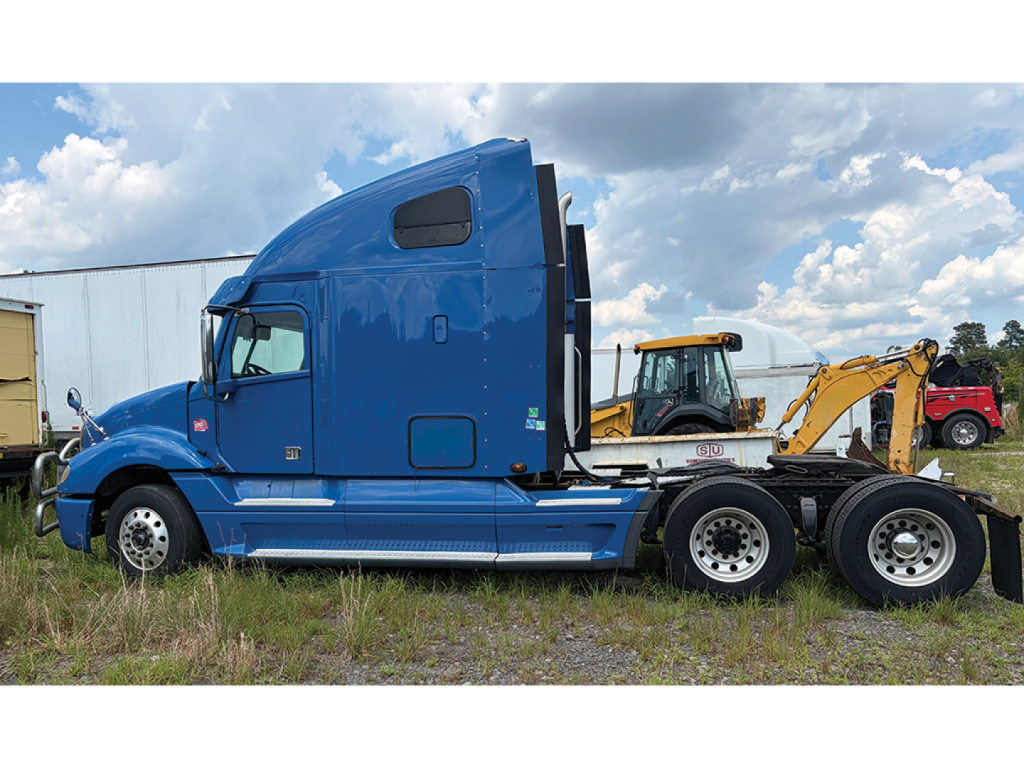
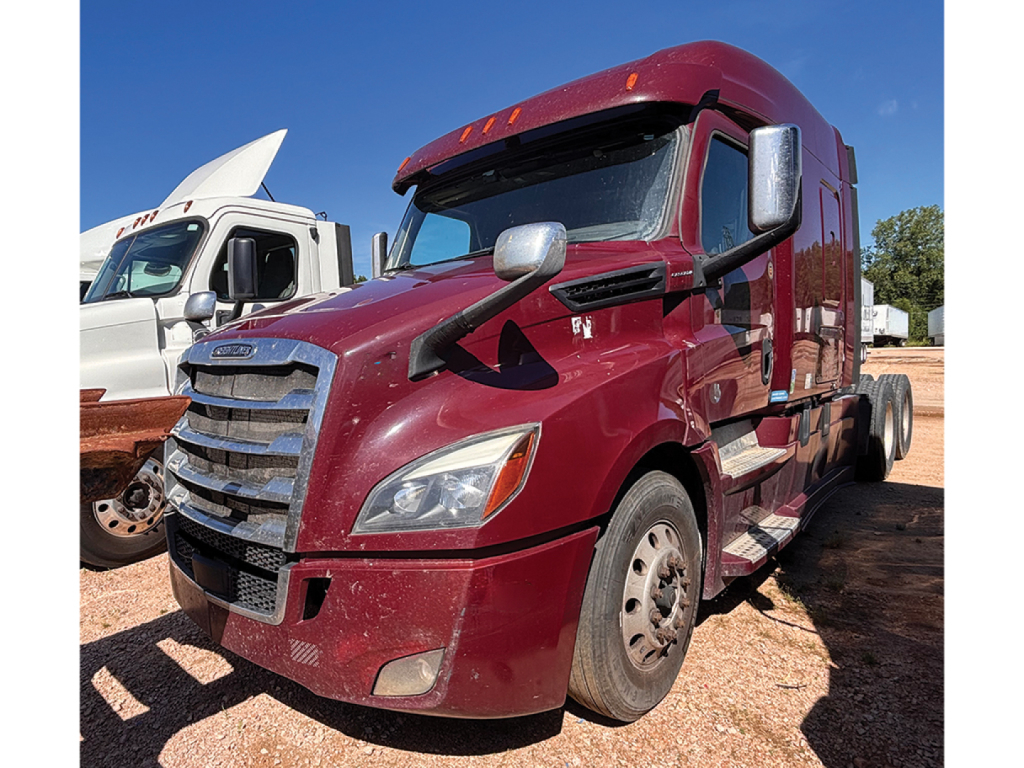
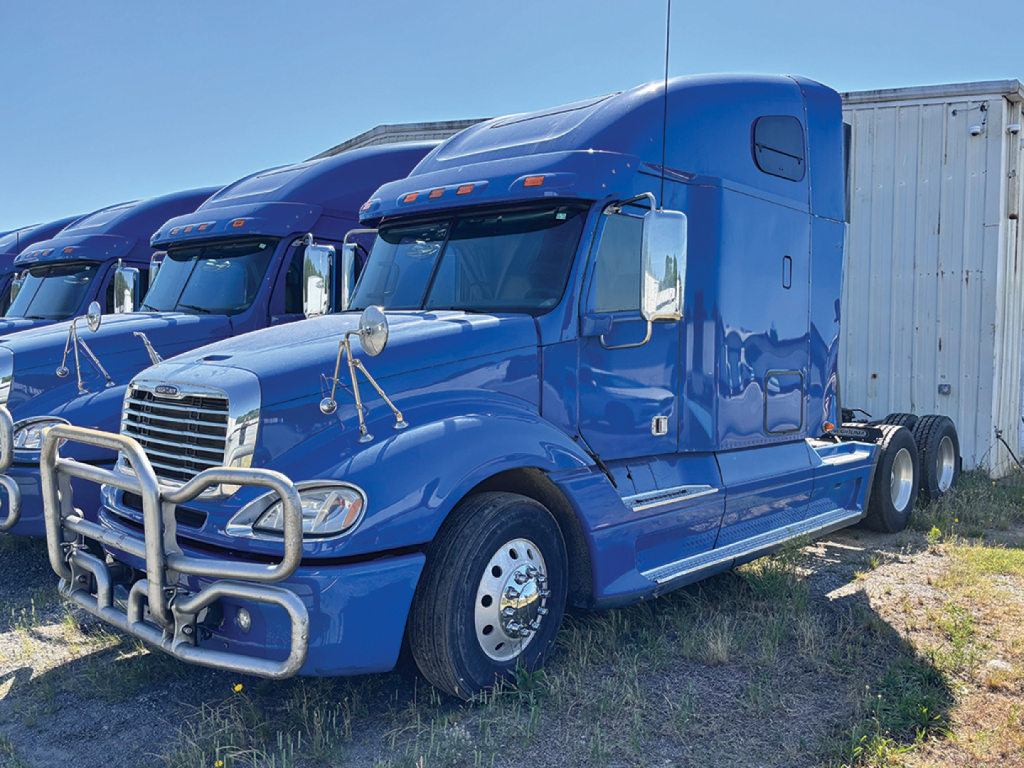
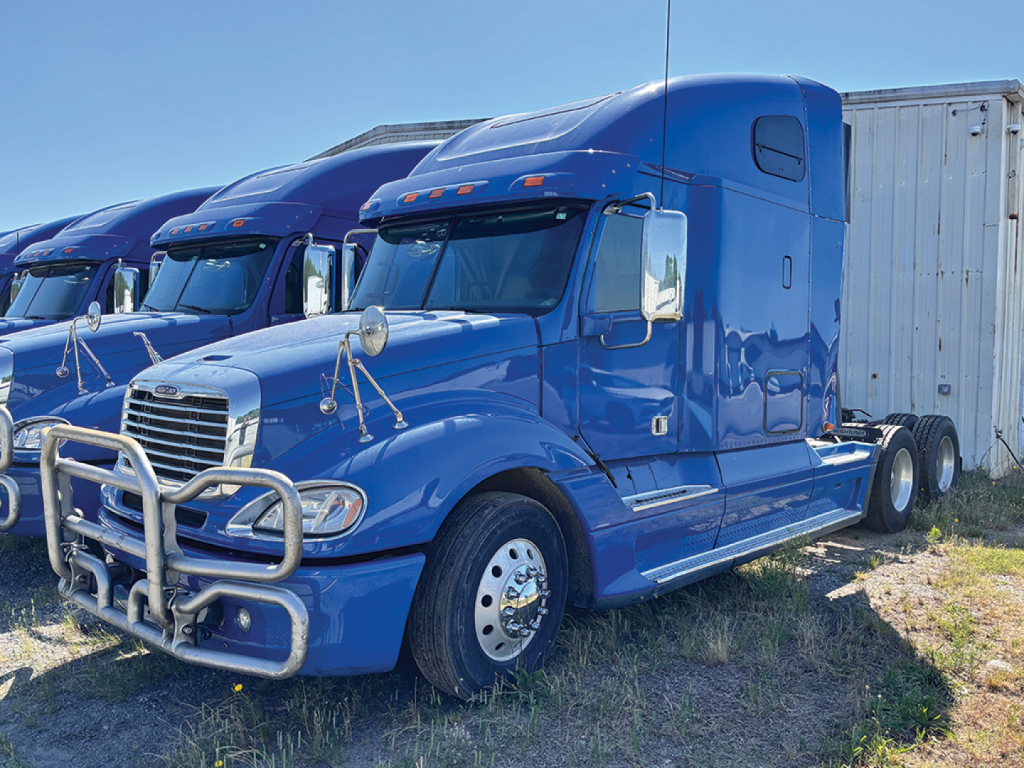
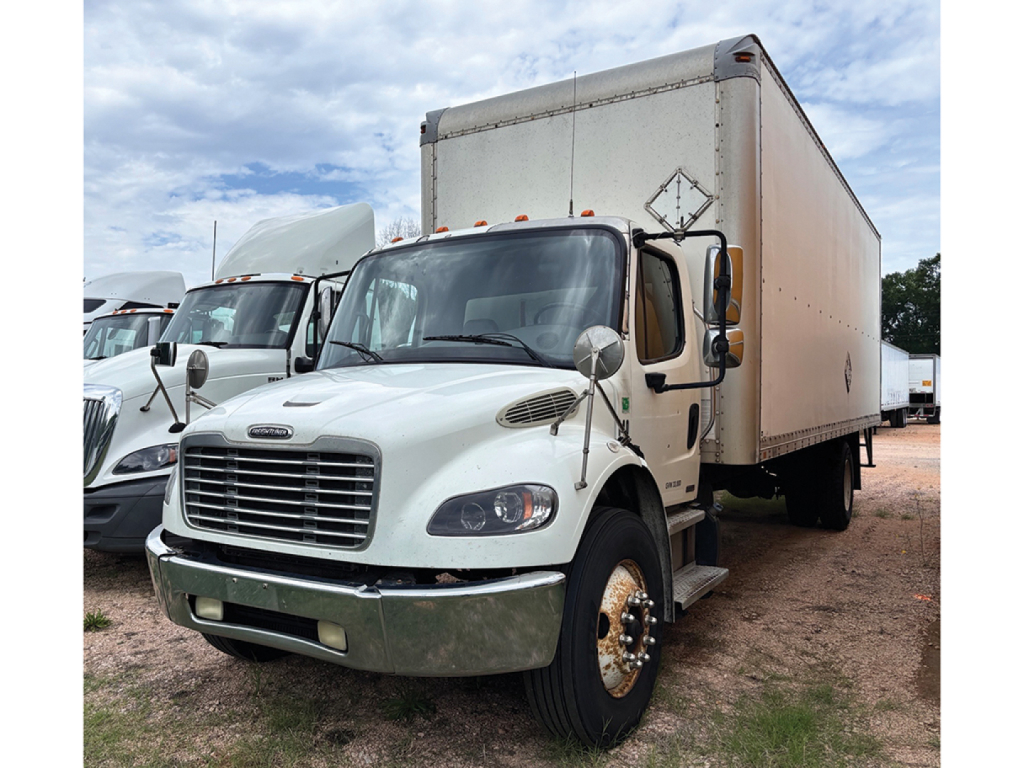
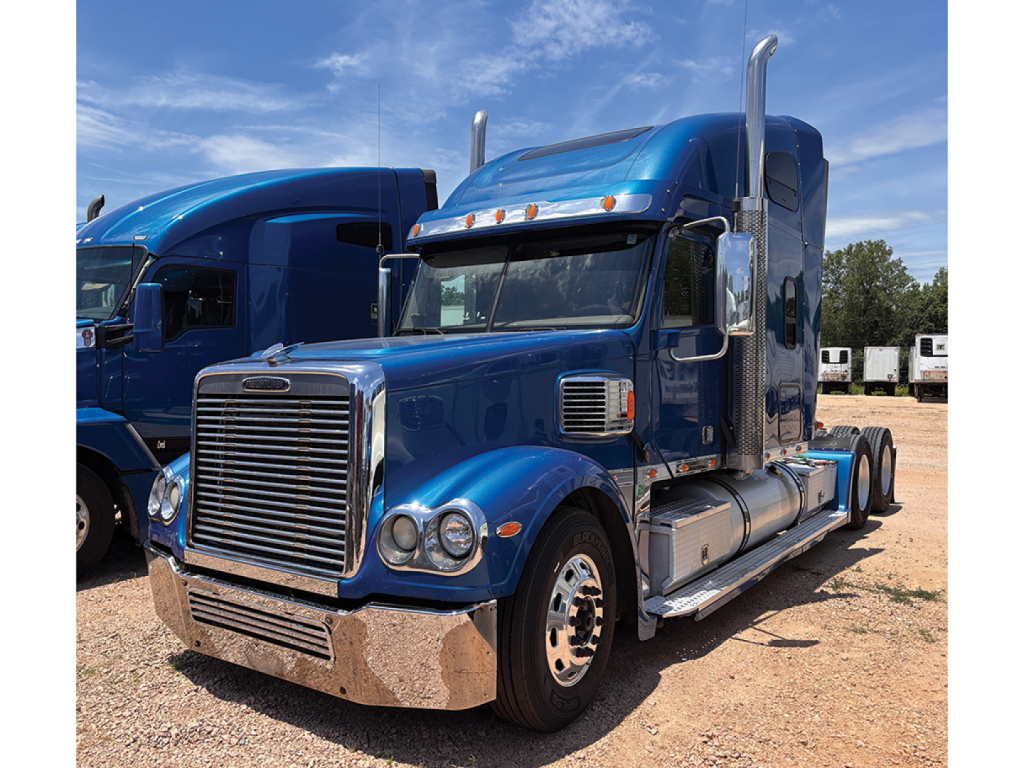
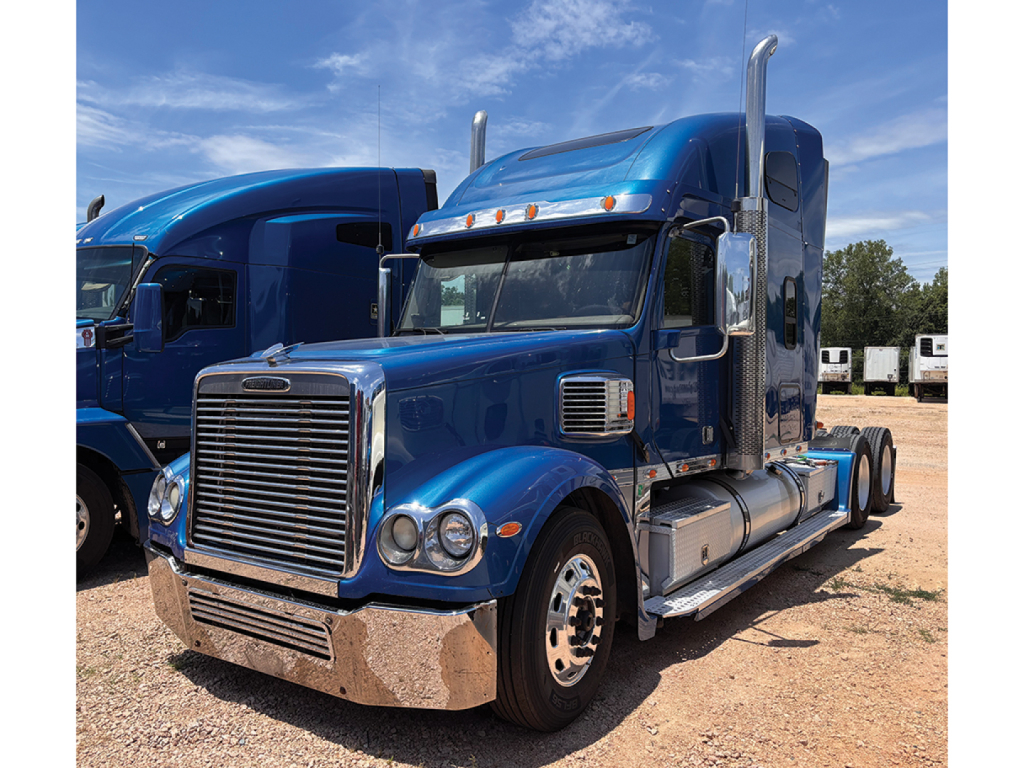
Showing 1 to 12 of 65 results
Have freightliner truck to sell? List it here to reach thousands of buyers.
About Freightliner Trucks in North Carolina
For linehaul use, Freightliner sleeper trucks commonly show up with 60-inch to 72-inch raised-roof sleepers, air ride suspension, sliding fifth wheels, and aerodynamic packages that include fairings, extenders, and roof treatments. A 2.79 or 3.23 rear ratio generally favors fuel-efficient highway operation, while a deeper ratio such as 3.58 can make more sense for heavier pulls or mixed terrain. Day cab Freightliners are often chosen for local and regional freight, port work, dedicated lanes, and slip-seat operations where lower weight and easier maneuverability matter more than sleeper amenities. Features like collision mitigation, disc brakes, bunk heaters, aluminum wheels, and premium interiors can add value, but drivetrain spec and maintenance records usually matter more than cosmetic upgrades.
Freightliner also has a strong presence in vocational trucks, including dump trucks and severe-service configurations used in construction, municipal work, and material hauling. In that segment, buyers should focus on GVWR, axle configuration, transmission type, PTO and hydraulic setup, body manufacturer, and any evidence of frame or hoist wear. A tandem axle dump with an automatic Allison transmission, higher rear ratio, and hydraulic controls for plows or spreaders can be a practical fit for local government or site work, but condition is heavily influenced by rust exposure, idle time, and the quality of prior upfitting.
Across the Freightliner range, the most important buying decisions come down to application match and total operating cost. Check engine model, emissions generation, transmission type, suspension, brake spec, and cab configuration against the lanes or jobsite demands the truck will actually see. Freightliner remains popular because the trucks are widely understood by drivers, technicians, and fleet managers, and because common models like the Cascadia, Columbia, and M2-series are available in specs that fit everything from fuel-conscious highway freight to vocational hauling.
Frequently Asked Questions
What are the most common Freightliner truck models buyers look for?
The most commonly searched Freightliner trucks are the Cascadia for highway use, the Columbia in older sleeper and glider applications, and the M2-series for medium-duty and vocational work. The Cascadia is especially common in day cab and sleeper form because it is widely used in regional and over-the-road fleets. Buyers usually narrow the search by cab style, engine, transmission, and axle rating before comparing cosmetic condition or interior trim.
Is a Freightliner Cascadia better as a day cab or a sleeper?
That depends on the freight and route structure. A day cab is typically the better choice for local, regional, drayage, and dedicated lane work where driver home time is daily and maneuverability matters. A sleeper is the better fit for over-the-road and multi-day runs where onboard living space, fuel capacity, and driver comfort affect productivity. The decision should be based on lane length, dwell time, and revenue model rather than simply on purchase price.
What specs matter most when buying a used Freightliner truck?
The most important specs are engine model, horsepower, transmission type, rear axle ratio, wheelbase, axle ratings, and cab configuration. On used Freightliner trucks, buyers should also verify maintenance history, emissions system service, brake type, suspension, and any active fault codes. For sleepers, sleeper size and bunk layout matter. For vocational trucks, body condition, PTO function, hydraulic performance, and frame integrity are just as important as the chassis itself.
Are Freightliner trucks a good choice for North Carolina operations?
Freightliner trucks are a practical choice in North Carolina because they fit a wide range of applications, from interstate freight corridors to construction and municipal work. The state has strong demand for regional tractors, port-related day cabs, and vocational dumps, and Freightliner models are common enough that service familiarity and replacement parts are usually an advantage. Buyers still need to spec for terrain, payload, and route density, especially when choosing axle ratios, horsepower, and transmission setup.
What is the difference between a highway Freightliner and a vocational Freightliner?
A highway Freightliner is built primarily for freight movement on paved routes and is usually configured as a day cab or sleeper tractor with aerodynamic fairings, lower ride height, and fuel-focused drivetrain specs. A vocational Freightliner is built for jobsite, municipal, or material-hauling use and typically emphasizes GVWR, frame strength, PTO capability, body integration, and heavier-duty axle and suspension components. The right choice depends on how much of the truck's life will be spent on highway miles versus stop-and-go or off-pavement work.