
2019 Freightliner Trucks For Sale in North Carolina
Shop 2019 Freightliner trucks for sale in North Carolina, including road-ready day cabs and sleepers built for regional, vocational, and long-haul work.
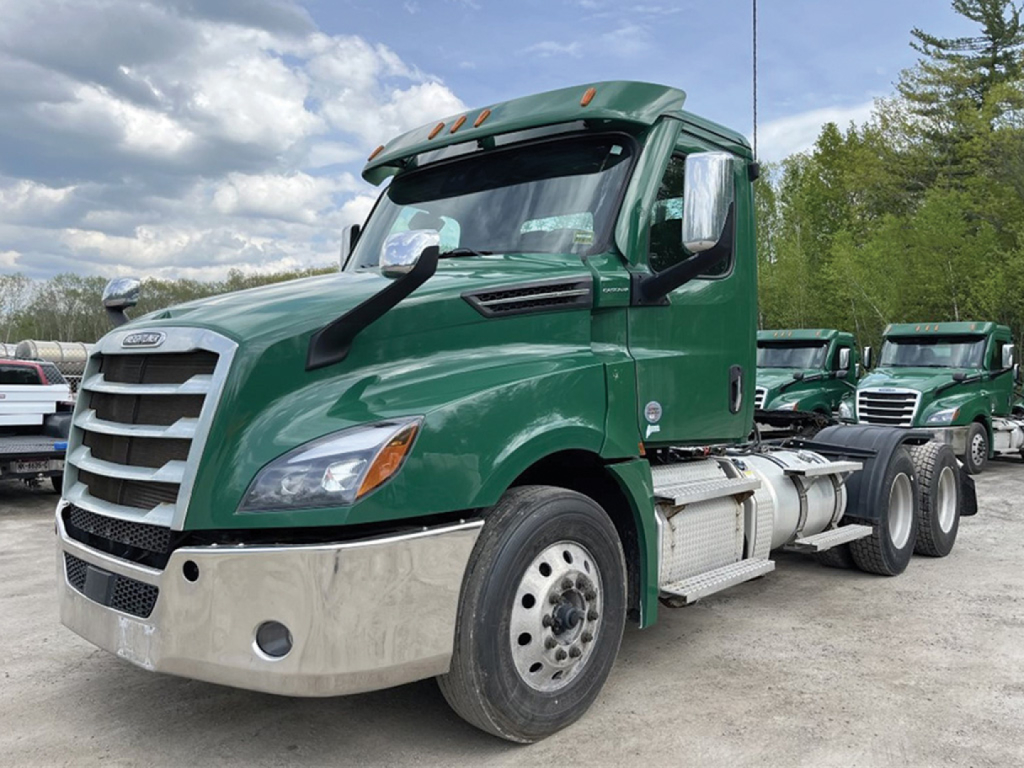
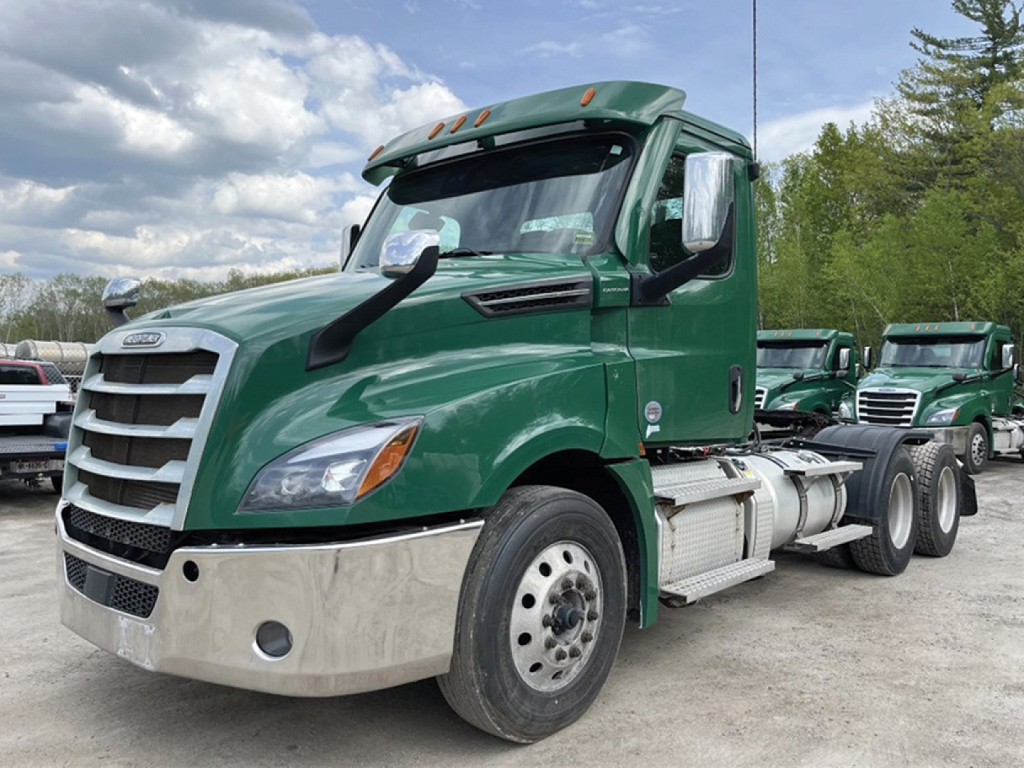
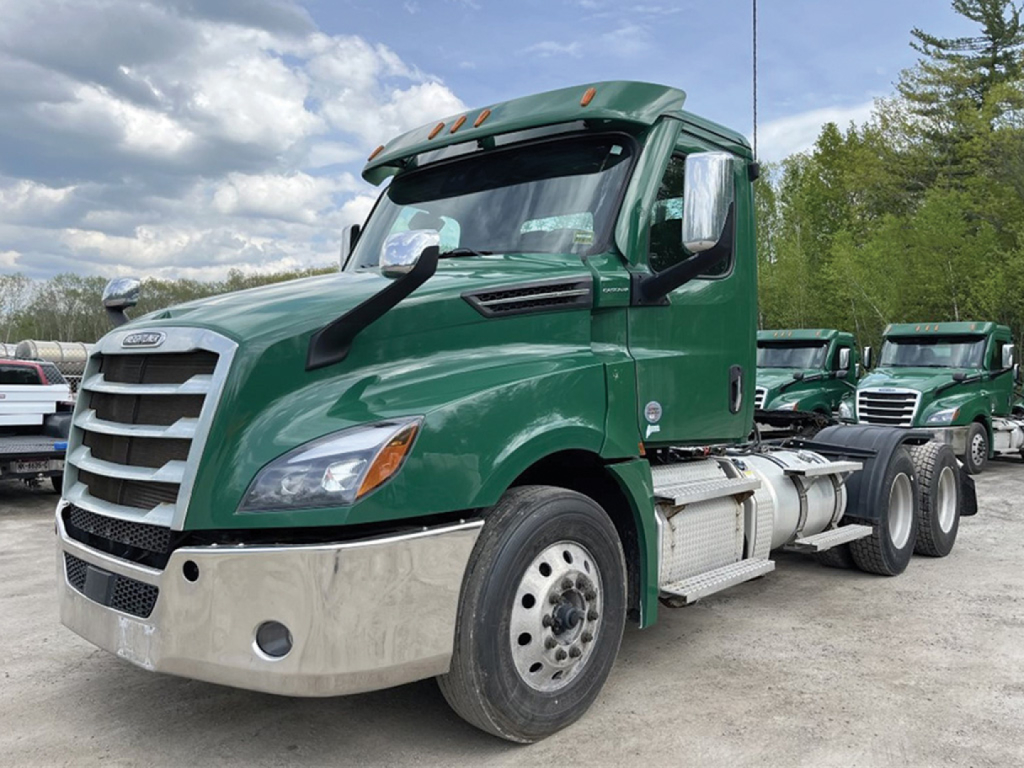

Selling a 2019 freightliner truck? List your 2019 freightliner truck for sale and reach thousands of commercial buyers.
2019 Freightliner Trucks in North Carolina
For highway buyers, 2019 Freightliner Cascadia models are usually the main focus. These conventional trucks are commonly spec'd as day cabs or sleeper trucks, with Detroit DD13 or DD15 power, automated DT12 transmissions, and tandem rear axles in 40,000 lb ratings. Typical horsepower ranges land around 400 to 505 HP depending on the application, with rear axle ratios chosen for either fuel economy or gradeability. Wheelbase, sleeper height, fuel capacity, and fifth wheel setup all deserve close attention because those details affect bridge law compliance, trailer swing clearance, and how easily the truck can be reassigned from regional freight to longer-haul work. Buyers comparing units should also look at engine brake spec, disc versus drum brakes, tire size, and whether the truck has an air slide fifth wheel, APU prep, or bunk heater equipment.
For vocational and local-use buyers, 2019 Freightliner trucks can include M2 106, M2 112, 114SD, and 122SD configurations. These are commonly used as dump trucks, box trucks, flatbeds, rollback wreckers, service trucks, and tractor setups for severe-duty or mixed-duty work. In this class, the important decisions usually shift from sleeper size and aero packages to front axle capacity, suspension type, PTO compatibility, frame rail strength, body upfit history, and transmission choice. Cummins and Detroit engines are both common in the broader 2019 Freightliner market, and the right match depends on route profile, idle time, payload, and service preference. A buyer in North Carolina should also consider corrosion exposure near coastal regions, prior farm or site use, and whether the truck spent its life on short routes with high PTO hours or on steady over-the-road miles.
The smartest way to shop a 2019 Freightliner is to narrow the truck by duty cycle first, then confirm the spec sheet supports that work without expensive changes after purchase. Check the VIN build data, emissions system service records, aftertreatment history, ECM hours, and maintenance intervals before focusing on cosmetic features. On highway tractors, pay attention to fairings, roof profile, and drivetrain gearing because small spec differences can change fuel cost across a fleet. On vocational trucks, inspect frame condition, steering components, suspension wear, lift axle equipment if applicable, and any signs the upfit overloaded the original chassis rating. Freightliner remains a practical choice for buyers who want a mainstream platform with familiar controls, broad support, and configurations that cover everything from local delivery to long-haul sleeper service.
Frequently Asked Questions about 2019 Freightliner Trucks in North Carolina
What are the most common 2019 Freightliner truck models buyers look for?
The most commonly searched 2019 Freightliner models usually include the Cascadia for highway use and the M2, 114SD, and 122SD for vocational work. Cascadia trucks are popular as day cabs and sleeper tractors for regional and over-the-road freight. M2 and SD-series trucks are more often used for dump, box, flatbed, towing, municipal, and construction applications. The right model depends less on nameplate alone and more on axle ratings, engine-transmission pairing, wheelbase, and body or trailer requirements.
Is a 2019 Freightliner a good year for fleet or owner-operator buyers?
A 2019 Freightliner can be a strong fit for both fleets and owner-operators because it balances relatively modern technology with mature parts and service support. By this point, many buyers were seeking fuel-efficient aerodynamic specs, automated manual transmissions, and driver comfort upgrades that support retention and uptime. The key is not just the model year but the maintenance history, engine hours, software campaign completion, and how well the original spec matches the work the truck will do now.
What engine and transmission combinations are common in 2019 Freightliner trucks?
On highway tractors, Detroit DD13 and DD15 engines paired with the DT12 automated manual transmission are among the most common 2019 Freightliner combinations. Vocational trucks may also be equipped with Cummins engines and either automated, manual, or full automatic transmissions depending on PTO needs and route demands. Buyers should match the drivetrain to the application, since a fuel-economy spec for dry van freight may not be ideal for heavy haul, stop-and-go service, or body equipment that requires PTO performance.
What should I inspect first on a used 2019 Freightliner truck?
Start with the VIN build sheet, maintenance records, ECM data, and emissions system history. Those items tell you whether the truck was maintained on schedule and whether the current spec is original or altered. After that, inspect tire wear, brakes, suspension, steering play, frame condition, driveline components, and any signs of collision or overload damage. On sleeper tractors, verify bunk systems, HVAC, and fairing condition. On vocational trucks, review PTO operation, hydraulic systems, frame modifications, and body mounting quality.
Are 2019 Freightliner trucks easy to service in North Carolina?
Freightliner trucks are generally considered straightforward to support in North Carolina because the brand has a broad presence in the Southeast and strong aftermarket coverage. That can help reduce downtime for common wear items, collision parts, and routine engine or aftertreatment service. Ease of service still depends on the exact engine, transmission, and body configuration, so buyers should confirm local support for any specialized vocational upfit, emissions component, or proprietary equipment before making a final decision.