
2019 Freightliner Conventional Daycab Trucks For Sale in North Carolina
Shop 2019 Freightliner conventional daycab trucks in North Carolina. Compare Cascadia specs, wheelbases, engines, axle ratios, and driveline options.
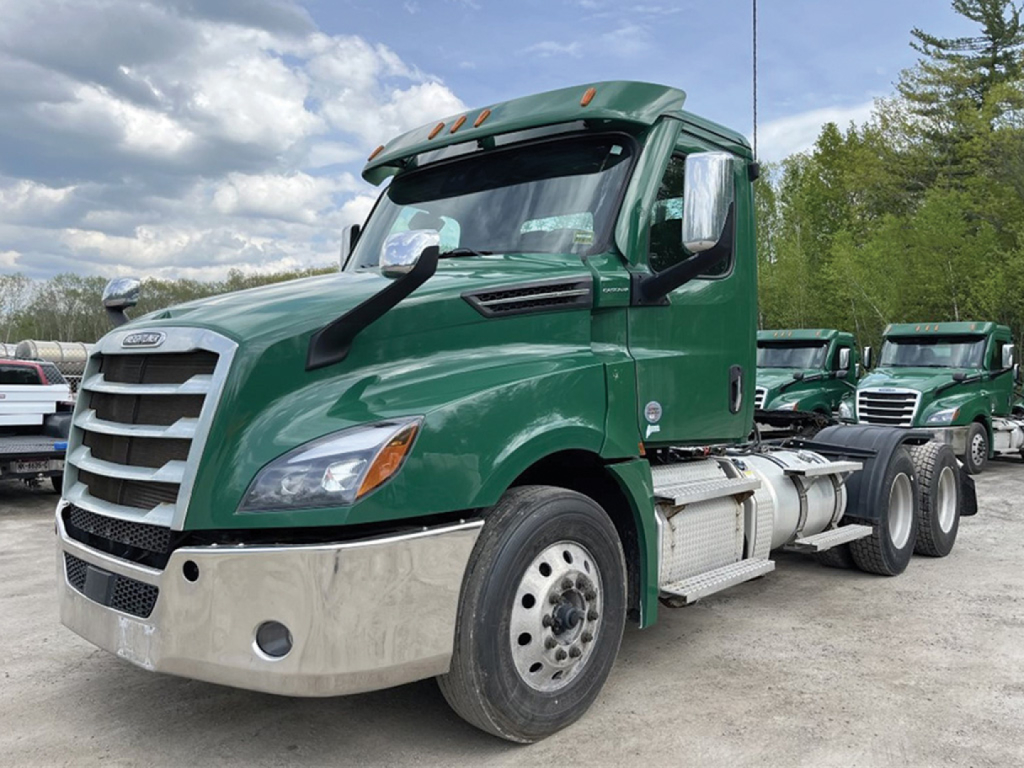
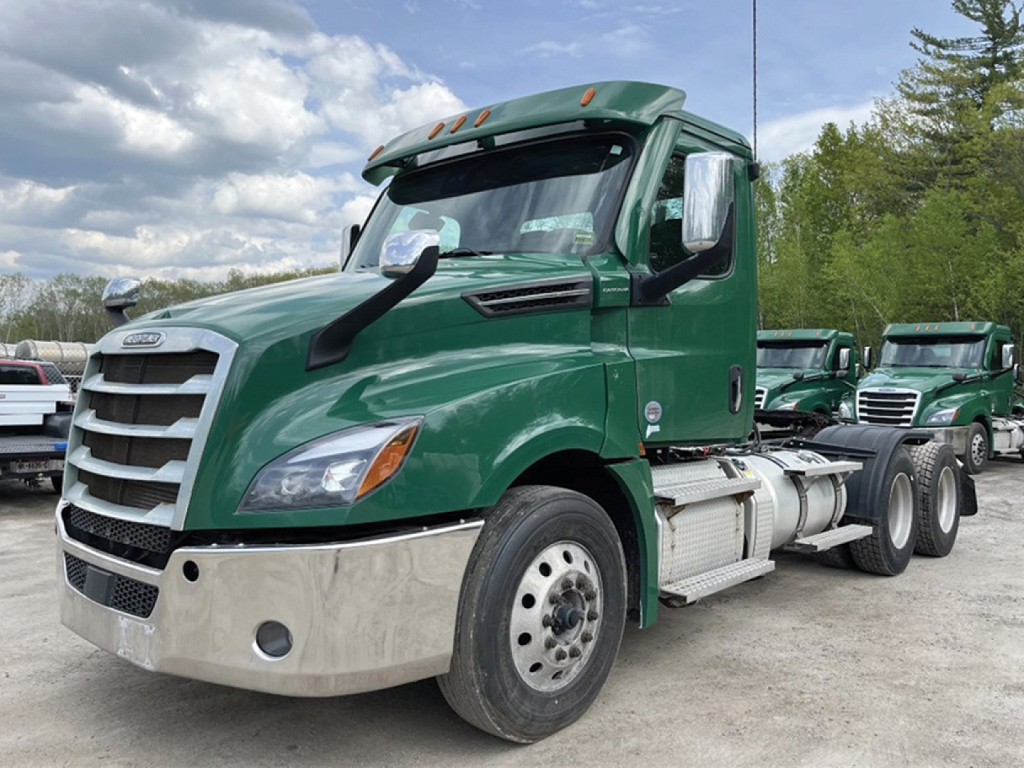
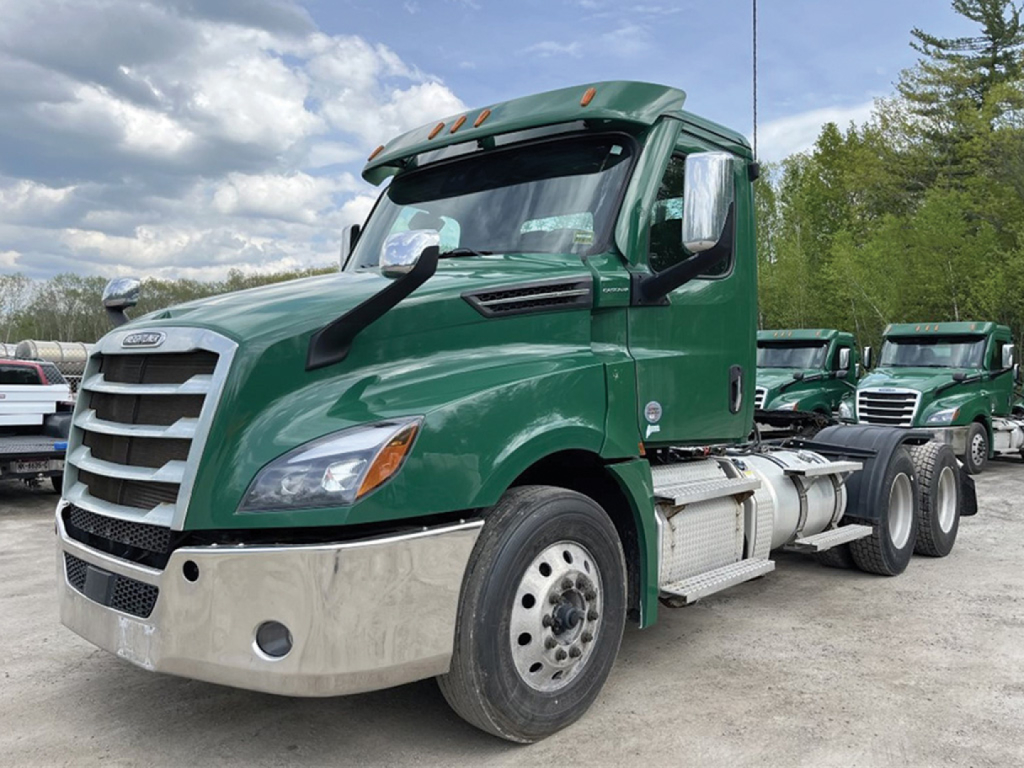

Selling a 2019 freightliner conventional daycab truck? List your 2019 freightliner conventional daycab truck for sale and reach thousands of commercial buyers.
2019 Freightliner Conventional Daycab Trucks in North Carolina
The main buying decisions usually come down to engine, transmission, rear axle ratio, and wheelbase. A 2019 Freightliner daycab commonly shows up with a Detroit DD13 in the low-to-mid 400 horsepower range, often paired with an automated manual transmission such as a DT12 or Eaton automated unit. That combination suits fleets trying to control fuel burn and reduce driver variability. Many are spec'd with 40,000-pound rears, air ride suspension, engine brake, and axle ratios such as 3.36 or 3.55, depending on whether the truck was ordered for linehaul efficiency or more start-stop regional work. Wheelbase matters more than many buyers expect because it affects trailer swing clearance, bridge law flexibility, and how the truck handles in tight docks.
Cab and chassis details separate a solid fleet truck from a compromise unit. Look closely at fifth wheel type and travel, especially if the truck will handle mixed trailer lengths or needs kingpin-setting flexibility. Disc versus drum brakes, aluminum versus steel wheels, tank capacity, fairings, and horizontal exhaust all affect operating cost and application fit. Freightliner daycabs from this period often include driver-focused features like tilt and telescoping steering, cruise control, power windows, air conditioning, and collision mitigation systems on better-equipped units. The Cascadia is also known for broad parts support and a familiar service network, which matters when uptime is a bigger concern than peak horsepower.
Condition still matters more than badge or model year. On a used 2019 Freightliner conventional daycab, review maintenance history, idle hours, emissions system service, transmission calibration history, brake life, and tire wear across all positions. Check for signs of prior fleet use that can be positive if the truck followed a strict PM schedule, but also inspect frame condition, suspension wear, and any evidence of fifth wheel or trailer impact damage. A well-spec'd 2019 daycab can be a strong fit for carriers that want modern aerodynamics, a manageable emissions-era platform, and a truck sized correctly for regional freight instead of overbuying a sleeper tractor.
Frequently Asked Questions about 2019 Freightliner Conventional Daycab Trucks in North Carolina
What is the typical application for a 2019 Freightliner conventional daycab?
A 2019 Freightliner conventional daycab is typically used for regional freight, local delivery, intermodal work, dedicated customer lanes, and short-haul tractor service. The non-sleeper cab saves weight and overall length, which helps in tighter yards, city traffic, and frequent coupling cycles. It is a practical choice when drivers return home daily and the operation values maneuverability, fuel efficiency, and simpler cab packaging over long-haul sleeper space.
What engine and transmission setups are common in 2019 Freightliner daycabs?
Many 2019 Freightliner daycabs, especially Cascadia models, are equipped with Detroit DD13 engines rated around 435 to 450 horsepower and paired with automated manual transmissions. That setup is common in fleet service because it balances fuel economy, driver consistency, and broad service support. Some trucks may also be spec'd with different engines or transmission brands, so buyers should confirm horsepower, torque rating, transmission model, and any software or calibration history before purchase.
Why does rear axle ratio matter on a conventional daycab?
Rear axle ratio has a direct effect on road speed, startability, fuel economy, and the kind of freight the truck handles best. A taller ratio such as 3.36 generally favors highway fuel efficiency and lighter regional linehaul, while a shorter ratio such as 3.55 or 3.70 can improve launch performance and make more sense for heavier loads, hillier routes, or more stop-and-go work. The right ratio depends on trailer weight, typical speed, terrain, and transmission gearing.
What should buyers inspect on a used 2019 Freightliner daycab?
Buyers should inspect maintenance records, engine hours, idle time, aftertreatment service history, fault codes, transmission performance, suspension wear, brake condition, and tire wear patterns. It is also important to examine the fifth wheel, frame rails, rear crossmembers, and cab mounts for signs of hard coupling, trailer contact, or corrosion. A used daycab can be a strong value if it was fleet maintained, but the truck should still be evaluated for application fit rather than purchased on mileage alone.
Is a 2019 Freightliner Cascadia daycab a good fit for North Carolina routes?
For many North Carolina operations, a 2019 Freightliner Cascadia daycab is a strong fit because it can handle interstate regional work while still staying practical around distribution centers, ports, and urban freight corridors. The aerodynamic design supports fuel efficiency on longer runs, and common wheelbase and axle specs work well for warehouse and terminal environments. Buyers should still match the truck to route density, trailer type, and terrain, especially if the operation includes mountain grades, heavy bulk loads, or high stop counts.