
2019 Freightliner Conventional Sleeper Trucks For Sale in North Carolina
Shop 2019 Freightliner conventional sleeper trucks in North Carolina. Compare Cascadia-style highway specs, sleeper sizes, powertrain options, and axle setups.
Learn more
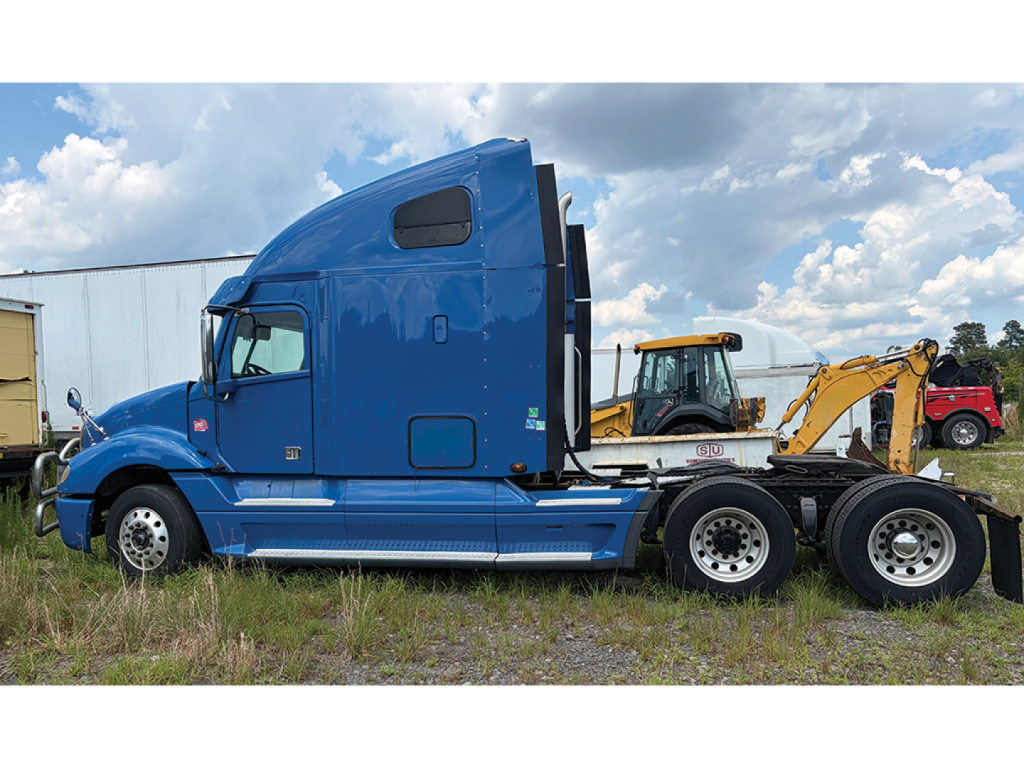
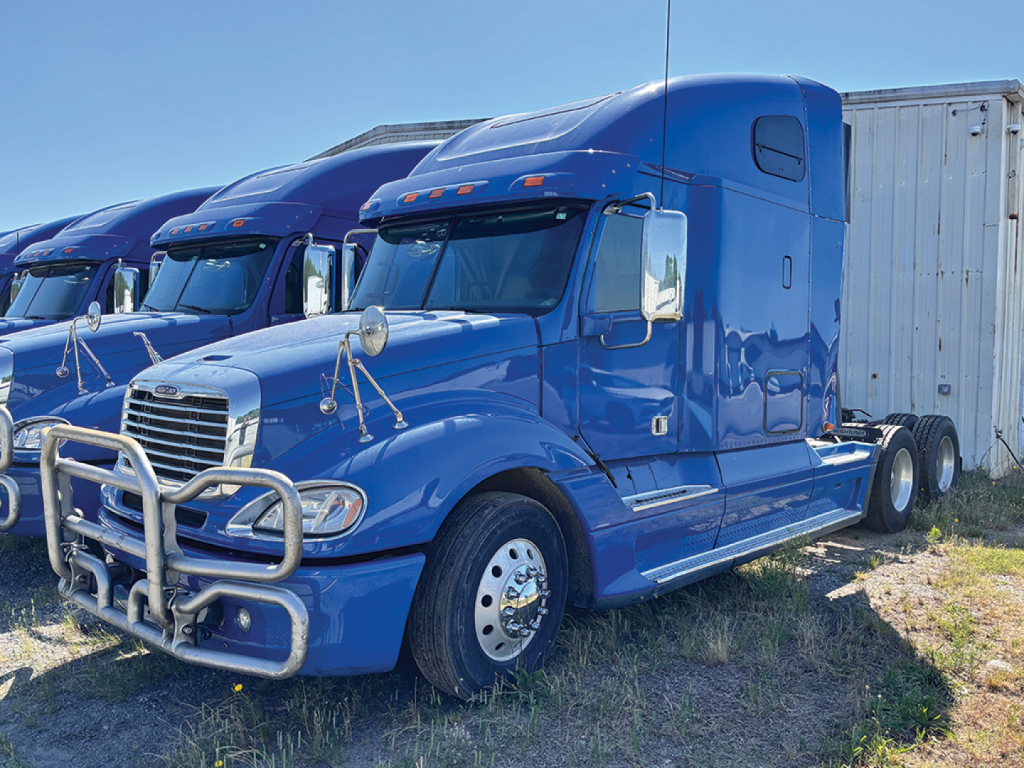
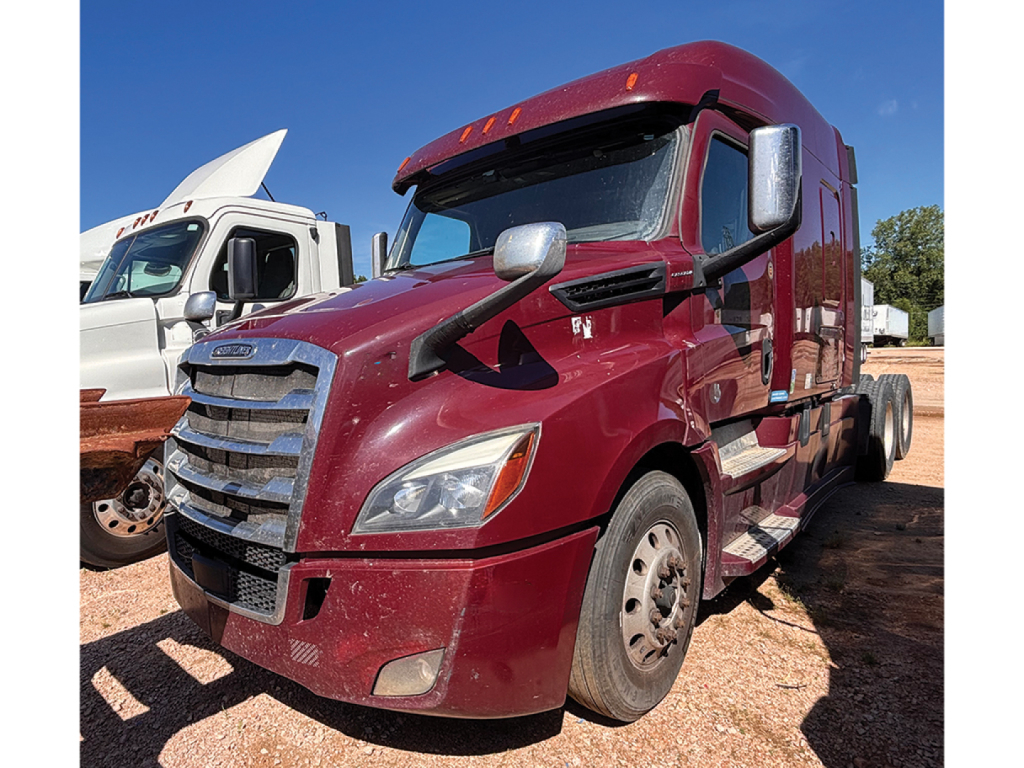
Have 2019 freightliner conventional sleeper truck to sell? List it here to reach thousands of buyers.
About 2019 Freightliner Conventional Sleeper Trucks in North Carolina
The key buying decisions start with the powertrain. Many 2019 Freightliner sleeper trucks are spec'd with Detroit DD13 or DD15 engines paired to a DT12 automated manual, though some units may have manual transmissions depending on application and original fleet preference. Common horsepower ratings typically land in the mid-400s, with rear axle ratios selected to balance cruise RPM, startability, and fuel burn. A buyer should pay close attention to GCWR needs, suspension type, wheelbase, and fifth wheel setup, especially if the truck will be used across different trailer lengths or in operations that require flexibility in kingpin settings. For North Carolina lanes, where a truck may split time between port work, regional distribution, and interstate runs, gearing and wheelbase can make a real difference in maneuverability and operating cost.
Sleeper configuration matters just as much as engine spec. A 2019 Freightliner conventional sleeper may be equipped with a mid-roof or raised-roof sleeper, often with single or double bunk layouts, bunk heater, inverter prep, and enough cabinet space for extended time on the road. Buyers comparing listings should look at insulation, HVAC performance, idle management equipment, and overall cab condition, not just mileage. Aerodynamic fairings, side extenders, and chassis skirting help support fuel efficiency, but they also need to match the trailer profile the truck will pull most often. Inside the cab, features like air ride seats, tilt and telescoping steering, driver information displays, and automated transmission controls can have a direct effect on driver acceptance and fatigue over long runs.
From a maintenance standpoint, 2019 model year Freightliner sleeper trucks appeal to buyers who want newer emissions technology than older pre-DEF trucks, but still want a platform familiar to most diesel technicians. Service history is critical. Review aftertreatment repairs, software updates, clutch and transmission calibration on DT12-equipped trucks, coolant and overhead records, and any evidence of repeated derate issues. Tire wear, alignment, frame condition, and sleeper electrical performance tell you a lot about how the truck was operated. For buyers sorting through multiple used conventional sleeper trucks for sale, the best unit is usually the one with the right wheelbase, axle ratio, sleeper size, and maintenance documentation for the freight it will actually haul.
Frequently Asked Questions
What engines and transmissions are common in a 2019 Freightliner conventional sleeper truck?
Most 2019 Freightliner conventional sleeper trucks are found with Detroit power, especially DD13 or DD15 engines, and many are paired with the Detroit DT12 automated manual transmission. Horsepower commonly falls in the 400 to 505 HP range depending on the original application. Some trucks may be spec'd with manual transmissions, but fleet-oriented highway sleepers from this model year are often automated for fuel economy and easier driver onboarding.
Is a 2019 Freightliner sleeper truck good for long-haul freight?
Yes. A 2019 Freightliner conventional sleeper is built primarily for over-the-road and regional highway use. Raised-roof sleeper layouts, aerodynamic fairings, larger fuel capacity, and integrated powertrain controls make this class well suited for dry van, reefer, and general freight operations. The best fit depends on wheelbase, sleeper size, axle ratio, and how much time the driver will spend in the truck each week.
What should I inspect on a used 2019 Freightliner conventional sleeper?
Focus on maintenance records first, then confirm the physical condition matches the paperwork. Pay close attention to the aftertreatment system, fault history, software updates, transmission calibration, tire wear patterns, suspension condition, and evidence of oil or coolant leaks. Inside the sleeper, test HVAC, bunk accessories, inverters, and electrical functions. Uneven driveline wear, excessive idle hours, and repeated emissions repairs can have a major impact on operating cost after purchase.
What sleeper size is best on a Freightliner conventional truck?
That depends on the freight cycle and driver schedule. A mid-roof sleeper can work well for regional runs and operations that prioritize lower weight and simpler packaging. A raised-roof sleeper is usually the better choice for long-haul work because it offers more standing room, storage, and livability. If the truck will stay out for multiple nights at a time, the larger sleeper often improves driver comfort and retention.
Why do axle ratio and wheelbase matter on a 2019 Freightliner sleeper?
Axle ratio and wheelbase directly affect fuel economy, launch performance, drivability, and trailer compatibility. A taller ratio can reduce engine RPM at highway speed and improve fuel mileage, while a shorter ratio may help with heavier loads or mixed terrain. Wheelbase influences turning radius, ride quality, and how the truck handles different trailer lengths and kingpin settings. Matching those specs to the actual freight is one of the most important parts of buying the right sleeper tractor.