
2018 Freightliner Trucks For Sale in North Carolina

Have 2018 freightliner truck to sell? List it here to reach thousands of buyers.
2018 Freightliner Trucks in North Carolina
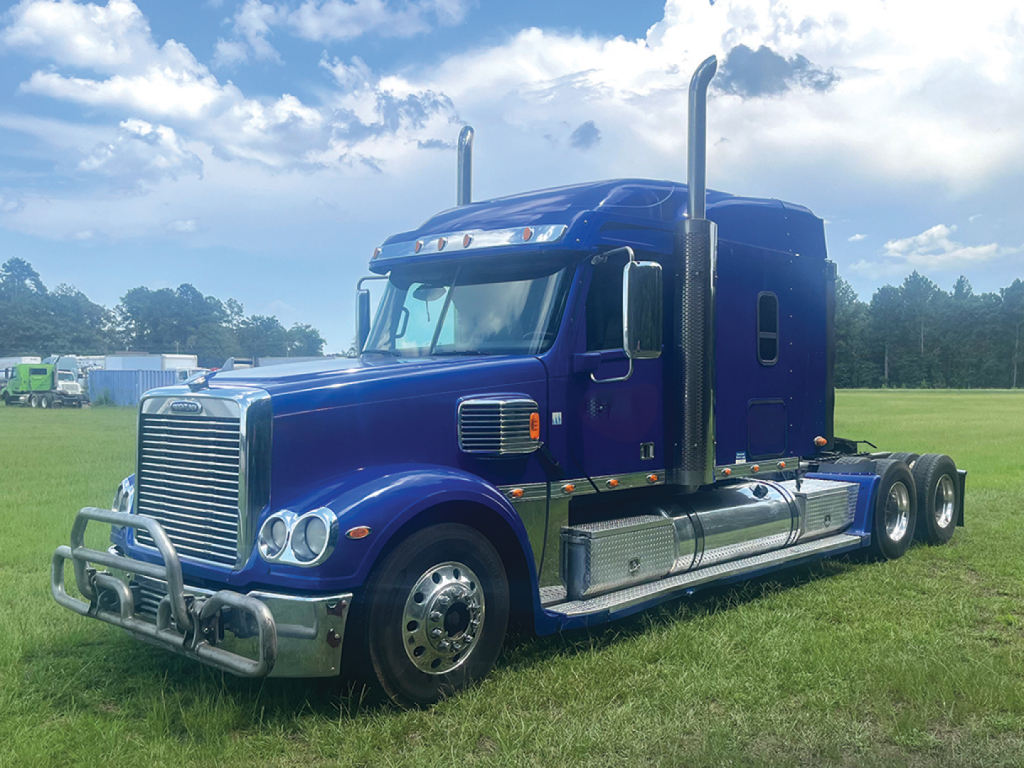
For buyers comparing 2018 Freightliner trucks, the first decision is usually application. An M2 106 is often set up for city and regional work with Cummins power, automatic transmissions, single axles, and bodies such as dry van boxes with liftgates, E-track, scuff liners, and roll-up rear doors. A highway-spec Freightliner from the same year is more likely to be built around Detroit diesel power, tandem rear axles, air ride suspension, aerodynamic fairings, and a wheelbase suited to fifth wheel work. In North Carolina, that distinction matters because urban pickup and delivery routes around Charlotte, Raleigh, and Greensboro call for maneuverability, while port, manufacturing, and interstate freight lanes favor sleeper and tandem-axle specifications.
The important spec checks on a used 2018 Freightliner are engine and transmission pairing, axle ratio, suspension type, wheelbase, and any body or PTO equipment. On medium-duty trucks, buyers should verify GVWR, body length, liftgate capacity, door opening dimensions, and interior cargo condition, especially floor wear, roof condition, and tie-down setup. On tractors, focus on horsepower, torque rating, transmission type, rear axle capacity, fifth wheel style, and the service history of emissions components such as the DPF and DEF system. Freightliner remains a common fleet choice because components are widely supported, diagnostics are familiar to many shops, and replacement parts are generally easier to source than on low-volume brands.
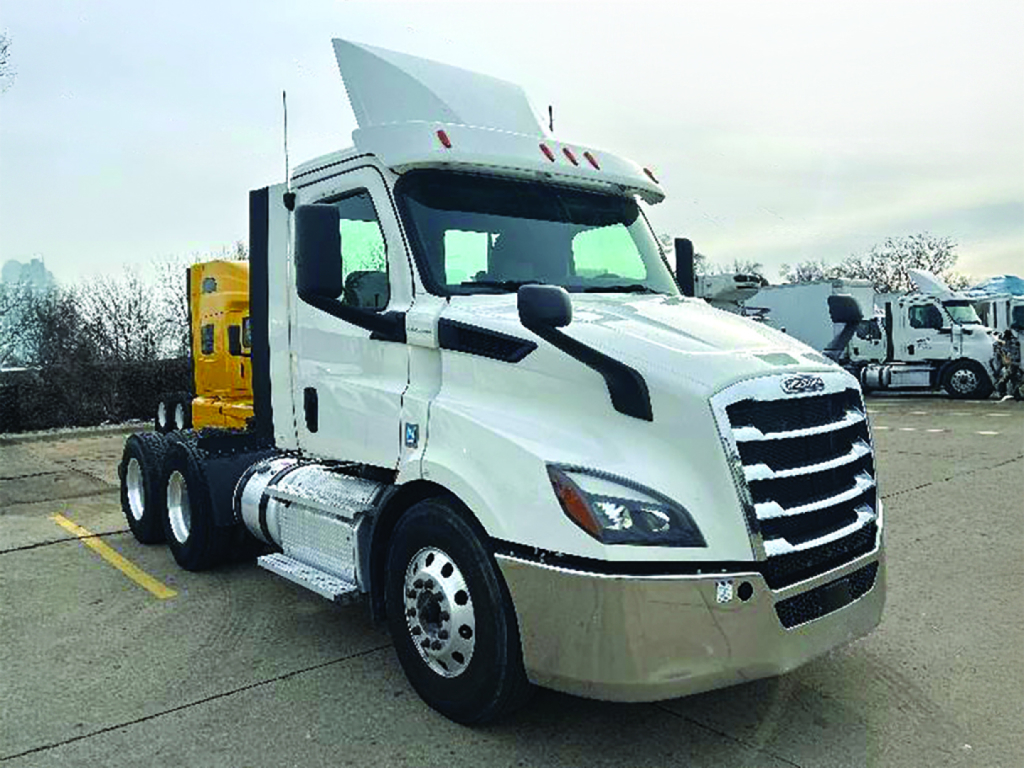
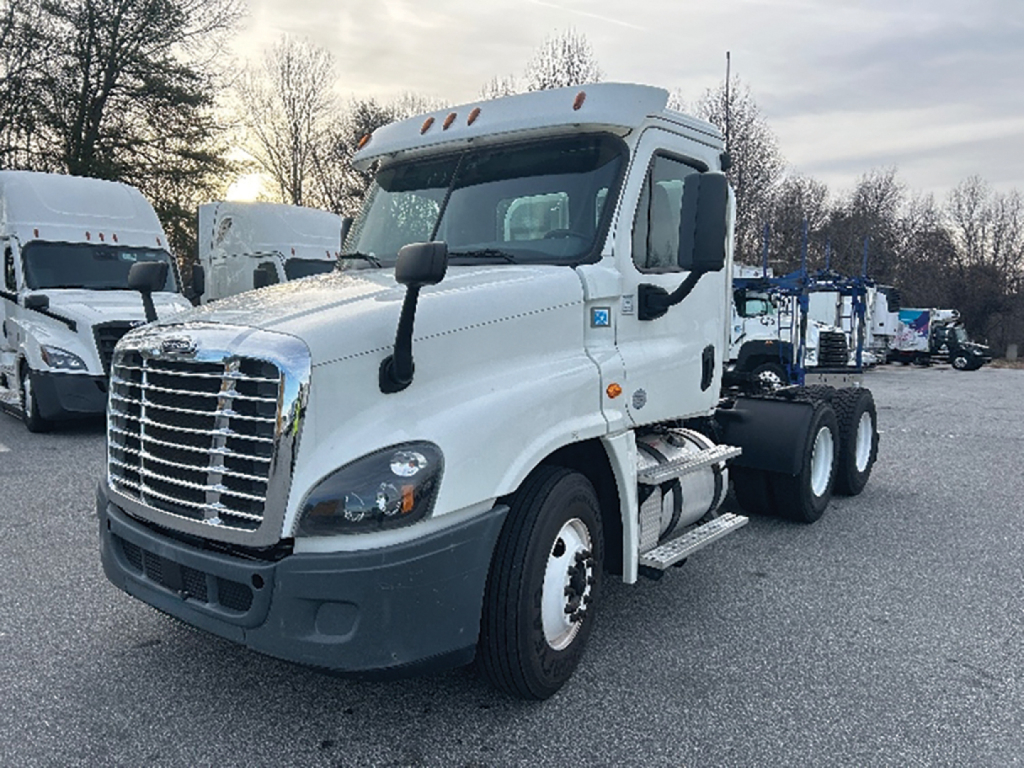
Cab layout and operating environment also matter on a 2018 model. Day cabs and medium-duty conventionals are often preferred for local routes, municipal work, and final-mile freight, while raised-roof sleepers make more sense for irregular route and over-the-road use. Air ride suspension, aluminum fuel tanks, low-profile 22.5 tires, power accessories, and cruise control are all common features that affect comfort and operating cost. A buyer looking at 2018 Freightliner trucks in North Carolina should match the truck to route density, bridge-law requirements, dock access, and expected payload rather than shopping by price alone. The right spec will outperform a cheaper unit that is mismatched to the work.
Frequently Asked Questions about 2018 Freightliner Trucks in North Carolina
What are the most common 2018 Freightliner truck models buyers look for?
The most common 2018 Freightliner trucks on the used market include the M2 106 for medium-duty and straight-truck applications and the Cascadia for highway tractor work. The M2 platform is frequently used for box trucks, flatbeds, dump bodies, and service bodies because it offers good visibility, maneuverability, and broad body-upfit compatibility. The Cascadia is more common in regional and long-haul service, usually with aerodynamic features, tandem axles, and sleeper or day cab configurations.
Is a 2018 Freightliner a good choice for North Carolina regional operations?
A 2018 Freightliner is often a strong fit for North Carolina regional work because the brand is widely supported and available in many configurations. Medium-duty Freightliners work well for local delivery, retail distribution, and contractor use in urban markets, while Cascadia tractors are well suited for interstate freight moving through major corridors such as I-40, I-85, and I-95. Buyers should still match the truck to terrain, freight weight, and route length, especially when choosing engine rating, axle ratio, and sleeper versus day cab layout.
What should I inspect first on a used 2018 Freightliner truck?
Start with the powertrain and maintenance records. Confirm engine hours, mileage, fault history, and service intervals for oil changes, transmission service, brakes, and suspension components. On 2018 emissions-era trucks, inspect the DPF, DEF system, and related aftertreatment service history. If the truck is a straight truck, inspect the body closely for floor damage, leaks, liftgate function, door seal wear, and tie-down condition. If it is a tractor, check the fifth wheel, frame condition, tire wear pattern, and signs of uneven loading or alignment problems.
What engine and transmission setups are common in 2018 Freightliner trucks?
The setup depends on the class of truck. Medium-duty 2018 Freightliner models such as the M2 commonly use Cummins engines paired with Allison automatic transmissions, especially in pickup and delivery or vocational service. Highway tractors from Freightliner often use Detroit diesel engines with automated manual transmissions, although some manual transmissions still appear in specialized applications. Buyers should compare horsepower, torque, rear axle ratio, and intended payload instead of focusing on engine make alone.
Are parts and service support good for 2018 Freightliner trucks?
Parts and service support are generally one of the stronger reasons to consider a Freightliner. The brand has a large service network, broad aftermarket support, and common component spec combinations that many independent shops already know well. That can help reduce downtime and simplify repairs, especially for fleets or owner-operators running in states like North Carolina where Freightliner trucks are common in both medium-duty and Class 8 applications.