
2018 Freightliner Conventional Daycab Trucks For Sale in North Carolina
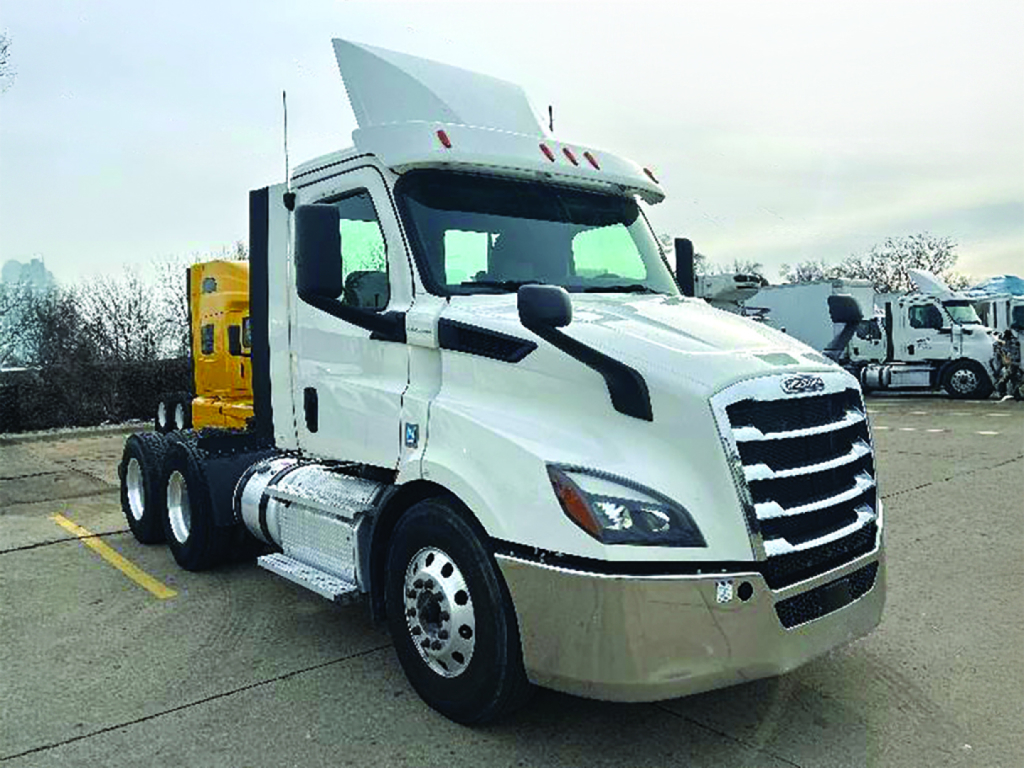
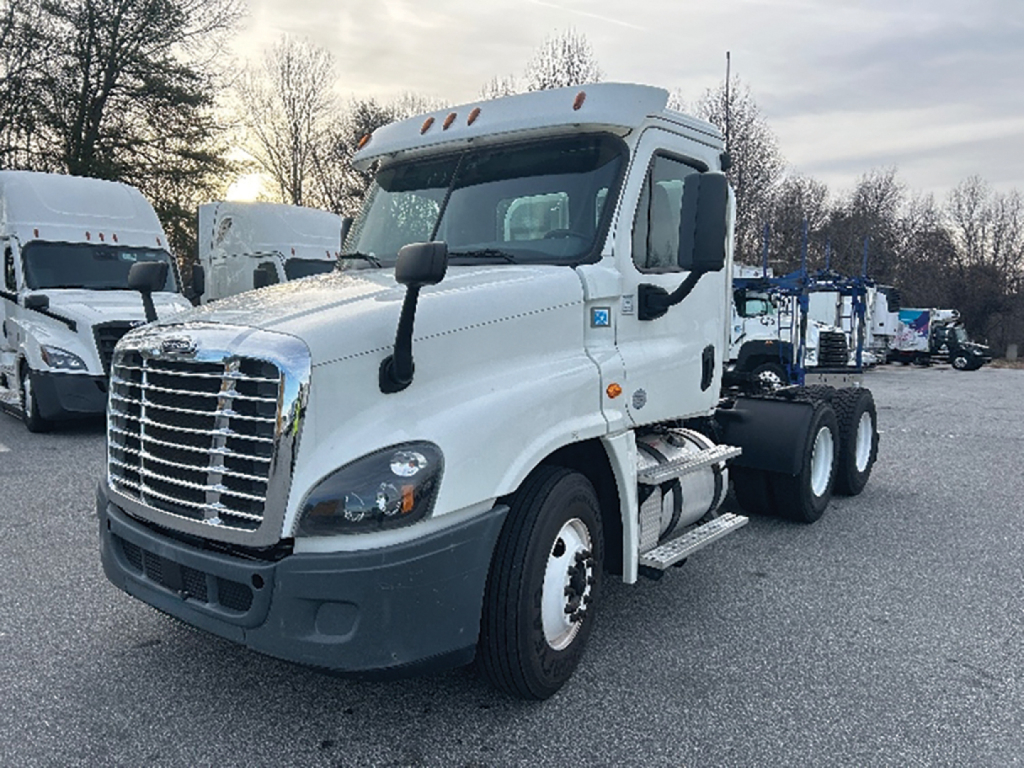

Have 2018 freightliner conventional daycab truck to sell? List it here to reach thousands of buyers.
2018 Freightliner Conventional Daycab Trucks in North Carolina
For 2018 Freightliner daycab buyers, powertrain spec is the first thing to sort out. Many trucks in this year range are equipped with Detroit DD13 or DD15 engines paired with Detroit DT12 automated manual transmissions, though some units may carry manual transmissions depending on the original fleet order. Common highway specs include 400 to 455 horsepower, tandem rears around 40,000 pounds, and rear axle ratios such as 3.08 for fuel-conscious regional use. Wheelbases often fall in the 170 to 195 inch range on tractor applications, which matters for turning radius, trailer gap, and weight distribution. Buyers should also check for air slide fifth wheel, engine brake, disc versus drum brakes, tire size, and whether the truck has full aerodynamic equipment such as roof fairings, cab extenders, and quarter fenders.
A 2018 Freightliner Cascadia daycab can be a strong fit for North Carolina operations because it balances interstate efficiency with urban access in places like Charlotte, Raleigh, Greensboro, Wilmington, and port-related lanes. For stop-and-go work, transmission calibration, clutch life on automated manuals, brake condition, and idle hours matter as much as engine mileage. For heavier regional freight, look closely at suspension type, frame condition, PTO provisions, and the exact rear axle rating. If the truck will haul dry van or reefer regularly, aero spec and axle ratio will influence fuel economy. If it will be used for tanker, dump, or pneumatic applications, PTO setup, wheelbase, and frame layout become more important than sleeper-delete savings alone.
Condition and maintenance history usually separate one 2018 Freightliner daycab from another more than the badge on the hood. A buyer should review service records for emissions components, transmission updates, cooling system work, and front-end wear. Inspect the fifth wheel plate and slider rails for excessive movement, verify suspension bushing condition, and look for uneven tire wear that points to alignment or axle tracking issues. Inside the cab, check seat condition, steering wheel controls, HVAC performance, and instrument cluster faults, because these trucks often accumulate high duty-cycle hours in regional service. A well-specced 2018 Freightliner conventional daycab still makes sense for buyers who need a modern aerodynamic truck with broad parts support, driver familiarity, and strong fleet acceptance in the used market.
Frequently Asked Questions about 2018 Freightliner Conventional Daycab Trucks in North Carolina
What is the difference between a Freightliner daycab and a sleeper truck?
A Freightliner daycab is a non-sleeper conventional truck built for routes that do not require overnight accommodations. It typically weighs less than a comparable sleeper, offers a shorter wheelbase, and is easier to maneuver in yards, city streets, and tight docks. That makes it a common choice for local freight, regional hauling, drayage, and dedicated fleet work where cab space is less important than payload, turning radius, and operating efficiency.
What engine and transmission specs are common in a 2018 Freightliner conventional daycab?
Many 2018 Freightliner conventional daycab tractors, especially Cascadia models, were spec'd with Detroit DD13 or DD15 engines and Detroit DT12 automated manual transmissions. Horsepower commonly falls in the 400 to 455 HP range for linehaul and regional use, though exact ratings vary by fleet application. Buyers should verify engine brake configuration, rear axle ratio, transmission calibration, and whether the truck was intended for fuel economy, heavier payloads, or frequent stop-and-go service.
Is a 2018 Freightliner daycab good for local and regional hauling?
Yes. A 2018 Freightliner daycab is well suited for local and regional hauling because it combines highway-capable power with a shorter, lighter layout than a sleeper tractor. It is a strong fit for dry van, reefer, intermodal, dedicated fleet routes, and terminal shuttle work. The best results come from matching the axle ratio, wheelbase, and engine rating to the route profile, trailer type, and average gross combination weight.
What should I inspect on a used 2018 Freightliner daycab before buying?
Focus on maintenance history, emissions system service, transmission software updates, brake condition, suspension wear, and tire pattern. On a tractor, inspect the fifth wheel, frame rails, slider operation, driveline, and rear suspension bushings. On higher-mileage regional trucks, idle hours, coolant system repairs, and DPF or aftertreatment history can be as important as odometer miles. A diagnostic scan and a review of fault codes are worthwhile on any electronically managed 2018 model.
Are all Freightliner conventional daycabs in this category highway tractors?
No. Most buyers searching this category are looking for conventional daycab tractors such as the Freightliner Cascadia, but some listings can include Freightliner M2 106 daycab-style straight trucks. The Cascadia is generally aimed at tractor applications and regional highway service, while the M2 platform is often used in box truck, delivery, and vocational configurations. The chassis layout, wheelbase, rear axle rating, and body or fifth wheel setup will quickly tell you which type of operation the truck was built for.