
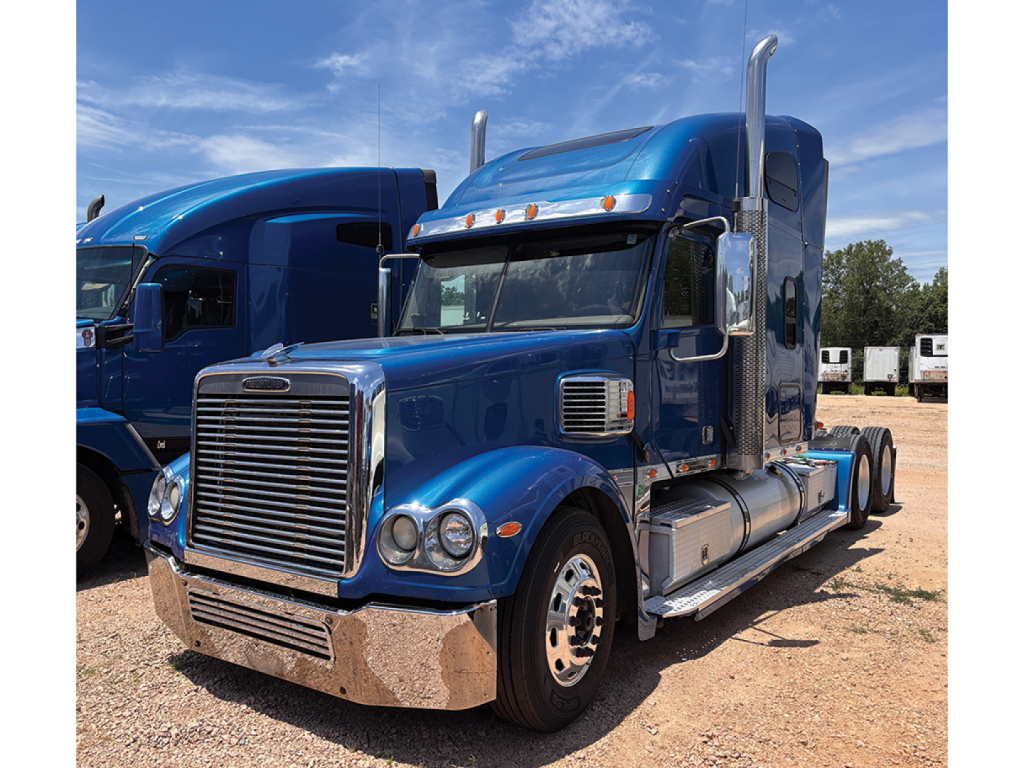
2018 Freightliner Conventional Sleeper Trucks For Sale in North Carolina
Shop 2018 Freightliner conventional sleeper trucks in North Carolina. Compare Cascadia and other sleeper specs for long-haul, team, and regional use.
Learn more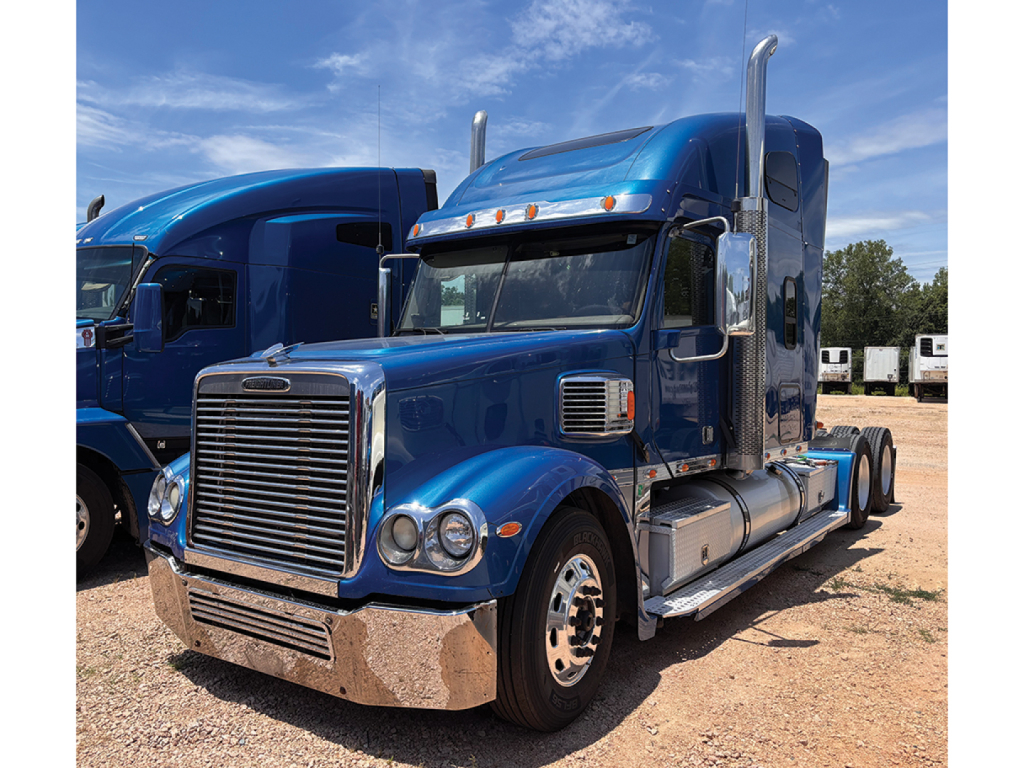

Have 2018 freightliner conventional sleeper truck to sell? List it here to reach thousands of buyers.
About 2018 Freightliner Conventional Sleeper Trucks in North Carolina
The biggest decision is often engine and transmission spec. A 2018 Freightliner conventional sleeper may be equipped with a Detroit DD13 or DD15, and many are paired with the DT12 automated manual transmission, though some trucks in the broader sleeper market still use manual gearboxes. Horsepower commonly falls in the 400 to 505 HP range, with rear axle ratios selected for either fuel economy or pulling power. Long wheelbase and 40,000 lb rears are common on highway specs, along with air ride suspension, air slide fifth wheels, and dual fuel tanks. Buyers running heavy van, reefer, or dedicated contract freight should check GCWR, ratio, and cruise RPM before putting too much weight on mileage claims.
Cab and chassis details matter more than they seem on a used sleeper. Fairings, cab extenders, and roof aero packages help fuel economy at highway speed, while disc brakes, collision mitigation, and integrated driver-assist features can improve safety and resale appeal. Inside the sleeper, look for bunk heater or APU setup, inverter capacity, storage layout, and signs of hard idle hours. On a 2018 model, maintenance history is critical. DPF service, one-box history, injector work, transmission calibration, and suspension wear points should all be part of the review. If the truck has been on southeastern regional routes, pay close attention to humidity-related interior wear, corrosion around battery boxes and frame hardware, and the condition of tires and brakes after stop-and-go service.
Freightliner conventional sleeper trucks are popular because parts support is strong, most technicians know the platform, and the trucks can be spec'd for very different jobs. A fuel-focused Cascadia sleeper for dry van work is a very different truck from a heavier glider-style or vocationally influenced sleeper setup, even if both wear Freightliner badges. The right 2018 truck comes down to matching sleeper height, wheelbase, engine rating, transmission type, and axle ratio to your lanes. Buyers who start with application instead of cosmetics usually end up with a better truck and a lower cost per mile.
Frequently Asked Questions
What engine and transmission setups are common in a 2018 Freightliner conventional sleeper truck?
Most 2018 Freightliner conventional sleeper trucks are equipped with Detroit power, typically a DD13 or DD15, with horsepower commonly in the 400 to 505 HP range. Many are paired with the Detroit DT12 automated manual transmission, although some buyers still prefer manual transmissions for certain operations. The best setup depends on freight type, terrain, and cruising speed. A fuel-mileage spec for dry van freight will usually differ from a heavier spec intended for reefer, dedicated, or higher gross combination weight applications.
Is a 2018 Freightliner sleeper truck a good choice for long-haul use?
Yes. A 2018 Freightliner conventional sleeper is a strong fit for long-haul work when the truck is spec'd correctly and has documented maintenance history. Raised-roof sleeper configurations, dual fuel tanks, aerodynamic packages, and idle-reduction options make these trucks practical for multi-day routes. Buyers should pay close attention to sleeper size, bunk layout, HVAC performance, and idle hours because driver comfort and hotel load capability have a direct effect on retention and uptime.
What should I inspect on a used 2018 Freightliner conventional sleeper?
Focus on emissions system history, engine and transmission fault records, suspension wear, brake condition, and signs of excessive idle time. On Freightliner sleepers in this age group, buyers should review DPF and one-box service records, check for coolant or oil leaks, inspect the fifth wheel and frame for wear, and verify that all sleeper components function correctly. It is also smart to confirm rear axle ratio, wheelbase, and tire size because those items have a major impact on performance and fuel economy.
What sleeper size is best in a Freightliner conventional truck?
The right sleeper size depends on route length and driver needs. A 60-inch sleeper may be adequate for shorter regional overnights, while a 70-inch or 72-inch raised-roof sleeper is usually preferred for long-haul or team operations because it provides better standing room, storage, and rest space. Buyers should look beyond simple dimensions and evaluate bunk configuration, cabinet layout, heater or APU equipment, and overall sleeper condition.
Why do so many fleets choose Freightliner conventional sleeper trucks?
Freightliner sleeper trucks remain popular because they offer broad parts availability, a large service network, and specs that cover fuel-efficient fleet use as well as owner-operator preferences. The platform is widely understood by technicians and easy to source for common replacement parts. That support network matters on a used truck because downtime, service access, and repair cost often matter more than the badge or trim level.