
2019 Freightliner Trucks For Sale in Georgia
Shop 2019 Freightliner trucks in Georgia. Compare Cascadia, M2, and vocational specs, engines, sleepers, wheelbases, and application fit.
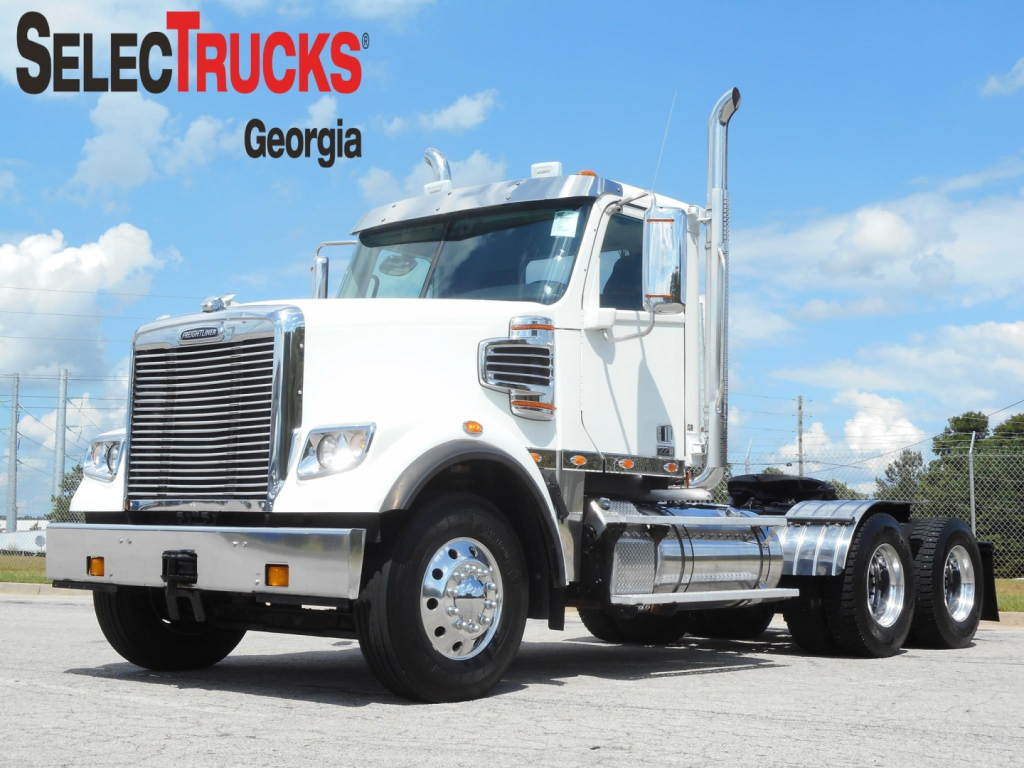
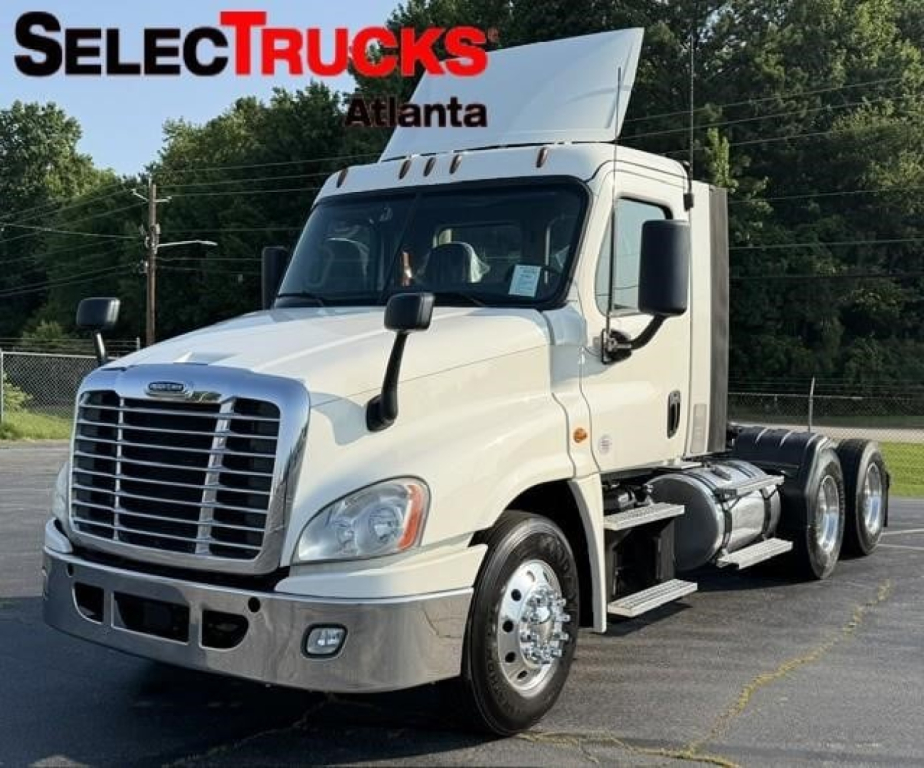
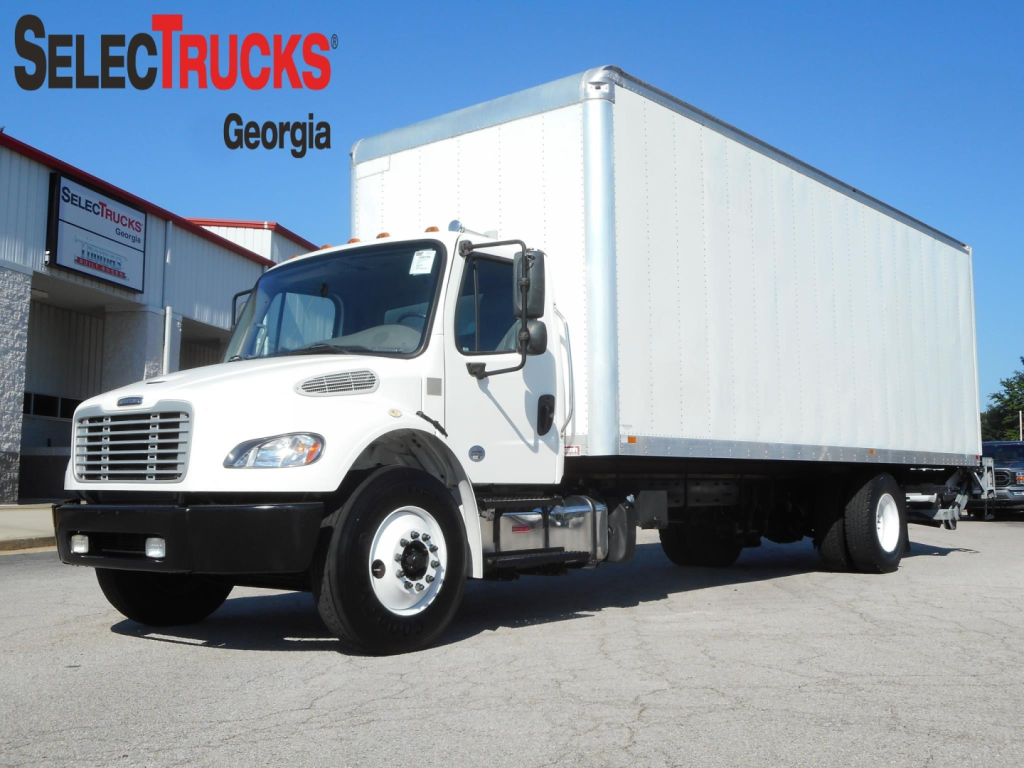

Selling a 2019 freightliner truck? List your 2019 freightliner truck for sale and reach thousands of commercial buyers.
2019 Freightliner Trucks in Georgia
Frequently Asked Questions about 2019 Freightliner Trucks in Georgia
What are the most common 2019 Freightliner truck models buyers look for?
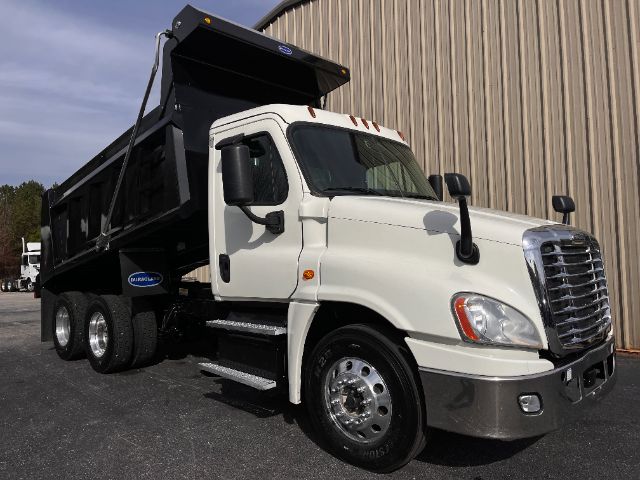
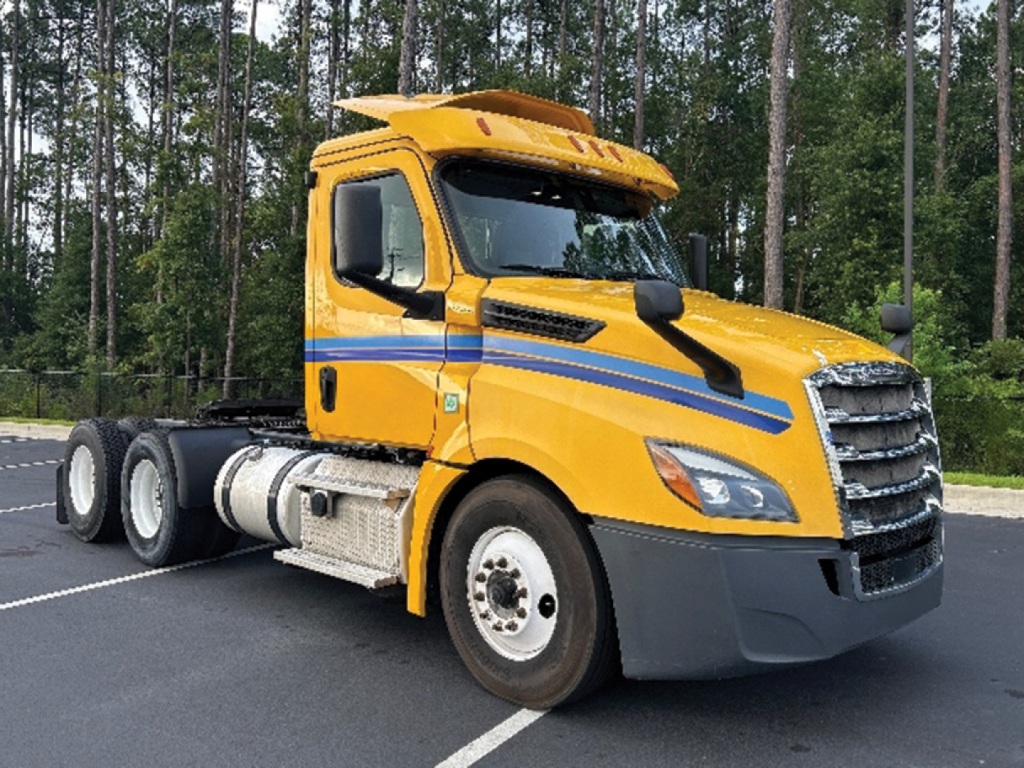
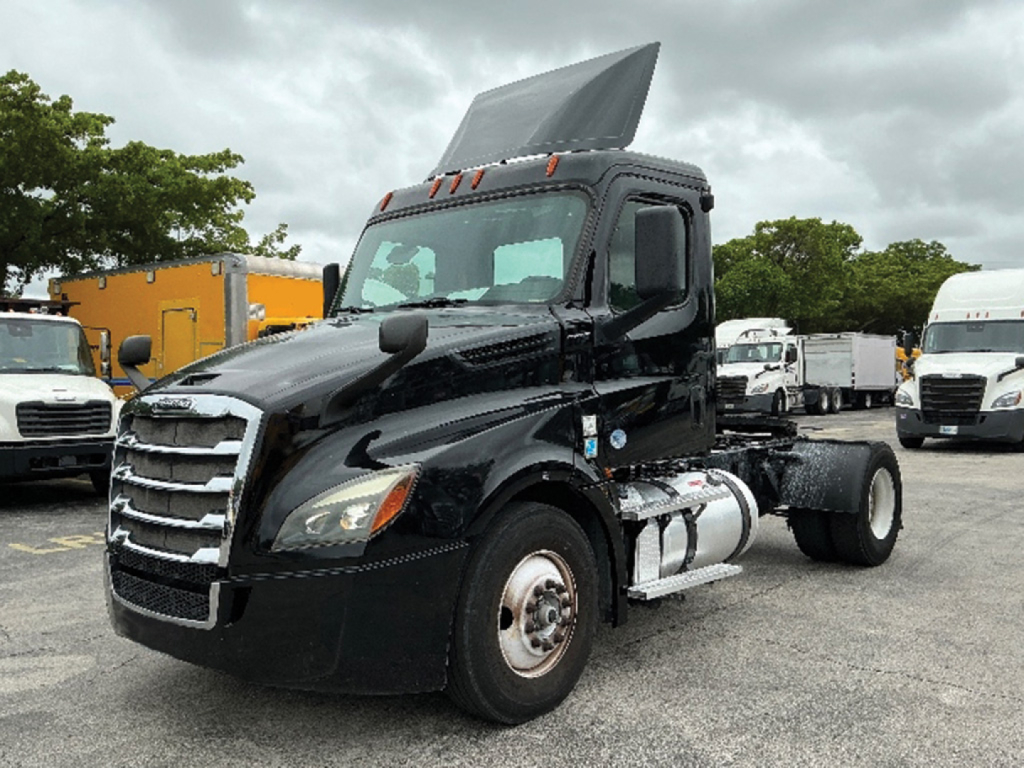
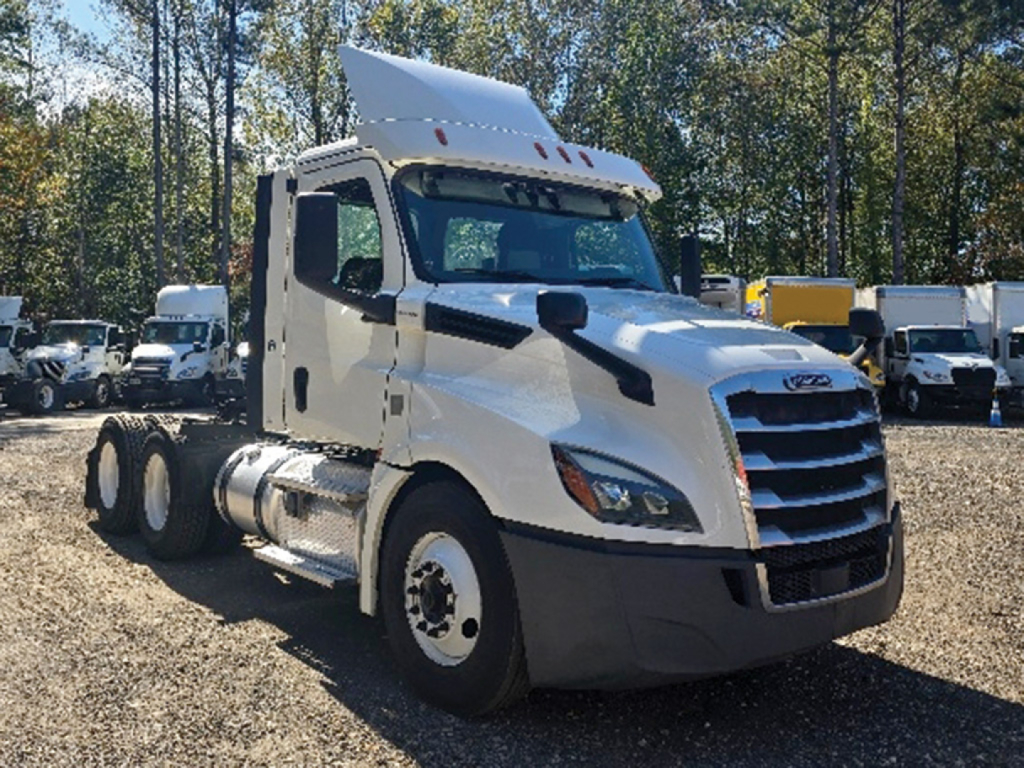
The most common 2019 Freightliner models depend on the job. The Cascadia is the primary highway tractor and is widely used in sleeper and day cab configurations for regional and over-the-road freight. The M2 106 is a common medium-duty platform for box trucks, flatbeds, dump bodies, service trucks, and other local or vocational applications. Buyers usually start with model family first because it determines cab design, engine range, axle ratings, and body compatibility.
What engine and transmission combinations are common in 2019 Freightliner trucks?
In 2019 Freightliner highway trucks, Detroit diesel engines such as the DD13 and DD15 are common, often paired with the DT12 automated manual transmission. Medium-duty models may use different diesel options depending on GVWR and intended use. For a buyer, the important part is not just the engine brand or horsepower rating but how the powertrain is spec'd as a package. Horsepower, torque, rear axle ratio, and transmission setup all affect fuel economy, startability, cruising RPM, and maintenance cost.
What should I check on a used 2019 Freightliner Cascadia?
A used 2019 Cascadia should be evaluated on more than mileage. Review engine hours, idle time, maintenance records, fault history, aftertreatment service, and any transmission or clutch calibration history if equipped with a DT12. Confirm suspension type, wheelbase, fifth wheel setup, and axle ratio so the truck matches the freight and trailer mix you plan to pull. It is also smart to inspect collision mitigation systems, bunk HVAC components, inverter setup, and tire wear patterns because those details can reveal how the truck was operated and maintained.
Is a 2019 Freightliner a good choice for Georgia operations?
A 2019 Freightliner can be a strong fit for Georgia because the brand has broad dealer and parts support, and the truck range covers port work, regional van freight, food distribution, construction support, and local delivery. Georgia buyers often need a truck that can handle interstate highway miles, urban traffic, and hot-weather operation. That makes cooling system condition, APU or bunk heater configuration, and driver comfort features worth checking closely, especially on sleeper models used in regional service.
How do I choose between a sleeper, day cab, and medium-duty 2019 Freightliner?
The choice comes down to route structure and payload needs. A sleeper makes sense for overnight or multi-day freight where driver retention and onboard storage matter. A day cab usually offers lower weight and simpler spec'ing for local or dedicated lane work. A medium-duty Freightliner such as an M2 is the better fit when the truck needs a box, flatbed, dump, crane, or service body rather than a fifth wheel. Buyers should decide based on body requirement, licensing, axle ratings, turning radius, and the amount of time the truck will spend on highway versus city routes.