
2019 Freightliner Conventional Daycab Trucks For Sale in Georgia
Shop 2019 Freightliner conventional daycab trucks in Georgia. Compare Cascadia and M2 specs, wheelbases, engines, transmissions, and axle setups.
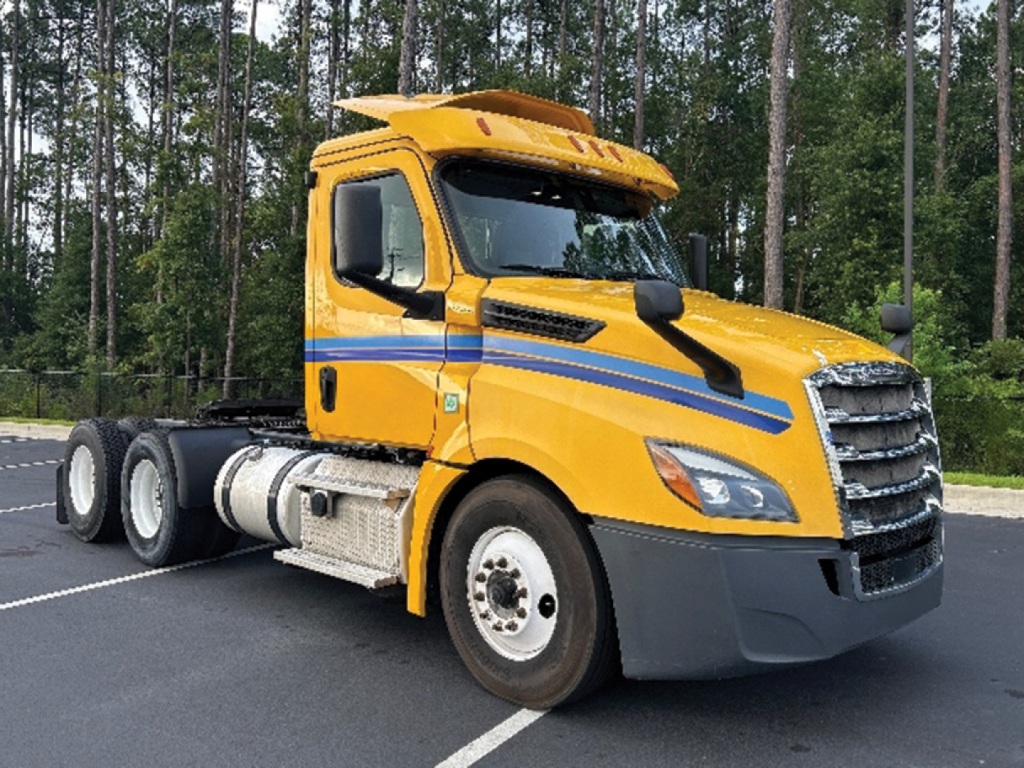
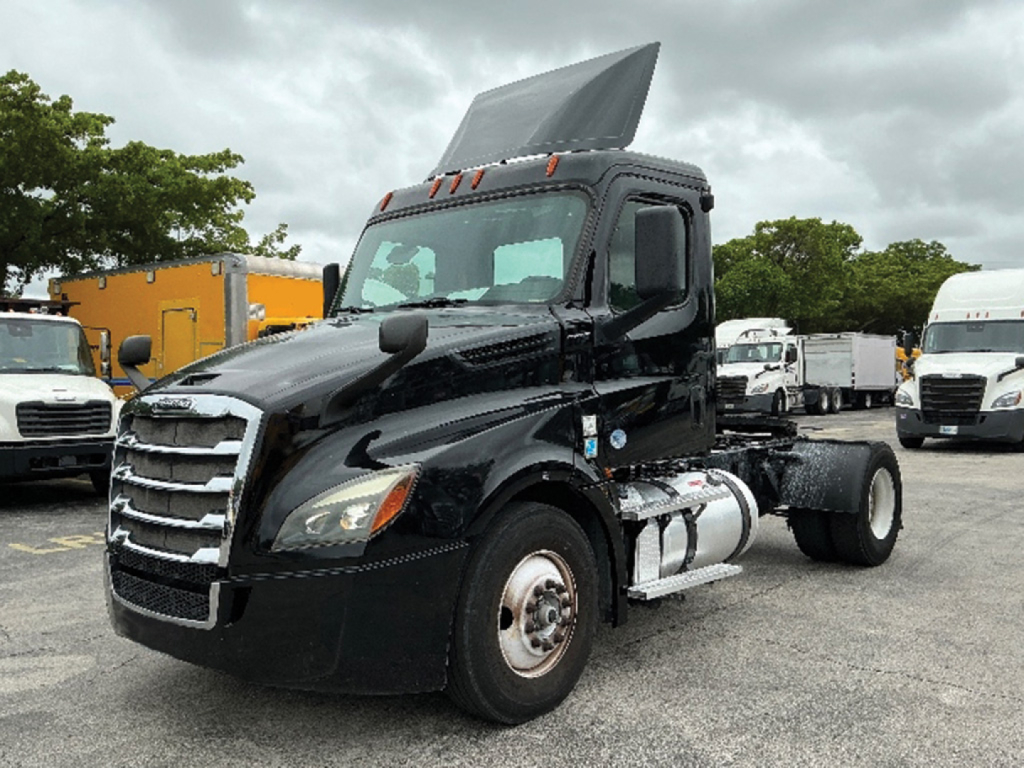
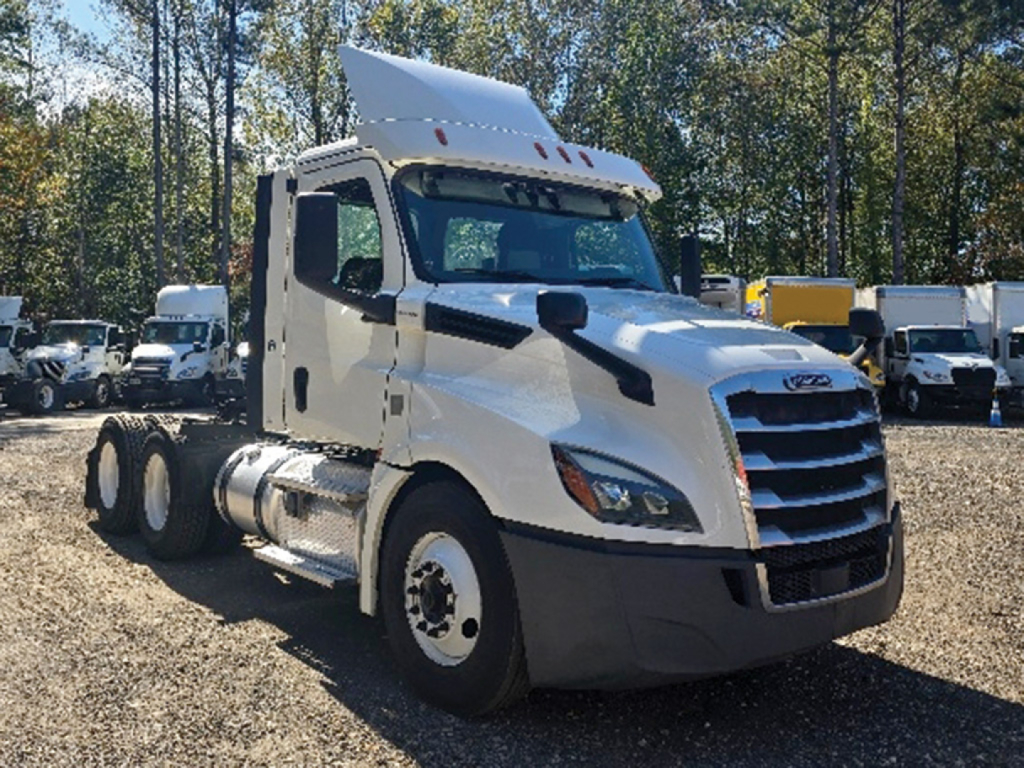

Selling a 2019 freightliner conventional daycab truck? List your 2019 freightliner conventional daycab truck for sale and reach thousands of commercial buyers.
2019 Freightliner Conventional Daycab Trucks in Georgia
For tractor buyers, 2019 Freightliner Cascadia daycabs commonly show up with Detroit DD13 or DD15 engines, automated manual transmissions such as the DT12 or Eaton Fuller UltraShift, and air ride suspension. Horsepower ratings in this class often run from the low-400s into the mid-400s, paired with rear axle ratios like 3.08 for fuel-conscious regional service or deeper gearing for more start-stop and heavier launch conditions. Wheelbase is another key decision point. A shorter 178-inch to 181-inch wheelbase helps maneuverability in tighter yards and urban freight corridors around Georgia, while the fifth wheel setup, sliding travel, and frame layout affect trailer gap, weight distribution, and the range of trailers the truck can handle.
For buyers looking at a 2019 Freightliner M2 106 daycab or non-sleeper straight truck, the spec priorities shift toward GVWR, body length, axle rating, and PTO or transmission compatibility if the truck is working in delivery or vocational service. Engines like the Cummins ISB 6.7 are common in this segment, often backed by an Allison automatic for stop-and-go operation. A 26,000 GVW configuration can be especially attractive for city and regional box truck work because it balances payload, maneuverability, and driver accessibility. Body details such as scuff liners, E-track, roll-up doors, threshold plates, and floor material matter just as much as the chassis when uptime and route efficiency are the priority.
Georgia buyers should pay close attention to emissions system history, idle hours, brake type, and tire size because these trucks often see dense regional freight lanes, warehouse traffic, and hot-weather operation. Disc brakes, collision mitigation systems, dual aluminum fuel tanks, engine brakes, and air slide fifth wheels are all valuable spec items on late-model Freightliner daycabs. The best choice usually comes down to route length, trailer or body type, expected payload, and how much low-speed maneuvering the truck will do each day. A properly matched 2019 Freightliner daycab can deliver lower operating cost than a sleeper tractor while still giving the driver a modern cab, solid visibility, and the drivetrain options needed for demanding local and regional work.
Frequently Asked Questions about 2019 Freightliner Conventional Daycab Trucks in Georgia
What is the difference between a 2019 Freightliner Cascadia daycab and a 2019 Freightliner M2 106 daycab?
The main difference is application and weight class. A 2019 Freightliner Cascadia daycab is generally a Class 8 highway tractor built for pulling semitrailers in regional, drayage, or dedicated service. It commonly uses Detroit DD13 or DD15 engines, tandem rear axles, and a sliding fifth wheel. A 2019 Freightliner M2 106 daycab is more often a medium-duty or straight truck platform used with van bodies, flatbeds, or vocational equipment. It is typically lighter, more maneuverable, and often powered by a Cummins ISB with an Allison automatic.
What engine and transmission combinations are common in 2019 Freightliner daycab trucks?
In 2019 Freightliner daycab trucks, common Class 8 combinations include the Detroit DD13 or DD15 paired with a DT12 automated manual or an Eaton Fuller automated transmission. In medium-duty M2 106 applications, buyers often see the Cummins ISB 6.7 with an Allison automatic. The right combination depends on duty cycle. Automated manuals usually favor highway fuel economy and lower driver fatigue, while Allison automatics are popular in stop-and-go delivery and vocational service.
What wheelbase is best for a Freightliner daycab in regional or local service?
A shorter wheelbase, often around 178 to 181 inches on a highway daycab tractor, generally improves maneuverability in tight terminals, customer yards, and city traffic. A longer wheelbase can help with ride quality, frame space, and certain trailer or equipment needs. The best wheelbase depends on trailer length, kingpin setting, fifth wheel position, axle spacing, and how often the truck must back into tight docks or navigate congested freight lanes.
Are 2019 Freightliner daycabs a good fit for Georgia operations?
Yes, 2019 Freightliner daycabs are well suited for Georgia freight patterns because they match regional haul, distribution center work, drayage, and metro delivery around major logistics corridors. Buyers in Georgia should pay close attention to cooling system condition, A/C performance, emissions system service records, and brake and tire condition because these trucks often work in heat, traffic, and frequent stop-start conditions. A daycab also makes sense when the route does not require overnight accommodations.
What should I inspect first on a used 2019 Freightliner conventional daycab?
Start with engine fault history, emissions components, transmission calibration, and maintenance records. Then inspect suspension wear, fifth wheel condition, brake type and remaining life, tire wear patterns, and any signs of frame or cab damage. On straight trucks, inspect the body interior, floor, door hardware, and cargo securement equipment. On tractors, verify rear axle ratio, wheelbase, and sliding fifth wheel travel so the truck matches the trailers and loads it will handle.