
2018 Freightliner Trucks For Sale
Shop 2018 Freightliner trucks for sale, including Cascadia and vocational models with DD13, DD15, DT12, and heavy-duty chassis options.
Learn more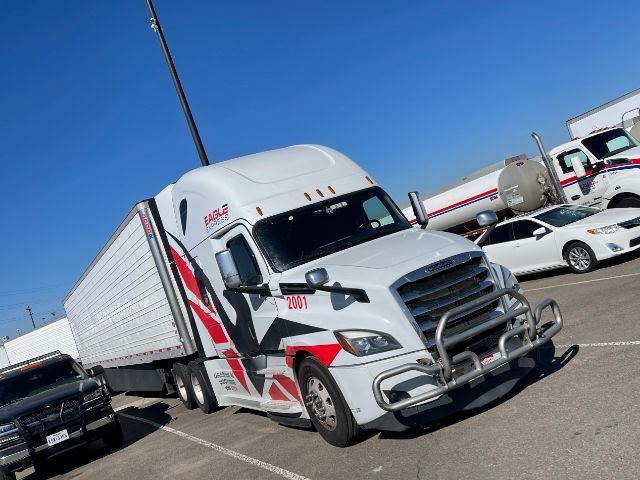
Showing 25 to 26 of 26 results
Have 2018 freightliner truck to sell? List it here to reach thousands of buyers.
About 2018 Freightliner Trucks
For highway buyers, 2018 Freightliner Cascadia trucks are commonly spec'd with Detroit DD13 or DD15 diesel engines and DT12 automated manual transmissions. Typical horsepower ranges run from the low 400s into the 500 HP range, with common rear axle ratings around 23,000 pounds for single axle tractors and 40,000 pounds for tandem axle 6x4 units. Pay close attention to axle ratio, wheelbase, and fifth wheel configuration because those three items shape fuel economy, bridge compliance, and trailer compatibility. A 3.08 to 3.25 ratio often fits regional and general freight work, while lower numerical ratios can favor long-haul fuel economy when paired with overdrive automated transmissions. Many 2018 Freightliner tractors also include collision mitigation, air ride suspension, air slide fifth wheels, disc or drum brakes, and aerodynamic packages with fairings and cab extenders.
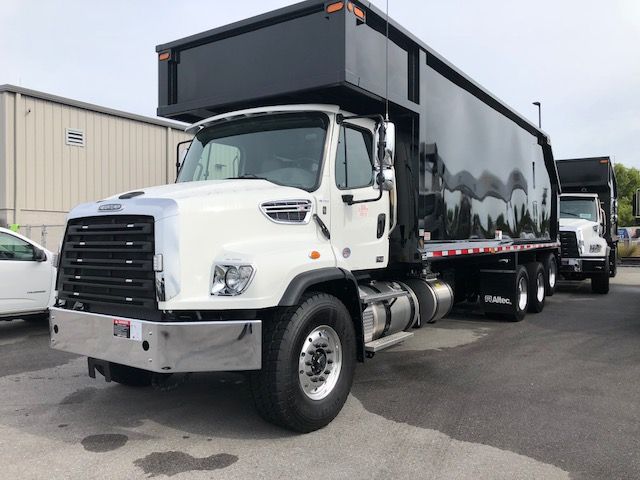
For vocational buyers, a 2018 Freightliner truck may be a better fit in an SD chassis with Cummins or Detroit power, automatic transmission options, and higher GVWR-focused component specs. These trucks are often selected for upfit potential, including vacuum systems, jetters, dumps, cranes, roll-offs, and utility bodies. In this segment, front axle rating, PTO provisions, frame rail configuration, suspension type, and cab-to-axle dimension are more important than sleeper amenities or fuel tank capacity. If the truck already carries specialized equipment, review pump hours, hydraulic condition, debris or tank capacity, and how the body weight affects legal payload. Buyers in municipal and contractor fleets also tend to watch corrosion, frame modifications, and idle-hour history more closely than over-the-road operators do.
Across the 2018 Freightliner lineup, the practical buying checklist is straightforward: verify engine family and emissions status, confirm transmission type and service history, match axle ratings to your load profile, and inspect suspension, brakes, tires, and electronic safety systems. Freightliner remains popular because parts availability is strong, service networks are extensive, and common drivetrain combinations from Detroit, Cummins, Meritor, and AirLiner suspension are widely understood by fleet shops and independent technicians. A well-matched 2018 Freightliner can still be a productive truck for regional haul, long-haul, construction support, municipal service, or specialized vocational work, provided the spec lines up with the job.
Frequently Asked Questions
What engines are common in 2018 Freightliner trucks?
2018 Freightliner trucks commonly use Detroit DD13 and DD15 engines in highway tractors, while vocational models may also carry Cummins engines such as the ISL series depending on chassis and application. The DD13 is a common choice for regional haul and day cab work because it balances horsepower, weight, and fuel economy. The DD15 is more common in sleeper and long-haul specs where higher torque and lower cruise RPM are important.
Is a 2018 Freightliner Cascadia a good choice for regional or long-haul work?
Yes, the 2018 Freightliner Cascadia is widely used in both regional and long-haul service. The exact fit depends on wheelbase, axle ratio, engine rating, transmission, and whether the truck is a day cab or sleeper. Regional fleets often prefer DD13-powered day cabs with practical gearing and sliding fifth wheels, while long-haul operations often lean toward DD15 sleeper tractors with fuel-efficient ratios, larger fuel capacity, and aerodynamic packages.
What should I check first on a 2018 Freightliner vocational truck?
Start with the chassis and upfit match. Confirm GVWR, front and rear axle ratings, frame specifications, PTO setup, cab-to-axle measurement, and suspension type before evaluating the mounted equipment. Then inspect hydraulic systems, pump hours, tank or debris body condition, and any body-builder modifications. On vocational trucks, the truck and the equipment must work as one unit, so legal weight distribution and service access matter as much as engine condition.
Are DT12 automated transmissions common in 2018 Freightliner trucks?
Yes, the Detroit DT12 automated manual transmission is very common in 2018 Freightliner highway tractors, especially Cascadia models. It is popular with fleets because it supports fuel economy, standardized driver operation, and integration with Detroit powertrains. Buyers should still confirm clutch and transmission service history, calibration updates, and how the gearing matches the truck's axle ratio and intended route profile.
How do I choose between a single axle and tandem axle 2018 Freightliner?
Choose based on freight type, trailer weights, and operating geography. A single axle Freightliner can be a strong fit for lighter regional work, lower empty weight, and maneuverability, while a tandem axle 6x4 truck is the standard choice for heavier freight, broader trailer compatibility, and higher traction needs. Rear axle rating, fifth wheel position, and wheelbase should be reviewed together because they affect legal loading and turning radius.