
Ford Trucks For Sale in Florida
Browse Ford trucks for sale in Florida, including F-Series, E-Series, dump, tow, box, and chassis cab models for commercial work.
Learn more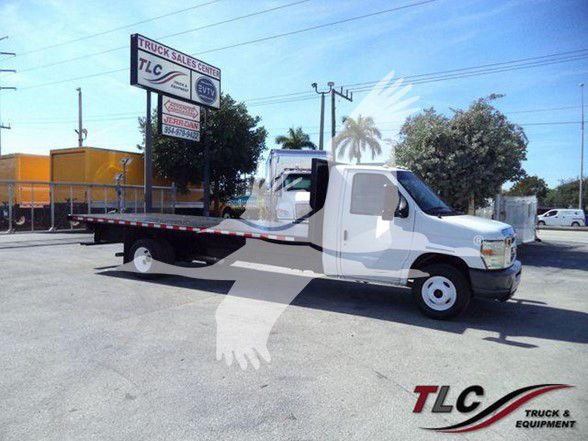
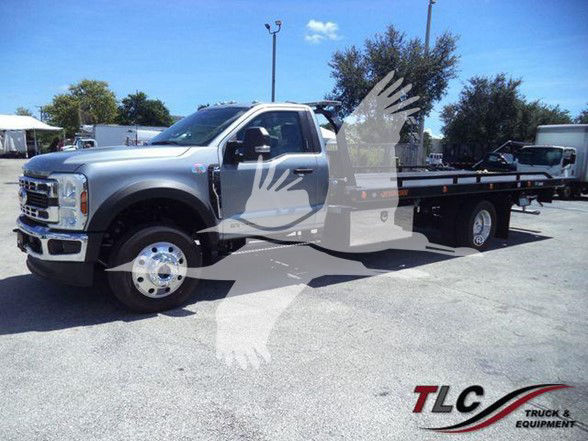
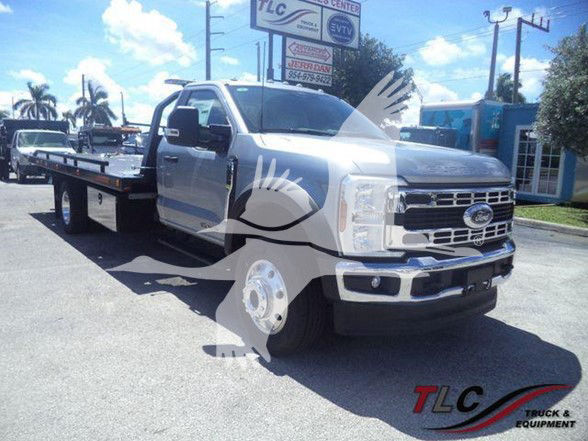
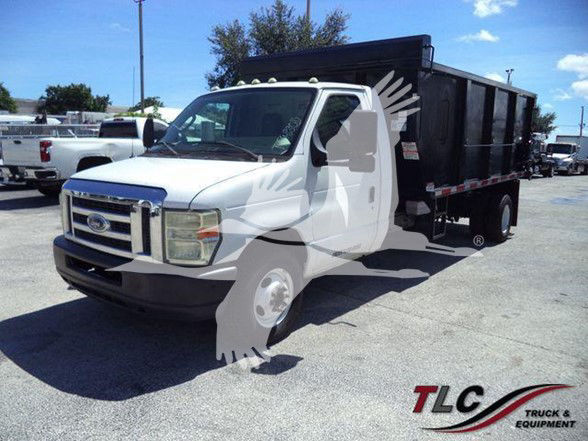
Showing 25 to 36 of 52 results
Have ford truck to sell? List it here to reach thousands of buyers.
About Ford Trucks in Florida
For vocational work, Ford Super Duty trucks are especially common in single-axle setups with 4x2 drivetrains, automatic transmissions, spring suspension, and either gas or diesel power. Gas engines can make sense for municipal service, landscaping, or shorter-route work where acquisition cost and maintenance simplicity matter. Ford diesel platforms, particularly in F-450 through F-750 applications, are more common in towing, rollback, and higher-GVWR service where torque, durability, and upfit flexibility are priorities. In Florida, rust is usually less of a structural issue than in northern markets, but buyers should still inspect cab corners, bed mounts, electrical systems, PTO operation, hydraulic components, and any corrosion tied to coastal exposure or utility-body use.
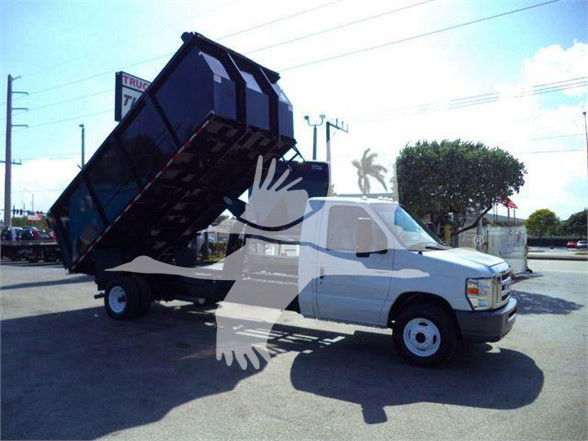
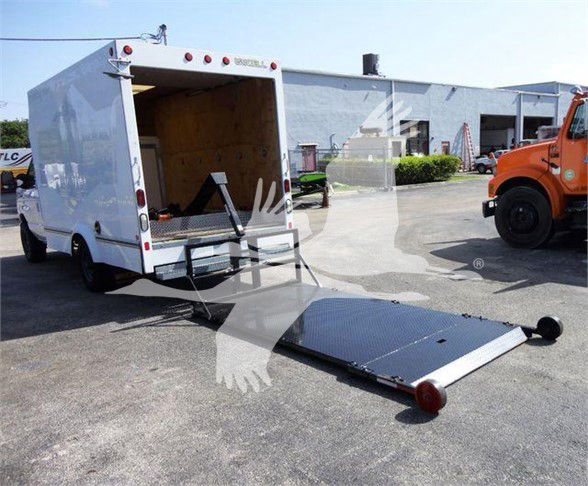
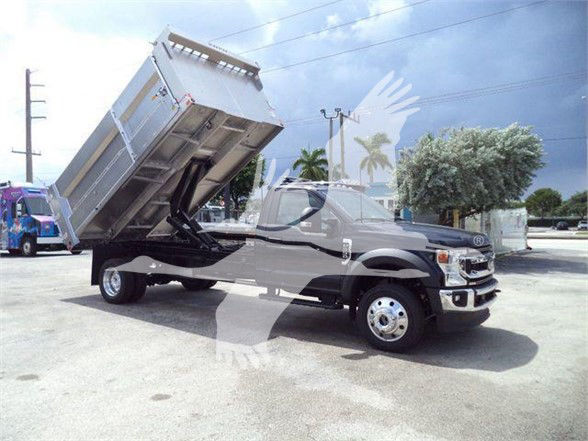
Body and upfit condition matters as much as the truck itself. On dump configurations, pay attention to hoist performance, floor thickness, side height, rear door style, tarp system, and hitch or trailer brake wiring if the truck pulls equipment. On tow and rollback units, look closely at wheel-lift rating, winch capacity, deck length, hydraulic response, tie-down equipment, and wear in the bed pivot and subframe areas. For box trucks and delivery applications, common checkpoints include box length, roll-up door condition, roof leaks, floor integrity, and whether the chassis GVWR matches the intended payload. Cab choice also changes usefulness fast. Regular cabs maximize body length, crew cabs support work crews, and extended cabs split the difference.
A good Ford truck purchase comes down to matching the chassis to the job rather than buying only on price or mileage. A lower-mile gas F-350 or F-550 may be a practical fit for local dump or landscape work, while an F-650 or F-750 with air brakes and a commercial-grade carrier body may be the better tool for heavier recovery or transport duty. Buyers should confirm axle rating, brake type, wheelbase, body manufacturer, and service history before comparing listings side by side. Ford trucks have broad parts availability, familiar service networks, and a long track record in vocational fleets, which is a major advantage when uptime matters.
Frequently Asked Questions
What Ford truck models are most common in commercial applications?
Ford commercial trucks most often appear as F-350, F-450, F-550, F-650, F-750, and E-Series models. The lighter Super Duty trucks are common for dump bodies, service bodies, and smaller tow setups, while the F-650 and F-750 are more common in medium-duty rollback, box, and vocational applications where higher GVWR and heavier upfits are required.
Is a gas or diesel Ford truck better for commercial use?
That depends on the job cycle and weight class. Gas-powered Ford trucks are often a solid choice for lower annual miles, local routes, landscaping, and municipal work because they can cost less to buy and maintain. Diesel trucks are usually the better fit for towing, heavier payloads, higher-GVWR chassis, and applications that demand more torque and long-term durability under load.
What should I inspect on a used Ford dump or tow truck?
Start with the chassis and the body as separate systems. On a dump truck, inspect the hoist, hydraulic lines, PTO engagement, dump floor, hinge points, side panels, tarp system, and rear gate operation. On a tow truck or rollback, inspect the carrier deck, wheel-lift, winch, hydraulic controls, bed pins, L-arms, chains, lighting, and any signs of frame stress or repair around the body mounts.
Do Ford medium-duty trucks usually require a CDL?
Not always. CDL requirement depends on the truck's GVWR, combined weight rating, brake setup, and how the unit is used. Some Ford F-650 and F-750 trucks are configured at or below thresholds that avoid CDL requirements, while others are clearly in CDL territory. Buyers should verify the door-sticker GVWR, registered weight, and any state-specific rules before making a decision.
Why are Ford trucks popular in fleet and vocational service?
Ford trucks are popular because they cover a wide range of commercial weight classes and accept many different body types and upfits. Parts availability is generally strong, most service shops are familiar with the platforms, and the chassis are widely used in dump, towing, delivery, and contractor applications. That combination helps reduce downtime and makes resale easier when specifications match common market demand.