
2024 Ford Commercial Trucks For Sale in Florida
Shop 2024 Ford trucks for sale in Florida. Compare Super Duty and medium-duty specs, cab options, GVWR classes, and body applications.
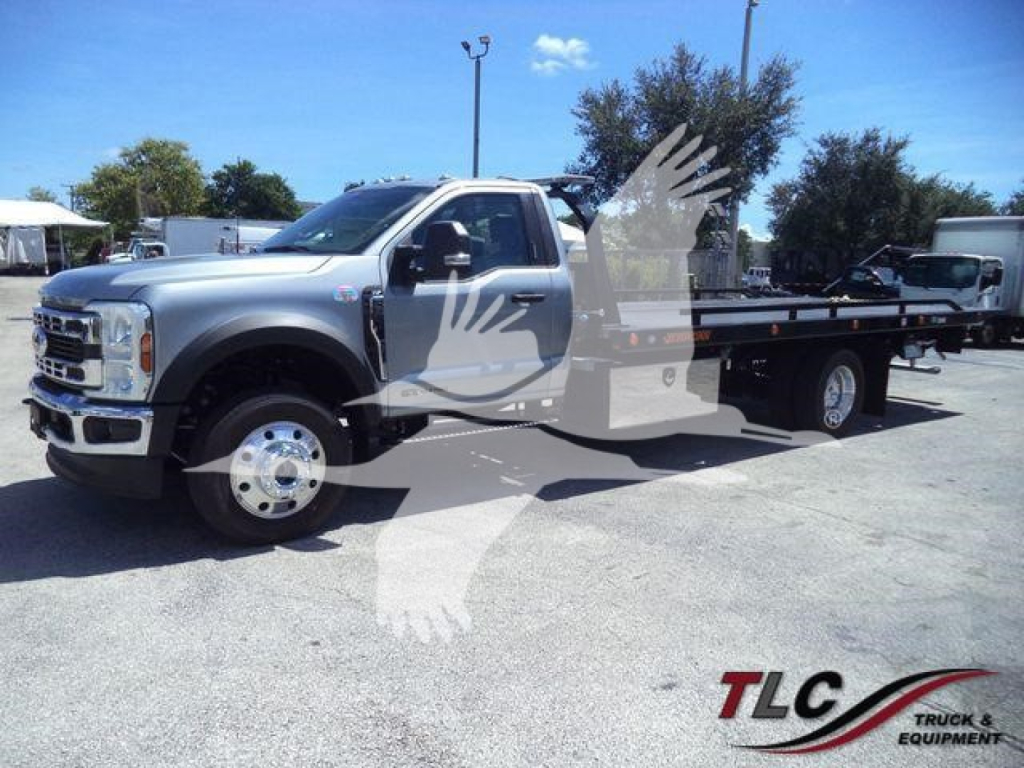
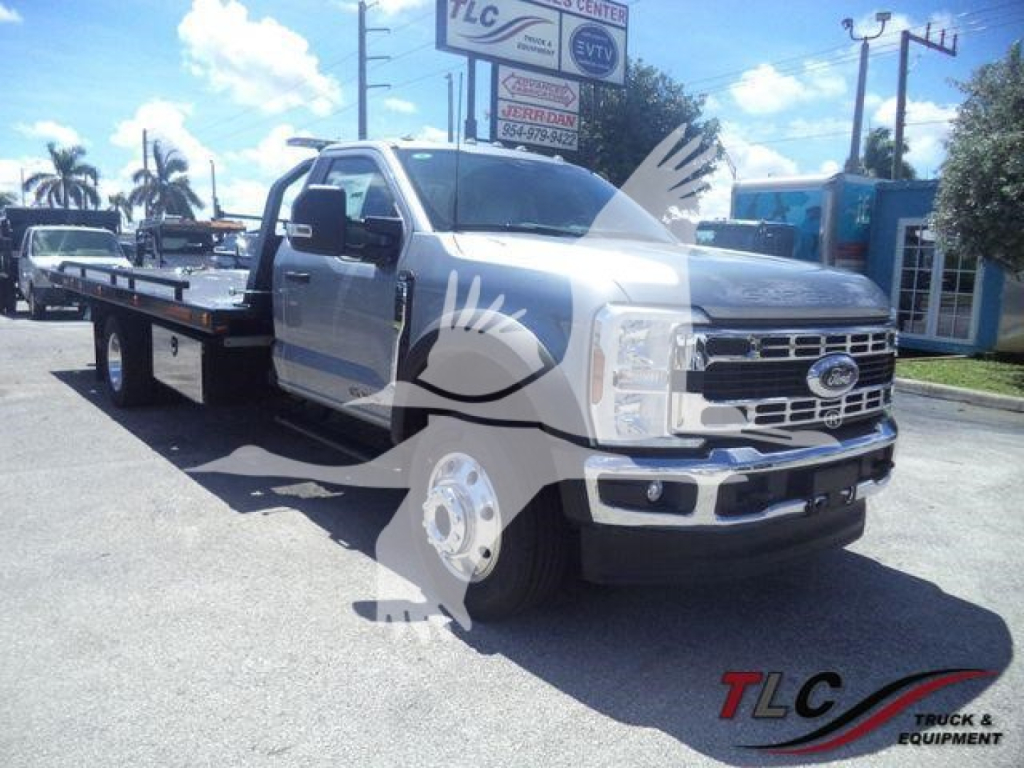
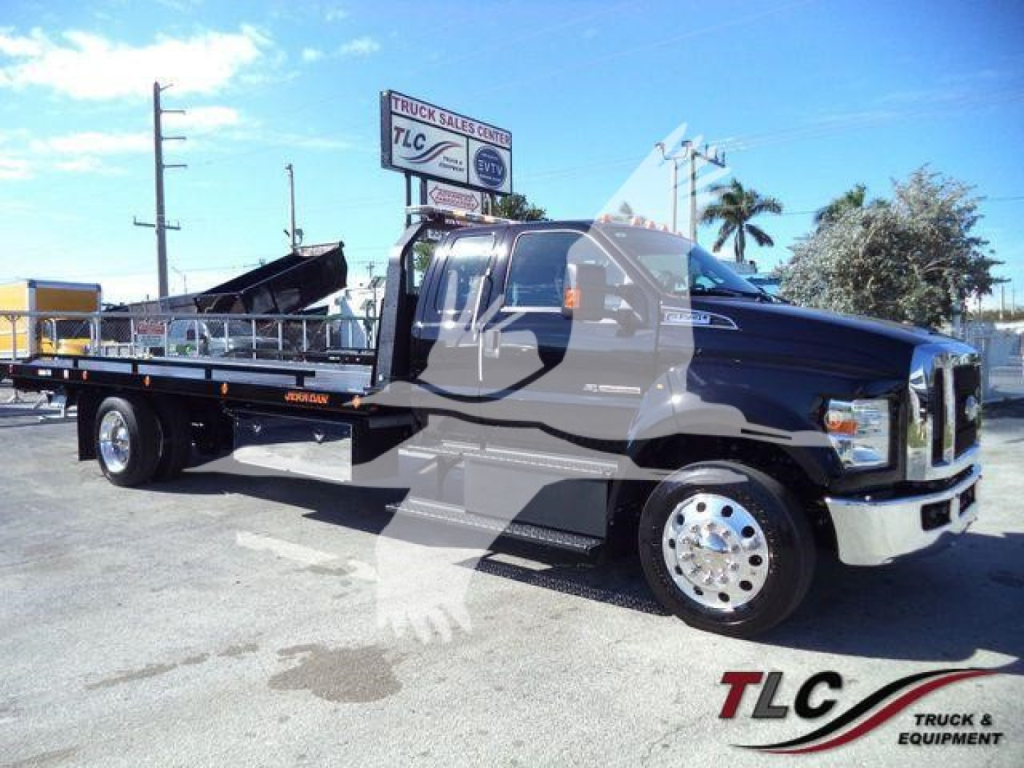
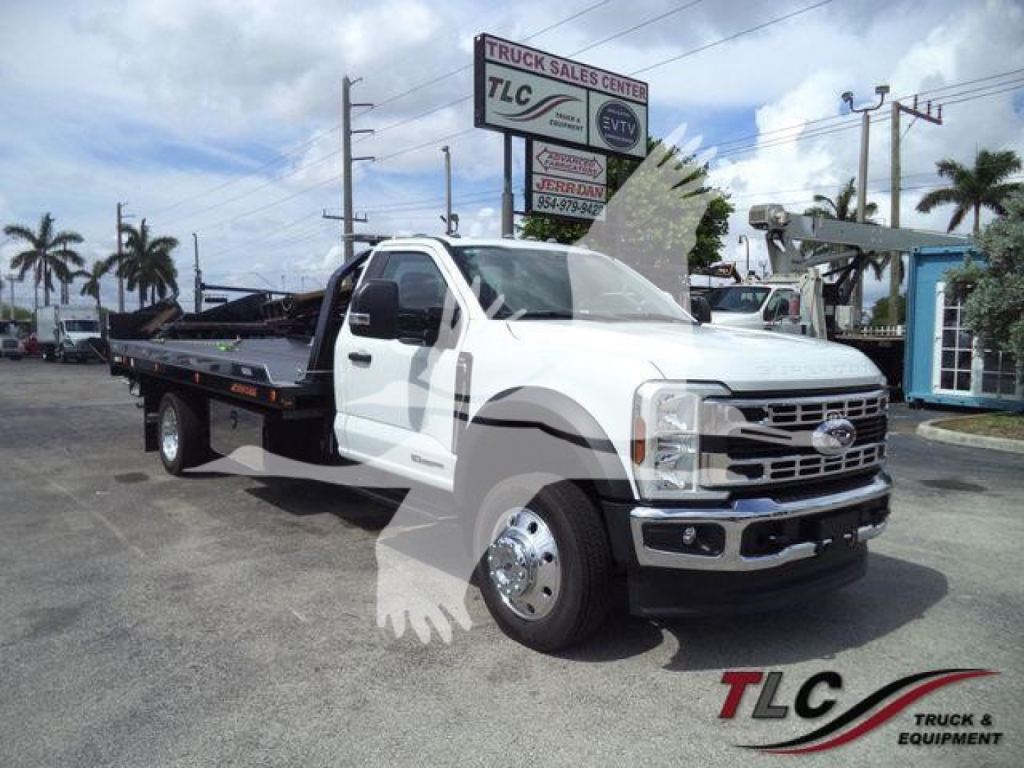
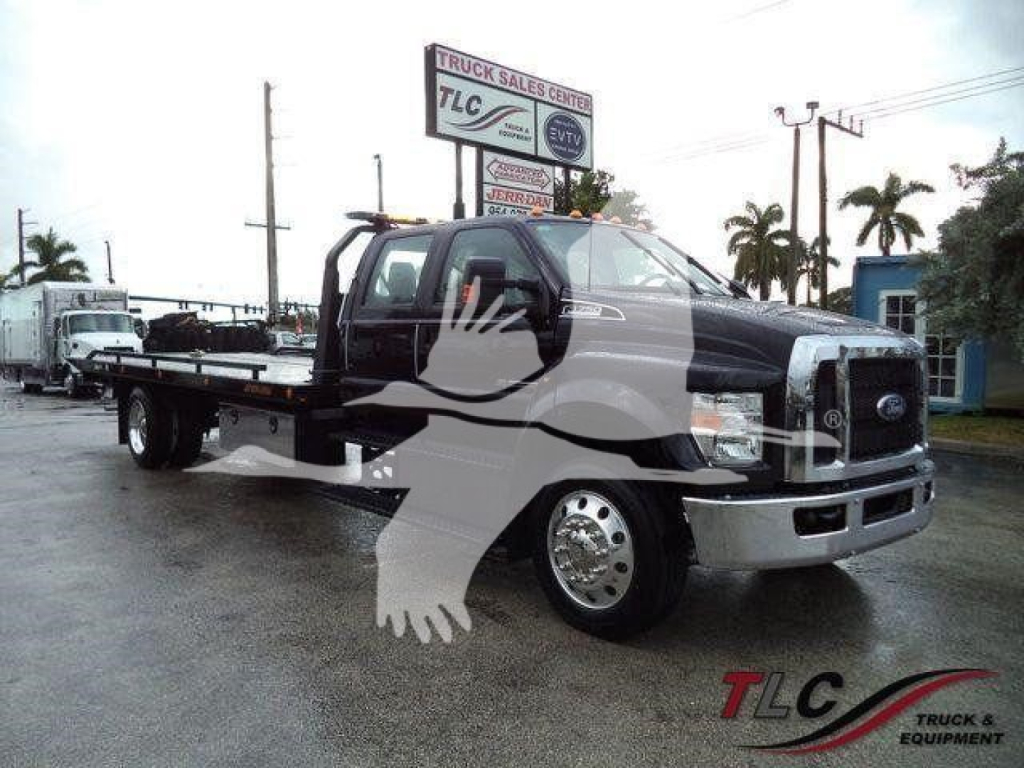
Selling a 2024 ford commercial truck? List your 2024 ford commercial truck for sale and reach thousands of commercial buyers.
2024 Ford Commercial Trucks in Florida
Powertrain and chassis configuration are usually the next filters. Many 2024 Ford work trucks are built around the 6.7L Power Stroke diesel on heavier applications, while gas engines may still make sense for lower-mileage local routes or specialized bodies with lighter annual use. Regular cab, SuperCab, and crew cab layouts each change frame space, turning radius, and crew capacity. Buyers should match axle ratings, wheelbase, suspension, and rear axle ratio to the actual body and duty cycle, not just the advertised GVWR. On heavier Ford trucks, air brakes, 22.5-inch rubber, PTO provisions, and higher-capacity front axles become important depending on whether the truck will carry a rollback, dump body, hooklift, crane, or utility package.
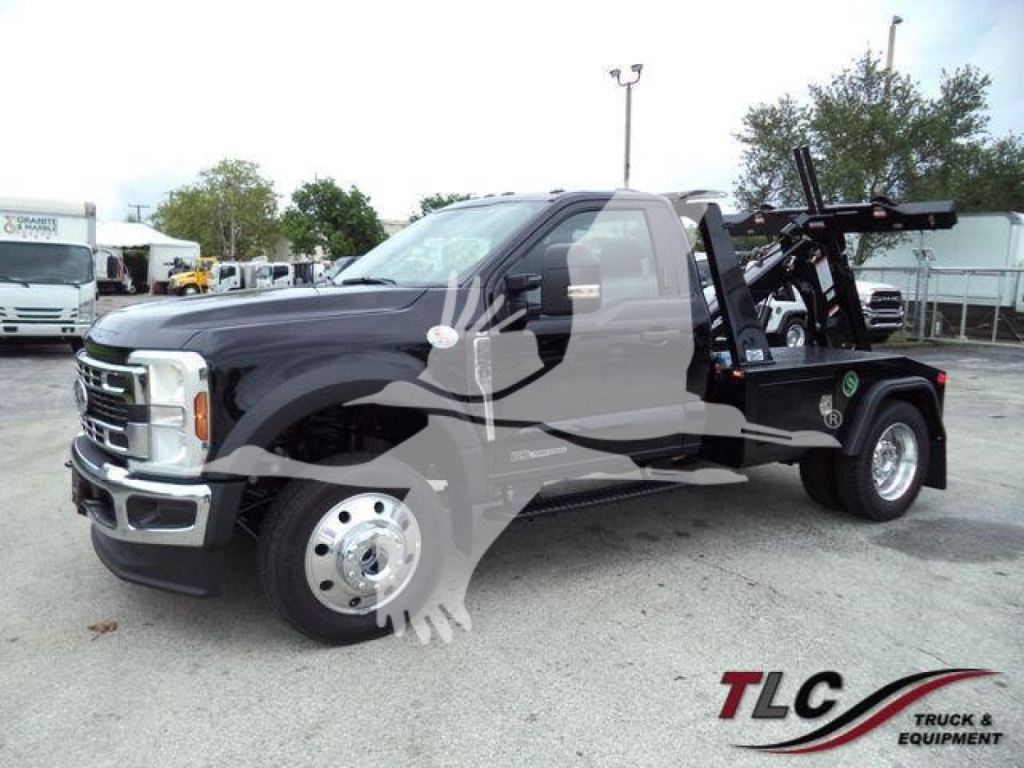
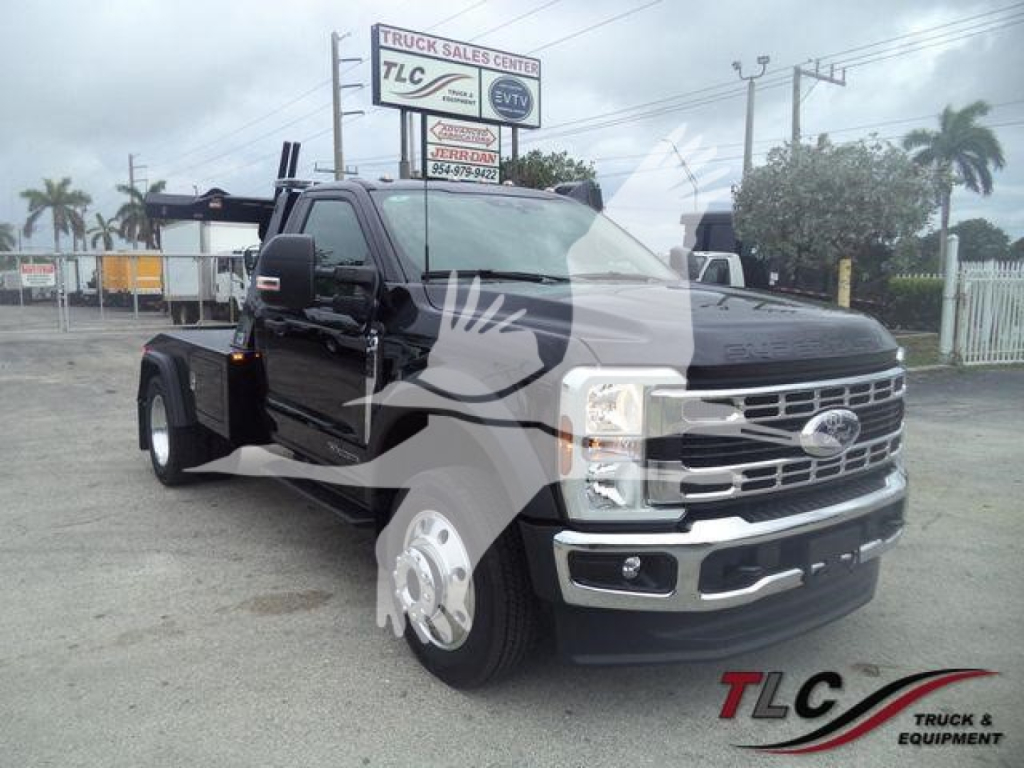
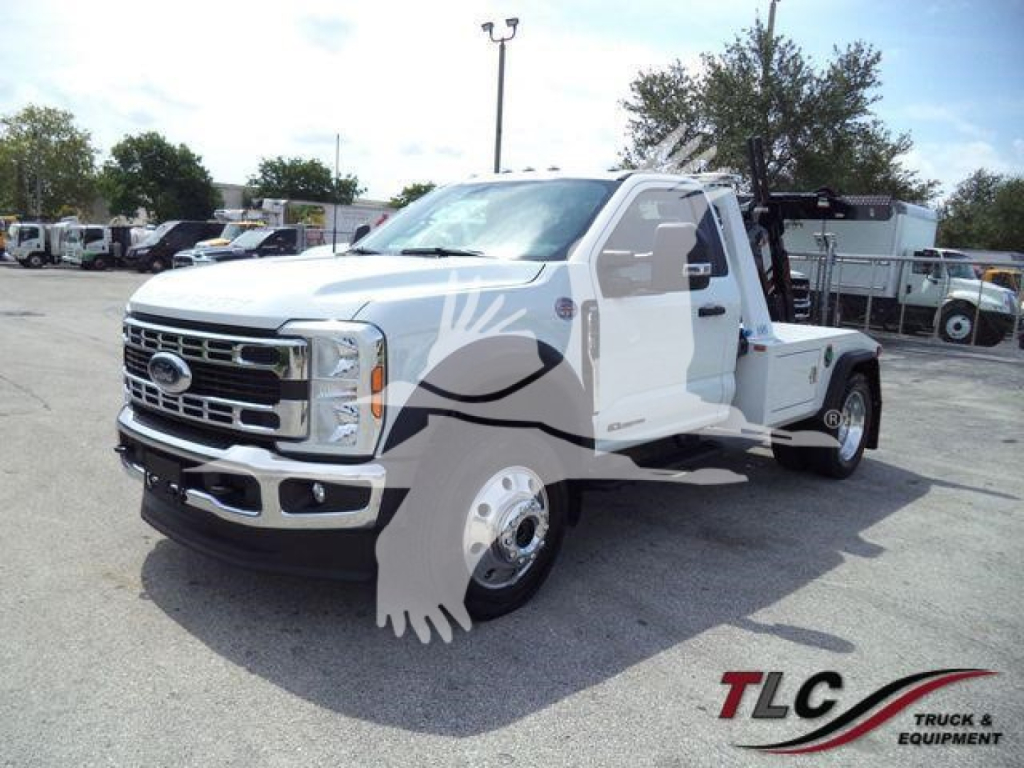
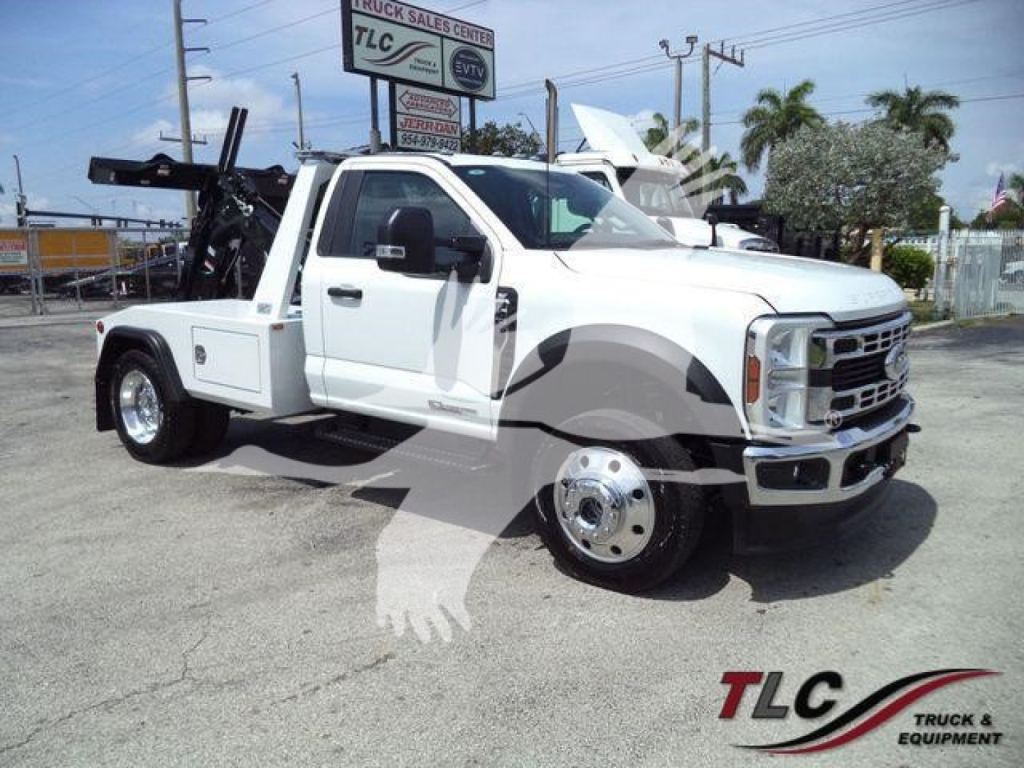
Body application matters as much as the badge on the hood. A 2024 Ford chassis can be configured as a flatbed truck, dump truck, tow truck, rollback, service truck, box truck, bucket truck, refuse truck, or municipal unit. Buyers comparing listings should inspect the body manufacturer, hoist or carrier brand, deck or body length, steel versus aluminum construction, and installed equipment such as winches, wheel lifts, toolboxes, tarp systems, hitches, trailer brake controls, strobes, work lights, and PTO or electric-over-hydraulic systems. For Florida operations, rust is often less severe than in northern states, but coastal use can still affect wiring, lighting, hydraulics, and exposed hardware. Clean upfitter wiring, proper body mounting, and documented maintenance usually matter more than cosmetic appearance alone.
A strong 2024 Ford truck listing should tell you how the truck was built to work. Look for GVWR, cab style, drivetrain, engine, transmission, axle setup, suspension type, brake system, and complete body specs instead of generic descriptions. If the truck is already upfitted, confirm that the body rating matches the chassis and that the equipment does not push the truck into an impractical payload range. On trucks intended for towing or hauling, verify receiver capacity, wheel-lift or winch ratings, deck dimensions, and tie-down layout. On vocational units, service access, frame condition, and component brand names can tell you a lot about long-term operating cost and parts support.
Frequently Asked Questions about 2024 Ford Commercial Trucks in Florida
What 2024 Ford truck models are most common in commercial use?
The most common 2024 Ford commercial trucks are usually the Super Duty chassis cab models such as the F-350, F-450, F-550, and F-600, along with medium-duty F-650 and F-750 trucks. The right model depends on the body, payload, and operating environment. Lighter chassis work well for service bodies, flatbeds, and small dumps, while heavier models are better suited for rollbacks, larger dump bodies, utility equipment, and higher-GVWR vocational applications.
Is a 2024 Ford diesel truck better than gas for commercial work?
Diesel is often the better fit for heavier commercial use, higher mileage, towing, and PTO-driven applications because it typically delivers stronger low-end torque and better performance under load. Gas engines can still be a practical choice for lighter-duty local work, lower annual mileage, or fleets that want simpler emissions systems and lower acquisition cost. The best choice comes down to payload, idle time, route type, and expected maintenance strategy.
What should I check on an upfitted 2024 Ford truck?
Start with the body manufacturer, body rating, and how the upfit matches the chassis GVWR and axle ratings. Then review wheelbase, frame length, hydraulic or electric-over-hydraulic components, PTO setup if equipped, wiring quality, lighting, hitch capacity, and any installed accessories such as winches, toolboxes, tarp systems, or wheel lifts. On vocational trucks, the quality of the upfit can affect reliability and serviceability just as much as the Ford chassis itself.
Do I need to worry about CDL requirements on a 2024 Ford truck?
Yes. CDL requirements depend mainly on GVWR, GCWR, trailer weight, brake configuration, and how the truck will be used. Some Ford commercial trucks can be spec'd just under common CDL thresholds, while others, especially medium-duty models and towing units, may clearly fall into CDL territory. Buyers should verify the truck’s actual ratings and planned use against state and federal rules before purchase.
What matters most when buying a 2024 Ford truck in Florida?
Cooling performance, air conditioning, corrosion exposure, and suitability for stop-and-go vocational use are major considerations in Florida. Trucks operating near the coast should be checked carefully for salt-related wear on wiring, hydraulics, lighting, and hardware, even when they are relatively new. Buyers should also consider tire choice, cab comfort, and body material selection because heat, humidity, and daily jobsite use can affect long-term operating cost.