
Used Mack Flatbed Trucks For Sale in New York
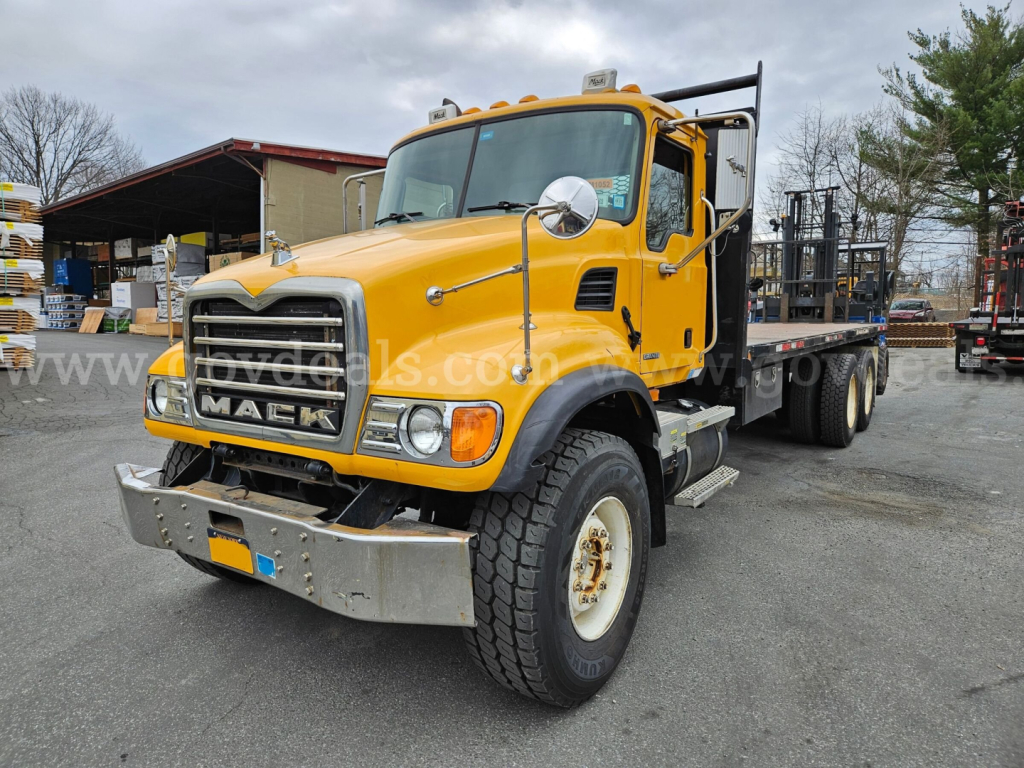
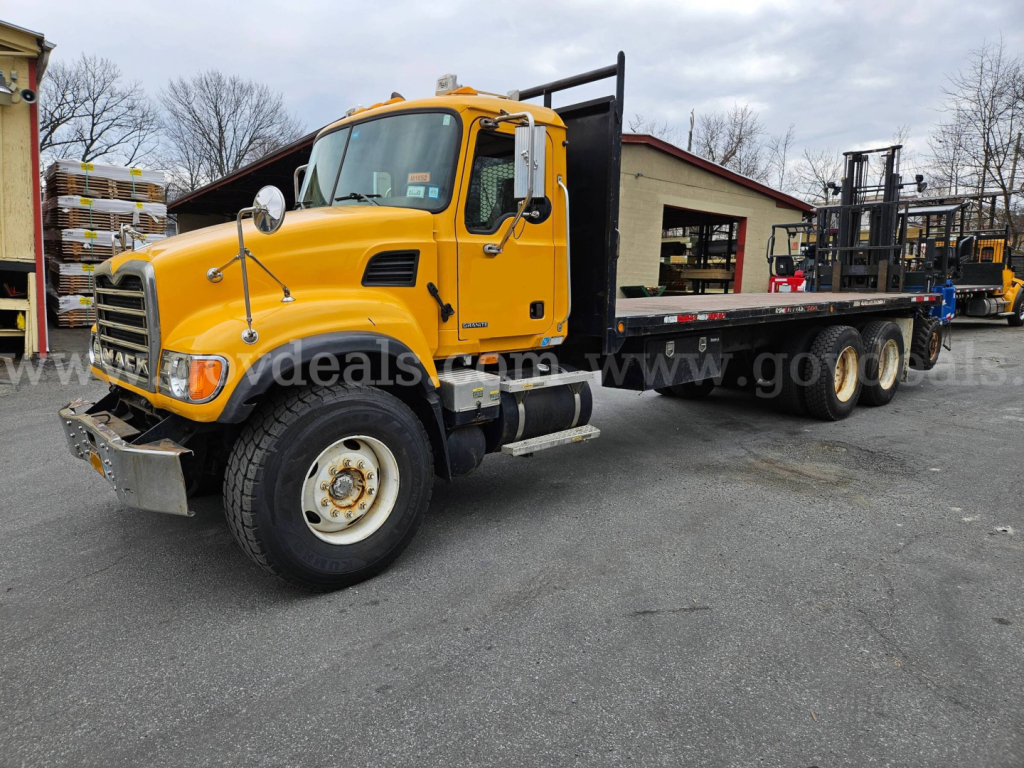
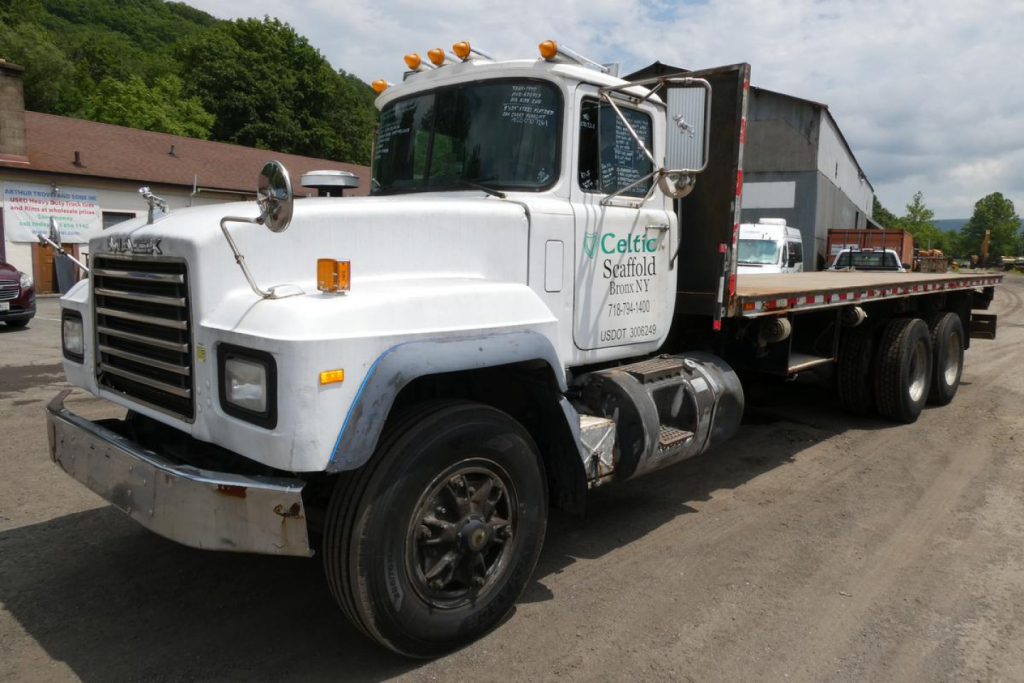
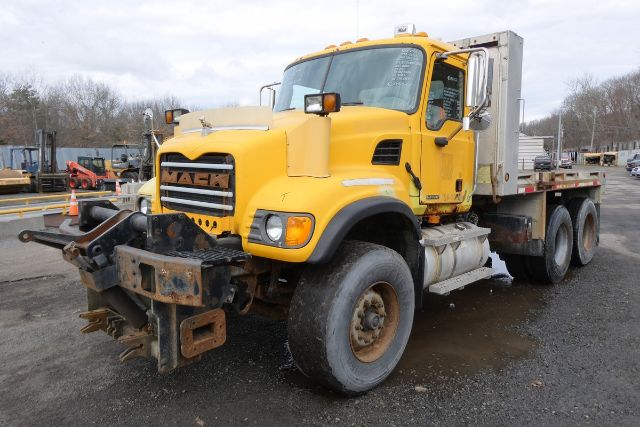
Have used mack flatbed truck to sell? List it here to reach thousands of buyers.
Used Mack Flatbed Trucks in New York
A buyer should look closely at axle ratings, wheelbase, cab-to-axle, and deck dimensions because those numbers determine what the truck can legally and practically haul. Mack flatbed trucks are often found with tandem rear axles, high GVWRs, and vocational suspensions such as Camelback, which are valued for durability under concentrated loads and rough jobsite conditions. Engine and transmission combinations vary by year and application, but common priorities are usable low-end torque, gearing that matches regional terrain, and a transmission setup that fits the work, including 8LL, 10-speed, automatic, or automated manual options depending on age and spec. If the truck has a wet line, PTO, or hydraulic pump, that can add flexibility for trailers or auxiliary equipment, but it is still important to confirm how the system is plumbed and whether it remains active and serviceable.
Flatbed body details deserve the same attention as the chassis. Deck material may be steel, wood, or aluminum, and each has tradeoffs in tare weight, durability, and repair cost. Buyers should check crossmembers, outriggers, rub rails, stake pockets, tie-down points, bulkheads, and any evidence of past body modifications. On used Mack flatbeds, it is common to see trucks that were repurposed from dump, municipal, or other vocational use, so inspect for removed hoists, altered body mounts, frame drilling, patched wiring, and hydraulic remnants. Tire size, rear ratio, and suspension spec also affect how the truck performs when loaded, especially in stop-and-go city routes, upstate New York terrain, or off-pavement access roads.
For New York buyers, corrosion exposure is a practical concern. A used Mack flatbed that has spent years around road salt should be inspected carefully for rust on the frame, spring hangers, cab mounts, brake components, air tanks, and electrical connections. Service records, engine smoke, approximate mileage accuracy, and signs of hard vocational use all help paint a clearer picture of value. The best used Mack flatbed trucks are not just strong on paper. They have a body and chassis spec that match the intended payload, secure tie-down capability, and a maintenance history consistent with heavy commercial work.
Frequently Asked Questions about Used Mack Flatbed Trucks in New York
What should I check first on a used Mack flatbed truck?
Start with the frame, axle ratings, suspension, and body mounting because those items tell you how the truck was built and how hard it has worked. On a used Mack flatbed, also inspect the deck structure, crossmembers, rub rails, stake pockets, and tie-down points for damage or poor repairs. If the truck was previously used for dump, plow, spreader, or hydraulic work, look for removed equipment, abandoned plumbing, patched wiring, and extra frame holes that may affect long-term durability.
Are Mack flatbed trucks good for heavy vocational work?
Yes. Mack flatbed trucks are widely respected in vocational service because they are commonly spec'd with robust frames, heavy rear axles, durable suspensions, and driveline components suited for construction and severe-duty hauling. The actual capability depends on the individual truck’s GVWR, wheelbase, rear ratio, body design, and brake spec, but Mack is a strong fit for buyers who routinely carry dense materials or operate on uneven jobsites.
What body and chassis specs matter most on a flatbed truck?
The most important specs are GVWR, front and rear axle ratings, wheelbase, cab-to-axle, deck length, deck material, and tie-down equipment. Those measurements determine payload capacity, body fit, turning radius, and how the load can be secured. Tire size, suspension type, and rear axle ratio also matter because they influence ride height, legal load distribution, traction, and performance under load.
Why do some used Mack flatbed trucks have PTOs or wet line systems?
A PTO or wet line system usually means the truck was equipped to power hydraulic equipment or support trailer functions. On a flatbed chassis, that can be useful if the truck pulls hydraulic trailers or runs auxiliary tools, but it can also indicate the truck had a previous vocational role such as dump, tanker support, plow, or spreader service. Buyers should confirm whether the system is complete, functional, and appropriate for the intended application rather than assuming it adds value on its own.
How important is rust inspection on a used flatbed truck in New York?
Rust inspection is critical in New York because road salt can accelerate corrosion on structural and mechanical components. Pay close attention to the frame rails, spring hangers, brake hardware, fuel and air system brackets, cab mounts, body subframe, and electrical grounds. Surface rust is common on working trucks, but scaling, flaking, soft spots, and corrosion around mounting points can become expensive repairs and may limit safe payload use.