
Used Mack Flatbed Trucks For Sale
Shop used Mack flatbed trucks with specs on GVWR, deck materials, axle setups, and hauling applications for construction, equipment, and freight.
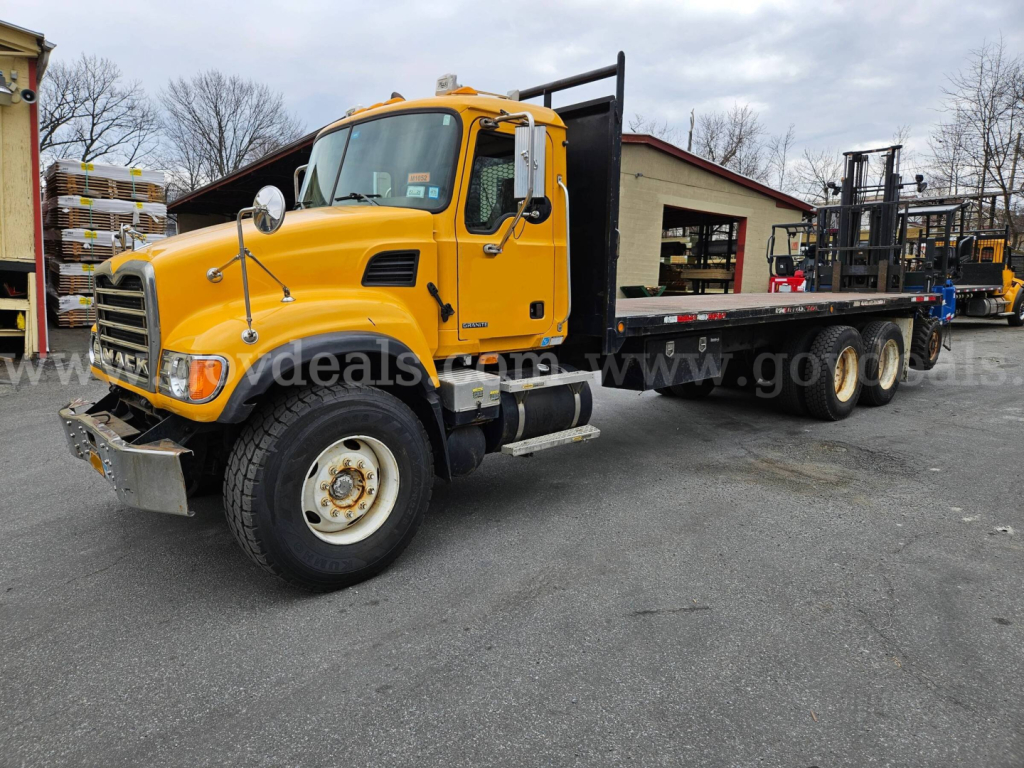
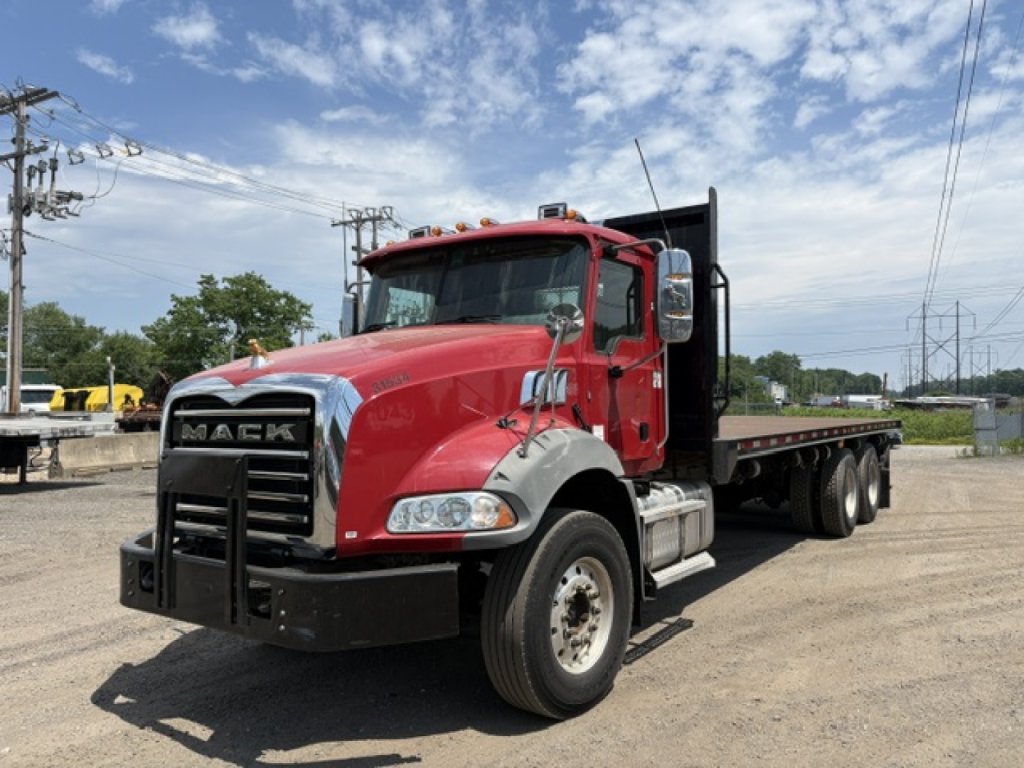
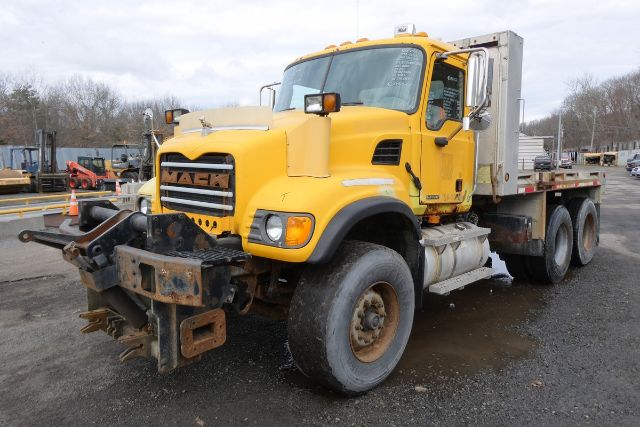
Have used mack flatbed truck to sell? List it here to reach thousands of buyers.
Used Mack Flatbed Trucks
A used Mack flatbed truck is usually evaluated from the frame up. Pay close attention to GVWR, axle ratings, wheelbase, cab-to-axle, and the actual bed dimensions, because these numbers determine what the truck can legally and efficiently haul. Common setups include single-axle medium-duty models for lighter local work and tandem-axle configurations for higher payload and tougher terrain. Buyers should also check deck material and body construction. Aluminum beds save weight and resist corrosion, while steel bodies usually favor abuse resistance in more rugged vocational use. Useful features on flatbeds include stake pockets, rub rails, sliding winch tracks, tool boxes, headboards, D-rings, gooseneck or pintle provisions, and PTO or hydraulic setups when the truck has been adapted from or shared with another vocational application.
Powertrain choices vary by model and year. Older Mack flatbed trucks may carry Mack diesel engines paired with manual transmissions and camelback suspensions, a combination still valued in heavy vocational service for simplicity and load stability. Newer medium-duty Mack flatbeds may use Cummins power with Allison automatics, especially where stop-and-go delivery, farm use, or non-CDL applications matter. Rear axle ratio, suspension type, and brake specification all affect how the truck performs with a loaded deck. A steep ratio can help in low-speed pulling and jobsite work, while air ride suspension may improve ride quality for freight that needs better handling. If the truck will run interstate, verify bridge law implications, deck length, tiedown compatibility, and how the wheelbase matches your loading pattern.
Condition matters more on used flatbeds than on many other truck types because body wear directly affects daily usability. Inspect the deck for cracked welds, bent crossmembers, floor damage, loose winch tracks, and rail or rub-rail repairs. On the chassis side, check for frame modifications, double-frame integrity, suspension wear, steering play, brake condition, and signs of hard vocational service. Flatbed trucks often lead tough lives in construction, agriculture, and equipment hauling, so a clean spec sheet should always be matched with a close look at how the truck was actually used. The best used Mack flatbed truck is the one with the right payload class, deck layout, and drivetrain for your lanes, not just the newest model year.
Frequently Asked Questions about Used Mack Flatbed Trucks
What should I check first when comparing used Mack flatbed trucks?
Start with GVWR, axle configuration, wheelbase, cab-to-axle measurement, and deck length. Those core dimensions determine payload capacity, body fit, turning radius, and what type of freight the truck can handle. After that, look at deck material, tiedown equipment, suspension type, and transmission choice to make sure the truck matches your actual loading and route conditions.
Are Mack flatbed trucks good for construction and equipment hauling?
Yes. Mack flatbed trucks are widely used in construction, agriculture, and equipment transport because the chassis are typically built for vocational duty and can be spec'd with strong frames, high axle ratings, and durable suspension setups. The right truck depends on the load. A tandem-axle Mack with a heavier rear suspension fits dense materials and tougher jobsites better than a lighter medium-duty single-axle setup.
Is an aluminum flatbed better than a steel flatbed on a used Mack truck?
Aluminum flatbeds are lighter and generally more corrosion-resistant, which helps maximize payload and reduce long-term rust concerns. Steel flatbeds are heavier but often hold up well in severe-duty applications where impact resistance matters more than weight savings. The better choice depends on cargo type, climate, and how much importance you place on tare weight versus body toughness.
What features matter most on a used flatbed truck body?
The most useful flatbed body features are rub rails, stake pockets, winch tracks, tiedown points, a solid headboard, tool storage, and a floor that matches the cargo being loaded. Buyers hauling machinery or irregular freight should look closely at tiedown flexibility and deck condition. Buyers moving palletized freight may care more about deck width, forklift access, and overall floor integrity.
Can a used Mack flatbed truck be operated without a CDL?
Some can, but it depends on how the truck is rated and registered. Certain medium-duty Mack flatbed trucks are spec'd or de-rated under the 26,001-pound CDL threshold, which can suit farm, delivery, and hotshot-style work. Buyers still need to verify actual GVWR, state registration rules, brake requirements, and any trailer combination limits before assuming the truck qualifies as non-CDL.