
Used 2005 Mack Flatbed Trucks For Sale in New York
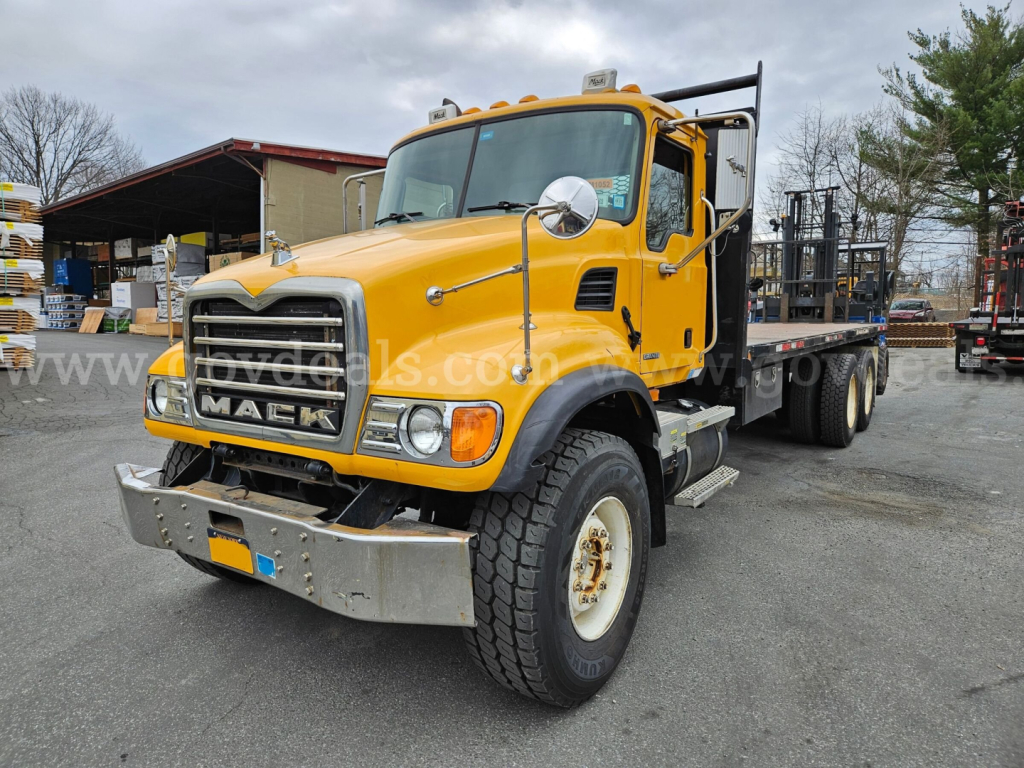
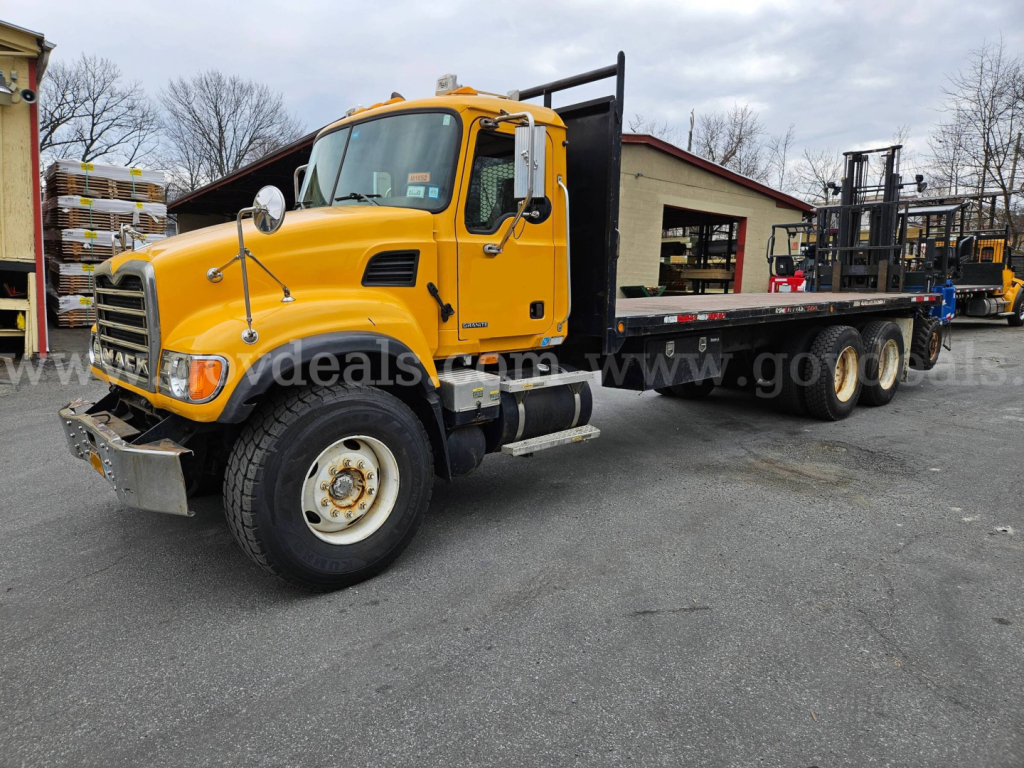
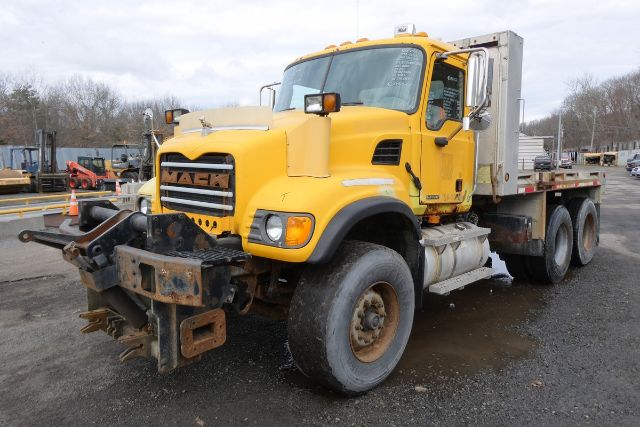
Have used 2005 mack flatbed truck to sell? List it here to reach thousands of buyers.
Used 2005 Mack Flatbed Trucks in New York
The main buying decisions usually come down to bed length, axle setup, suspension, transmission, and how the truck was previously used. A 24-foot flatbed is common on tandem axle Mack trucks and gives a good balance between payload space and maneuverability, while longer bodies can suit building supply or structural material work. Camelback suspension is a familiar spec on Mack vocational trucks from this period and is valued for durability under severe-duty use, though ride quality is firmer than air ride. Buyers should also look closely at front axle and rear axle ratings, wheelbase, cab-to-axle dimension, and overall GVWR, since those numbers determine body fit, bridge law flexibility, and how the truck will carry forklifts, bundled materials, or mounted equipment.
Powertrain-wise, many 2005 Mack flatbeds carry engines in the 300 to 370 horsepower range paired with Mack manual transmissions or Eaton Fuller gearboxes such as 8LL or 10-speed setups. Lower gearing and heavy rears are common on vocational specs, which helps on job sites and in stop-and-go service but can limit road speed and fuel economy compared with highway-oriented trucks. A double frame, PTO provisions, wetline plumbing, toolboxes, headboards, sliding winches, and strap packages can add real value depending on the application. If the truck includes a piggyback forklift package or is set up to carry one, confirm frame condition, rear overhang, and deck structure, since forklift-capable flatbeds see different stress points than standard delivery units.
Condition matters more than age in this category. On a used 2005 Mack flatbed, inspect frame rails, crossmembers, bed mounting, floor condition, stake pockets, rub rails, and any evidence of prior dump-body conversion or chained-down body work. Check for engine smoke, dash and gauge function, suspension wear, steering play, and clutch or transmission condition, especially on trucks that spent time in municipal or plow-related service. In New York, corrosion on underbody components, wiring, brake hardware, and cab structure deserves extra attention. A well-spec'd Mack flatbed from this era can still be a practical, hard-working truck when the chassis, driveline, and body have been matched to the job and maintained accordingly.
Frequently Asked Questions about Used 2005 Mack Flatbed Trucks in New York
What should I look for first on a used 2005 Mack flatbed truck?
Start with the chassis and body match. Confirm the frame, axle ratings, wheelbase, cab-to-axle measurement, and flatbed length all make sense for your intended load. Then inspect structural items such as frame rails, crossmembers, bed mounts, rub rails, stake pockets, and the deck itself. On a vocational Mack of this age, service history, suspension wear, steering components, transmission condition, and signs of engine smoke are usually more important than cosmetic appearance.
Are 2005 Mack flatbed trucks considered good for heavy vocational work?
Yes, many are. Mack Granite and CV713 flatbed configurations from 2005 were commonly built as severe-duty trucks with tandem rear axles, heavy suspensions, strong frame specs, and manual transmissions suited for construction and delivery work. They are often chosen for hauling steel, lumber, palletized materials, and equipment. The exact capability depends on the truck's GVWR, axle ratings, gearing, and bed construction, so buyers should evaluate the actual spec rather than rely on model name alone.
Why do buyers care if a 2005 Mack flatbed is pre-emissions?
Many buyers prefer pre-emissions or earlier emissions-era trucks because they generally have fewer aftertreatment components and a simpler engine package. That can make maintenance more straightforward and reduce downtime in certain fleet environments. It does not automatically make the truck better, because overall condition and legal compliance still matter, but it is a major consideration for operators who prioritize simpler systems and easier field service.
Is Camelback suspension a good choice on a Mack flatbed?
Camelback suspension is a proven vocational setup and is widely respected for durability, load stability, and resistance to abuse on rough job sites. It is a strong fit for flatbed applications that involve heavy materials, uneven terrain, and repeated loading cycles. The tradeoff is a stiffer ride than air ride, which can matter if the truck sees longer highway runs or more delicate freight. For many construction and municipal buyers, the durability advantage is the main reason to choose it.
How important are bed equipment and add-ons on a used flatbed truck?
They can significantly affect value and usability. Items like sliding winches, ratchet straps, chain tie-down points, headboards, toolboxes, PTO setups, wetlines, and forklift provisions can save time and money if they match your operation. Buyers should still inspect how those components were mounted and used, because vocational add-ons can hide frame stress, body repairs, or prior application changes. Useful equipment adds value only when the underlying truck is structurally sound.