
Used Isuzu Flatbed Trucks For Sale
Used Isuzu flatbed trucks for sale: compare N-Series payload, deck fit, engine history, and emissions equipment before buying a working platform truck.
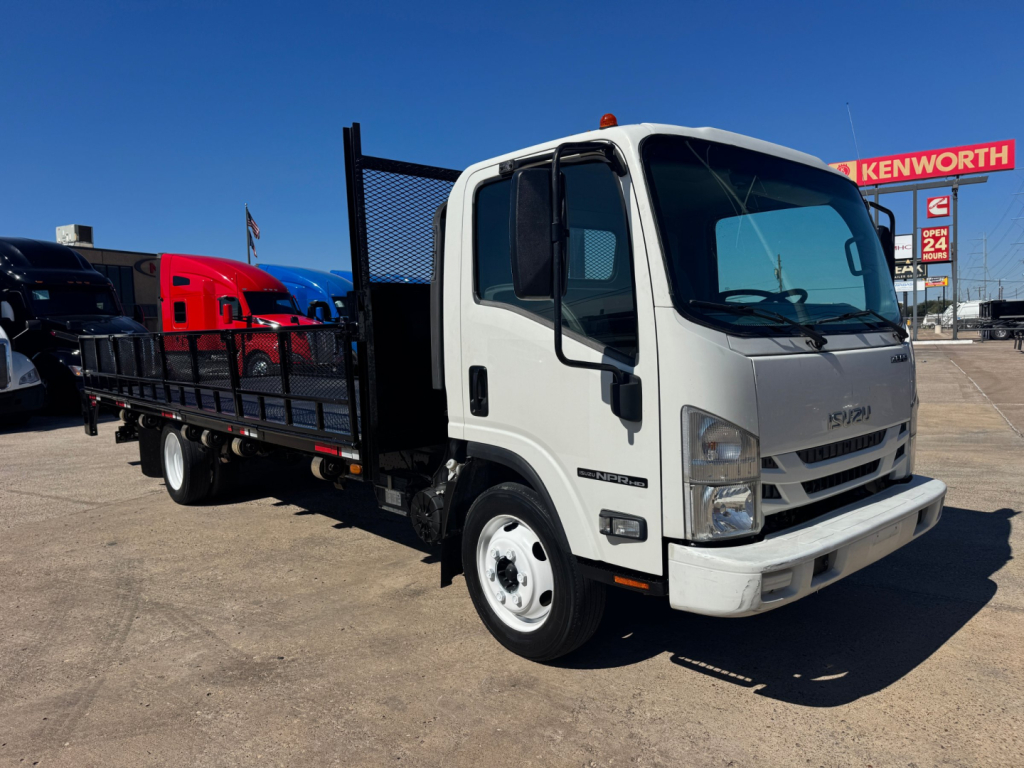
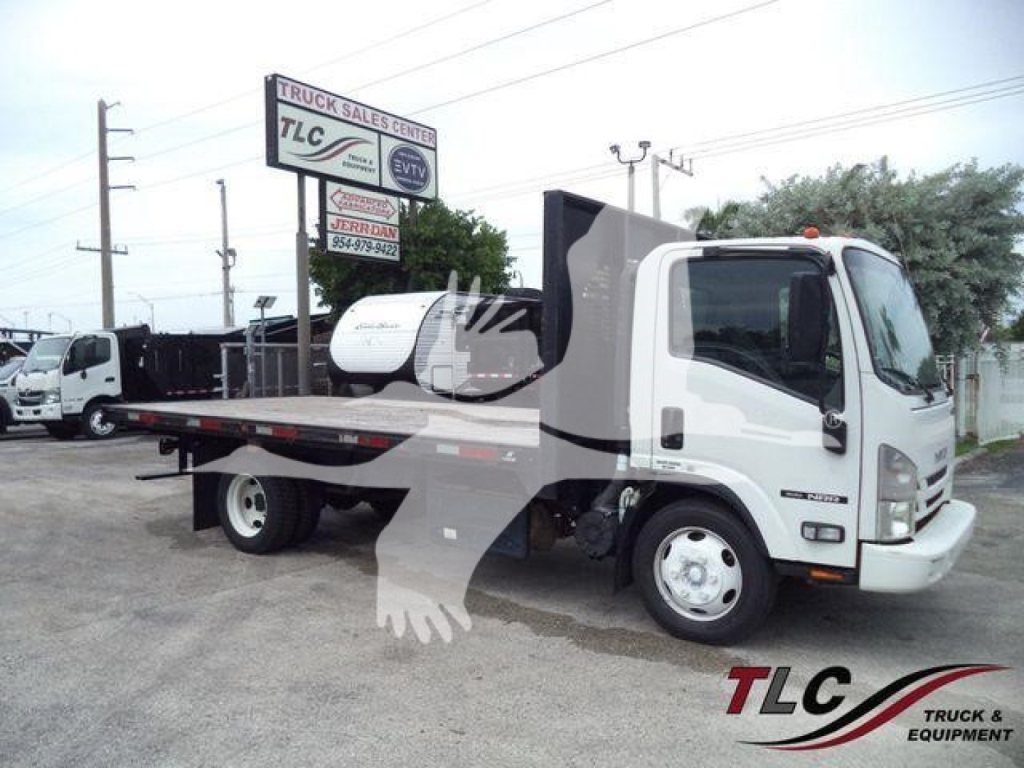
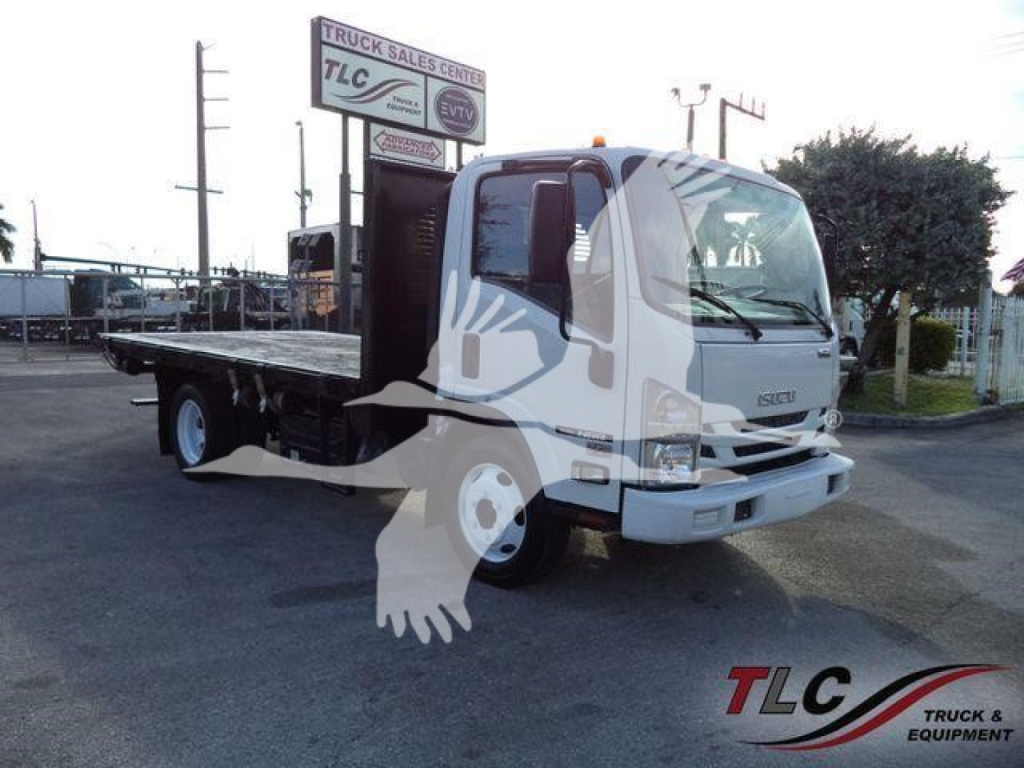
Selling a used isuzu flatbed truck? List your used isuzu flatbed truck for sale and reach thousands of commercial buyers.
Used Isuzu Flatbed Trucks
Payload starts with the completed truck, not the bare chassis rating. Weigh the truck with its bed, liftgate, toolboxes, full fuel, and normal occupants, then compare the scale weights with GVWR, individual axle ratings, and tire capacities. Many NRR chassis carry a 19,500-pound GVWR, but that figure is not cargo capacity. Inspect deck boards or steel flooring, crossmembers, body mounts, and frame rails for rot, cracks, corrosion, and repairs. Verify rated tie-down points, headboard construction, and any removable stake sides against the loads you intend to secure. Liftgate weight and cargo placed behind the rear axle can reduce usable payload.
Powertrain identification matters across Isuzu's model years. N-Series diesels commonly use the 5.2-liter 4HK1 engine, with six-speed automatics on many later trucks; gasoline NPR-family models use GM-sourced V8 engines. Confirm the engine and transmission from identification plates rather than seller descriptions. Review maintenance records and ECM fault history, compare mileage with engine hours where recorded, and road-test cold and fully warmed. On emissions-equipped diesels, check DPF regeneration history, DEF-system faults where fitted, and evidence of tampering. Inspect coolant condition, fluid leaks, transmission engagement, steering play, and brake wear.
Snow Belt and Canadian service warrants close inspection of brake lines, cab steps, electrical connectors, and frame corrosion from road salt. In California, verify the truck's model year, GVWR, fuel type, and emissions configuration against applicable CARB operating requirements before purchase. For cross-border purchases, confirm certification labels, import eligibility, and required inspections. Legal operation also depends on local weight limits, load-securement rules, and commercial registration requirements.
Frequently Asked Questions about Used Isuzu Flatbed Trucks
Do I need a CDL for a used Isuzu NRR flatbed?
A 19,500-pound-GVWR Isuzu NRR flatbed generally does not require a CDL in the United States when operated alone. Towing can trigger Class A requirements when the combination meets CDL weight thresholds, and carrying placarded hazardous materials requires a CDL regardless of the truck's size. Canadian licensing categories differ by province, and brake equipment can introduce additional endorsement requirements. Commercial registration and medical requirements are separate from CDL thresholds.
Is a gas or diesel Isuzu flatbed better for short delivery routes?
A gasoline Isuzu NPR-family flatbed is often the better fit for short trips with frequent shutdowns because it avoids diesel DPF regeneration and DEF-system maintenance. Diesel becomes more attractive for sustained operation and heavier duty cycles, provided emissions-equipped models get enough operating time to reach proper aftertreatment temperatures. Compare documented fuel use, annual mileage, idling, and local service support rather than choosing by fuel type alone.
How does a crew cab change an Isuzu flatbed's capacity?
For the same wheelbase and GVWR, a crew-cab Isuzu flatbed normally leaves less room for the deck and less capacity for cargo than a regular cab. The longer cab consumes body-mounting space, while the additional cab structure and seats increase empty weight. Include every expected passenger and the crew's tools in the payload calculation. Confirm the proposed deck length and weight distribution against Isuzu's body-builder guidance for the exact chassis.
Can a used Isuzu flatbed tow an equipment trailer?
A used Isuzu flatbed can tow an equipment trailer only when the chassis, powertrain, hitch, and brake setup are rated for the complete combination. Check the manufacturer's GCWR for the exact model and powertrain, then verify loaded truck and trailer weights. Engine horsepower and receiver size do not establish towing capacity. Trailer tongue weight also loads the truck's rear axle, so inspect hitch mounting and confirm remaining axle, tire, and payload capacity.