
Isuzu Flatbed Trucks For Sale
Browse Isuzu flatbed trucks with common specs, bed lengths, GVWR classes, engine options, and work-ready features for local hauling.
Selling a isuzu flatbed truck? List your isuzu flatbed truck for sale and reach thousands of commercial buyers.
Isuzu Flatbed Trucks
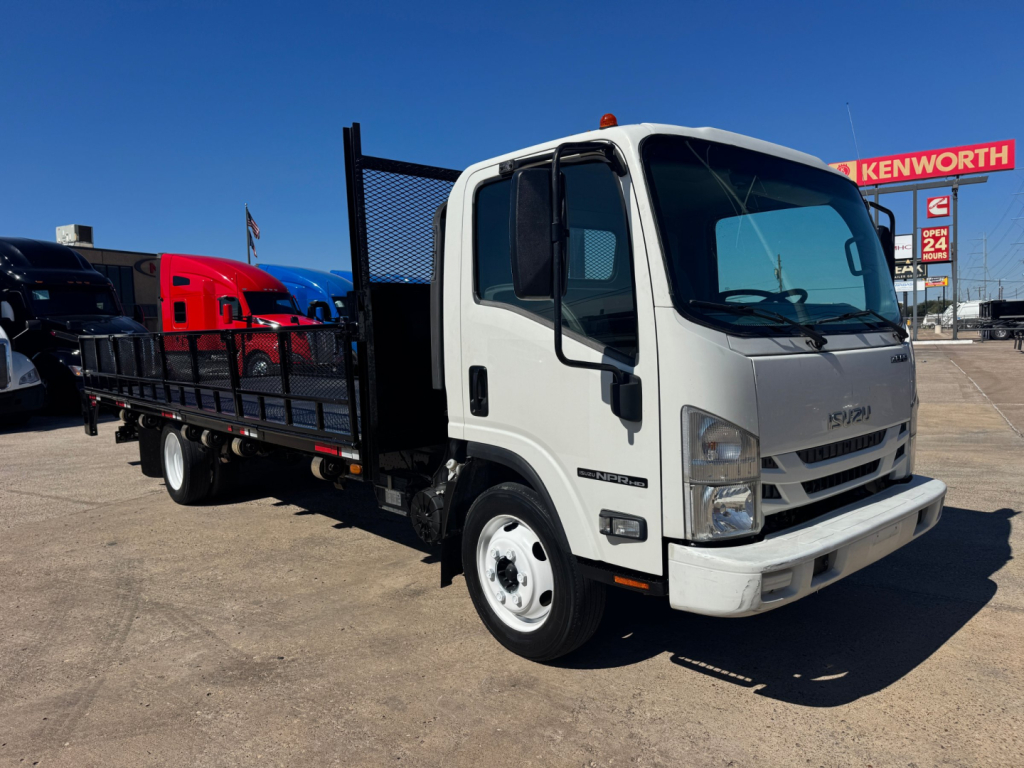
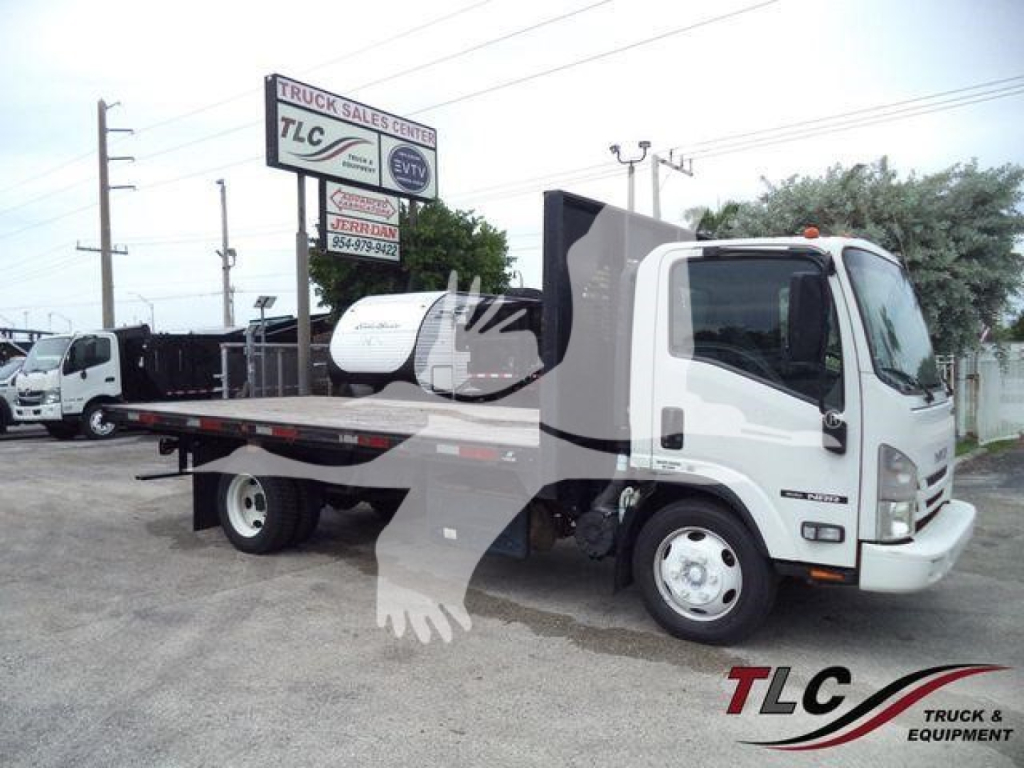
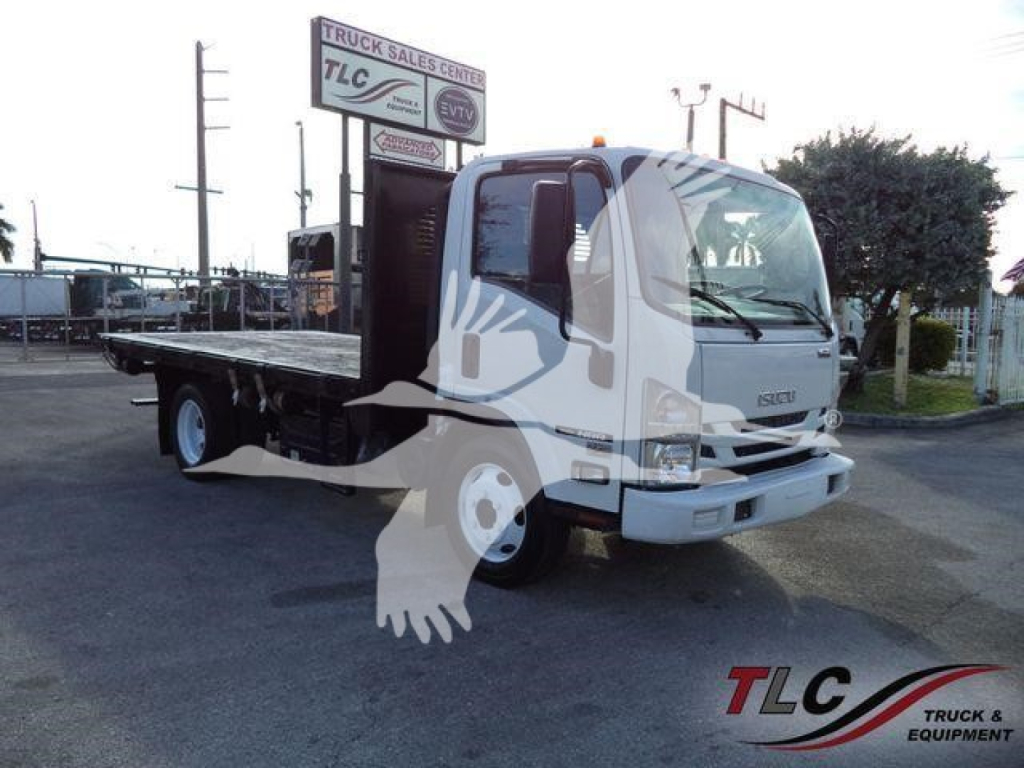
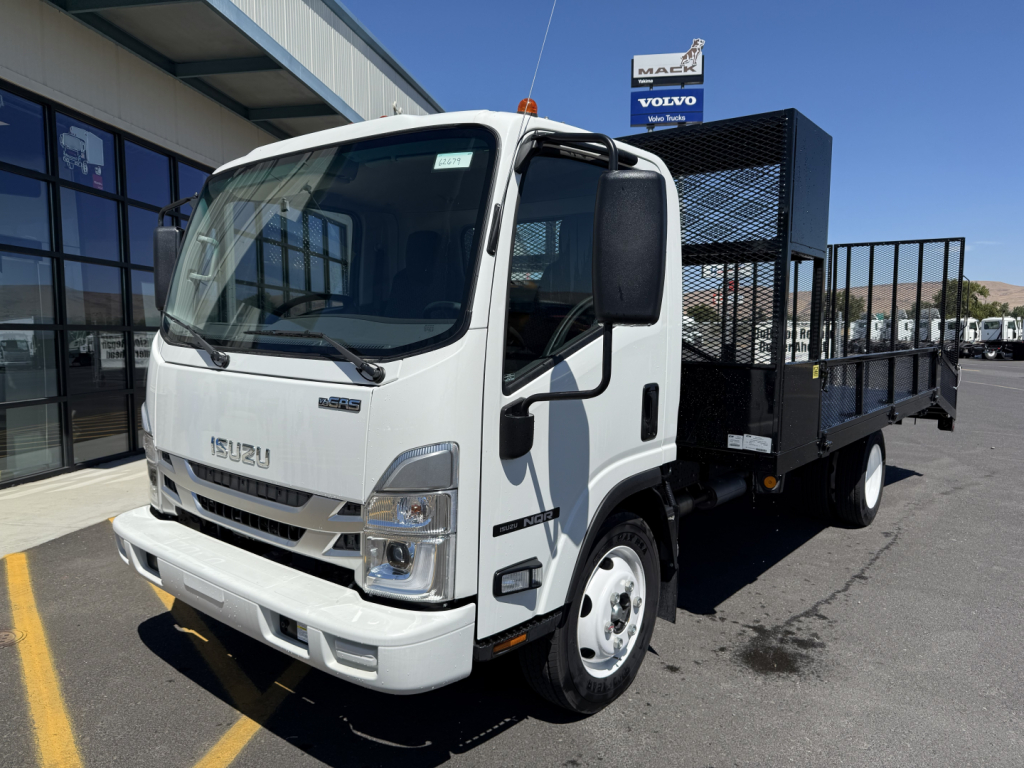
The first buying decision is usually GVWR and payload, not the badge on the grille. Lighter Isuzu flatbed trucks can fall into non-CDL territory, which is important for contractors and municipalities managing driver availability. Heavier NQR-based builds offer more payload and body capacity, but buyers need to account for deck weight, ramps, side kits, toolboxes, hitches, and any mounted equipment that affects usable payload. Common bed lengths in this category run around 14 to 18 feet, with steel or wood floors, stake pockets, rub rails, D-rings, bulkheads, and hitch options depending on the application. Landscape bodies often add fold-down mesh sides, dovetails, and spring-assisted ramps for zero-turns, compact machines, and powered equipment.
Powertrain choice is another major factor. Older Isuzu flatbed trucks are often equipped with the proven 5.2L Isuzu diesel and an Aisin automatic, a combination known for fuel efficiency and strong service familiarity in medium-duty fleet use. Newer gas-powered NQR configurations commonly use the 6.6L GM V8 paired with an Allison automatic, which appeals to buyers looking for simpler emissions systems, easier startup in short-cycle operation, and broad service access. Spring suspension, steel wheels, dual rear wheels, and medium-duty hydraulic brake systems are common in this class. Wheelbase matters because it affects both body length and turning performance, so buyers should confirm that the truck is properly matched to the intended bed and load distribution.
A good Isuzu flatbed truck should be evaluated as a chassis-and-body package, not just as a truck with a deck. Check for frame condition, body mounting quality, floor wear, stake pocket integrity, ramp condition, hitch capacity, and signs of overload around rear suspension components. If the truck will carry palletized material, verify deck width, tie-down points, and forklift loading access. If it will tow, confirm GCWR, hitch rating, and brake controller setup. For local commercial work, Isuzu flatbeds remain popular because they are easy to maneuver, simple to upfit, and available in configurations that cover everything from light contractor duty to heavier Class 5 hauling.
Frequently Asked Questions about Isuzu Flatbed Trucks
What are Isuzu flatbed trucks commonly used for?
Isuzu flatbed trucks are commonly used for local and regional work that requires open-deck loading, easy side access, and strong maneuverability. Typical applications include construction material delivery, landscaping, equipment transport, municipal maintenance, rental fleet support, and general contractor use. Cab-forward Isuzu chassis are especially popular in urban and suburban service because they are easier to position in tight lots, alleys, and jobsites than many conventional cab trucks.
Are Isuzu flatbed trucks available in non-CDL configurations?
Yes, many Isuzu flatbed trucks are built in non-CDL configurations, particularly in NPR and NPR-HD weight classes with GVWRs under 26,001 pounds. That makes them attractive for fleets that want to widen the driver pool and avoid CDL requirements for certain routes. Buyers still need to check the exact GVWR on the door tag and account for the installed body, cargo, tools, fuel, and any towing needs before assuming a truck fits non-CDL use.
What is the difference between an Isuzu NPR flatbed and an Isuzu NQR flatbed?
The main difference is capacity. An Isuzu NPR or NPR-HD flatbed is generally aimed at lighter-duty payloads and can be easier to keep in a non-CDL operating range, while an Isuzu NQR flatbed is built for heavier loads and larger body configurations. NQR trucks often have higher GVWR, stronger axle ratings, and are better suited for denser materials, heavier equipment, or more demanding commercial use. The tradeoff is that higher-capacity trucks may reduce operational flexibility if CDL thresholds or route restrictions apply.
Should I choose a diesel or gas Isuzu flatbed truck?
That depends on the duty cycle and maintenance priorities. Diesel Isuzu flatbeds, especially older 5.2L units, are valued for fuel economy and long-term familiarity in medium-duty service. Gas-powered Isuzu flatbeds with the 6.6L GM engine appeal to buyers who run shorter routes, make frequent stops, or want simpler service and emissions-related maintenance. A diesel may make more sense for sustained loaded operation, while gas can be a strong fit for local fleet use with lower annual miles and easier maintenance access.
What should I inspect on a used Isuzu flatbed truck?
Focus on both the chassis and the body. Inspect the frame rails for corrosion, repairs, cracks, or signs of overloading. Check the bed floor, rub rails, stake pockets, bulkhead, tie-down points, ramps, dovetail, and any hitch hardware for wear or damage. On the chassis side, review suspension condition, brake performance, tire wear, wheel seals, steering play, and transmission operation. It is also important to confirm that the wheelbase, bed length, axle ratings, and hitch setup match the work the truck is expected to perform.