
Used Dodge Flatbed Trucks For Sale
No exact matches found for your search
Showing Used Flatbed Trucks instead.
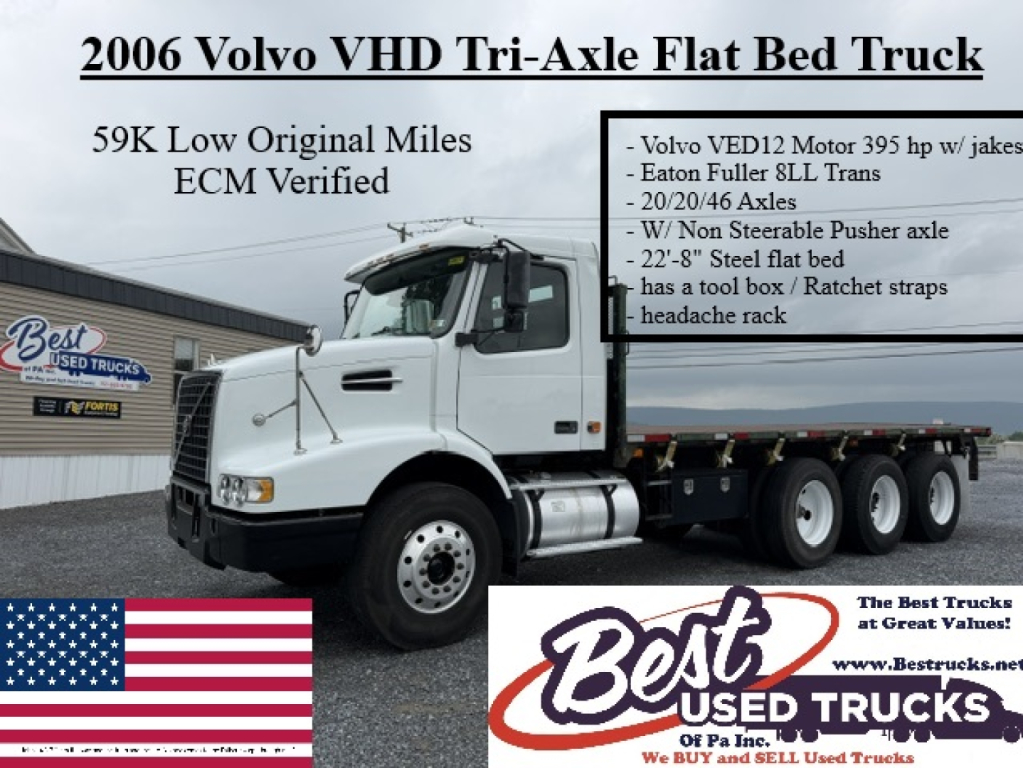
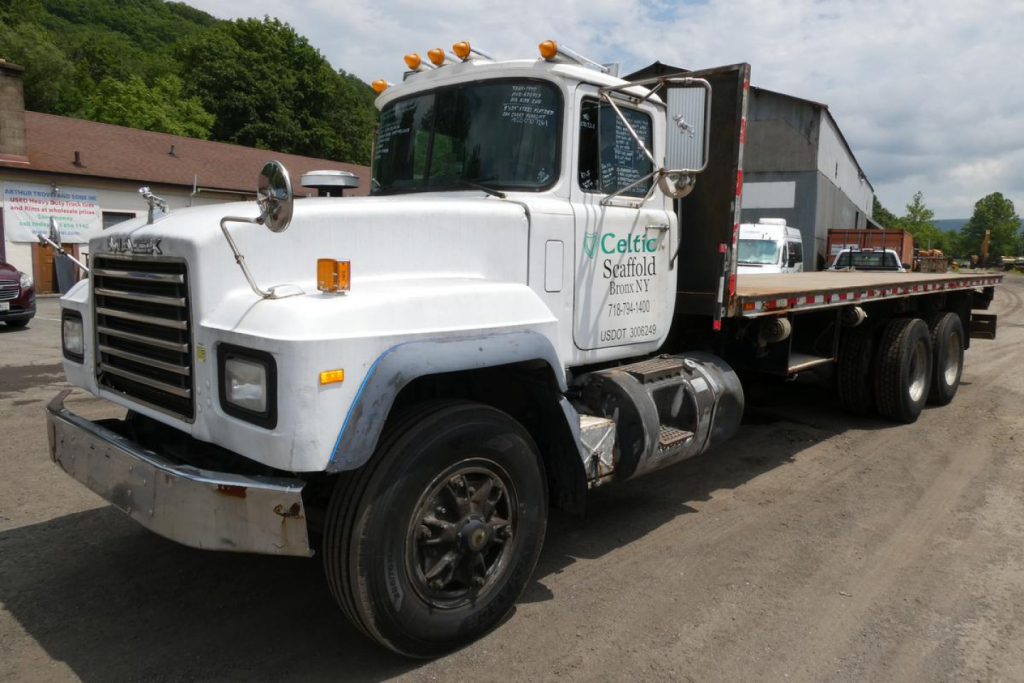
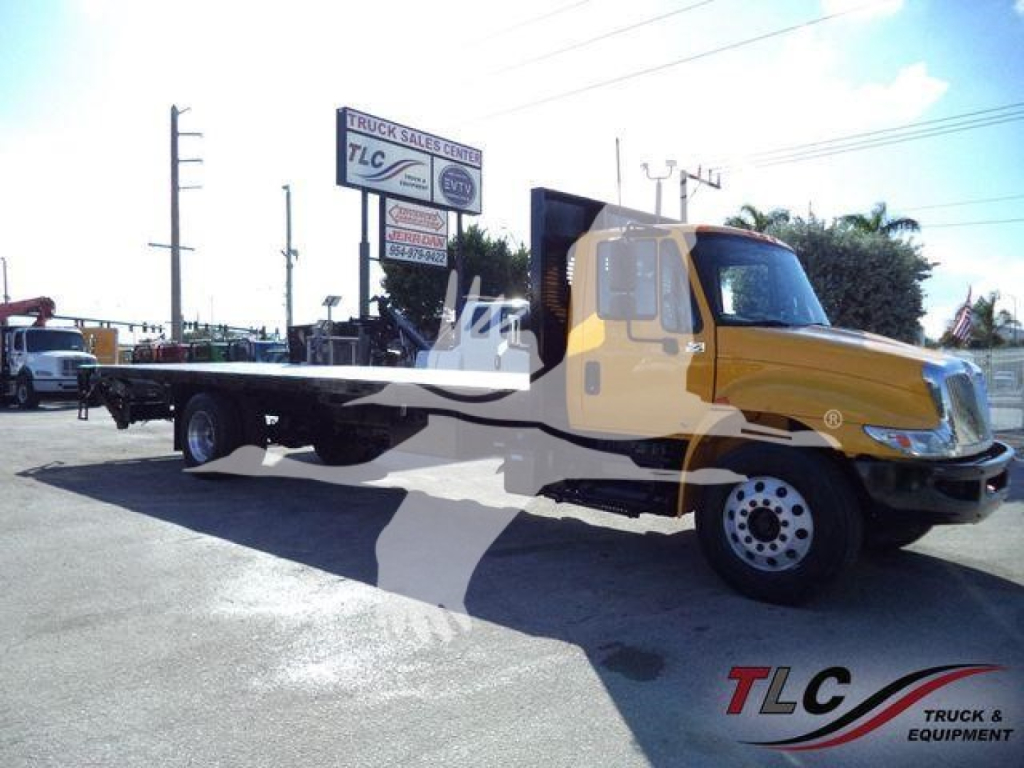
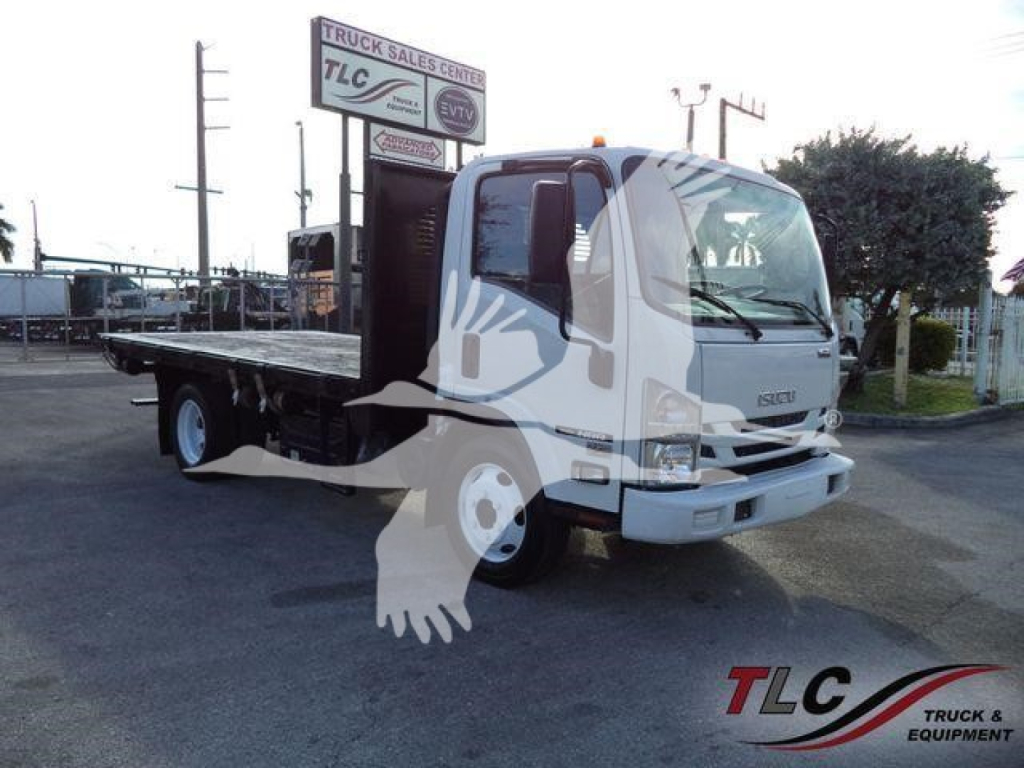
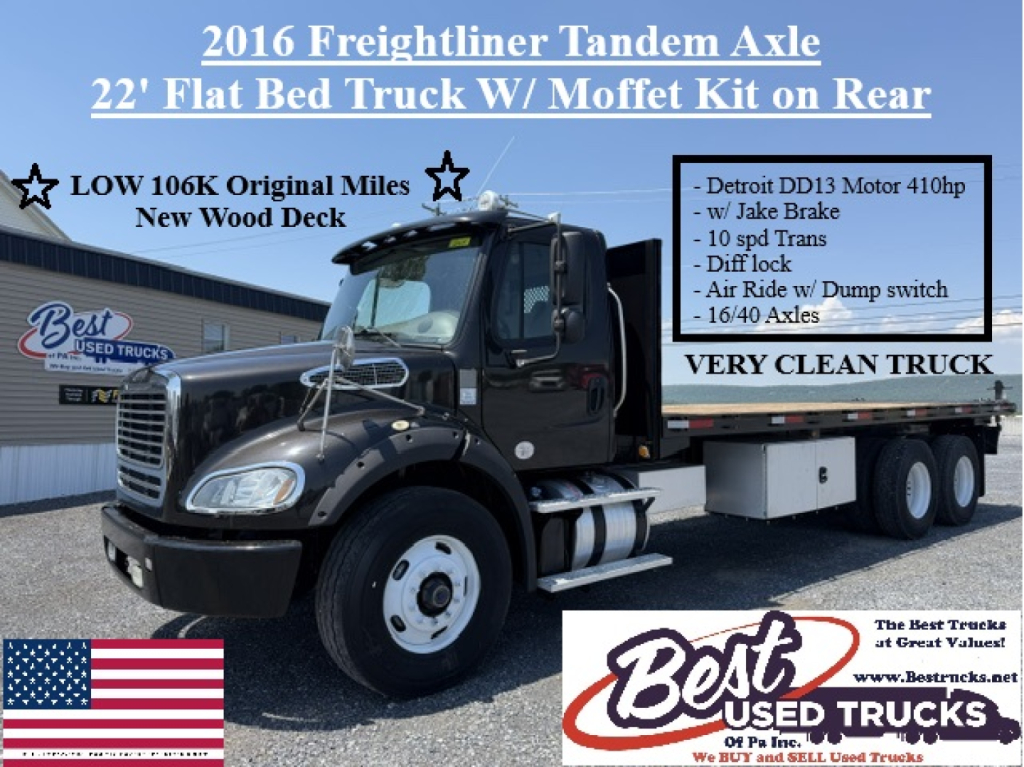
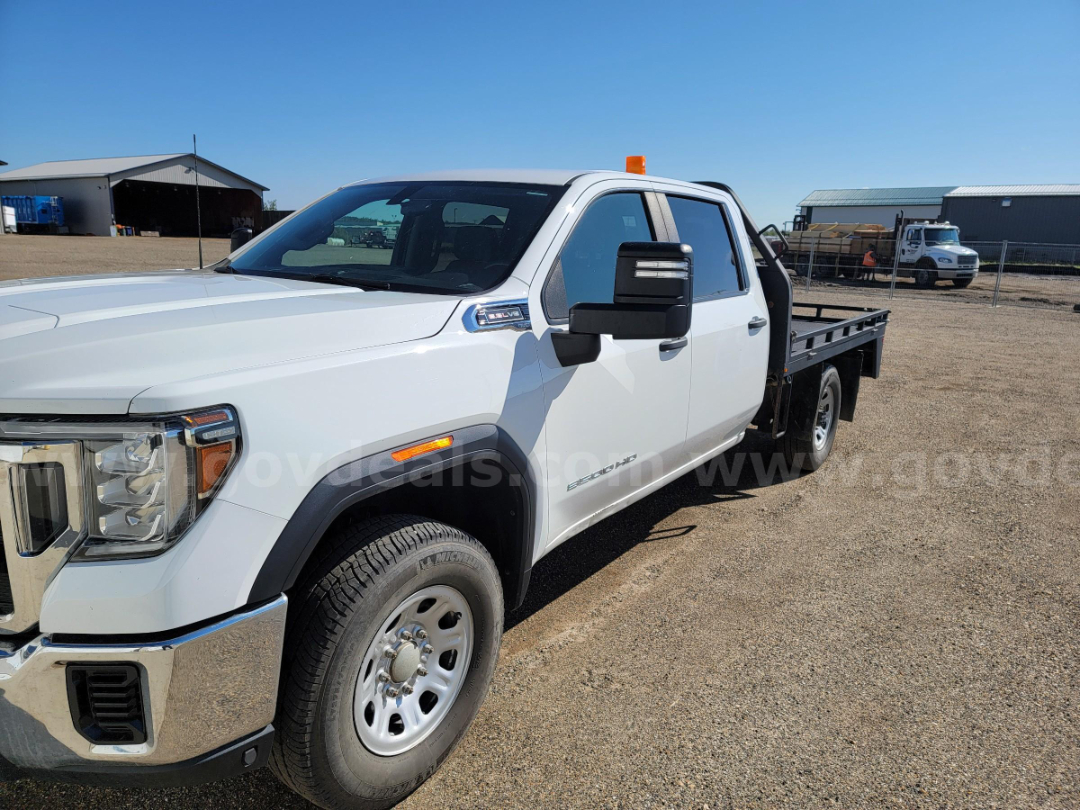
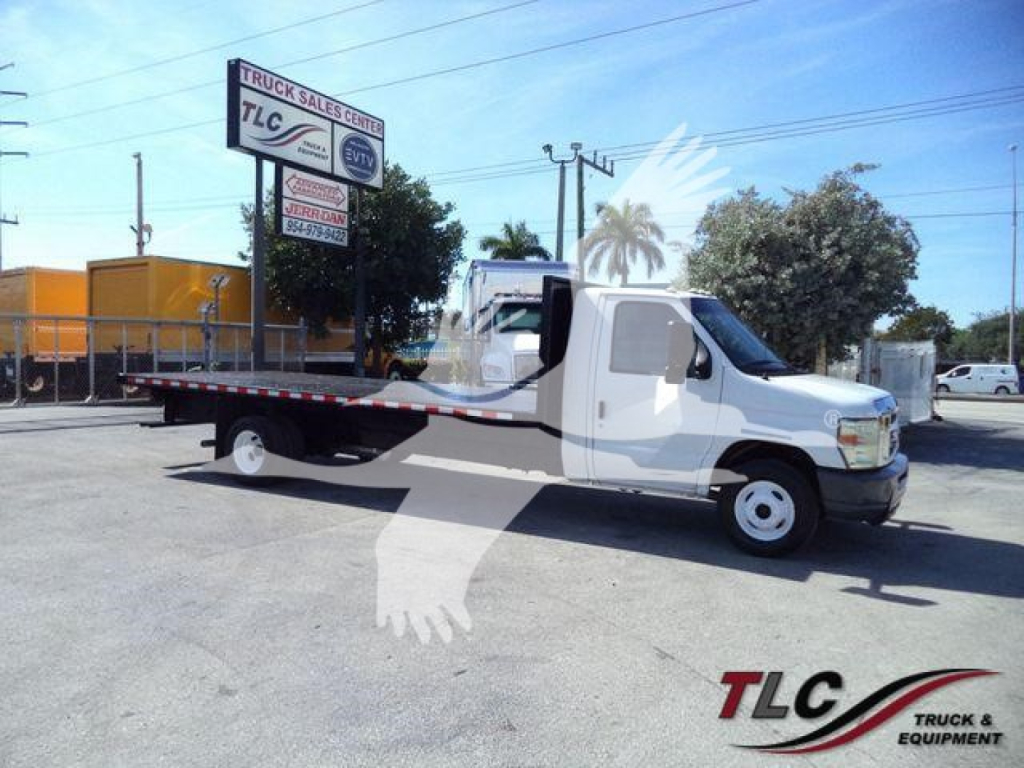
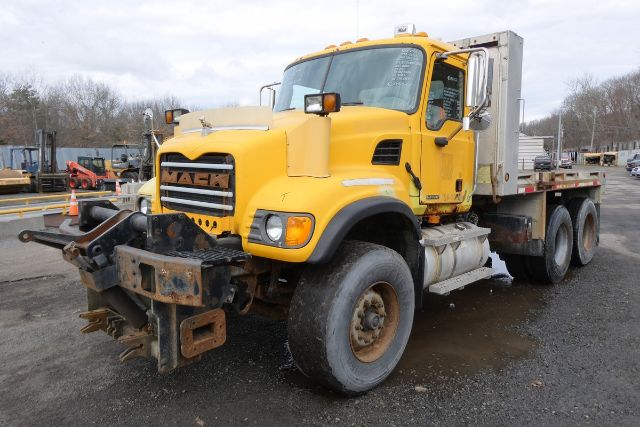
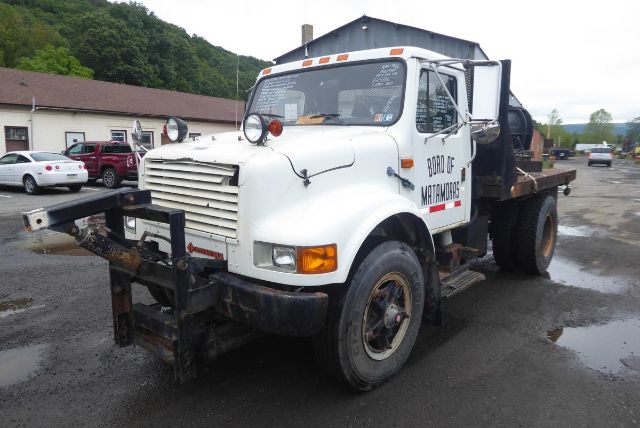
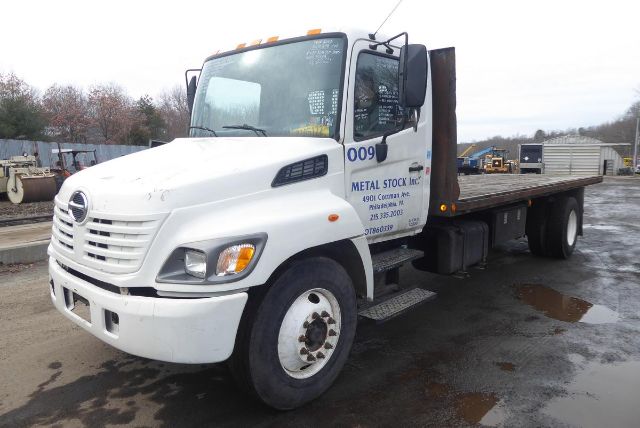
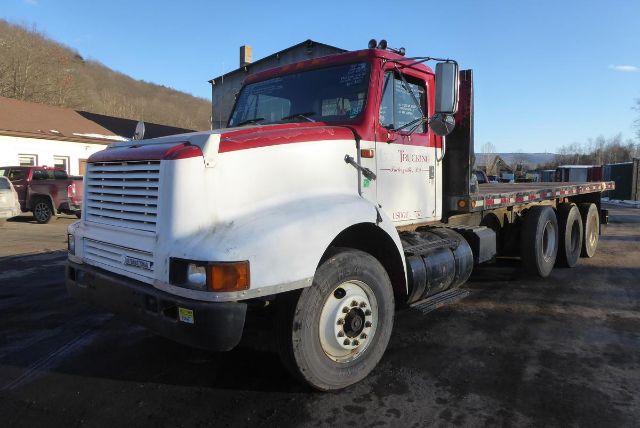
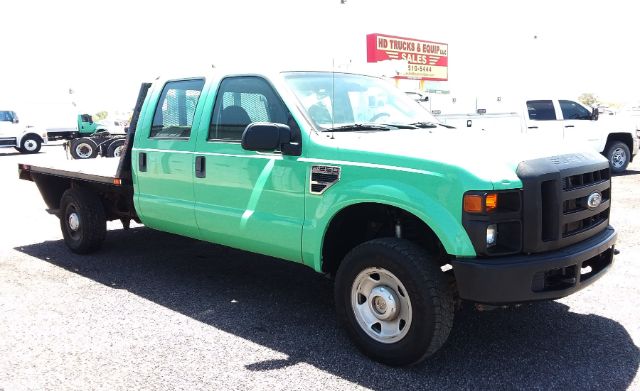
Showing 13 to 24 of 41 results
Have used dodge flatbed truck to sell? List it here to reach thousands of buyers.
Used Dodge Flatbed Trucks
A buyer should start with bed configuration and chassis rating. Many Dodge flatbed trucks in the used market are based on Ram 1500, 2500, or 3500 platforms, and the payload difference between those classes is significant. A 1500-based truck may fit light maintenance or grounds work, while a 2500 or 3500 is better suited for heavier material handling, towing, or carrying tools and equipment every day. Bed length, deck material, stake pockets, rub rail design, headache rack construction, and rear hitch setup all affect usefulness. Steel beds tend to hold up well in rough service, while aluminum can reduce curb weight and preserve payload.
Powertrain and cab layout matter because many of these trucks serve double duty as both work truck and transportation unit. Common used Dodge configurations may include gas V8 engines, automatic transmissions, 2WD or 4WD drivetrains, and regular cab, quad cab, or crew cab layouts. Four-wheel drive is especially valuable for farm lanes, utility easements, and winter service, while a crew cab adds passenger space for crews but reduces available bed length on some wheelbases. Buyers should also inspect rear suspension condition, brake wear, tire type, frame corrosion, electrical connections for lights or trailer plugs, and the quality of the flatbed installation itself.
The value of a used Dodge flatbed truck comes down to fit for the job. A simple pickup-based flatbed can be easier to maneuver and less expensive to operate than a larger medium-duty platform, especially for local routes and mixed-use work. If the truck will carry palletized material, measure actual deck width between rails and check tie-down points. If towing is part of the job, confirm hitch rating, brake controller setup, axle ratio, and GVWR. Buyers comparing listings should weigh chassis class, bed build quality, drivetrain, and service history more heavily than appearance alone, because those factors determine how well the truck will perform under daily load.
Frequently Asked Questions about Used Dodge Flatbed Trucks
What are used Dodge flatbed trucks commonly used for?
Used Dodge flatbed trucks are commonly used for light to medium-duty hauling, farm and ranch work, landscaping, maintenance departments, construction support, and local delivery of materials that need open-deck access. Their main advantage is the ability to load from the sides or rear without the limitations of a pickup box or enclosed body. That makes them practical for pallets, pipe, lumber, small equipment, and jobsite supplies.
What is the difference between a Dodge Ram 1500, 2500, and 3500 flatbed truck?
The main differences are payload capacity, chassis strength, suspension, and towing capability. A Ram 1500 flatbed is usually best for lighter service and occasional hauling. A Ram 2500 offers a heavier-duty frame and suspension for more consistent work use. A Ram 3500 is generally the strongest choice in this category for buyers who expect heavier payloads, trailer towing, or more demanding daily use.
What should I inspect on a used Dodge flatbed truck before buying?
Key inspection points include frame condition, rust around bed mounts, rear suspension wear, brake condition, tire wear, driveline performance, and the quality of the flatbed upfit. Buyers should also check deck condition, weld integrity, headache rack strength, lighting function, trailer wiring, and hitch setup. On older units, electrical issues, corrosion, and signs of overloading are especially important to evaluate.
Is a pickup-based flatbed truck a good alternative to a larger commercial flatbed?
For many local applications, yes. A pickup-based Dodge flatbed truck is easier to maneuver, simpler to park, and often less expensive to maintain than a medium-duty flatbed truck. It works well for contractors, farm operators, and municipal crews that need open cargo access without moving into a larger chassis. The tradeoff is lower GVWR, less deck space, and reduced payload compared with dedicated commercial flatbed trucks.
Does four-wheel drive matter on a used Dodge flatbed truck?
Four-wheel drive matters if the truck will operate on unpaved roads, jobsites, fields, snow-covered routes, or utility access paths. It improves traction and can reduce downtime in poor conditions. For pavement-only use and lighter duty work, a 2WD truck may be adequate and can be less complex to maintain. The right choice depends on terrain, seasonality, and how often the truck will be loaded when traction conditions are poor.