
International Fire Trucks For Sale
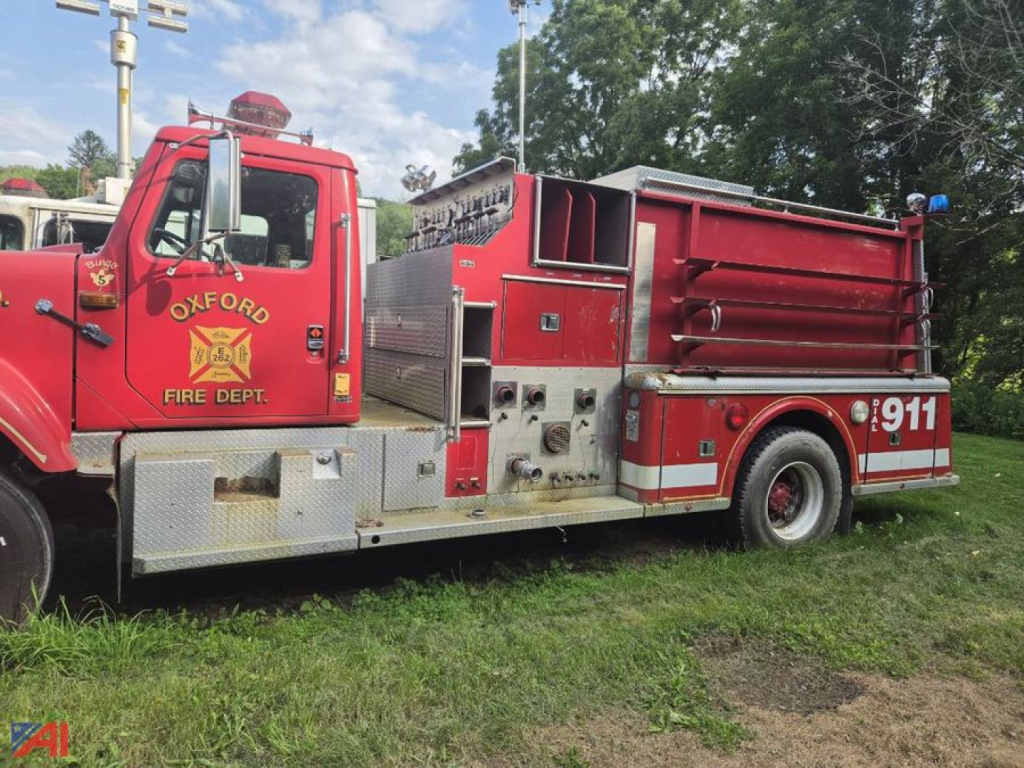
Have international fire truck to sell? List it here to reach thousands of buyers.
International Fire Trucks
A used International fire truck should be evaluated as both a truck and an apparatus. On the truck side, pay close attention to engine family, transmission type, brake system, suspension, tire date codes, corrosion around cab mounts and frame rails, and overall service history. Many units from the 1990s and 2000s use durable International diesel platforms that are straightforward to maintain, but age matters as much as mileage on fire equipment because many trucks spend long periods parked, idling, and running PTO-driven pump systems. Hour meters, maintenance logs, and evidence of regular pump testing can tell you more than the odometer alone.
On the apparatus side, the key decisions are pump capacity, water tank size, hose bed layout, compartment design, and the condition of the electrical and warning systems. A pumper may carry a 1,000 to 1,500 GPM pump with a tank sized for municipal first-response work, while tanker or tender configurations can prioritize larger water capacity for shuttle operations in non-hydrant areas. Check the pump make, recent certification status, valve operation, plumbing leaks, primer function, and PTO engagement. If the truck has rescue or service body features, inspect generator setup, scene lighting, inverter systems, compartment doors, and any onboard air or hydraulic equipment. For older apparatus, obsolete electronics and lighting can be just as important as drivetrain condition.
Fit for duty depends on where and how the truck will run. A shorter-wheelbase International fire truck can make sense for tighter streets or brush access, while a tandem or larger single-axle setup may be better suited to water hauling and rural coverage. Cab seating, SCBA provisions, crosslay arrangement, suction storage, and overall body height should match your staffing model and station constraints. Buyers should also confirm current compliance requirements in their state, title status, emissions applicability, and whether the apparatus can still pass annual pump and safety testing without major rework. For departments, contractors, airports, industrial sites, or training use, International fire trucks remain a practical equipment class when chassis condition and apparatus functionality are verified together.
Frequently Asked Questions about International Fire Trucks
What should I check first on a used International fire truck?
Start with the chassis and the pump system. Confirm the engine, transmission, brake type, axle ratings, and maintenance history, then verify pump capacity, tank size, PTO engagement, and recent pump test records. On older fire apparatus, corrosion, electrical issues, and idle hours can affect value more than mileage alone.
Are International fire trucks mainly used as pumpers or tankers?
International fire trucks are used in several configurations, but they are especially common as commercial-chassis pumpers, tankers, tenders, rescue units, and brush trucks. The exact setup depends on the body builder and the department's response area. Rural and volunteer departments often favor International-based apparatus because the platform is familiar, practical, and generally easier to service than some fully custom fire chassis.
How important is pump certification on a used fire truck?
Pump certification is one of the most important checkpoints because it shows whether the apparatus can still perform to rated capacity. A truck may run and drive well while still needing major pump, valve, primer, or plumbing work. Current or recent certification, along with service records, gives a buyer a much clearer picture of operational readiness and likely repair costs.
Does low mileage always mean a better fire truck?
No. Fire trucks often accumulate low road miles while still seeing heavy use through idling, PTO operation, scene time, and age-related deterioration. A low-mileage unit with poor maintenance, outdated electronics, dry-rotted tires, or corrosion can be a worse buy than a higher-mileage truck with documented service history and current apparatus testing.
What cab and body features matter most when comparing International fire trucks?
The most important features depend on the intended role, but buyers usually compare seating capacity, SCBA seat positions, compartment volume, hose storage layout, tank size, pump panel access, and overall vehicle height and wheelbase. These factors affect staffing, storage, maneuverability, and whether the truck fits station doors, local roads, and the department's response profile.