
Fire Trucks For Sale
Find fire trucks for sale: pumpers, aerial ladders, tankers, rescues and wildland units. Compare pumps, tanks, chassis, and NFPA compliance details.
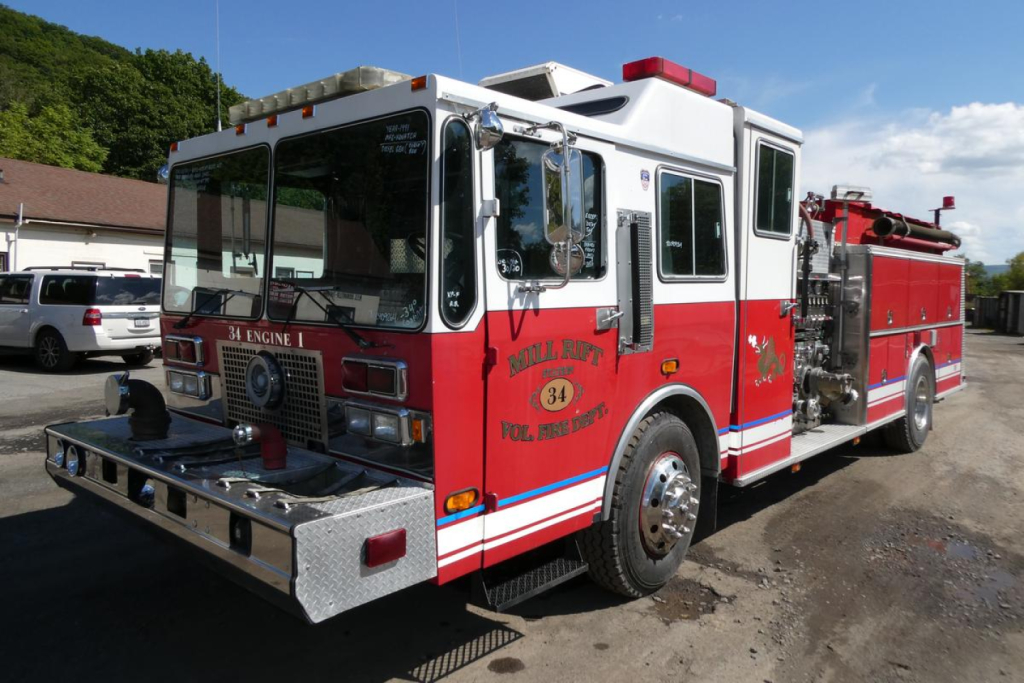
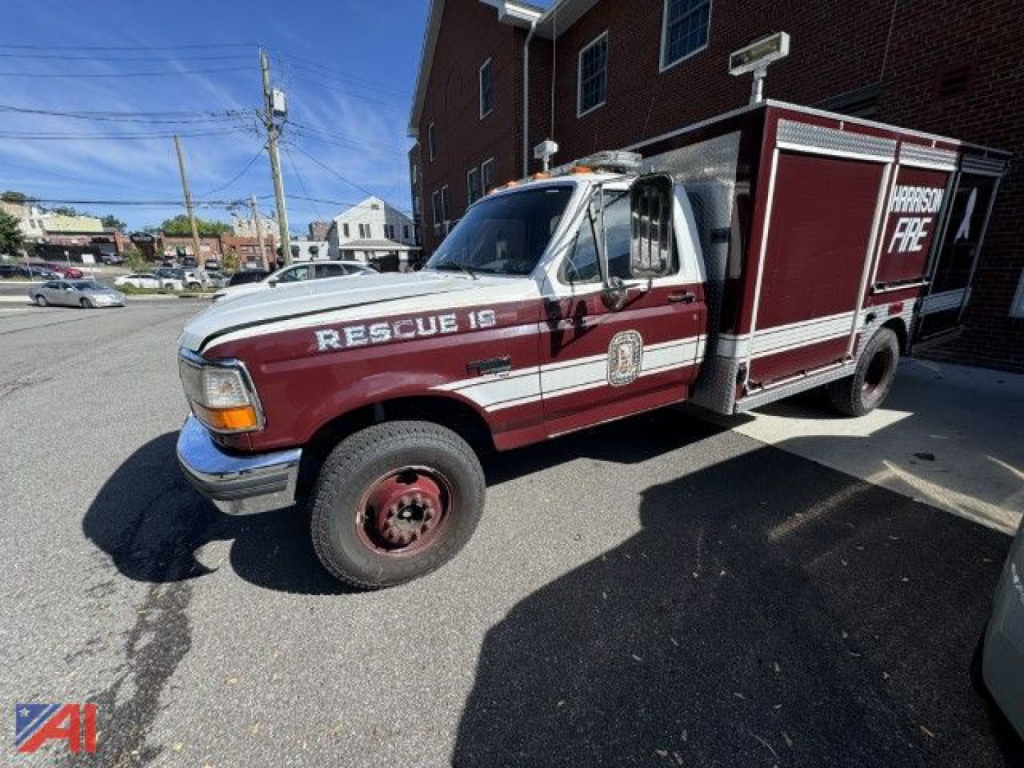
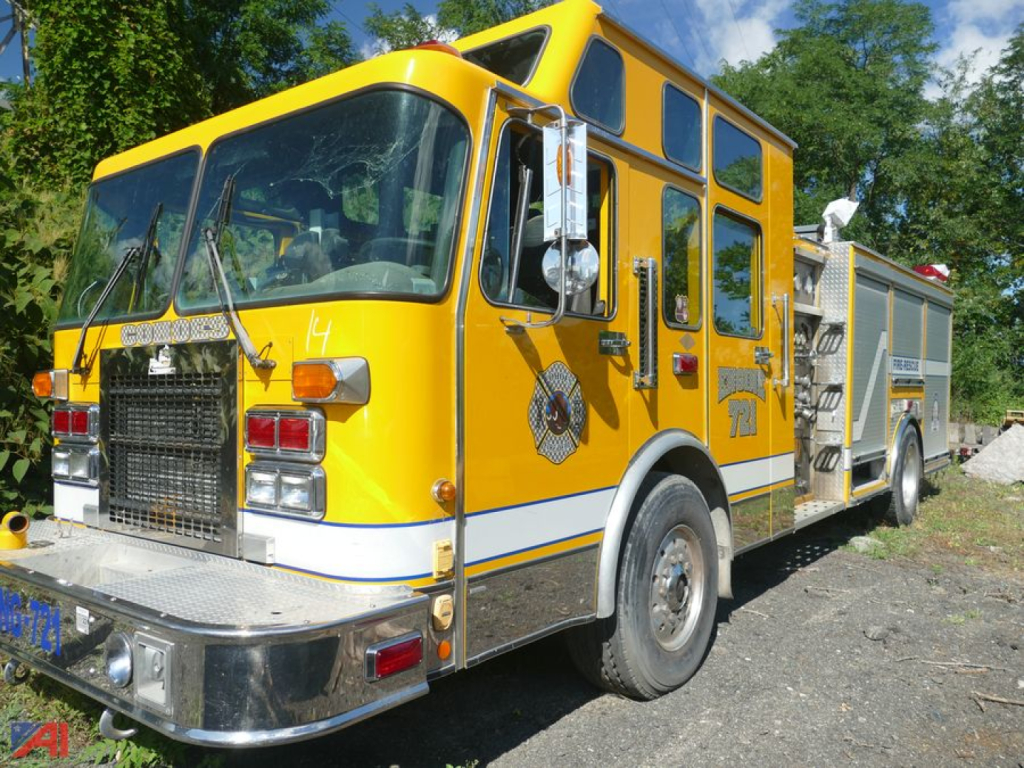
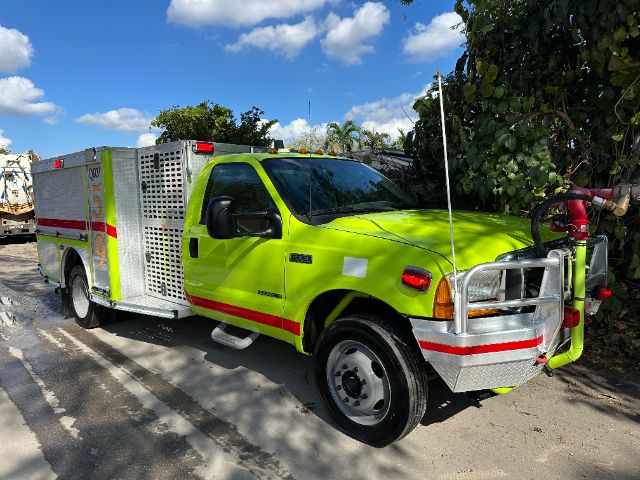
Selling a fire truck? List your fire truck for sale and reach thousands of commercial buyers.
Fire Trucks
Core configurations include engines pumpers, aerial ladder trucks and platforms, tanker tenders, rescue squads, wildland Type 3 through Type 6 units, and ARFF for airports. Typical pumper specs run 1250 to 2000 gpm midship or rear-mount pumps from Hale, Waterous or Darley, 500 to 1000 gallon tanks, LDH intakes with 4 to 5 inch Storz, and multiple 1.75 and 2.5 inch preconnects. Aerials range from 55 to 110 feet and beyond, with waterway flows of 1000 to 2000 gpm, platform or straight stick options, and outrigger spreads that dictate setup on narrow streets. Tankers often carry 1800 to 3500 gallons in poly or elliptical steel tanks with jet dumps, Newton valves and portable tank racks. Wildland units emphasize 4x4 drivetrains, short wheelbases, high approach and departure angles, PTO pumps and true pump-and-roll.
Evaluate systems closely, since mission fit depends on details. Class A and B foam proportioners from FoamPro or Hale increase flexibility, while CAFS improves knockdown with lower water use but adds plumbing, compressors and maintenance. Electrical packages support heavy loads, so verify generator type and capacity hydraulic, PTO or diesel, inverter size, shoreline charging, light towers and scene lighting output. Body construction drives durability and weight; aluminum, stainless and poly bodies have different corrosion and repair profiles, and scuffed coatings can hint at hidden rust. Check compartment layouts, slide trays and ladder storage against your equipment list, and confirm seating, SCBA brackets, seatbelt alarms and electronic stability control align with the NFPA 1901 edition you operate under.
Condition and documentation determine value. Look for NFPA 1911 annual pump tests, third-party aerial certification and maintenance logs that include engine hours, idle hours and pump hours, since odometers understate fire service use. Inspect for hydraulic leaks, valve actuation issues, packing wear and proper primer operation, and review waterway and flow test results on aerials. Late-model diesels rely on DEF and aftertreatment, so regen history and fault codes matter. Plan for station and route fit with overall length, height and outrigger footprint, verify tire and brake life against GVWR and axle ratings, and remember water weighs 8.34 pounds per gallon, so a 3000 gallon load adds more than 25,000 pounds. Licensing varies by state, and private or industrial buyers typically need a CDL for GVWR over 26,000 with an air brake endorsement, while municipal operators may have exemptions but still require EVOC training.
Also known as: Fire Engine, Fire Apparatus
Frequently Asked Questions about Fire Trucks
What pump size and tank capacity should I choose for my department?
For municipal or suburban operations with hydrants, a 1250 to 1500 gpm pump with a 500 to 750 gallon tank covers most initial attack needs and keeps wheelbase and height manageable. Rural departments that shuttle water often spec 1500 to 2000 gpm pumps to draft quickly, with 1000 to 1500 gallons on a pumper and 1800 to 3500 gallons on a tanker tender for nurse operations. If wildland interface is common, prioritize pump-and-roll via a PTO pump and consider Class A foam or CAFS for better knockdown with limited water.
What is the difference between a custom and a commercial fire apparatus chassis?
Custom fire chassis are purpose-built for emergency service, offering low step-in heights, wide cabs, flat floors, tight turning, high electrical capacity and integrated emergency braking and stability controls. They typically cost more but are engineered for long service life and easy access to fire-specific components. Commercial chassis use on-road truck platforms from Freightliner, International, Kenworth, Peterbilt or Ford, which reduces initial cost and parts prices and allows fleet commonality. They may have higher cab floors and longer wheelbases, so verify ergonomics, turning radius and overall height against your streets and station.
How do I verify pump and aerial condition on a used fire truck?
Ask for recent NFPA 1911 pump test results that document vacuum, rated flow at pressure, relief valve function and any valve or packing leaks. For aerials, request third-party certification that covers structural, hydraulic and electrical systems, plus waterway flow tests. Inspect cable sheaves, outrigger pads, cylinders and turntable gear for abnormal wear, check ladder bed wear pads and rung condition, and operate all motions through full range under load. A pre-purchase inspection by an EVT or apparatus dealer familiar with the brand is money well spent.
Do I need a CDL to operate a fire truck I purchase privately?
Licensing is state specific, but most private or industrial buyers need a CDL for vehicles with GVWR over 26,000 pounds, often with an air brake endorsement. Municipal firefighters may be exempt from CDL in some states when operating on duty, yet still require EVOC training and agency certification. If the truck will be used for non-emergency commercial purposes, expect full CDL and DOT compliance, including medical certification and logbook rules where applicable.
Is a compressed air foam system worth the added complexity?
CAFS can deliver faster knockdown and improved adhesion with less water, which is valuable for wildland, transitional and overhaul operations. The trade-off is additional cost, plumbing, a compressor and maintenance, along with training to avoid over-pressurization or poor foam quality. If your crews use foam regularly and water supply is limited, CAFS often pays off. If operations are mostly hydranted and staffing is lean, a reliable Class A foam proportioner without CAFS may be the simpler choice.