
New Mack Dump Trucks For Sale
Shop new Mack dump trucks built for construction, aggregate, paving, and municipal work with heavy-duty specs, PTO options, and durable suspensions.
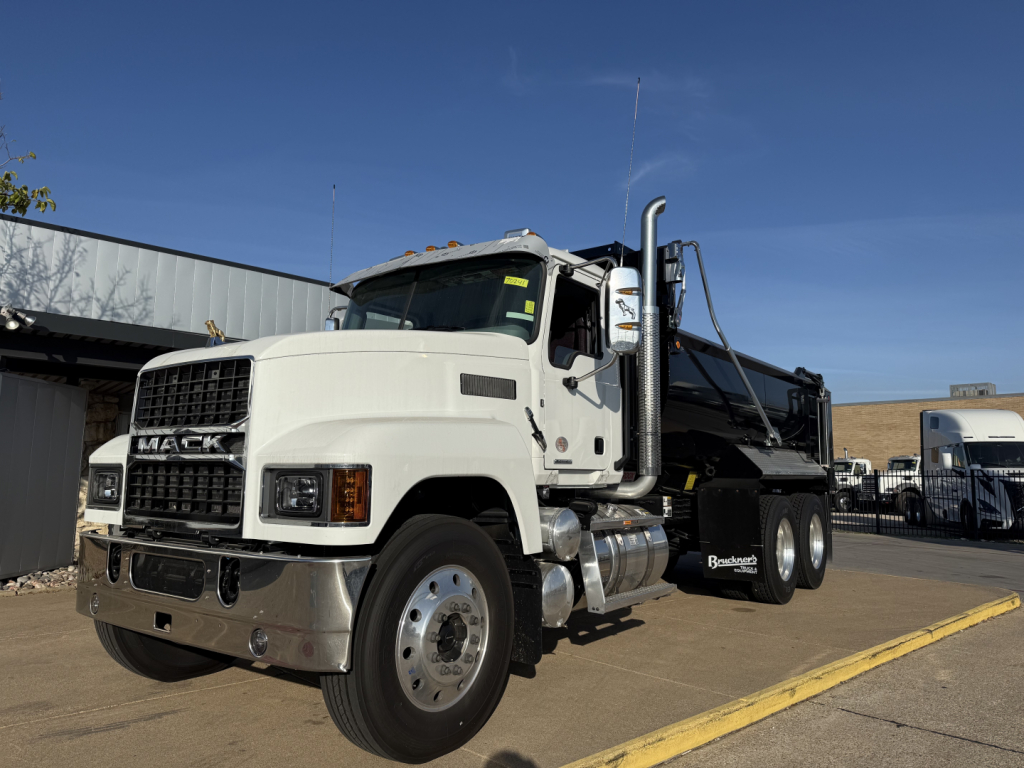
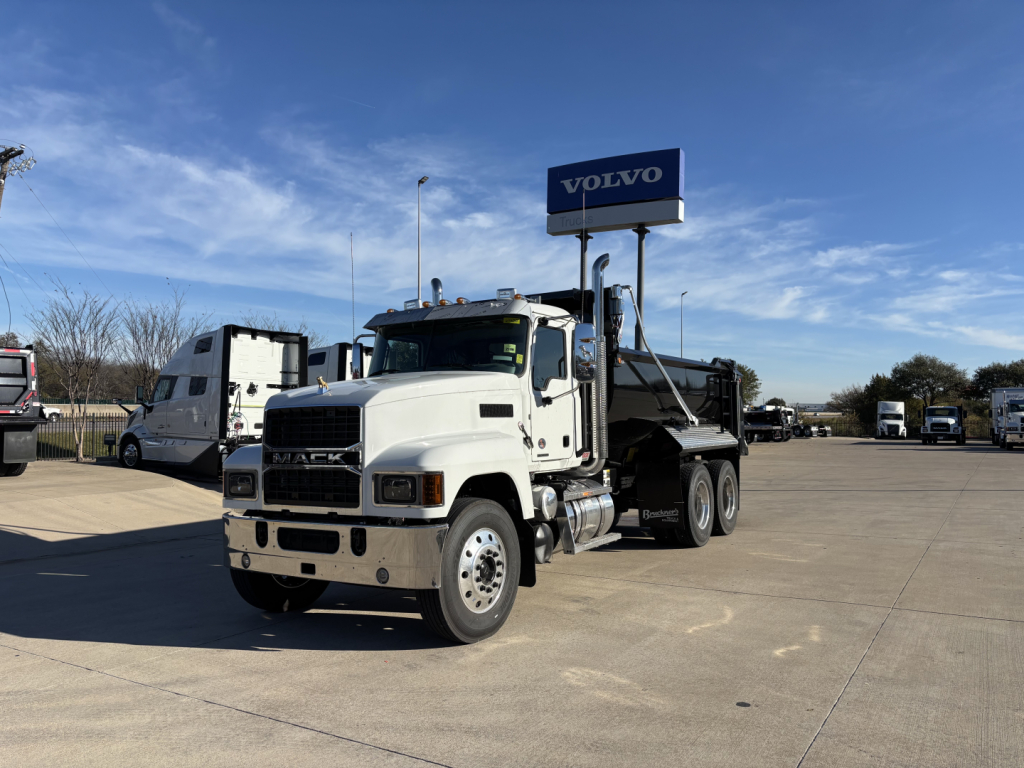
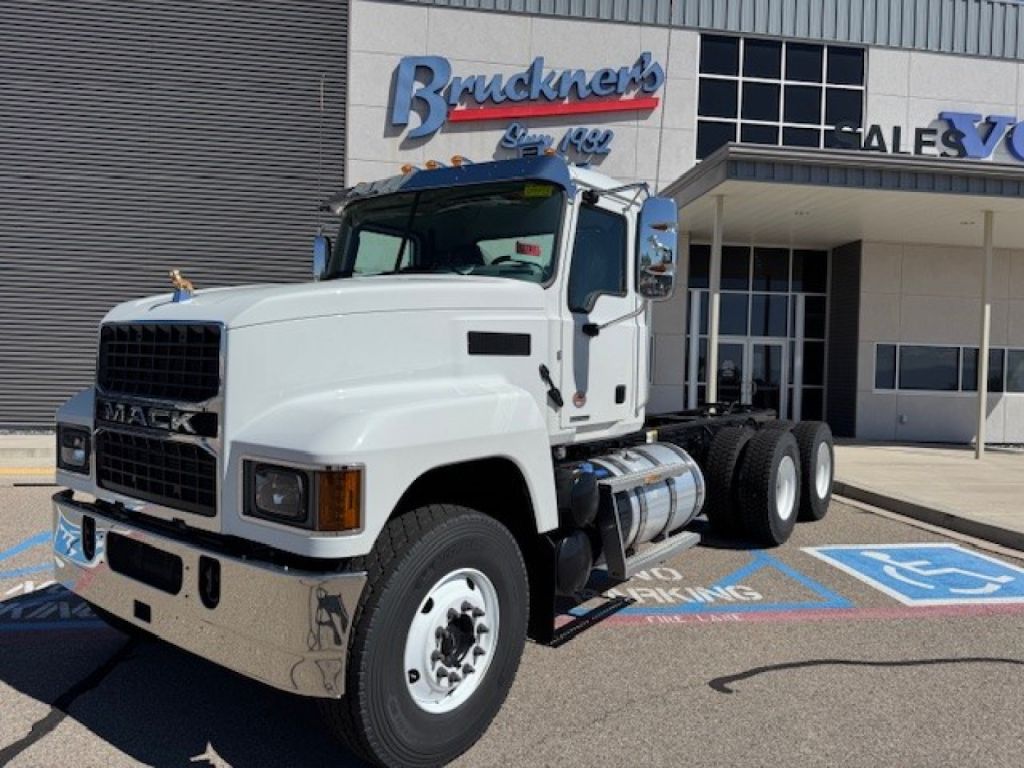
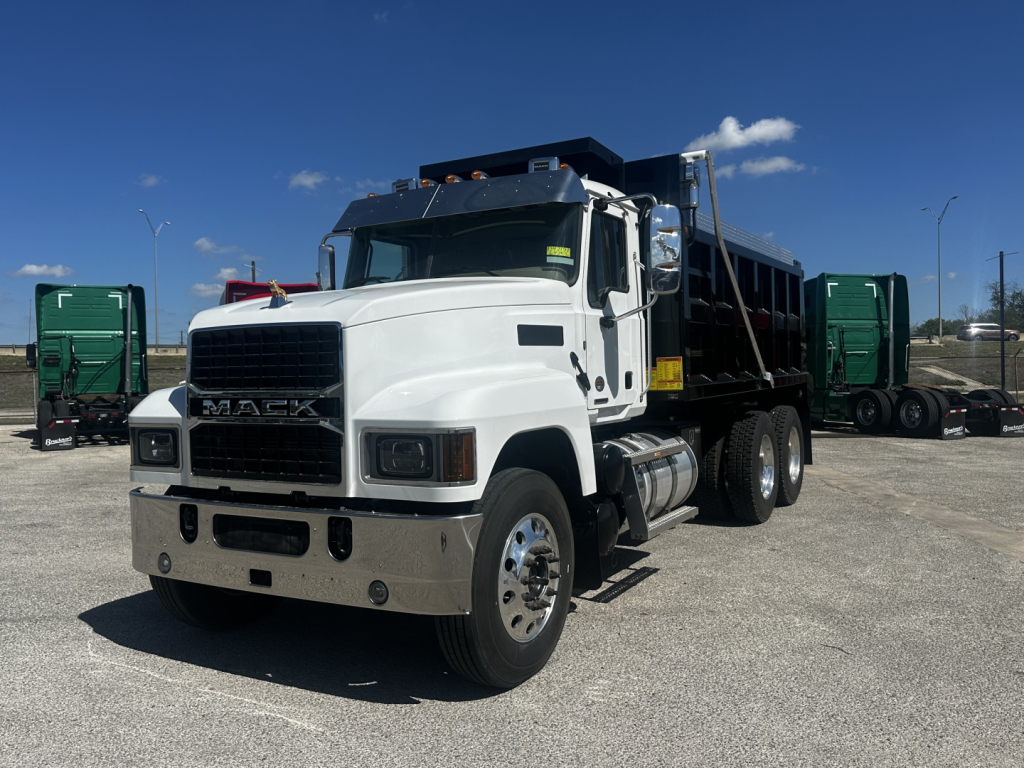
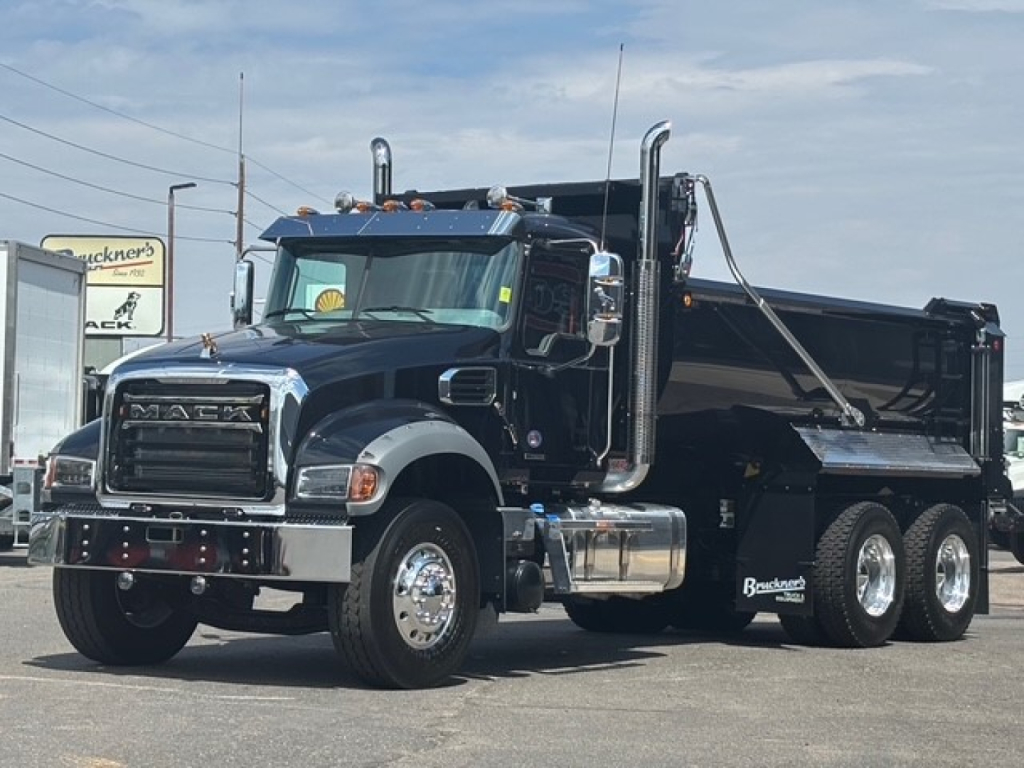
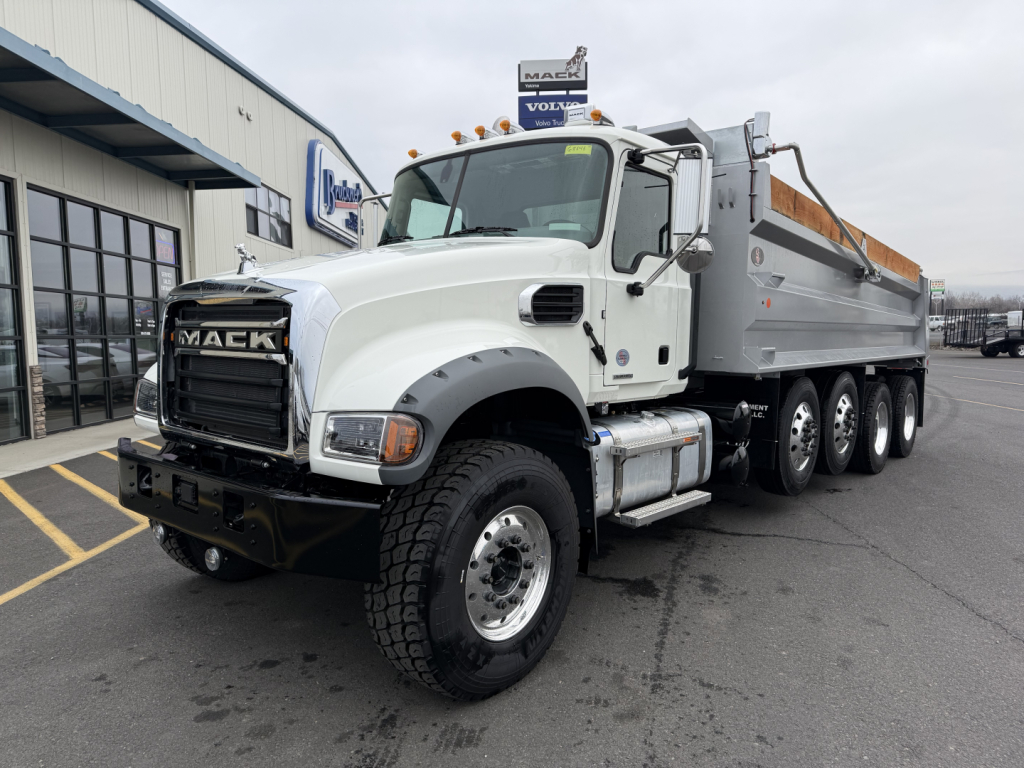
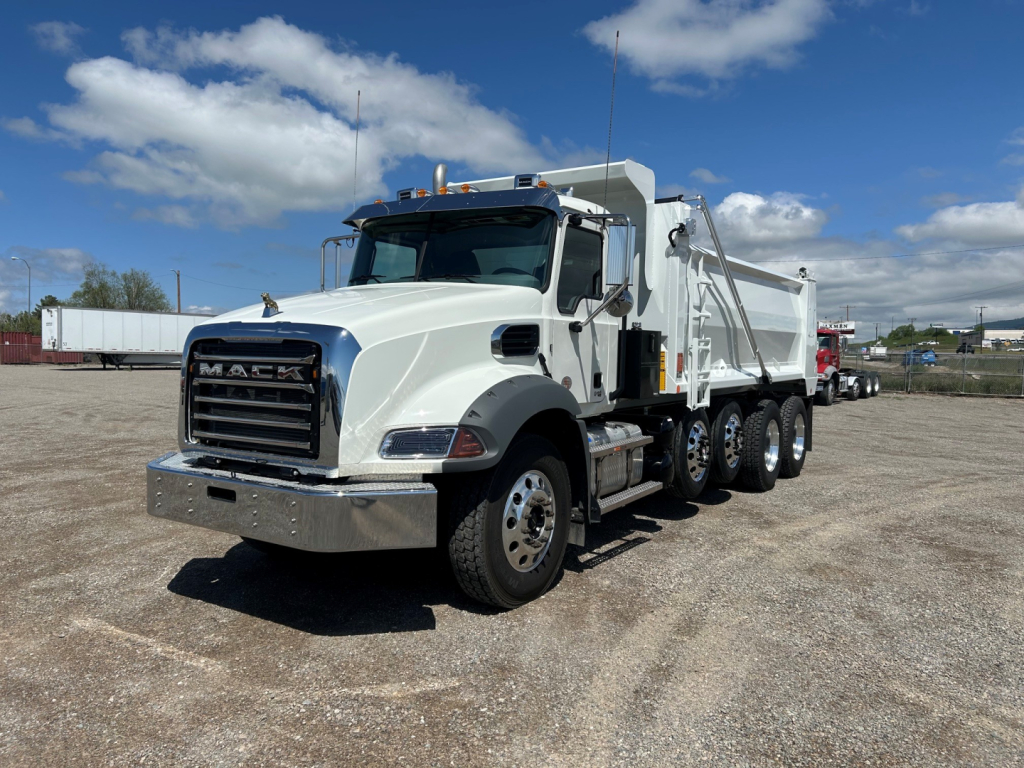
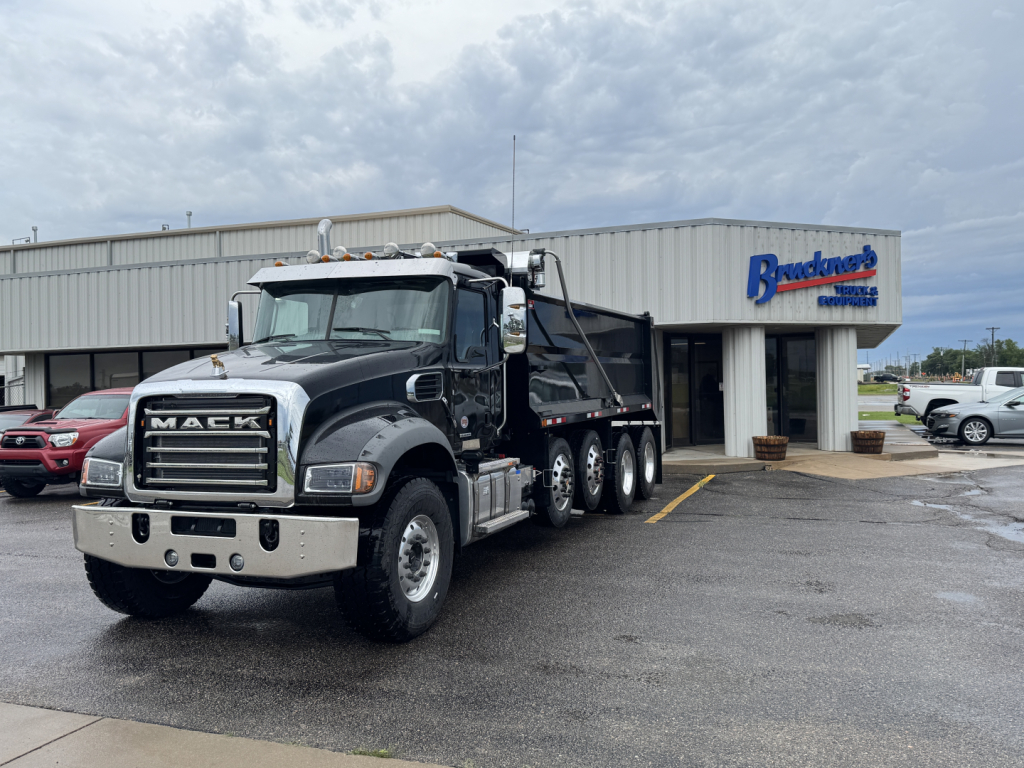

Showing 25 to 48 of 67 results
Have new mack dump truck to sell? List it here to reach thousands of buyers.
New Mack Dump Trucks
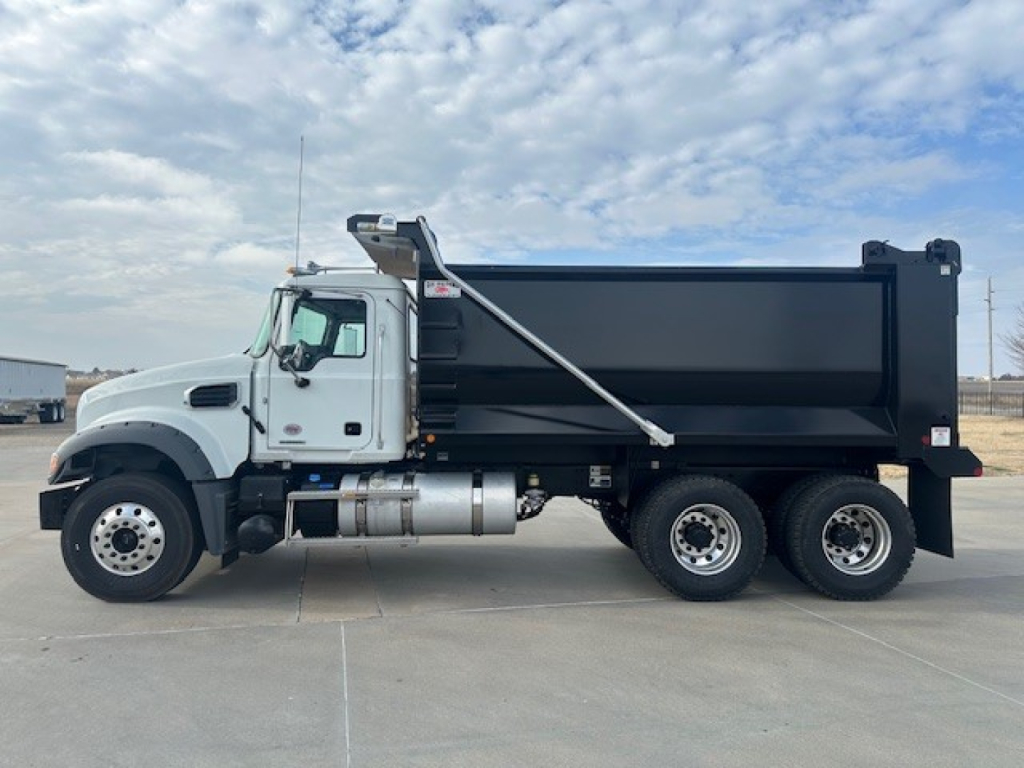
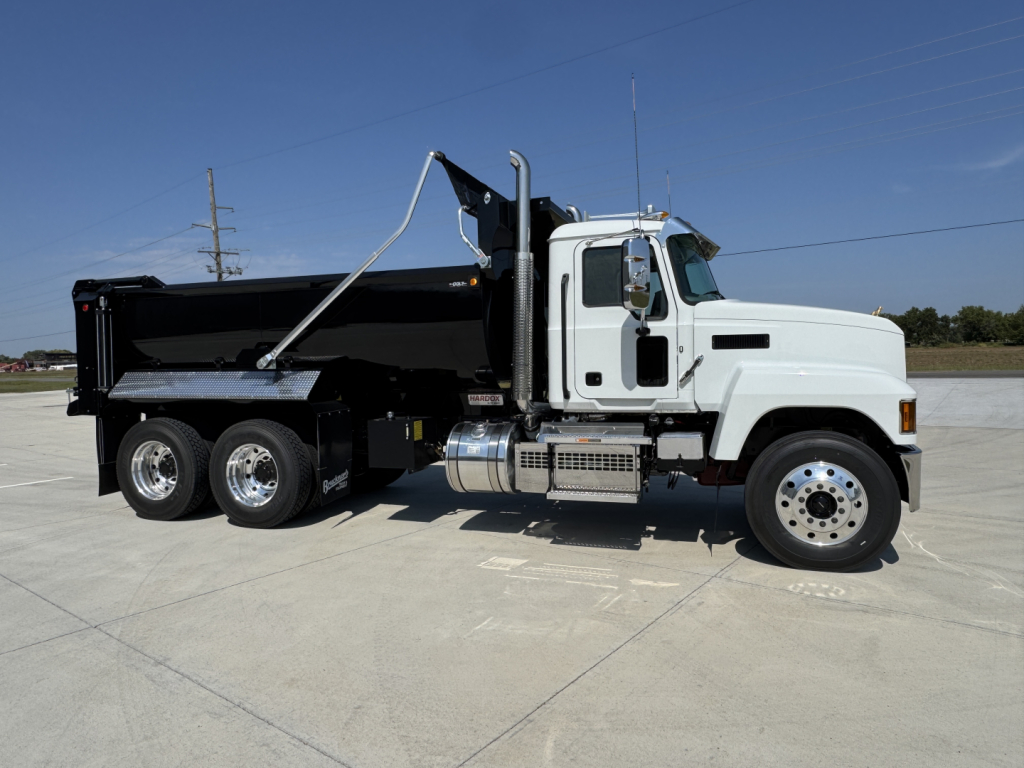
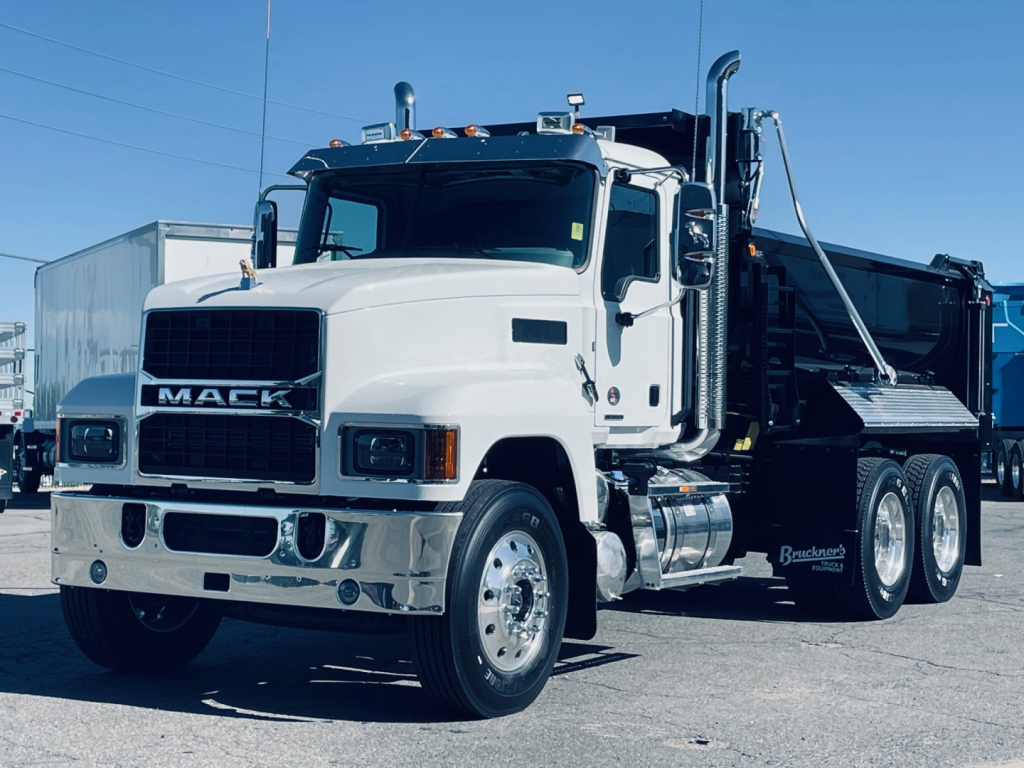
A major buying decision is the chassis and drivetrain combination. In the heavier end of the category, Mack Pinnacle and similar vocational chassis are often paired with the MP8 engine, usually in horsepower ratings suited for loaded starts, grades, and off-road jobsite travel. Buyers should pay close attention to torque output, rear axle rating, suspension type, and gear ratio. A 40,000 to 46,000 lb rear axle setup is common on heavier tandem dumps, while front axle ratings in the 14,000 lb class are typical for demanding body and plow-ready applications. Mack mDRIVE and mDRIVE HD automated manual transmissions are common in newer dump specs because they reduce driver fatigue, improve consistency, and can be ordered with vocational programming and low-speed maneuvering capability. For some operations, a traditional multi-speed manual still matters, but AMTs have become standard in many fleet applications.
Body and upfit details matter just as much as the truck itself. New Mack dump trucks may be fitted with steel or aluminum dump bodies depending on payload goals and material type, with common body lengths around 15 feet on tandem configurations. Floor material, side wall thickness, hoist capacity, tailgate style, and tarp system should match the work. Aggregate, asphalt, riprap, and demolition debris all place different demands on the body. Buyers should also confirm PTO and hydraulic setup, wheelbase, frame spacing, hitch equipment, air and electric run to end of frame, and whether the chassis is already plumbed for the intended body. Suspension choice is another key factor. Camelback and other heavy-duty spring suspensions remain popular for severe service, while air ride options can improve ride quality depending on the haul and terrain.
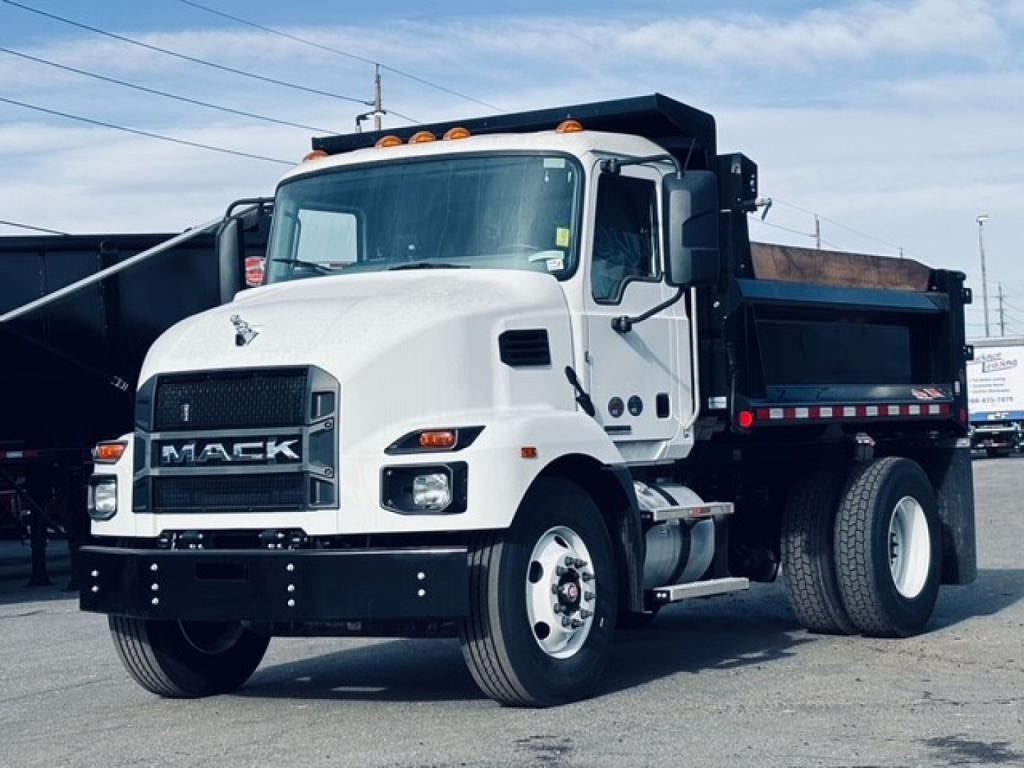
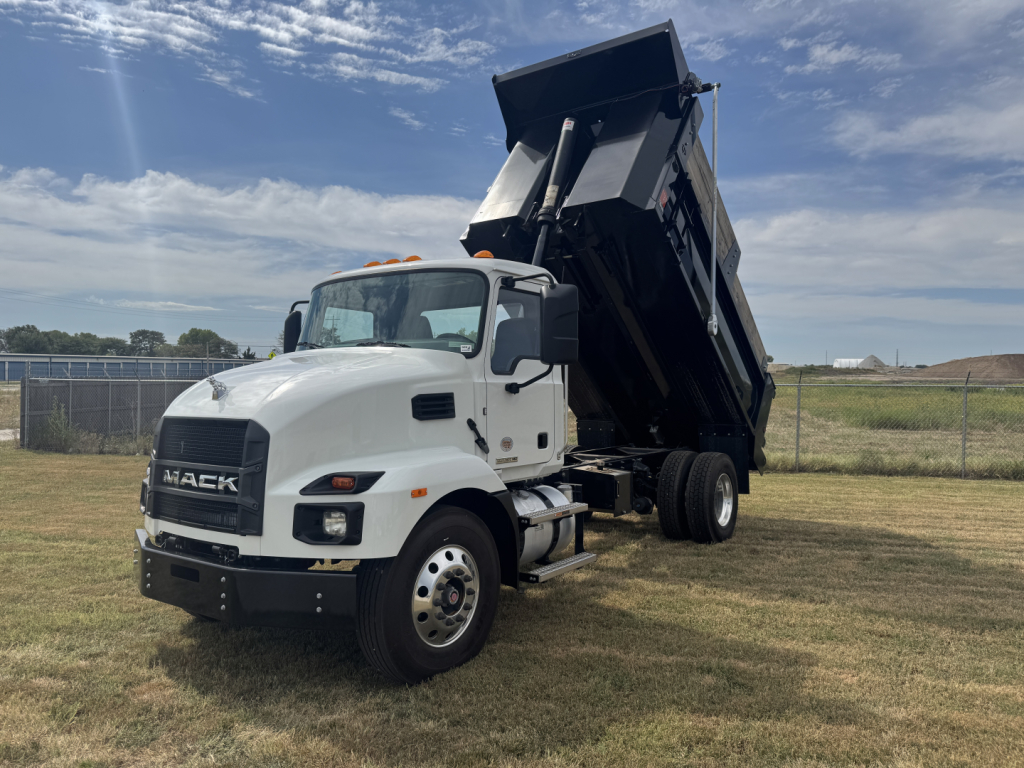
For lighter-duty urban and municipal work, some new Mack dump trucks in this category may be built on medium-duty platforms such as the MD series. These are often used for landscape material, patch work, snow and ice support, or local construction hauling where tighter dimensions and lower GVWR are more practical. Across the category, the best spec is the one that matches legal payload requirements, jobsite conditions, body type, and route profile. A buyer comparing listings should focus less on model year differences and more on axle ratings, suspension, transmission programming, body construction, and how the truck is equipped for the exact material and duty cycle it will handle.
Frequently Asked Questions about New Mack Dump Trucks
What should I look at first when comparing new Mack dump trucks?
Start with axle ratings, suspension, engine, transmission, and body specification. Those five items tell you most of what the truck can legally carry and how well it will survive your application. A dump truck hauling asphalt on short regional runs needs a different setup than one carrying rock, demolition debris, or wet clay off-road. Wheelbase, lift axle configuration, PTO setup, and body floor thickness should be reviewed early because they directly affect payload, maneuverability, and upfit suitability.
Are Mack mDRIVE transmissions a good choice for dump truck work?
In many dump applications, yes. Mack mDRIVE and mDRIVE HD automated manual transmissions are widely used in vocational specs because they reduce clutch wear, improve shift consistency, and help with driver onboarding. They are especially useful in stop-and-go hauling and repetitive routes. Buyers should still confirm the transmission programming, gear count, and low-speed performance features, especially if the truck will spend time on loose surfaces, steep grades, or crowded jobsites where precise maneuvering is important.
What suspension is common on a Mack dump truck?
Heavy-duty spring suspensions are very common, including Mack vocational suspension options such as Camelback on severe-service applications. These setups are valued for durability and stability under high body roll and uneven terrain. Some buyers prefer air ride suspensions for ride quality and certain on-road applications, but spring suspensions remain a frequent choice when the truck will see rough jobsites, uneven haul roads, or frequent loading with dense material.
How do I choose the right dump body for a new Mack chassis?
Match the body to the material, not just the truck. A body hauling sand or topsoil can be spec'd differently than one carrying broken concrete, asphalt, or large aggregate. Body length, side height, steel grade, floor thickness, hoist design, tailgate type, and tarp system all affect production and service life. If payload is critical, body weight matters. If abrasion resistance is critical, floor and side material matter more. The right dump body spec can make as much difference in long-term performance as the engine or transmission.
Are medium-duty Mack dump trucks suitable for commercial work?
Yes, if the work matches the platform. Medium-duty Mack dump trucks are often a strong fit for municipalities, landscape suppliers, utility crews, patch crews, and local contractors that need a compact truck for city routes or tighter jobsites. They are not a substitute for a heavy tandem or tri-axle when high payload and severe-duty construction hauling are the priority. The key is to match GVWR, body capacity, and axle configuration to the actual material volume and road conditions.