
2021 Day Cab Trucks For Sale in Georgia
Shop 2021 day cab trucks in Georgia. Compare regional haul specs, engine options, wheelbases, safety systems, and fleet-ready configurations.
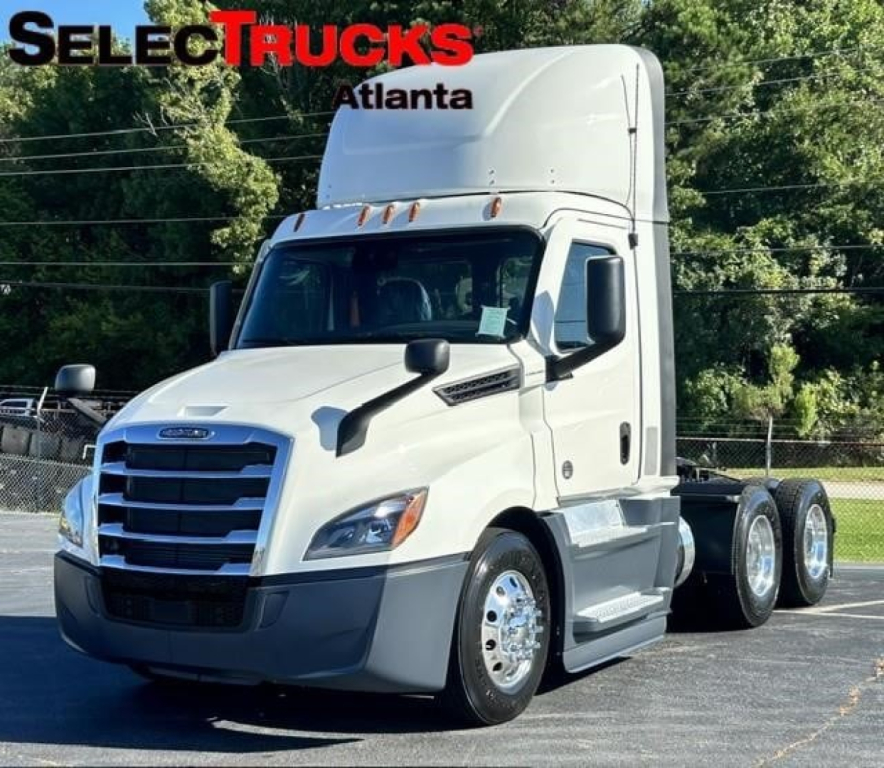
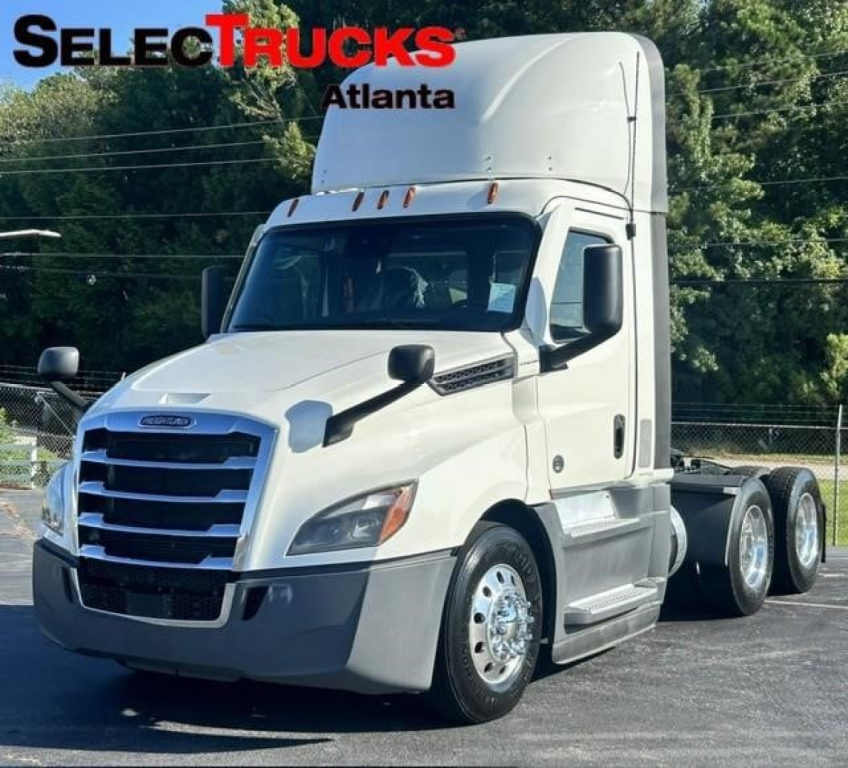

Selling a 2021 day cab truck? List your 2021 day cab truck for sale and reach thousands of commercial buyers.
2021 Day Cab Trucks in Georgia
The most important buying decision is usually the powertrain. In 2021 trucks, you will commonly see Detroit DD13 and DD15, Cummins X15, PACCAR MX-13, Volvo D13, and International A26 engines paired with automated transmissions such as the DT12, Endurant, I-Shift, or PACCAR automated options. Horsepower typically falls in the 400 to 505 range, with torque often between 1,450 and 1,850 lb-ft depending on the application. A buyer pulling van or reefer freight on regional lanes may prioritize a downsped aero spec for fuel efficiency, while heavier bulk, flatbed, or vocational work may call for a shorter rear ratio, higher torque rating, heavier suspension, and a more robust front axle. If the truck will work around Atlanta or other dense metro areas, wheelbase and fifth wheel placement matter because they affect trailer swing clearance, dock approach, and maneuverability.
A good 2021 day cab should also be evaluated by cab and chassis spec, not just make and mileage. Look closely at front axle rating, rear axle capacity, suspension type, brake configuration, PTO provisions, and the exact fifth wheel setup. Air slide fifth wheels, in-cab fifth wheel release, disc brakes, full fairings, and aluminum wheels are common value points, but the right spec depends on the job. For fleet buyers, safety systems are a major part of this model year. Collision mitigation, lane departure warning, adaptive cruise, side object detection, and onboard camera systems became far more common on 2021 trucks. Interior features like power windows, Bluetooth radios, heated mirrors, and updated driver displays can also matter on high-turnover local fleets where uptime and driver acceptance affect cost per mile.
Used 2021 day cab trucks can be a strong value because they are modern enough to offer current safety and drivetrain technology, but old enough to provide more price separation than late-model units. Service history is critical. Check for software campaign completion, aftertreatment maintenance, transmission calibration updates, and any records related to the DPF, SCR, injectors, turbocharger, and one-box system. Tire condition, brake life, alignment wear, and frame condition around the fifth wheel area tell you a lot about how the truck was worked. If the truck is intended for Georgia intrastate hauling, also consider axle spacing, local weight needs, and whether the spec fits your trailer mix from day one. The best 2021 day cab is not simply the cleanest truck on the page. It is the one whose wheelbase, engine rating, transmission, axle ratio, and chassis equipment match the freight.
Frequently Asked Questions about 2021 Day Cab Trucks in Georgia
What is a 2021 day cab truck best used for?
A 2021 day cab truck is best suited for regional and local work where the driver returns home daily and does not need a sleeper berth. Common applications include dry van, reefer, tanker, drayage, flatbed, dump, and dedicated private fleet routes. The shorter cab and chassis layout improves maneuverability, reduces empty weight compared with many sleeper tractors, and often lowers acquisition cost for operations focused on short to mid-range runs.
What engines and transmissions are common in 2021 day cabs?
Common 2021 day cab powertrains include the Detroit DD13 and DD15, Cummins X15, PACCAR MX-13, Volvo D13, and International A26. Most are paired with automated manual transmissions such as the DT12, Endurant, I-Shift, or PACCAR automated units, although some manual transmissions still appear in vocational or specialty specs. Buyers should match horsepower, torque, rear axle ratio, and transmission programming to the truck's actual trailer weight and route profile rather than shopping by engine name alone.
Should I choose a 4x2 or 6x4 2021 day cab?
A 4x2 day cab can make sense for lighter regional freight, fuel economy-focused operations, and applications where tare weight matters. A 6x4 is more common for general freight, tanker, heavier loads, rougher yard conditions, and situations where traction and durability are more important than shaving weight. The right choice depends on commodity, gross combination weight, terrain, and how often the truck leaves pavement or works in wet terminals and construction environments.
What should I inspect on a used 2021 day cab before buying?
The most important checks are service records, engine hours, idle time, aftertreatment history, transmission fault history, and any completed software campaigns. Inspect the frame rails, fifth wheel area, suspension components, steer tire wear, brakes, and signs of driveline vibration or uneven loading. On a 2021 emissions truck, DPF and SCR maintenance matters as much as mileage. A clean cab and fresh tires are positive, but maintenance documentation and fault-free operation are more important indicators of long-term value.
Are 2021 day cab trucks a good fit for Georgia operations?
Yes, 2021 day cab trucks are a strong fit for Georgia because many routes involve ports, distribution centers, regional freight corridors, and dense metro traffic around Atlanta, Savannah, Macon, and Columbus. Buyers in Georgia typically benefit from specs that balance maneuverability with highway efficiency, such as practical wheelbases, automated transmissions, and safety systems for heavy traffic. The best setup depends on whether the truck will handle drayage, warehouse-to-store delivery, construction support, or longer regional lanes across the Southeast.