
2021 Day Cab Trucks For Sale
Shop 2021 day cab trucks with modern aerodynamics, automated manual options, and regional-haul specs built for local and dedicated freight.
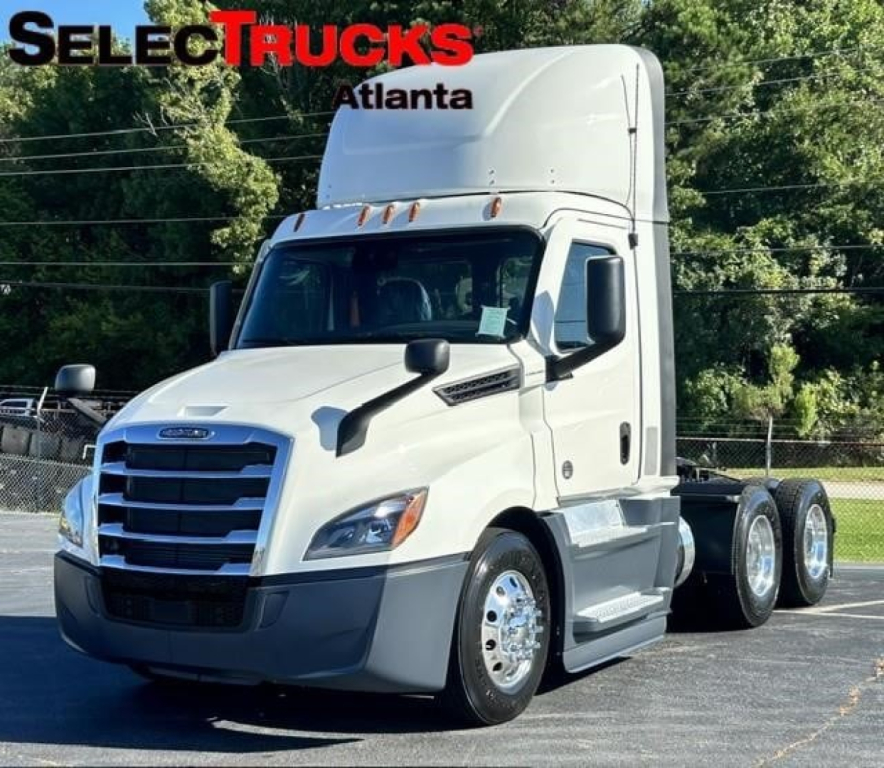
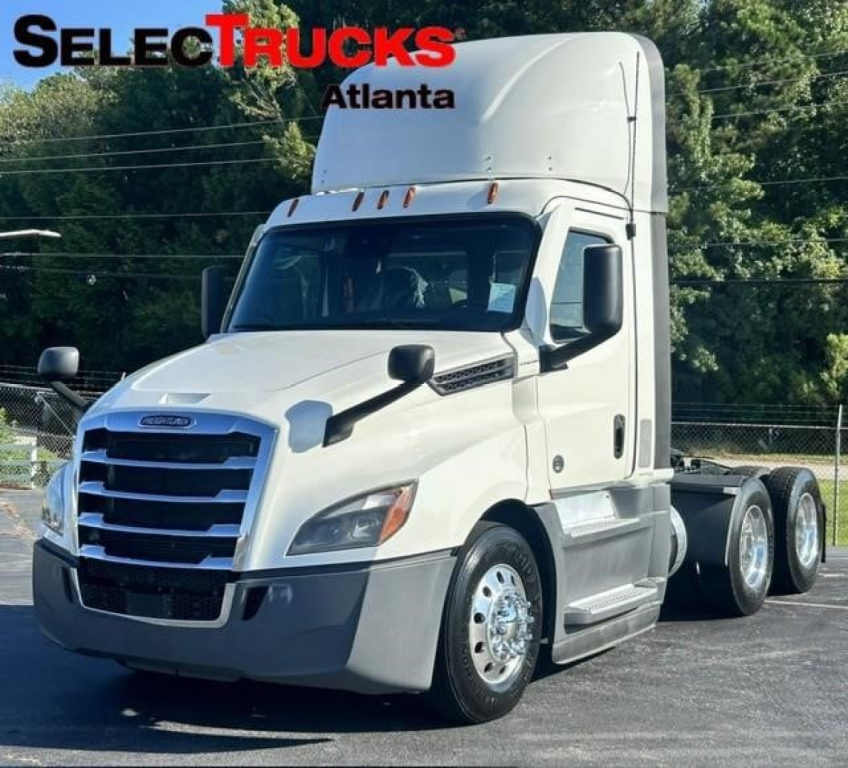
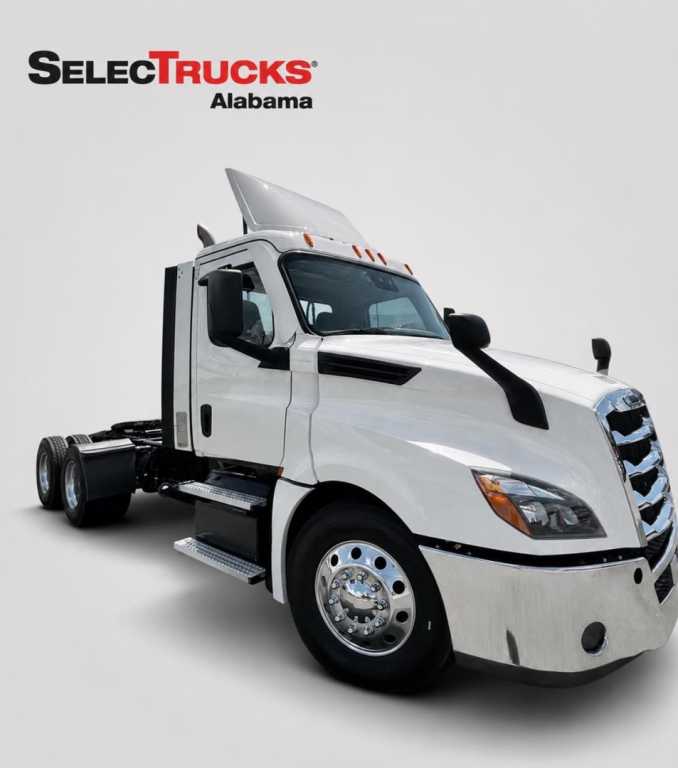

Selling a 2021 day cab truck? List your 2021 day cab truck for sale and reach thousands of commercial buyers.
2021 Day Cab Trucks
The first buying decision is usually spec alignment. For 2021 trucks, expect engines in the 400 to 505 horsepower range to cover most regional applications, with higher horsepower available for heavy haul or specialized routes. Detroit DD13 and DD15 engines are common in this year range, paired with automated manual transmissions such as the DT12, though some fleets still prefer manual transmissions for severe-duty work. Wheelbase, rear axle ratio, and suspension rating matter as much as engine choice. A shorter wheelbase helps in city and terminal environments, while a longer wheelbase can improve ride quality and allow room for larger fuel capacity, deck plate equipment, or frame-mounted accessories.
Cab and chassis details separate a basic fleet tractor from a better long-term buy. Look closely at front axle ratings, rear axle capacities, brake type, tire size, fifth wheel setup, and fuel tank configuration. A 2021 day cab may be spec'd for van, reefer, flatbed, tanker, or container service, and the differences are important. Sliding fifth wheels add flexibility for mixed trailer lengths and kingpin settings. Air ride suspensions are common for highway use, while vocational setups may use heavier spring or severe-service components. Features such as collision mitigation, lane departure warning, adaptive cruise control, and telematics became more common by 2021, which can help with safety scores, insurance discussions, and driver retention.
Condition still matters more than age alone. For a used 2021 day cab, maintenance history, idle hours, brake and tire wear, DPF and SCR service records, and evidence of consistent PM intervals should carry real weight in the decision. Check for frame modifications, prior fifth wheel movement, and signs of heavy PTO or lowboy service if the truck was not originally spec'd for standard highway freight. Buyers comparing listings should focus on application match first, then engine-transmission combination, then axle and wheelbase specs. A well-spec'd 2021 day cab can deliver a strong balance of purchase cost, operating efficiency, and remaining service life for fleets and owner-operators running daytime freight.
Frequently Asked Questions about 2021 Day Cab Trucks
What is a 2021 day cab truck best used for?
A 2021 day cab truck is best suited for regional hauling, local delivery, drayage, dedicated contract freight, and shuttle runs where overnight accommodations are not needed. Its shorter cab design reduces weight and improves maneuverability compared with a sleeper tractor. That makes it a practical choice for operations that prioritize payload, tighter turning radius, and frequent stops over long-haul comfort.
What engines and transmissions are common in 2021 day cab trucks?
Common 2021 day cab specs include engines such as the Detroit DD13 and DD15, often in horsepower ratings from roughly 400 to 505. Automated manual transmissions are very common in this model year, especially for fleet use because they help with fuel economy and driver consistency. Manual transmissions still appear in heavier-duty or specialized applications where gearing control and driver preference matter more.
How do I choose the right wheelbase and axle setup on a 2021 day cab?
Wheelbase and axle setup should match the trailer type, route profile, and weight demands of the job. Shorter wheelbases work well in urban freight, ports, and tight yards because they improve turning and backing. Longer wheelbases can provide better ride quality, more fuel capacity, and space for accessories. Buyers should also confirm front axle rating, rear axle ratio, suspension capacity, and fifth wheel placement to ensure the truck fits legal weights and trailer kingpin settings.
Are 2021 day cab trucks a good value compared with newer models?
For many buyers, 2021 day cab trucks hit a useful middle ground between price and technology. They are new enough to offer modern aerodynamics, safety systems, and current emissions equipment, but they usually cost less than brand-new units. Value depends on maintenance history, mileage, idle time, and spec quality. A well-maintained 2021 truck can offer strong remaining service life with lower acquisition cost than a new tractor.
What should I inspect before buying a used 2021 day cab truck?
Key inspection points include engine hours, odometer miles, transmission operation, tire and brake condition, frame integrity, suspension wear, and fifth wheel condition. Buyers should also review DPF, SCR, and EGR service records, confirm regular preventive maintenance, and look for signs of accident repair or severe-duty use. If the truck was used in heavy haul, PTO work, or stop-and-go service, those operating conditions should be weighed against the truck's original spec and current condition.