
New Crane Trucks For Sale in Texas
New crane trucks for sale in Texas, including boom and knuckle boom configurations for construction, material delivery, and utility lifting.
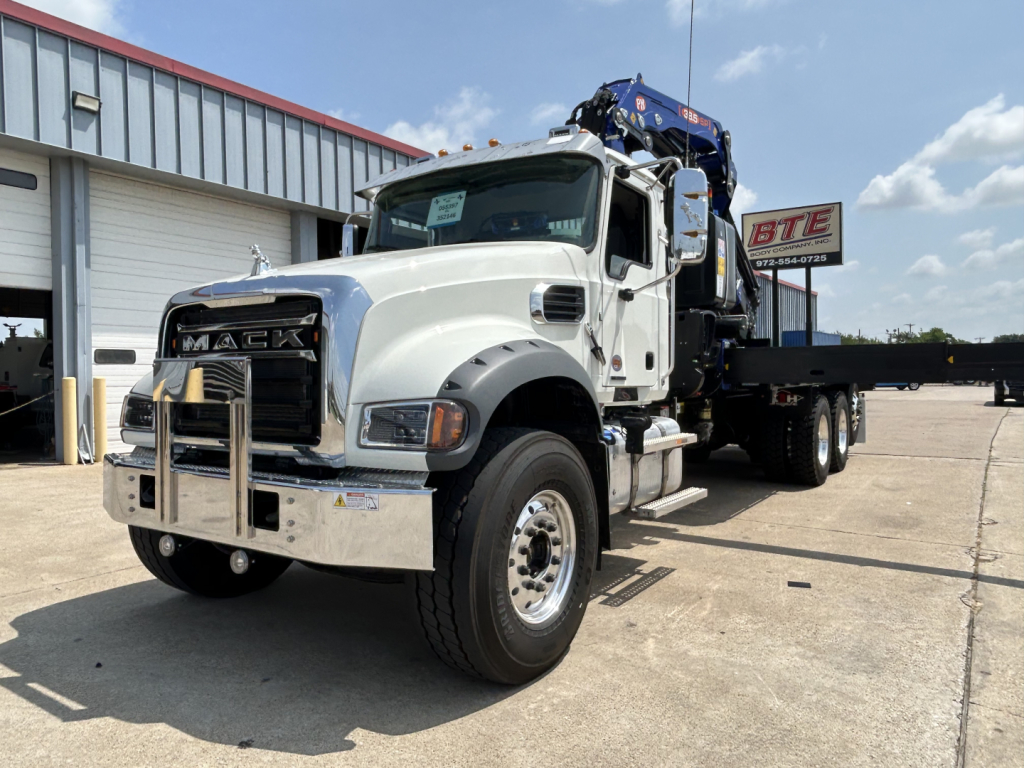
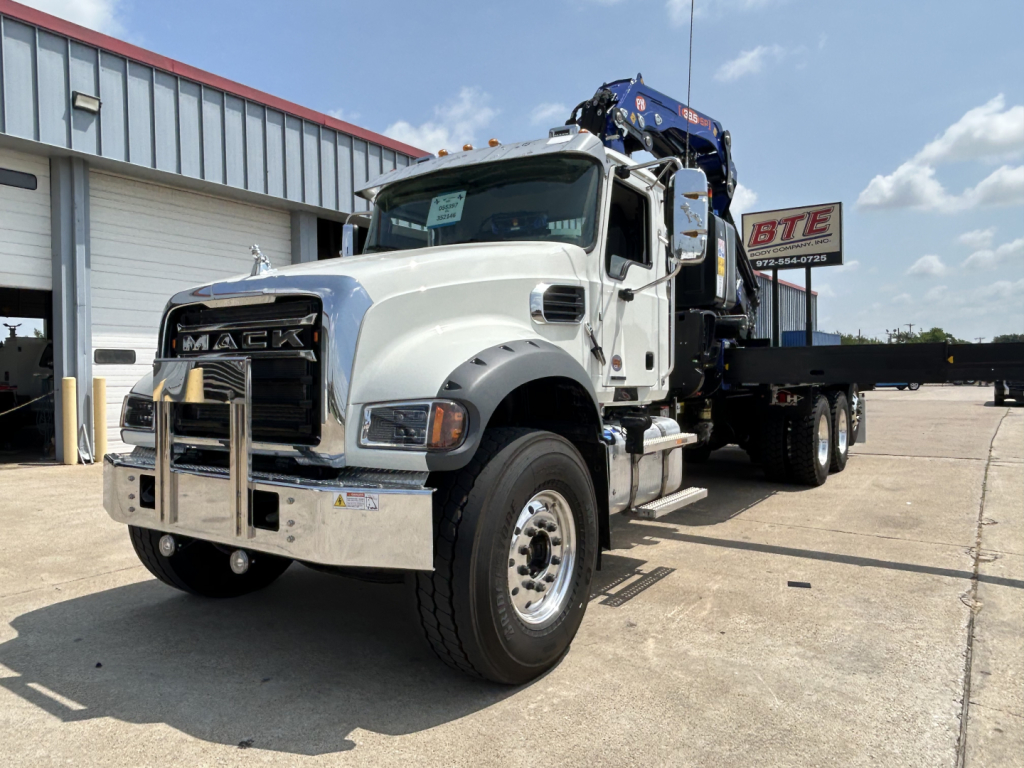
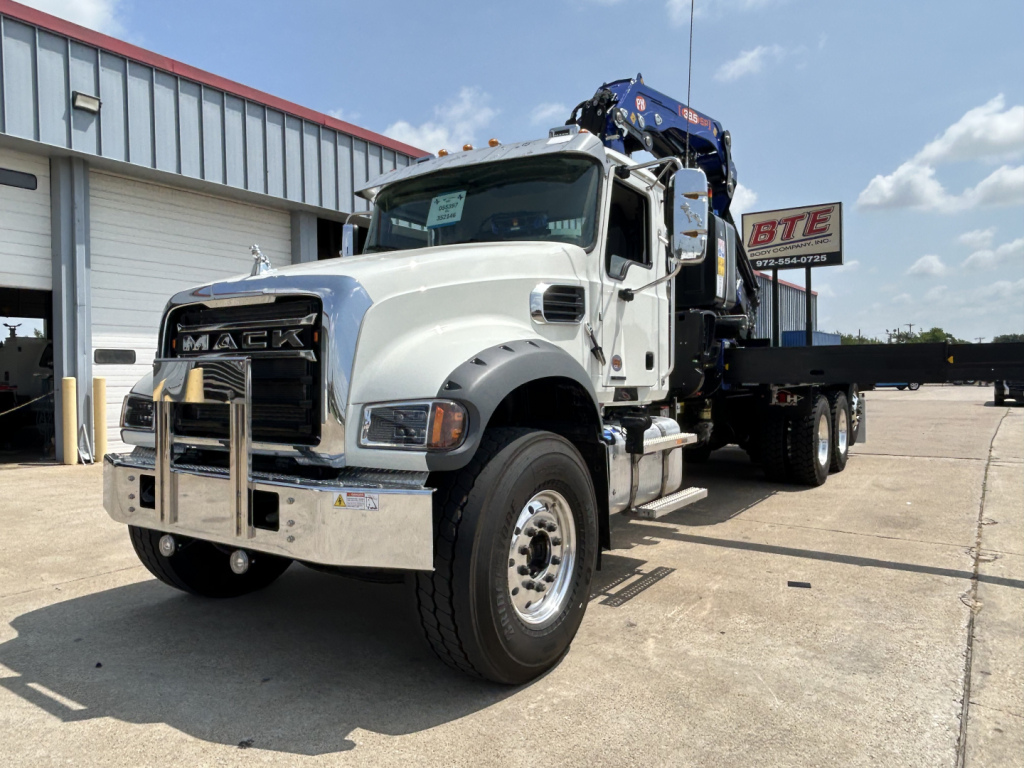
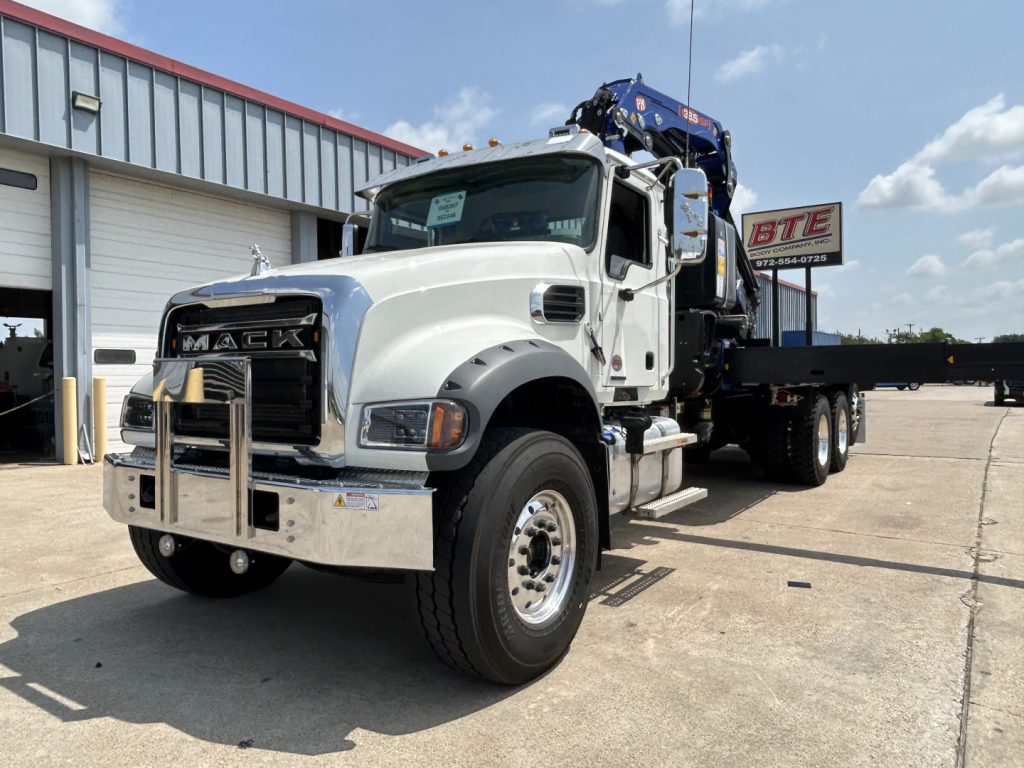
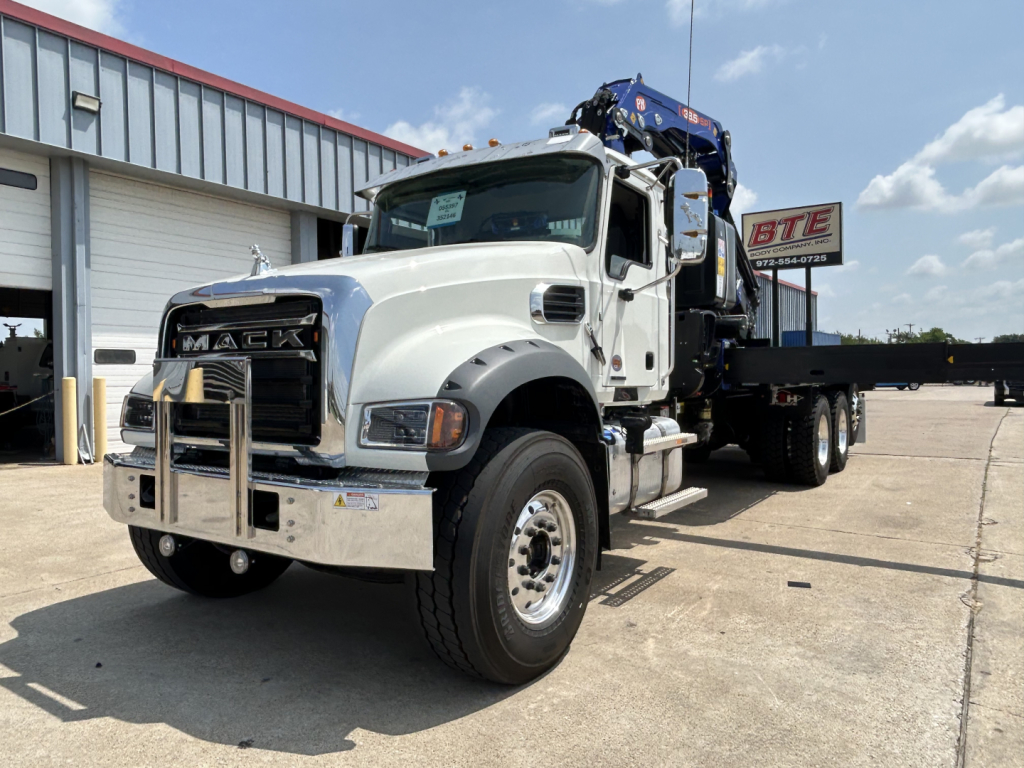
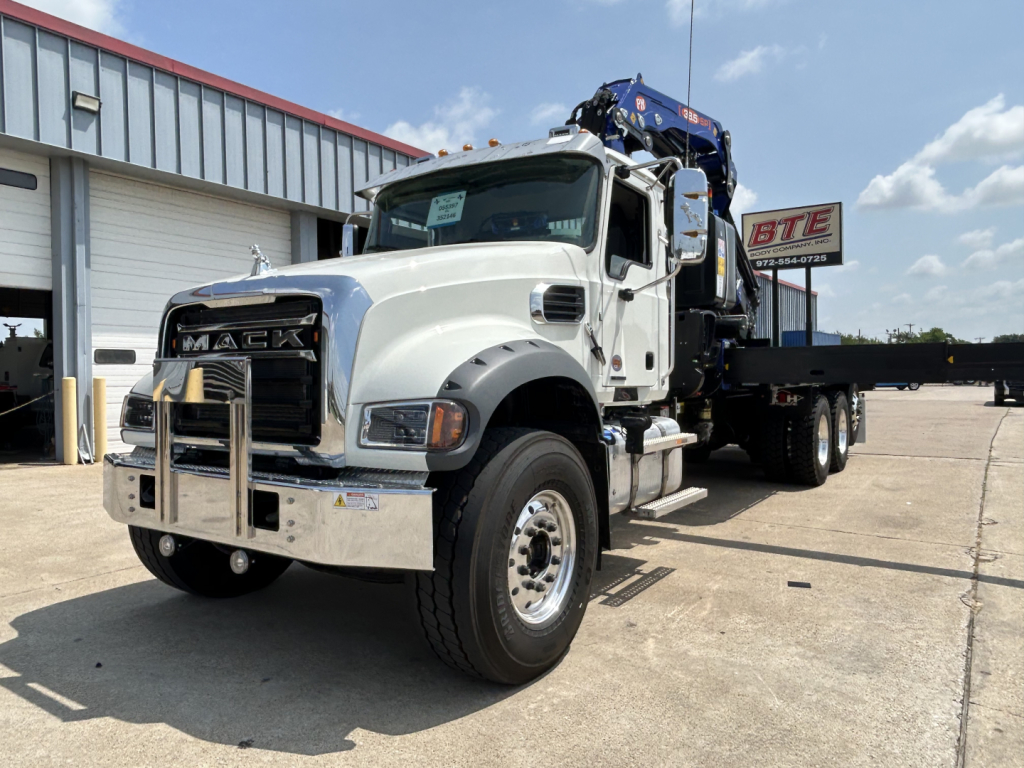
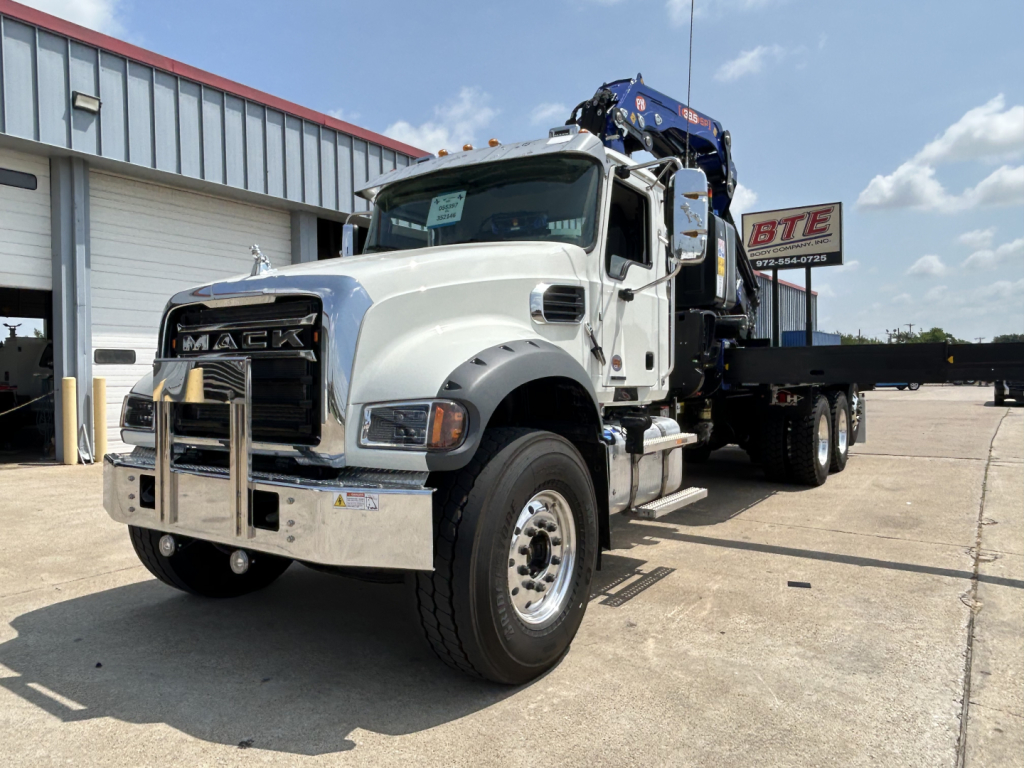
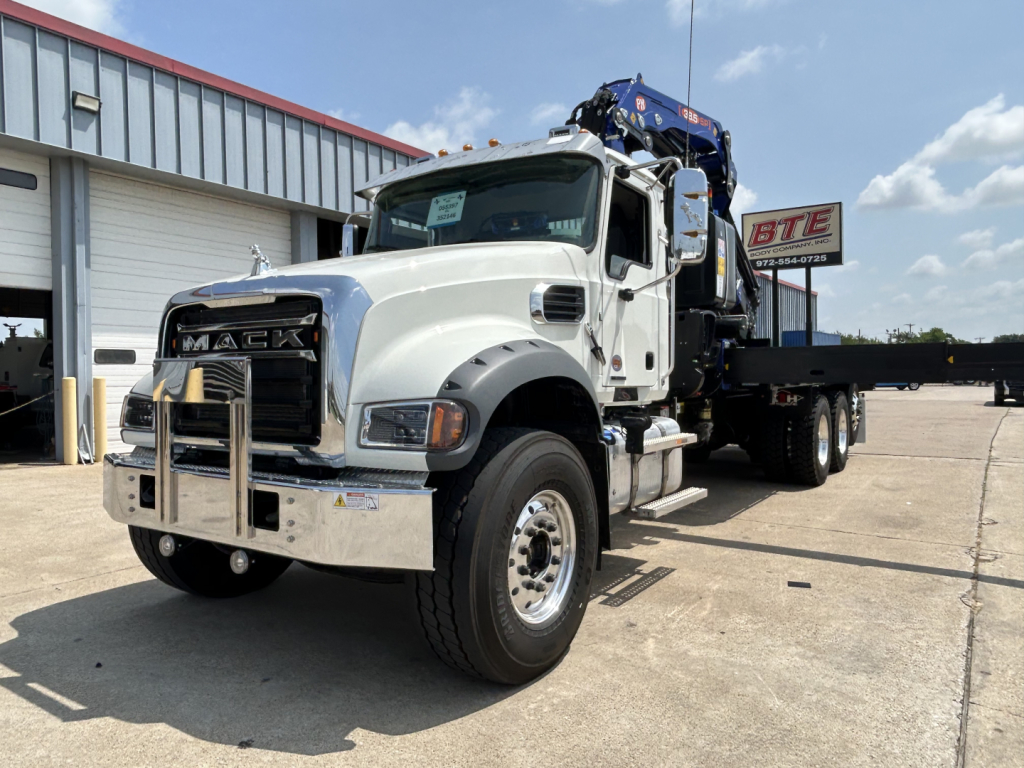
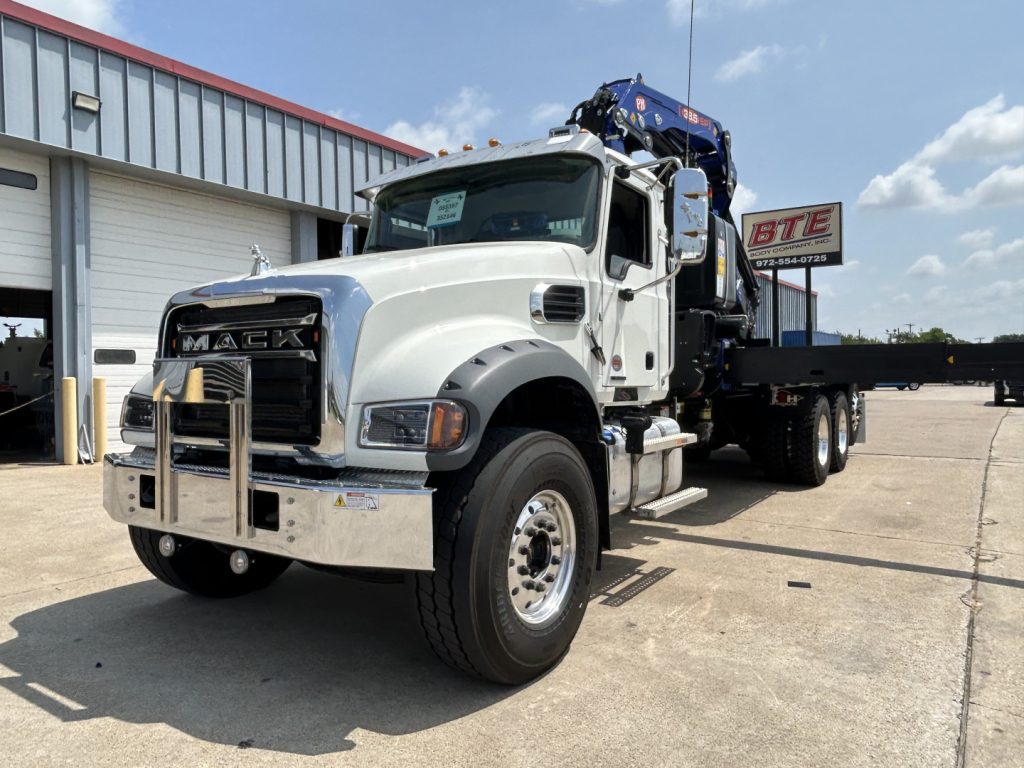
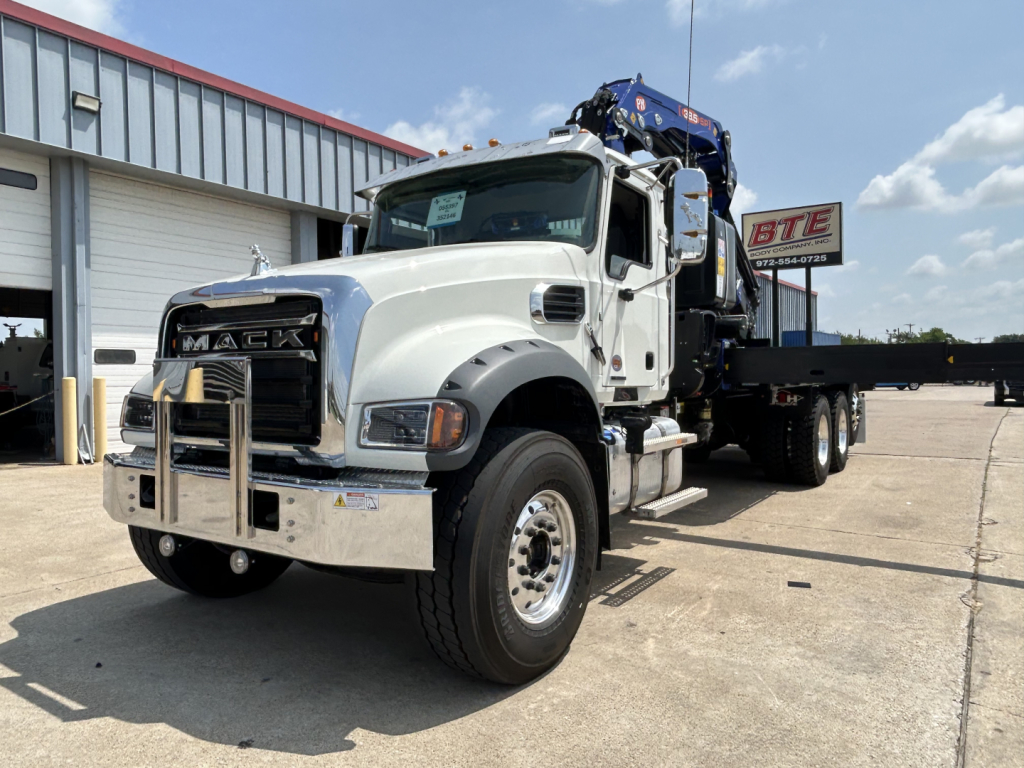
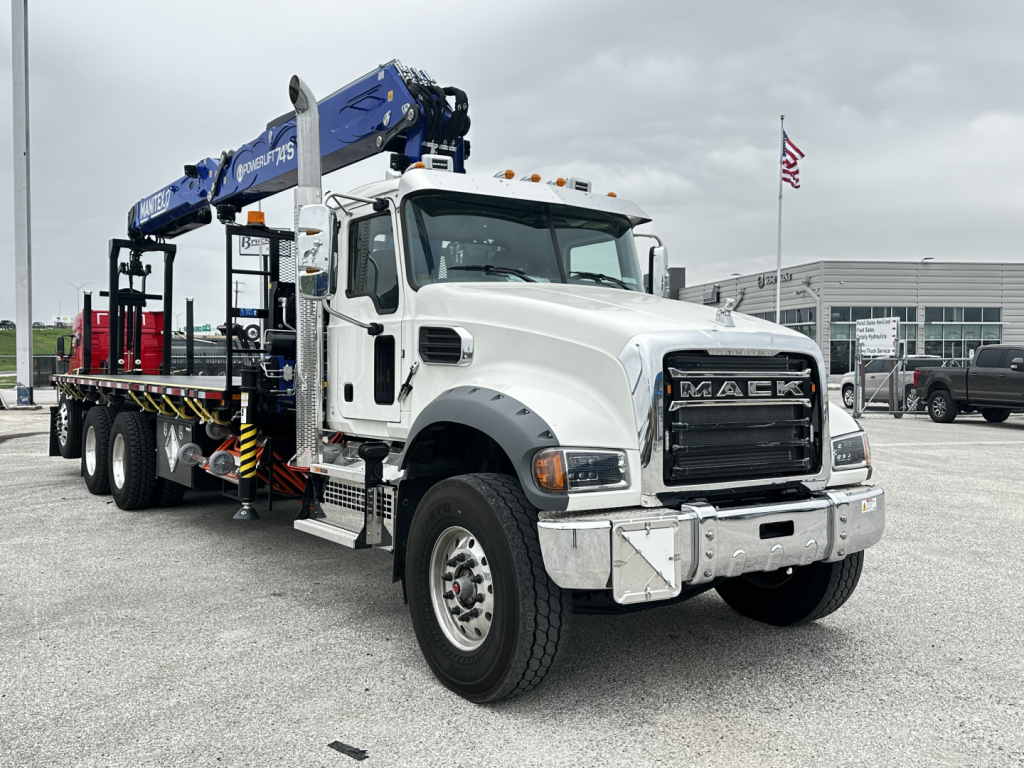
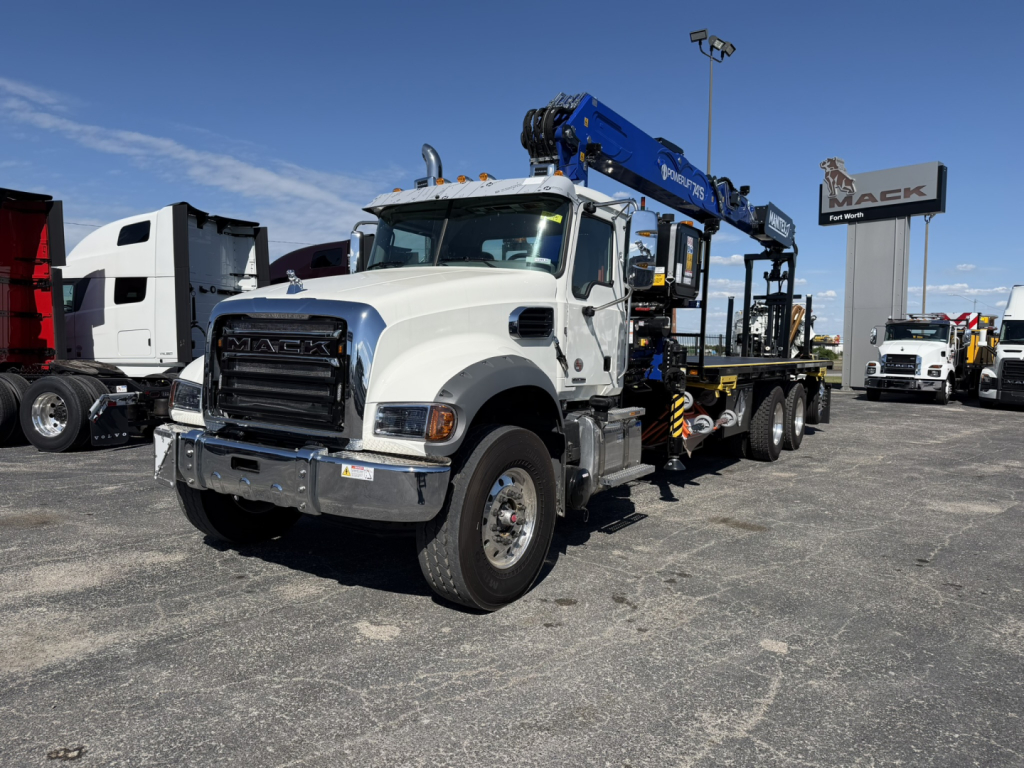

Selling a new crane truck? List your new crane truck for sale and reach thousands of commercial buyers.
New Crane Trucks in Texas
A typical new crane truck starts with a vocational chassis spec matched to the crane package. Common considerations include front axle capacity, rear axle rating, wheelbase, PTO provision, frame reinforcement, and whether an auxiliary pusher axle is needed for bridge compliance and legal payload. Engines in the 400 to 500 plus horsepower range are common on heavier builds, paired with automated manual or manual transmissions geared for low-speed jobsite control. Buyers should pay close attention to crane manufacturer ratings at different radiuses, not just the maximum number on the brochure. Outrigger spread, stability charts, boom type, winch capacity, and remote control operation all matter in real work conditions.
Texas buyers also need to think about operating environment. Urban delivery work in Houston, Dallas-Fort Worth, Austin, and San Antonio often favors compact knuckle boom designs that can reach over fences, around structures, or onto upper floors while keeping the truck maneuverable. Oilfield support, utility contractors, and heavy material haulers may lean toward larger straight boom or stiff boom configurations with stronger pick-and-carry style performance from the chassis side. If the truck is handling drywall or roofing supply, body layout becomes just as important as crane spec. Deck material, stake pockets, load securement, bed height, and behind-cab crane placement all affect cycle times and jobsite safety.
New crane trucks appeal to buyers who want current emissions systems, fresh warranty coverage, and a chassis already engineered for the crane body combination. That matters on a specialized unit where axle weights, hydraulic integration, and frame layout need to work together from day one. Look closely at service access, hydraulic routing, safety interlocks, load moment limiting systems, anti-two block protection where applicable, and parts support for both the truck and crane brands. A well-spec'd crane truck is less about maximum reach alone and more about balancing lift chart performance, legal weight, deck space, and durability for the exact materials and jobs your crew handles every day.
Frequently Asked Questions about New Crane Trucks in Texas
What is the difference between a crane truck, a boom truck, and a knuckle boom truck?
A crane truck is the broad category for a truck with a mounted lifting device. A boom truck often refers to a straight or telescopic boom configuration, while a knuckle boom truck uses an articulating crane with multiple pivot points. Knuckle booms are usually better for tight delivery areas and placing material around obstacles. Straight boom units are often preferred when buyers want simpler lift geometry or stronger performance in certain pick-and-place applications.
What specs matter most when buying a new crane truck?
The most important specs are crane capacity at working radius, horizontal reach, body length, axle ratings, and overall legal weight after the crane and body are installed. Buyers should also review PTO setup, outrigger spread, hydraulic controls, wheelbase, and frame reinforcement. The best crane truck spec is the one that matches actual material weights, delivery patterns, and jobsite access, not just the highest advertised lifting number.
Are knuckle boom crane trucks a good fit for Texas construction and building material delivery?
Yes. Knuckle boom crane trucks are a strong fit for many Texas construction and material delivery operations because they offer compact stowage, precise placement, and good reach in congested job sites. They are commonly used for drywall, roofing, lumber, trusses, masonry products, and packaged building materials. In dense metro markets and fast-moving residential construction, their maneuverability and placement accuracy can improve delivery efficiency.
Do I need a pusher axle on a new crane truck?
Many crane truck builds benefit from a pusher axle, especially when the crane, body, and payload create high axle loads on a tandem chassis. A pusher can help with bridge compliance, legal payload, and weight distribution, but it is not required on every build. The need depends on the crane size, body design, intended cargo, wheelbase, and the weight laws that apply to the truck's operating area.
Why do buyers choose a new crane truck instead of adding a crane to a used chassis?
A new crane truck gives the buyer a chassis engineered around the crane and body package from the start. That usually improves weight distribution, hydraulic integration, warranty support, and long-term durability. It also reduces the risk of frame, PTO, or axle mismatches that can happen when retrofitting a used truck. For fleets that depend on uptime and predictable service intervals, a new build often provides better lifecycle value.