
Volvo Conventional Sleeper Trucks For Sale in Ohio
Shop Volvo conventional sleeper trucks in Ohio. Compare VNL specs, D13 power, I-Shift transmissions, sleeper sizes, and highway features.
No exact matches found for your search
Showing Volvo Conventional Sleeper Trucks instead.
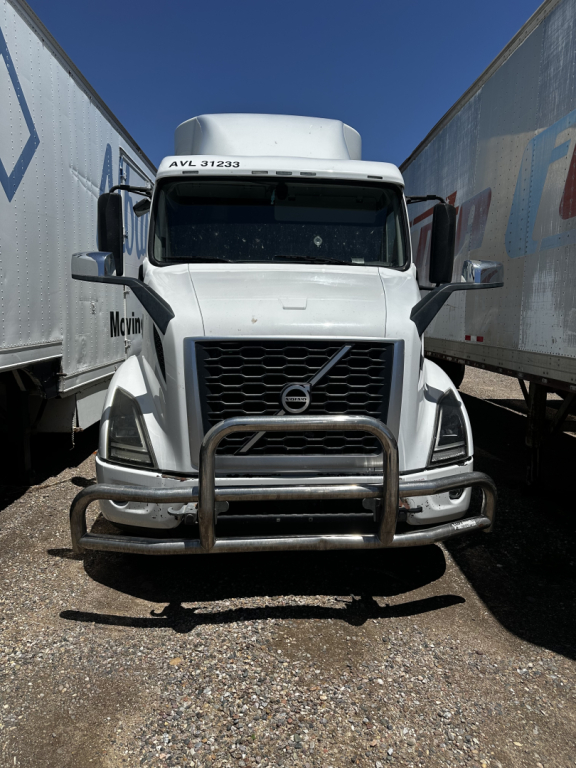
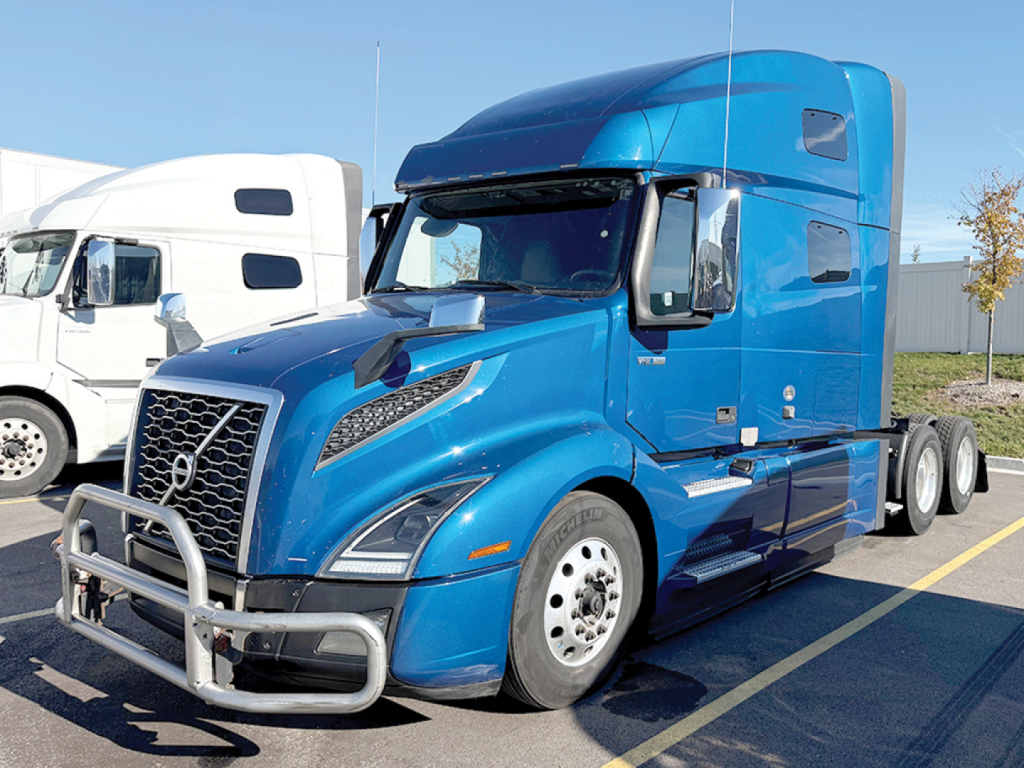
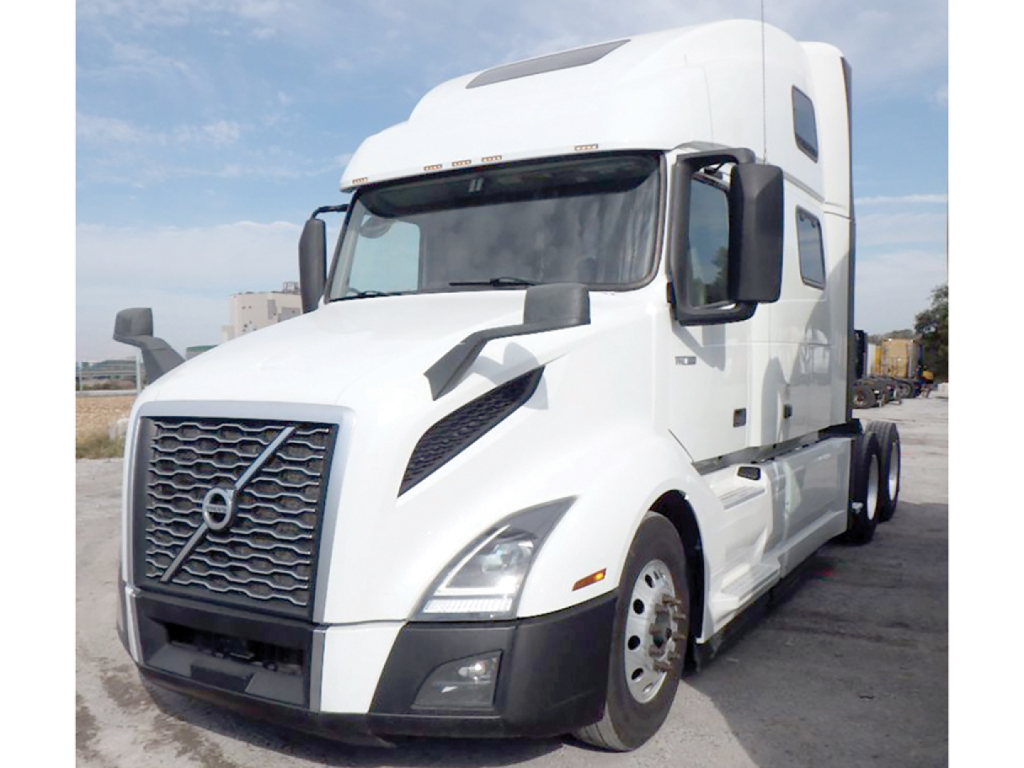
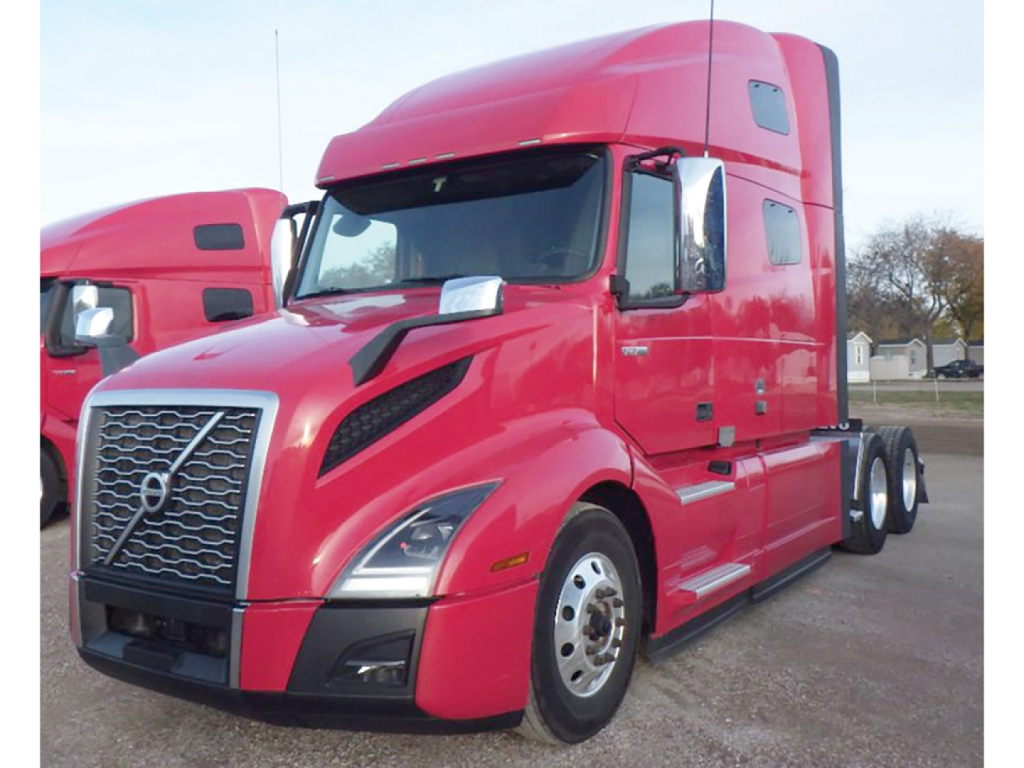
2019 Volvo Vnr
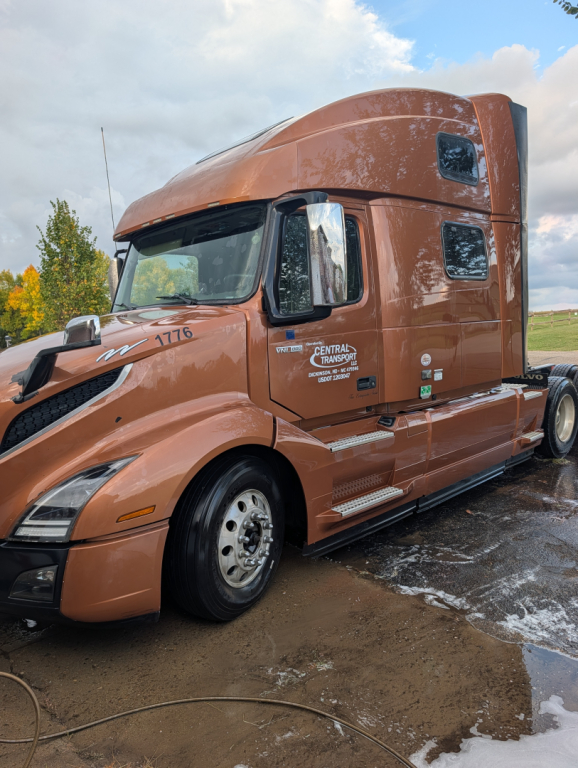
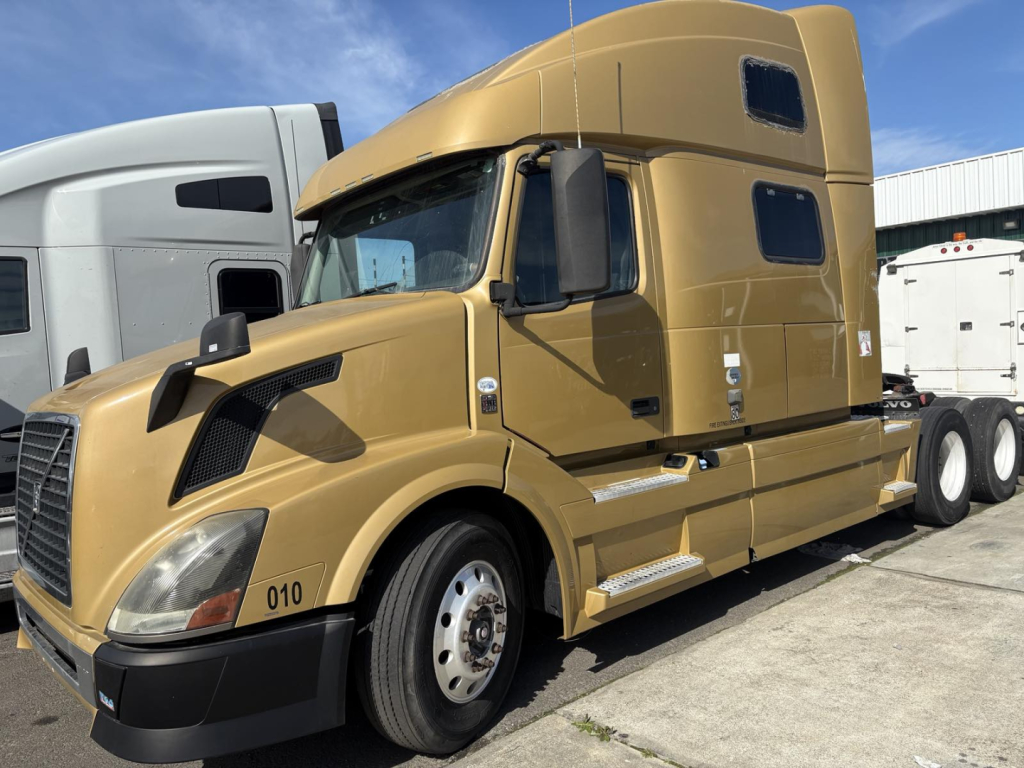
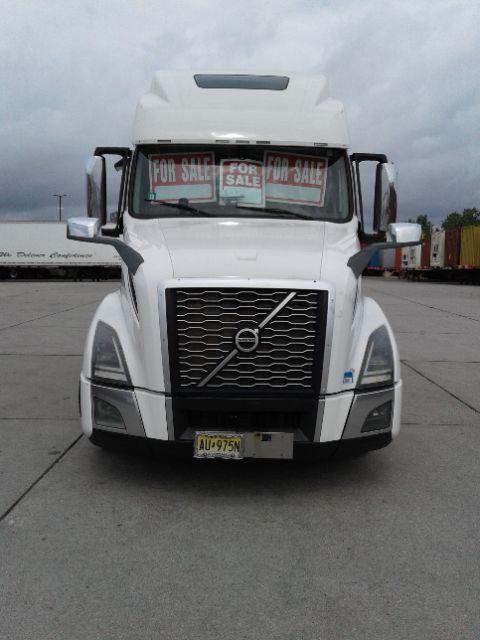
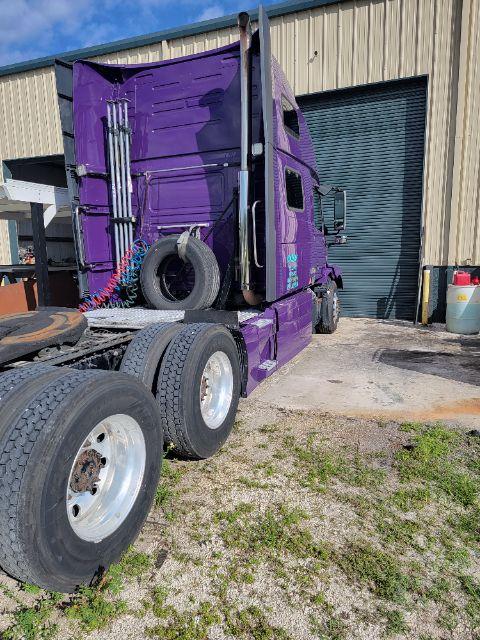
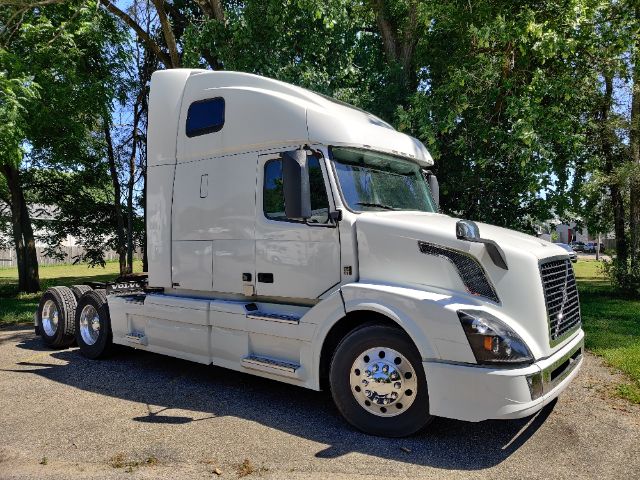
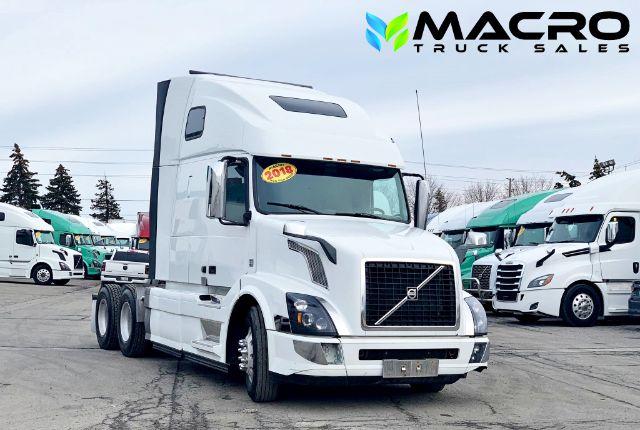
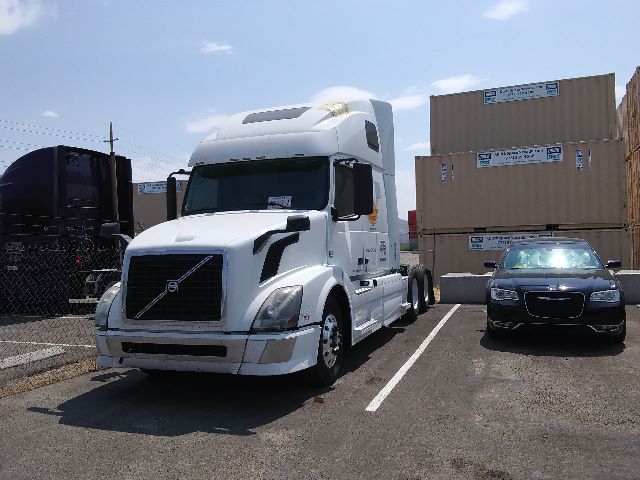
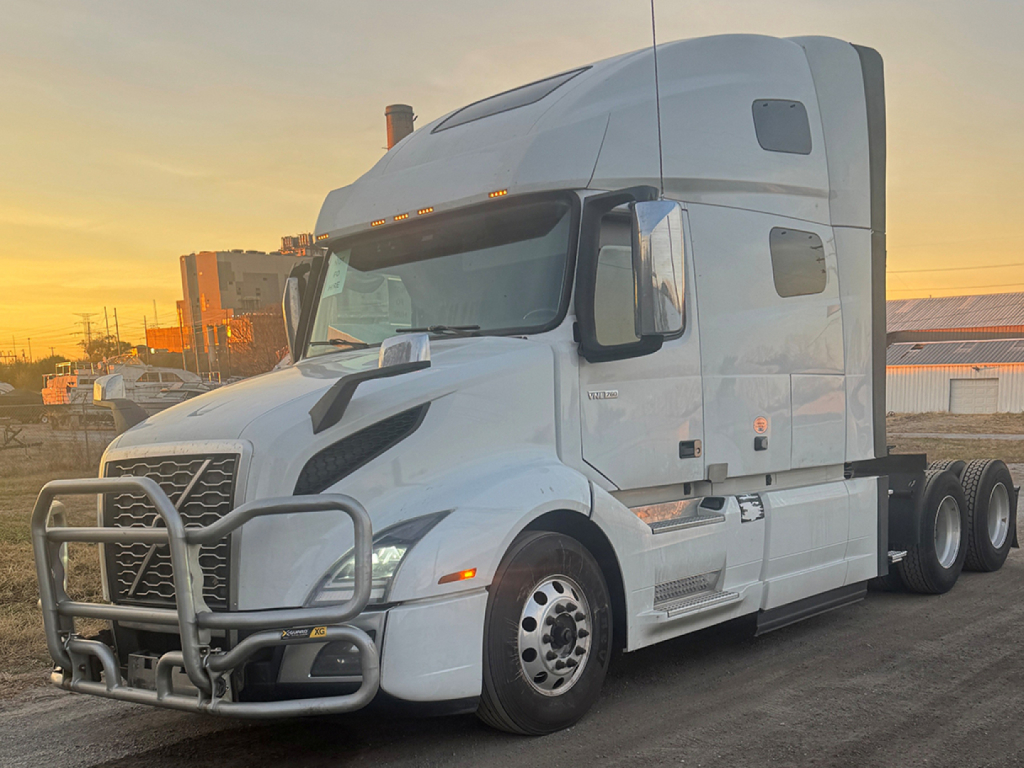
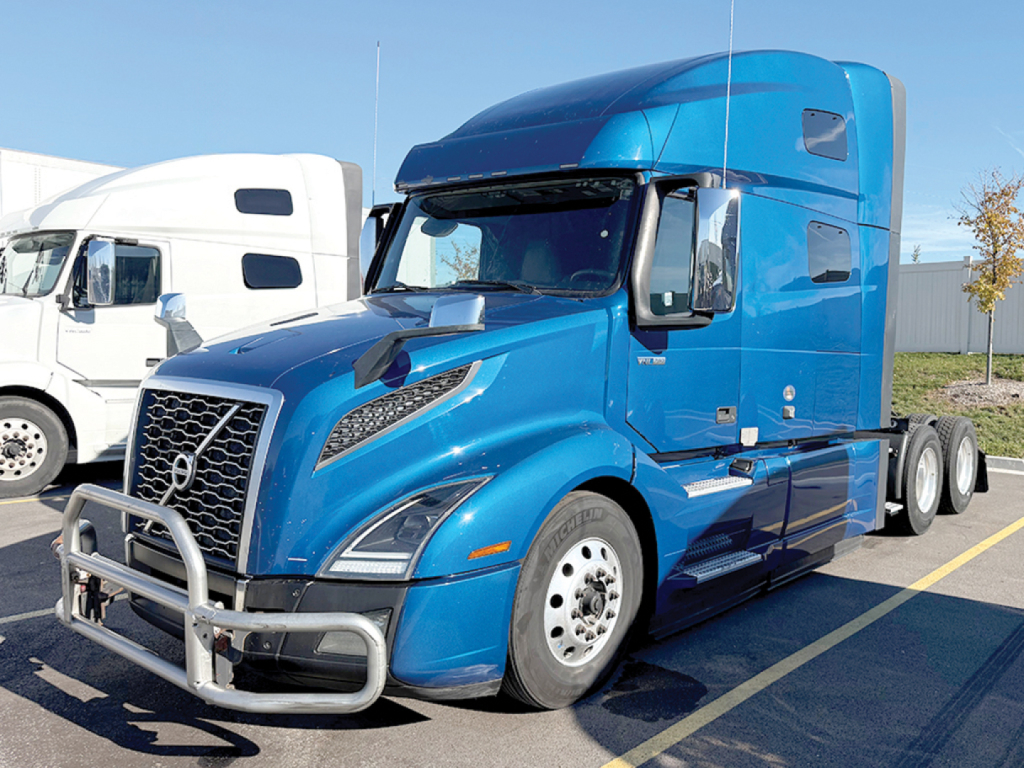
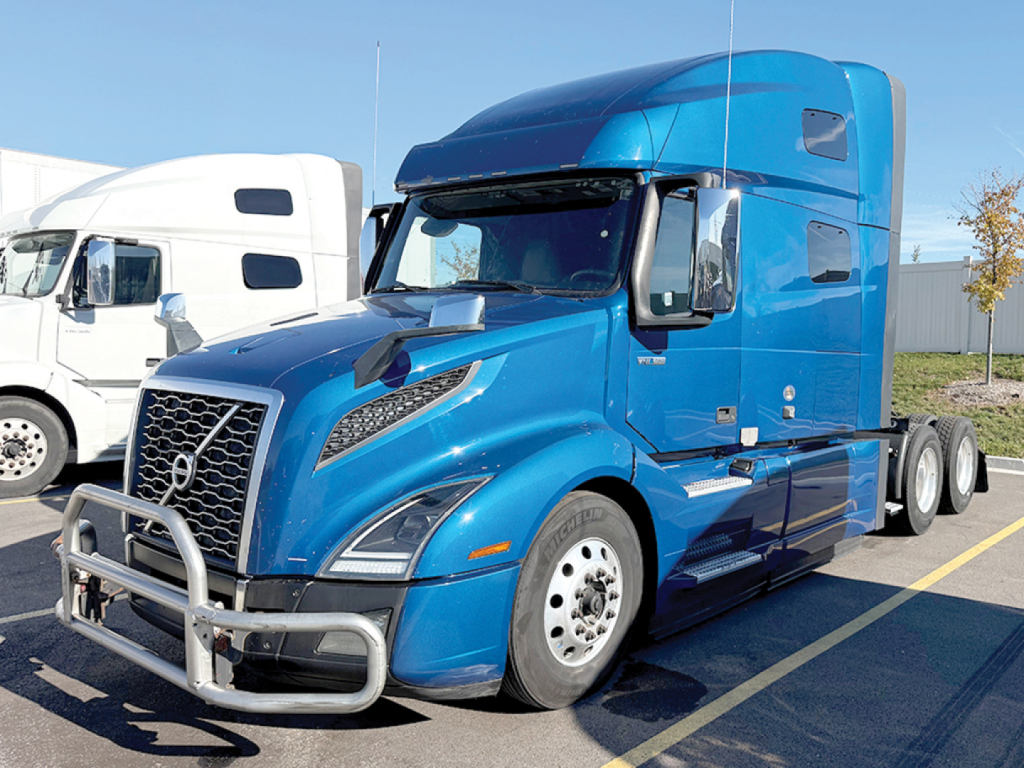
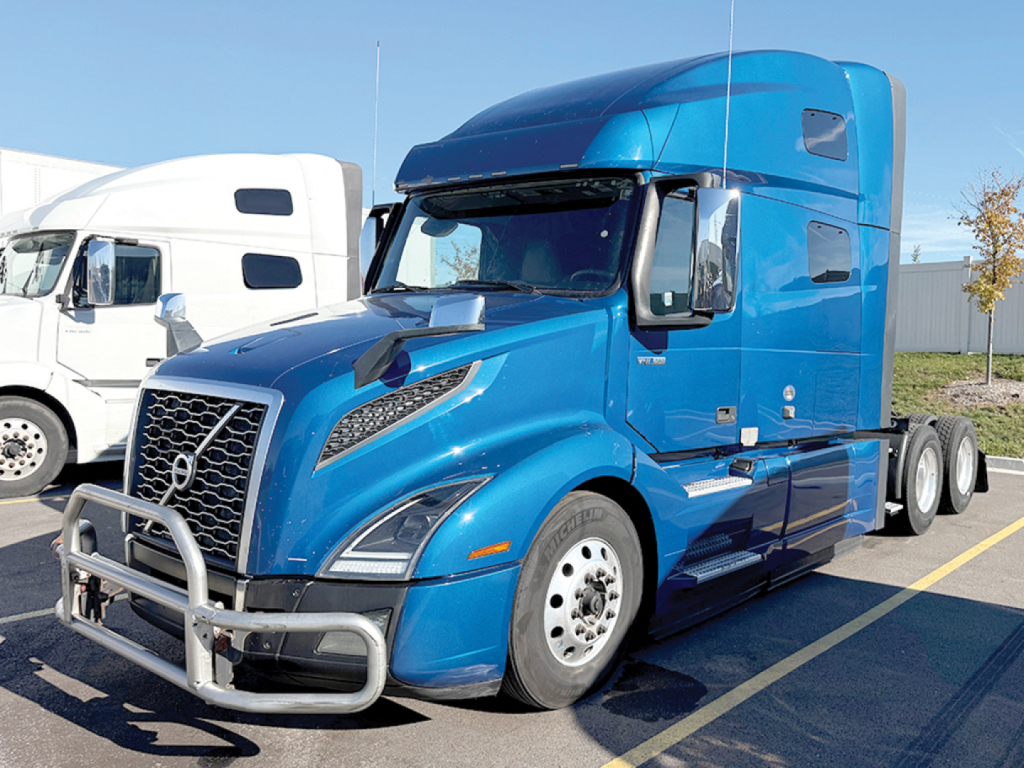
Showing 1 to 28 of 202 results
Selling a volvo conventional sleeper truck? List your volvo conventional sleeper truck for sale and reach thousands of commercial buyers.
Volvo Conventional Sleeper Trucks in Ohio
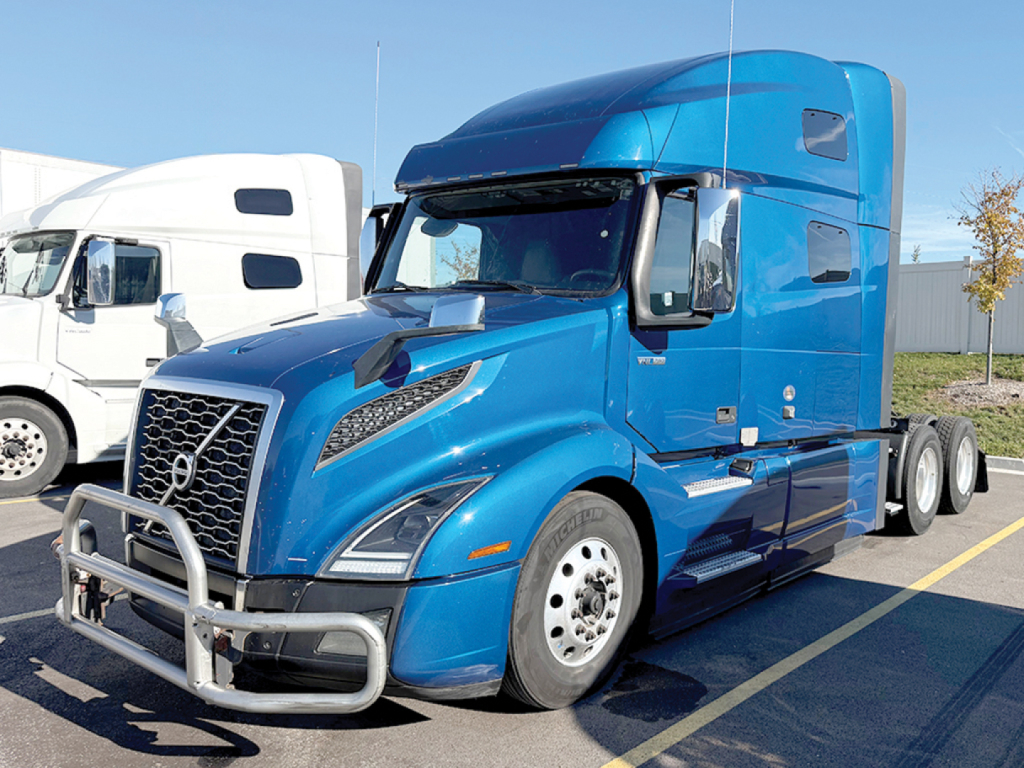
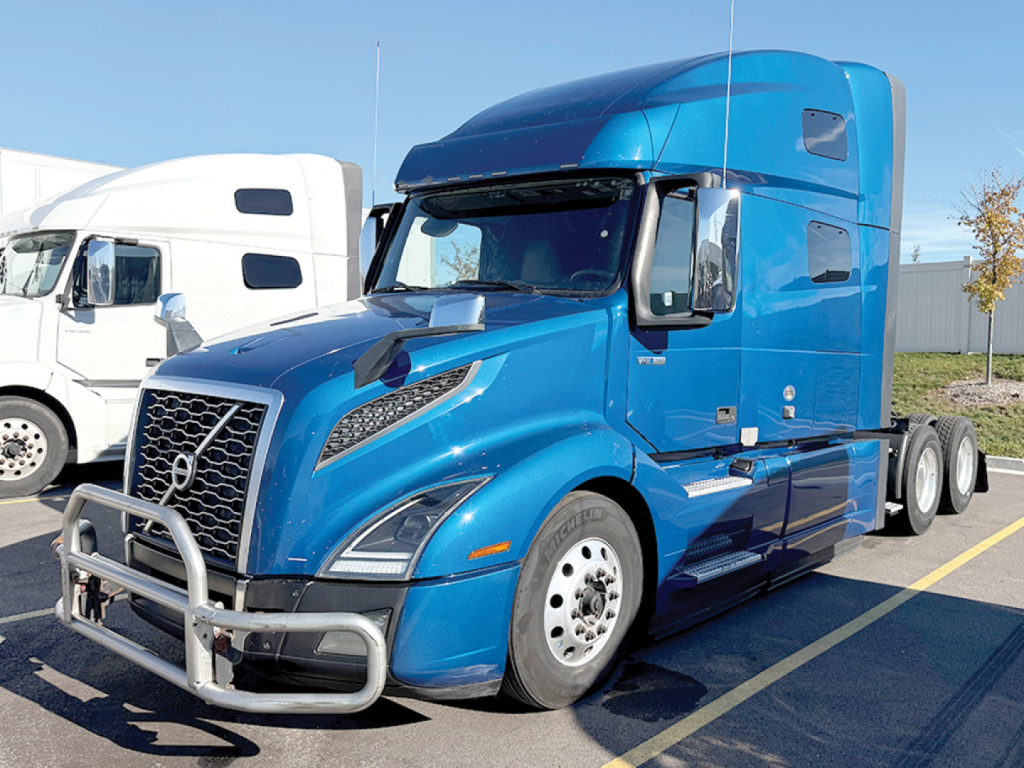
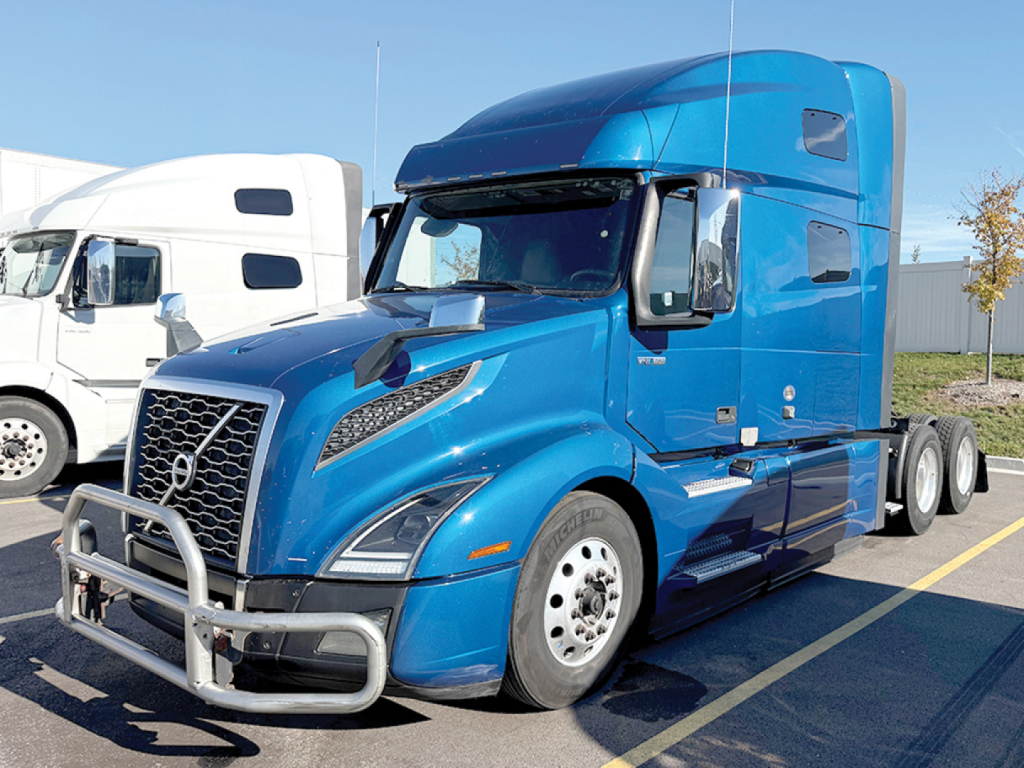
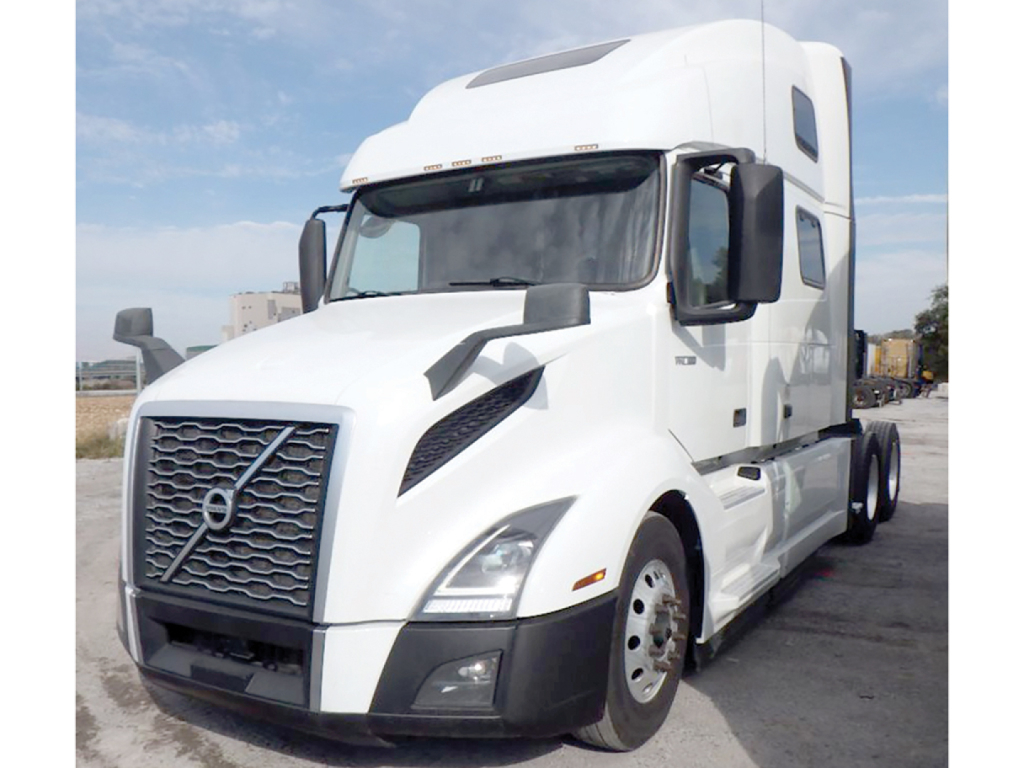
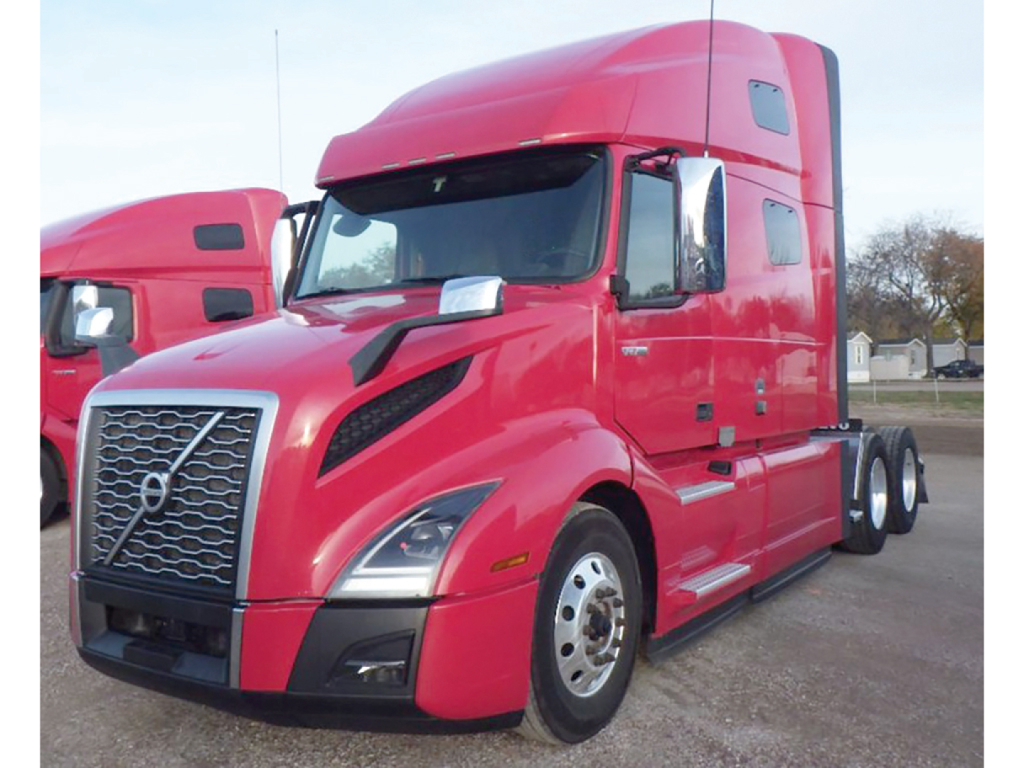
A lot of the buying decision comes down to sleeper size, wheelbase, and rear axle ratio. VNL 670 models typically appeal to operators who want a practical sleeper without the extra length of a larger condo-style setup, while VNL 760 trucks offer more living space for teams or longer over-the-road runs. Common specs in this category include 405 hp D13 engines, 12-speed I-Shift transmissions, 40,000 lb rears, air ride suspension, and wheelbases in the low- to mid-210-inch range. Many units also carry low-profile 22.5 tires, dual aluminum fuel tanks, air slide fifth wheels, and aerodynamic equipment such as side fairings, cab extenders, and quarter fenders. Those details affect maneuverability, bridge law flexibility, and fuel burn more than many buyers expect.
Volvo sleeper trucks also stand out for driver-focused features that make a difference on multi-day runs. Bunk heaters, tilt and telescoping steering, well-laid-out dash controls, and strong HVAC performance are common advantages in the VNL platform. Newer conventional sleepers may include collision mitigation systems, disc brakes, and integrated engine brake controls, all of which matter for Midwest interstate work and year-round operation in Ohio. If the truck will spend time on I-70, I-71, I-75, or longer lanes into the Northeast and Midwest, pay close attention to drivetrain calibration, cruise setup, and service history, especially on emissions components and transmission software updates.
For most buyers, the best Volvo conventional sleeper is the one matched to lane length and payload, not just model year. A 2.64 rear ratio with an overdrive automated transmission can be a strong fit for fuel-efficient highway service, but it should be evaluated against average gross weight and terrain. Check sleeper layout, fifth wheel travel, brake type, and fairing condition, and confirm how the truck was maintained under its prior duty cycle. A well-spec'd Volvo VNL sleeper can deliver a strong balance of operating cost, driver acceptance, and long-haul usability, which is why this category remains a staple in modern fleet and owner-operator purchasing.
Frequently Asked Questions about Volvo Conventional Sleeper Trucks in Ohio
What is the difference between a Volvo VNL 670 and a Volvo VNL 760 sleeper truck?
The main difference is sleeper size and interior living space. A Volvo VNL 670 typically provides a more compact sleeper configuration that works well for solo over-the-road and regional overnight use, while the VNL 760 offers a larger sleeper suited to longer trips and team operations. The larger cab can improve driver comfort and storage capacity, but it also adds length and can affect wheelbase and maneuverability depending on the spec.
Are Volvo conventional sleeper trucks good for fuel economy?
Volvo conventional sleeper trucks are widely regarded as strong fuel economy performers when properly spec'd for the application. Aerodynamic bodywork, integrated D13 engine and I-Shift transmission combinations, and highway-friendly axle ratios all contribute to lower fuel consumption. Actual mpg depends on speed, terrain, gross weight, idle time, and maintenance condition, so buyers should review the full drivetrain spec instead of judging by engine horsepower alone.
What engine and transmission are common in Volvo sleeper trucks?
Many Volvo conventional sleepers are equipped with the Volvo D13 engine paired with the Volvo I-Shift automated manual transmission. This combination is common in long-haul fleet service because it balances drivability, fuel efficiency, and ease of operation. Horsepower ratings around 405 hp are common in highway specs, though torque, rear ratio, and software calibration often matter more than the advertised horsepower number when evaluating real-world performance.
What should I inspect on a used Volvo sleeper truck before buying?
Focus on maintenance records, emissions system history, transmission operation, and overall chassis condition. Buyers should check for fault codes, verify clutch and shift performance on the I-Shift, inspect brake type and wear, review tire condition, and look closely at fairings, fuel tanks, and fifth wheel components. Inside the cab, sleeper condition, HVAC performance, bunk heater function, and signs of water intrusion are worth checking because they directly affect driver comfort and resale value.
Are Volvo conventional sleeper trucks a good fit for Ohio freight operations?
Yes, they are a strong fit for Ohio-based freight because they are designed for regional and over-the-road service on major interstate corridors. Their aerodynamic design, highway gearing, and comfortable sleeper layouts suit long runs across the Midwest, Northeast, and Southeast. Buyers operating in Ohio should still match the spec to the lane, especially axle ratio, wheelbase, and sleeper size, since a truck built for lightweight long-haul work may not be ideal for heavier or more stop-and-go applications.