
Used 2019 Conventional Sleeper Trucks For Sale in California
Used 2019 conventional sleeper trucks for sale in California: compare CARB compliance, GHG17 emissions systems, gearing, and sleeper condition before buying.
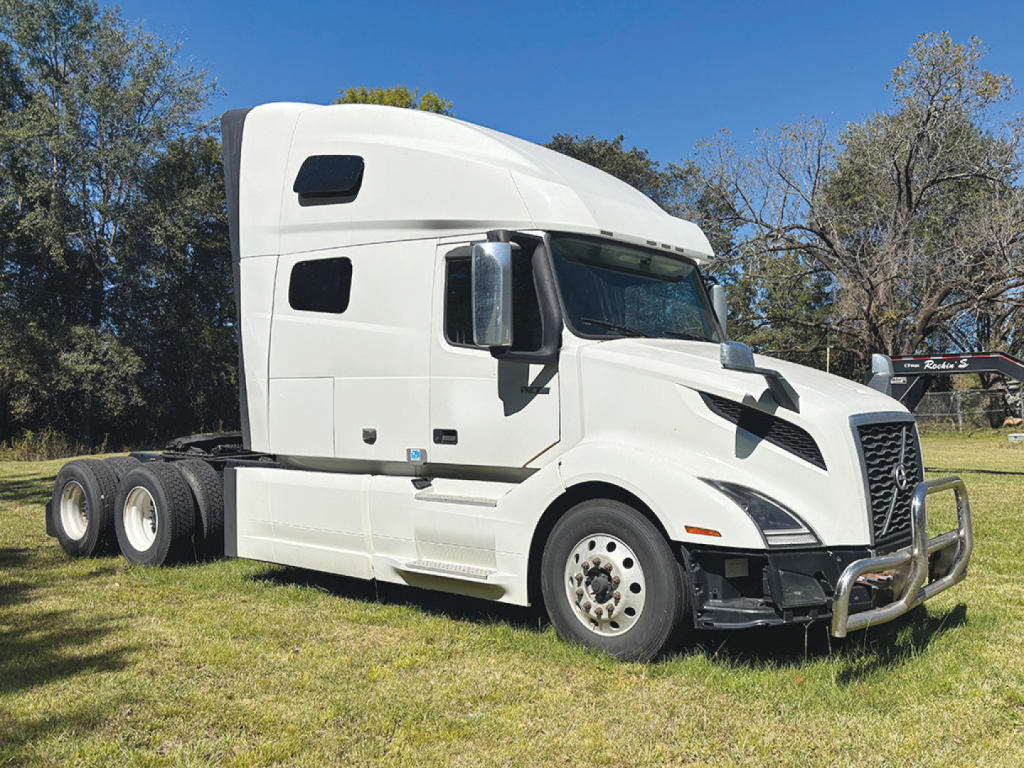

Selling a used 2019 conventional sleeper truck? List your used 2019 conventional sleeper truck for sale and reach thousands of commercial buyers.
Used 2019 Conventional Sleeper Trucks in California
For I-5 and Highway 99 van or refrigerated freight, compare aerodynamic conventional sleeper tractors such as the Freightliner Cascadia, Volvo VNL, Kenworth T680, and Peterbilt 579. Common pairings include Detroit DD15 with DT12, Volvo D13 with I-Shift, and PACCAR MX-13 or Cummins X15 power in Kenworth and Peterbilt models. Match axle ratio, transmission gearing, tire size, and engine brake performance to loaded speed and Sierra or Tehachapi grades. A tall highway ratio is not automatically the right choice for heavy agricultural freight or frequent mountain crossings.
At this age, documented maintenance matters more than a clean cab. Compare ECM mileage and engine hours with service records, and request DPF cleaning history, regeneration data, and cooling-system repairs. Inspect charge-air plumbing, fifth-wheel play, suspension bushings, cab mounts, brake wear, and uneven tire patterns. Raised-roof sleepers suit tall van trailers and team operation, but bunk layout, storage, and working parked HVAC determine daily usability. Central Valley heat makes cooling capacity especially important; inspect radiator cores for packed debris. Check sleeper seals and interior panels for evidence of water intrusion.
Frequently Asked Questions about Used 2019 Conventional Sleeper Trucks in California
Is a 2.47 or 2.85 axle ratio better for a 2019 sleeper tractor in California?
A 2.85 axle ratio provides more torque multiplication than a 2.47 ratio when transmission gearing and tire size are identical. For a 2019 sleeper tractor, compare the complete drivetrain rather than the differential number alone. Direct-drive and overdrive transmissions change cruise RPM substantially. Ask for calculated engine RPM at your operating speed and evaluate loaded starts on the steepest regular route.
Does a 2019 sleeper tractor need California Clean Truck Check testing?
Yes, most 2019 diesel sleeper tractors operating in California fall under CARB's Clean Truck Check program for non-gasoline heavy-duty vehicles over 14,000 pounds GVWR. Out-of-state registration does not automatically exempt a tractor. Verify the VIN's compliance status and applicable testing deadlines through CARB. A conventional passenger-vehicle smog certificate is not a substitute for heavy-duty program compliance.
How do I check an automated transmission in a used 2019 sleeper tractor?
A diagnostic clutch assessment and a loaded road test are the best starting points for evaluating an automated manual transmission in a used 2019 sleeper tractor. Check cold and hot engagement, reverse maneuvering, hill starts, and shifts under load. Request clutch replacement and calibration records. Low-speed shudder, delayed engagement, or repeated transmission faults warrant diagnosis before purchase, not an assumption that software alone will fix the problem.
Is a million-mile 2019 sleeper tractor automatically due for an engine overhaul?
Mileage alone does not establish an overhaul requirement for a 2019 sleeper tractor. Documented oil consumption, measured crankcase pressure, oil-analysis trends, coolant condition, and maintenance history provide stronger evidence of engine condition. Review previous repair invoices to distinguish a complete overhaul from isolated component replacements. High idle hours can also explain substantial engine wear on a tractor with comparatively modest road mileage.
Can a sleeper tractor with 40,000-pound rear axles legally carry that much in California?
A 40,000-pound rear tandem rating does not authorize 40,000 pounds on California highways; the usual Interstate tandem limit is 34,000 pounds. A sleeper tractor's axle ratings describe equipment capacity, not unrestricted legal loading. Combination weight, axle spacing, bridge limits, tire ratings, and route restrictions still apply. Scale the intended tractor-trailer combination because sleeper equipment, fuel capacity, and fifth-wheel position affect usable payload and axle distribution.