
Peterbilt Conventional Sleeper Trucks For Sale in California
Shop Peterbilt conventional sleeper trucks in California. Compare 579 specs, sleeper sizes, powertrains, wheelbase, and long-haul features.
No exact matches found for your search
Showing Conventional Sleeper Trucks in California instead.
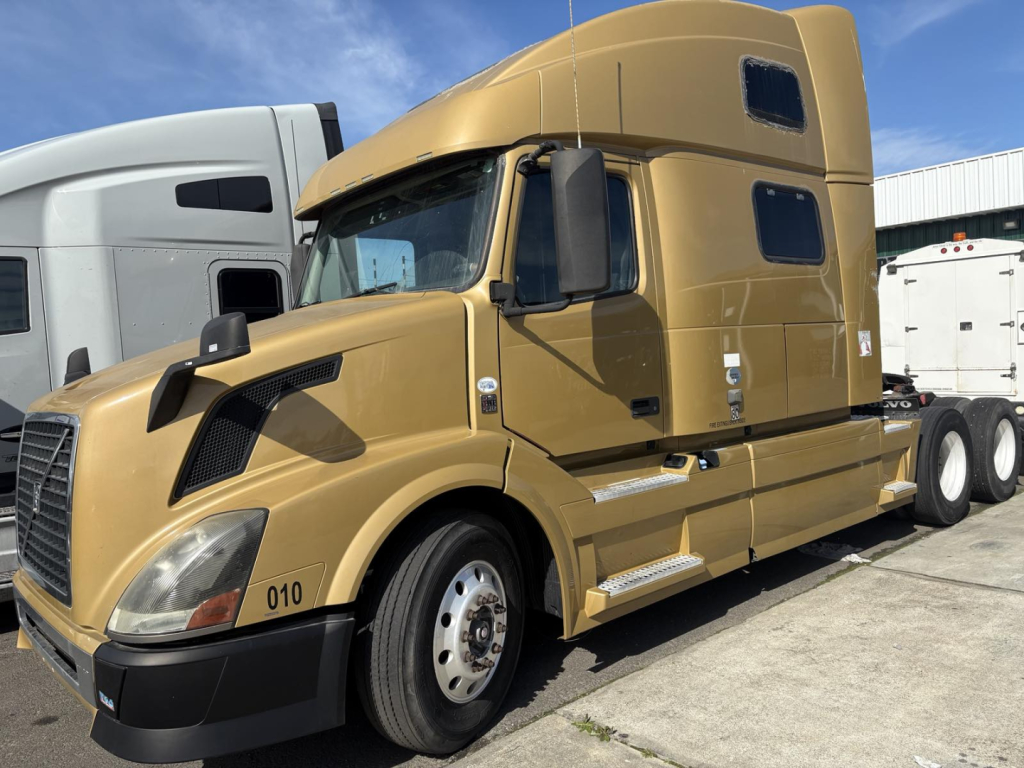
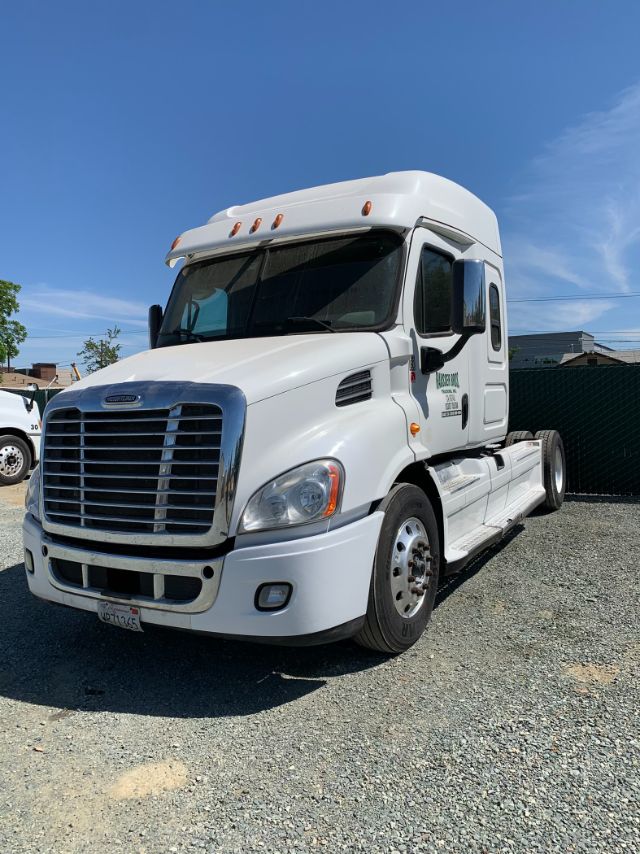
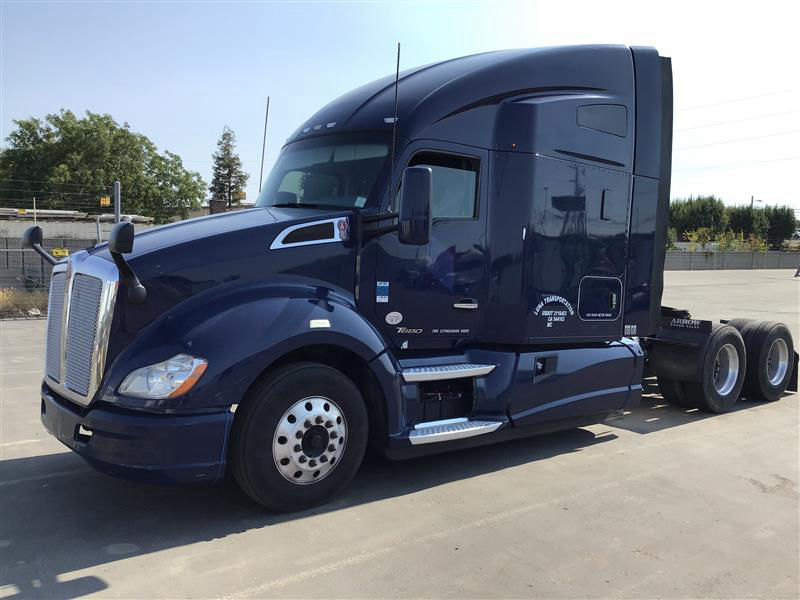
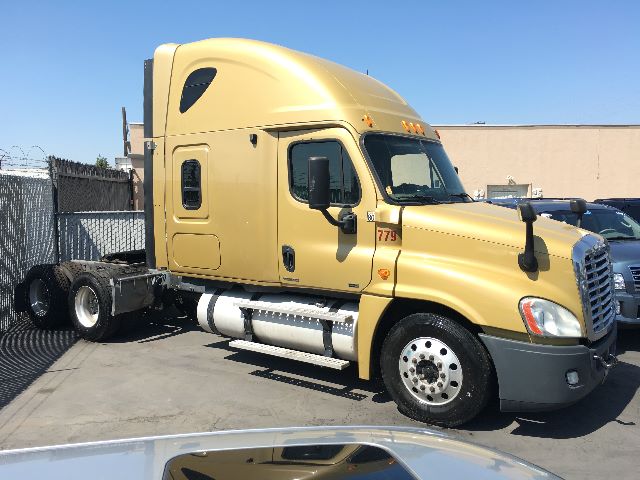
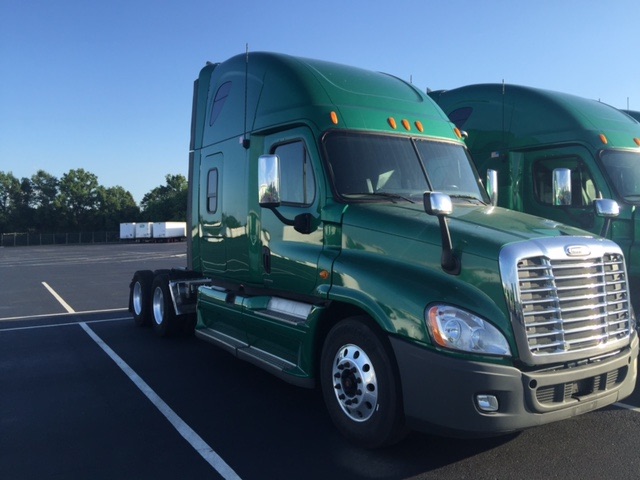
Selling a peterbilt conventional sleeper truck? List your peterbilt conventional sleeper truck for sale and reach thousands of commercial buyers.
Peterbilt Conventional Sleeper Trucks in California
The first decisions usually come down to sleeper size, engine rating, transmission, and axle setup. Common Peterbilt sleeper configurations include mid-roof and high-roof layouts, with larger sleepers such as 72-inch to 80-inch bunks offering more room for an upper bunk, refrigerator, storage, and stand-up access. Many late-model units are spec'd with Cummins X15 power in the 450 to 500 horsepower range, automated manual transmissions, and 2.64 to 3.08 rear axle ratios for highway efficiency. A 40,000 lb tandem, air ride suspension, air slide fifth wheel, and wheelbase in the mid-240-inch range are typical on trucks set up for van, reefer, and general freight service. Disc brakes, low-profile 22.5 tires, fairings, and dual aluminum tanks are also common on fuel-conscious specs.
California buyers should pay close attention to emissions equipment, idle strategy, and operating profile. Sleeper tractors working in this market may spend time at ports, inland distribution centers, and long interstate corridors, so aftertreatment condition, engine brake performance, bunk HVAC, and electrical capacity matter. Features such as bunk heaters, APUs or battery-based idle reduction systems, navigation, and driver convenience equipment can make a real difference in compliance and comfort. If the truck will be reassigned to heavier or mixed-duty freight, review the rear axle rating, suspension spec, frame layout, and fifth wheel travel to make sure the tractor matches trailer type and kingpin setting.
A well-spec'd Peterbilt conventional sleeper should balance aerodynamics, serviceability, and driver comfort without giving up durability. Buyers comparing used Peterbilt 579 sleeper trucks should look beyond model year and mileage and verify engine history, transmission calibration, brake type, tire wear pattern, emissions maintenance records, and sleeper condition. Interior layout, cabinet storage, mattress space, and climate control matter on a truck that will live on the road for weeks at a time. The right spec depends on lane length, average gross weight, trailer mix, and how much emphasis is placed on fuel economy versus grade-climbing performance.
Frequently Asked Questions about Peterbilt Conventional Sleeper Trucks in California
What is a Peterbilt conventional sleeper truck used for?
A Peterbilt conventional sleeper truck is primarily used for over-the-road freight, regional hauls with layovers, and team driving where drivers need a built-in bunk area behind the cab. These tractors are commonly paired with dry vans, reefers, and flatbeds, and they are designed to balance highway fuel efficiency, driver comfort, and long-distance durability.
What engine and transmission specs are common in Peterbilt sleeper trucks?
Many late-model Peterbilt conventional sleepers are equipped with Cummins X15 engines in the 450 to 500 horsepower range and automated manual transmissions for fuel-efficient highway operation. Tandem rear axles rated around 40,000 lbs, highway-friendly axle ratios such as 2.64 or 2.79, and air ride suspension are common on trucks built for van and reefer freight.
How important is sleeper size on a Peterbilt 579?
Sleeper size is a major buying factor because it affects driver comfort, storage, weight, and overall truck length. Larger sleepers such as 80-inch UltraLoft configurations provide stand-up room, larger cabinets, refrigerator space, and often an upper bunk, which can be valuable for team operations or long stays on the road.
What should California buyers check on a used Peterbilt conventional sleeper?
California buyers should verify emissions system condition, maintenance history, and overall suitability for the truck's intended route profile. Pay close attention to DPF and SCR service records, idle reduction equipment, bunk HVAC performance, brake condition, tire wear, and any signs that the axle ratio or wheelbase may not match the trailer types and gross weights the truck will be pulling.
Why do many long-haul fleets choose Peterbilt conventional sleepers?
Peterbilt conventional sleepers are popular because they offer a strong mix of aerodynamic design, driver appeal, and straightforward service access. For buyers focused on highway freight, these trucks are often chosen for their comfortable sleeper layouts, efficient powertrain options, and specs that can be tailored for fuel economy, heavier loads, or a balance of both.