
New Conventional Sleeper Trucks For Sale in Texas
Shop new conventional sleeper trucks in Texas with specs built for long-haul freight, driver comfort, fuel efficiency, and fleet uptime.
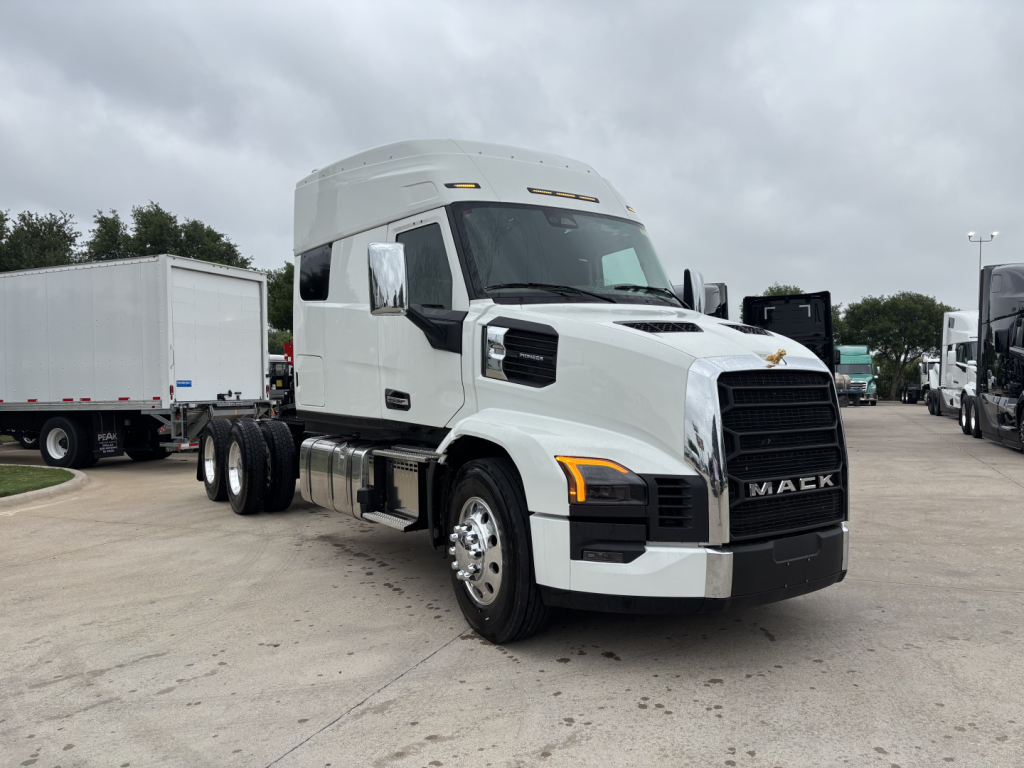
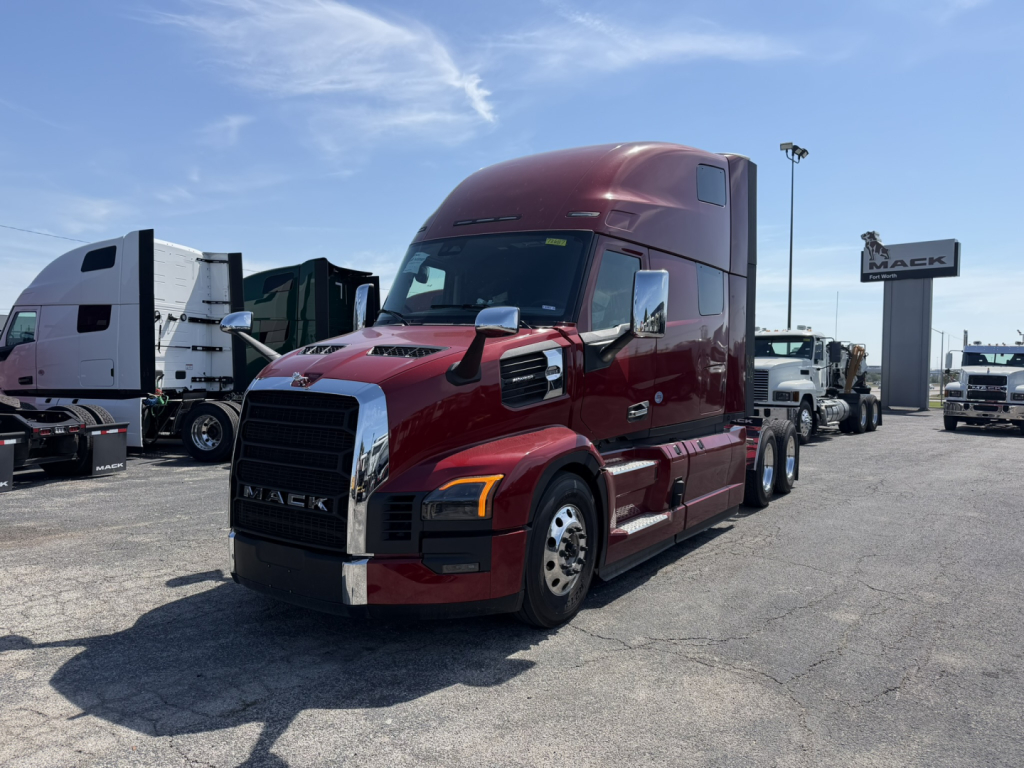
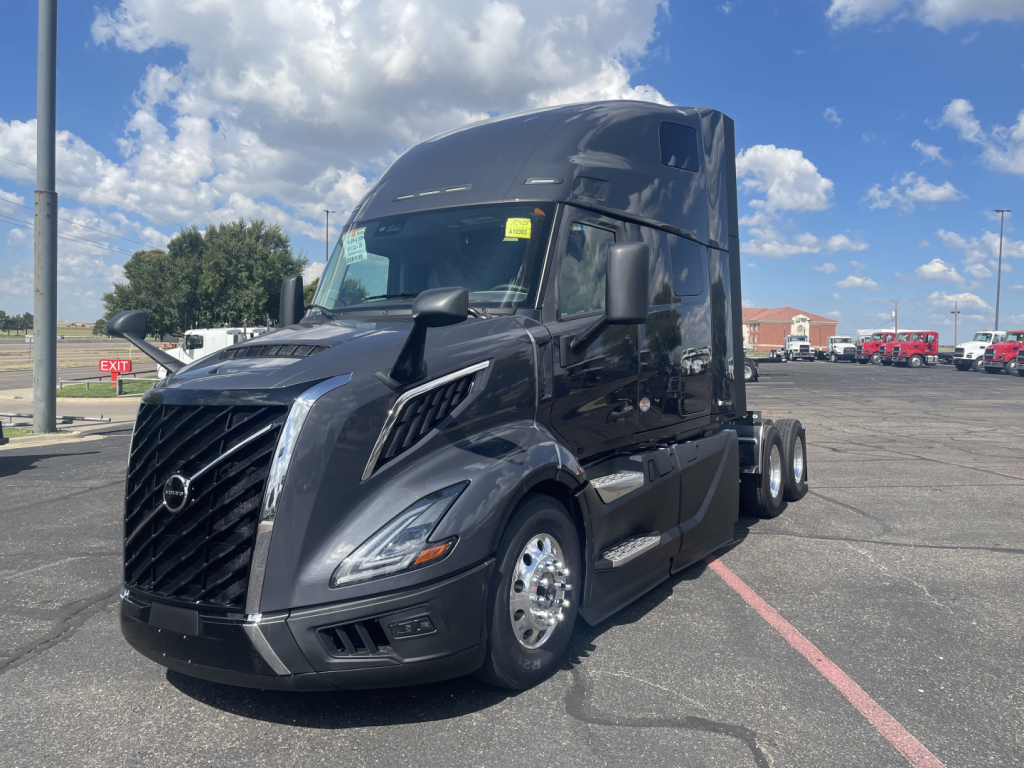
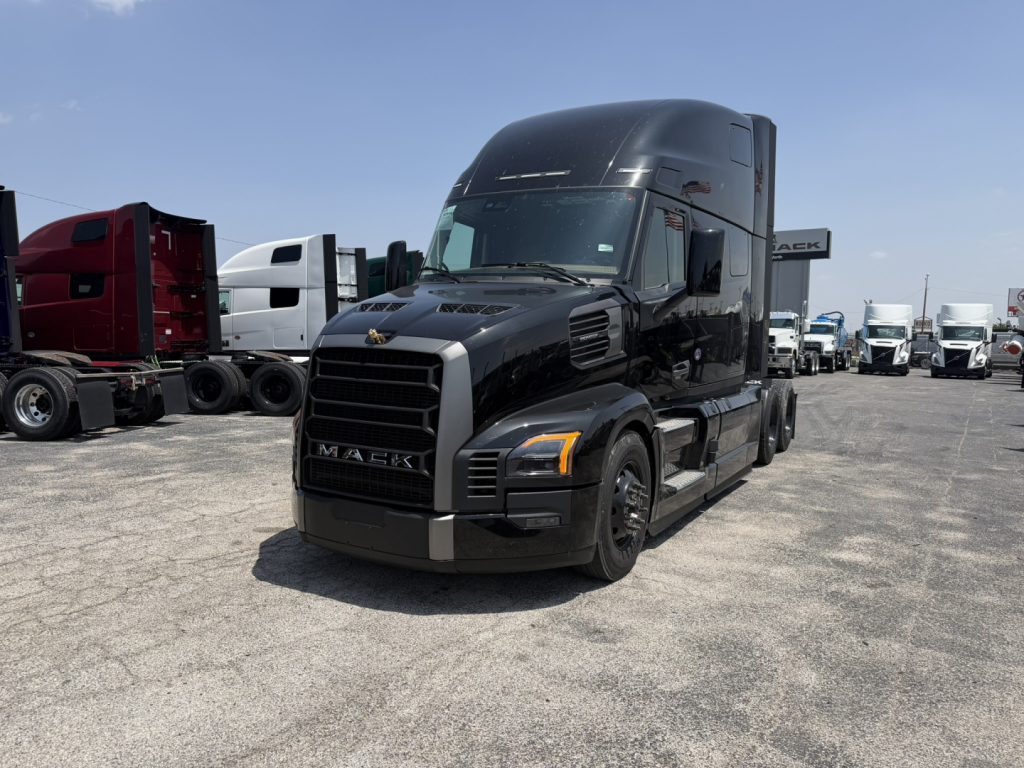
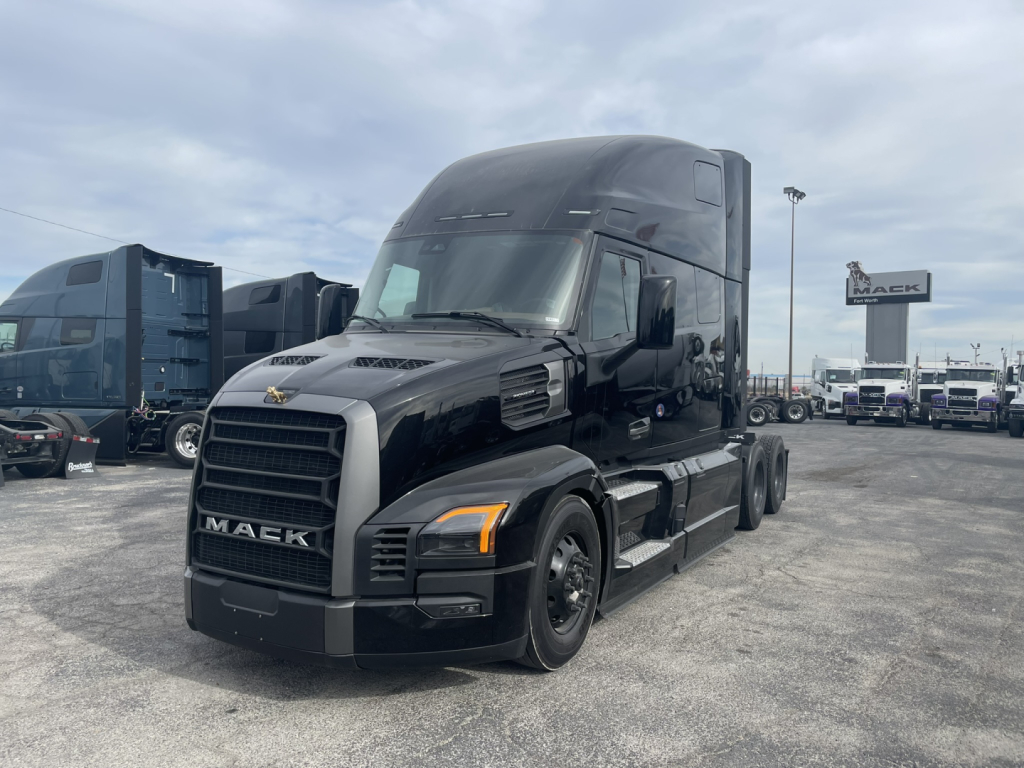
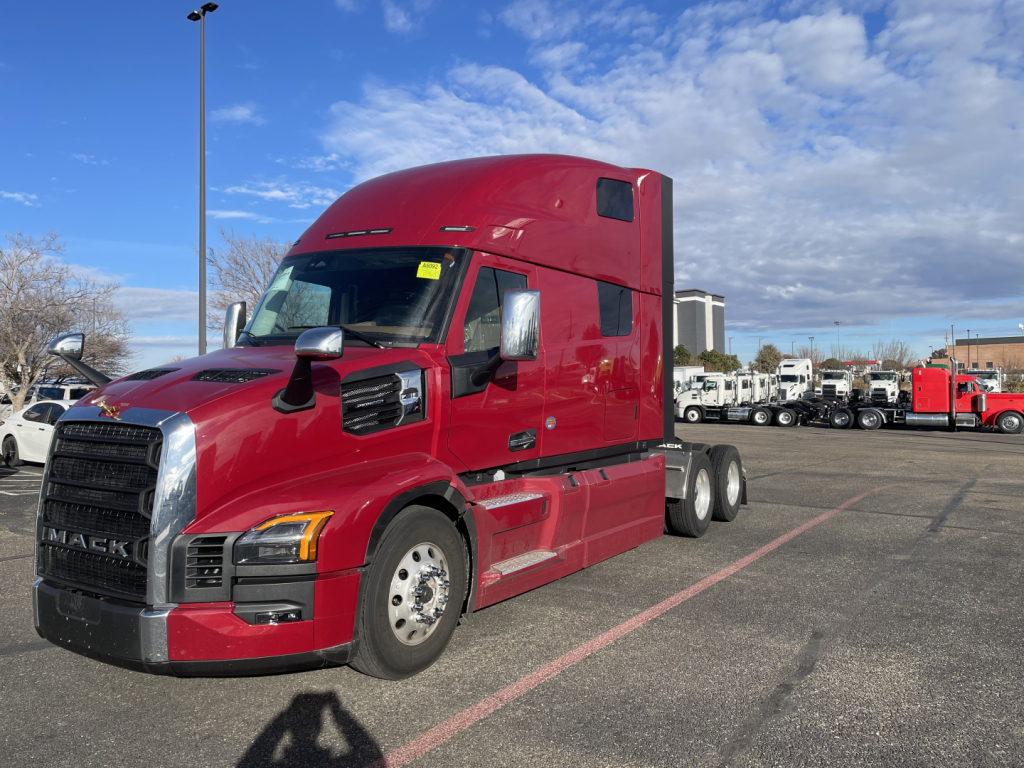
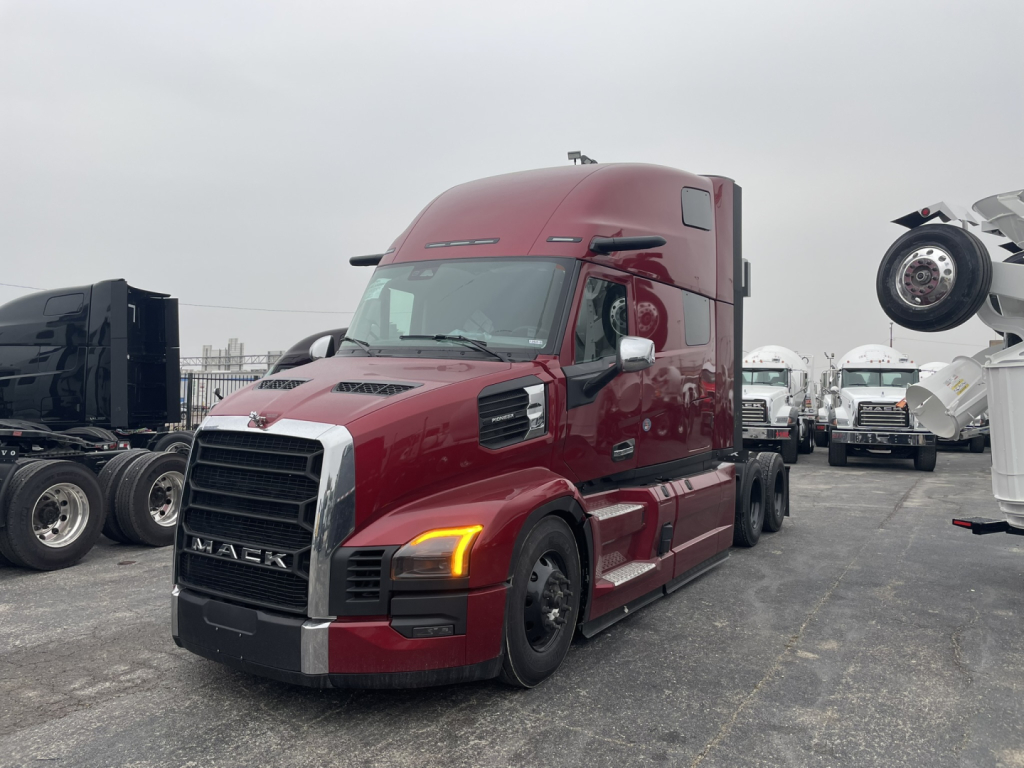
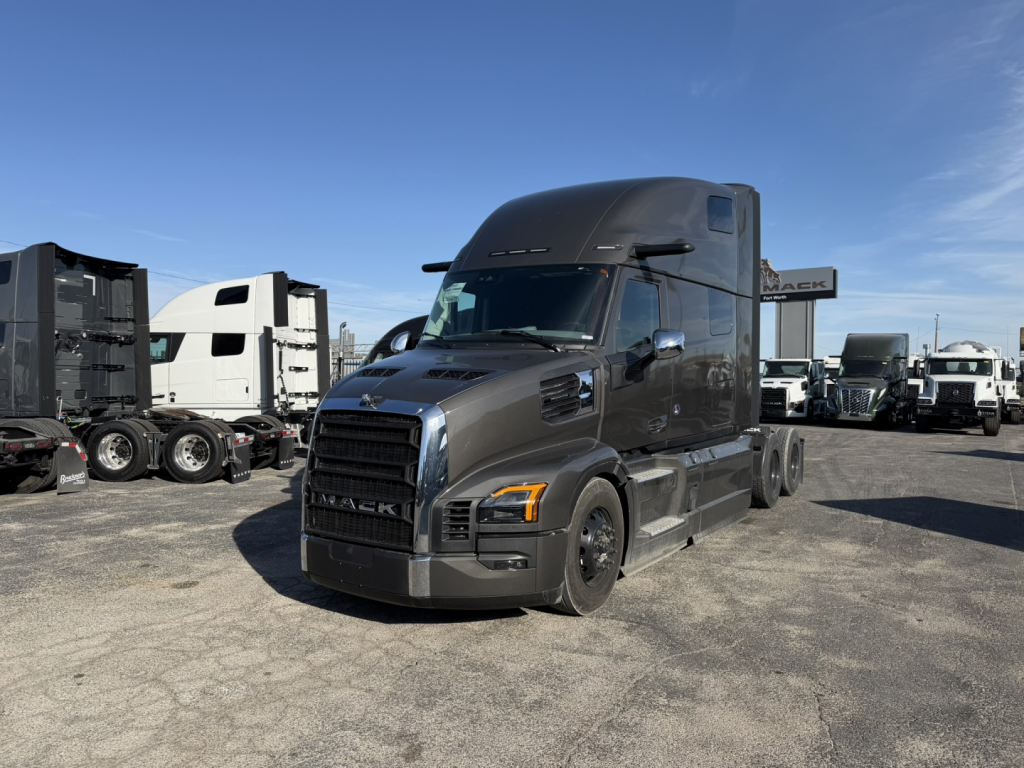
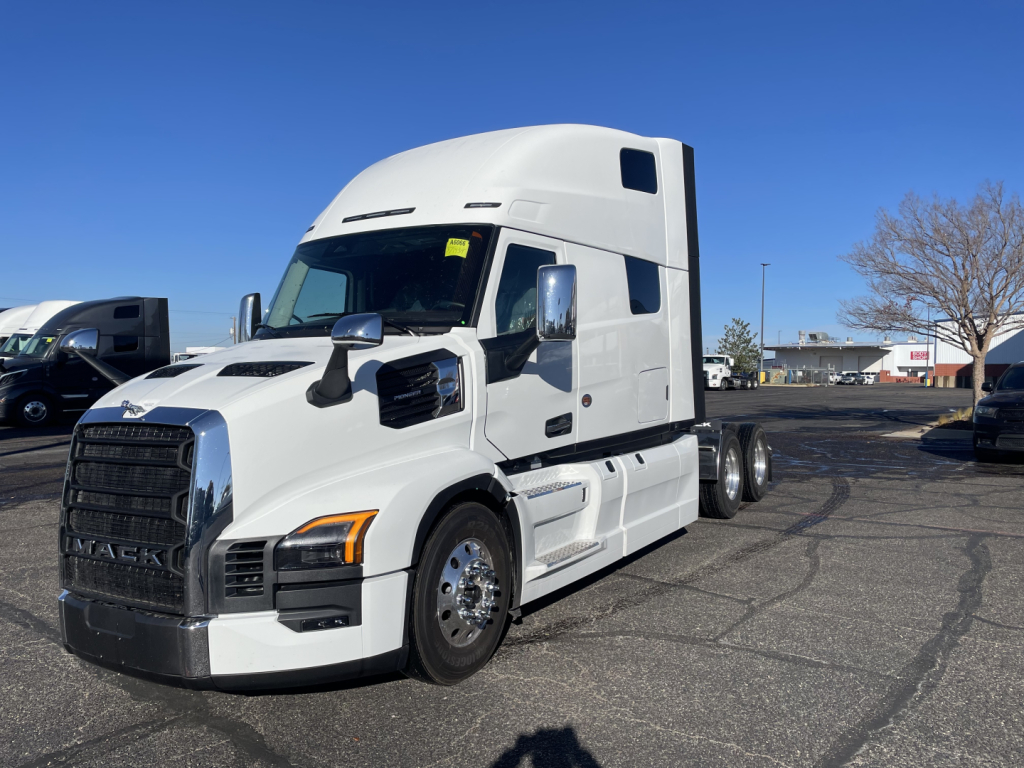
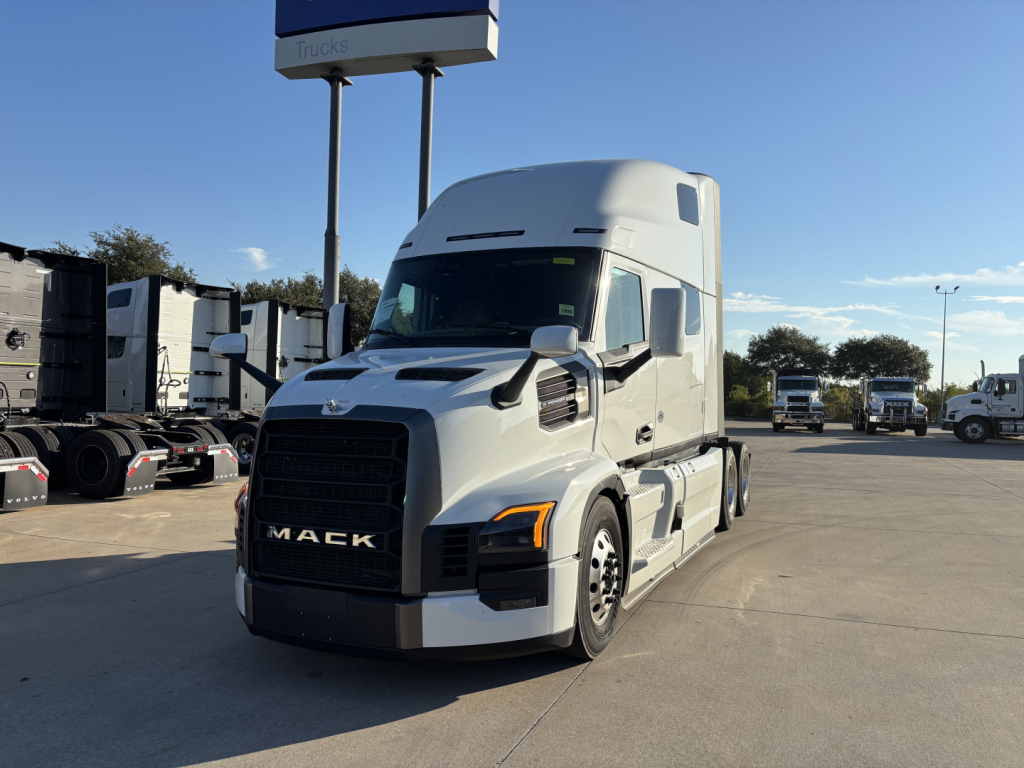
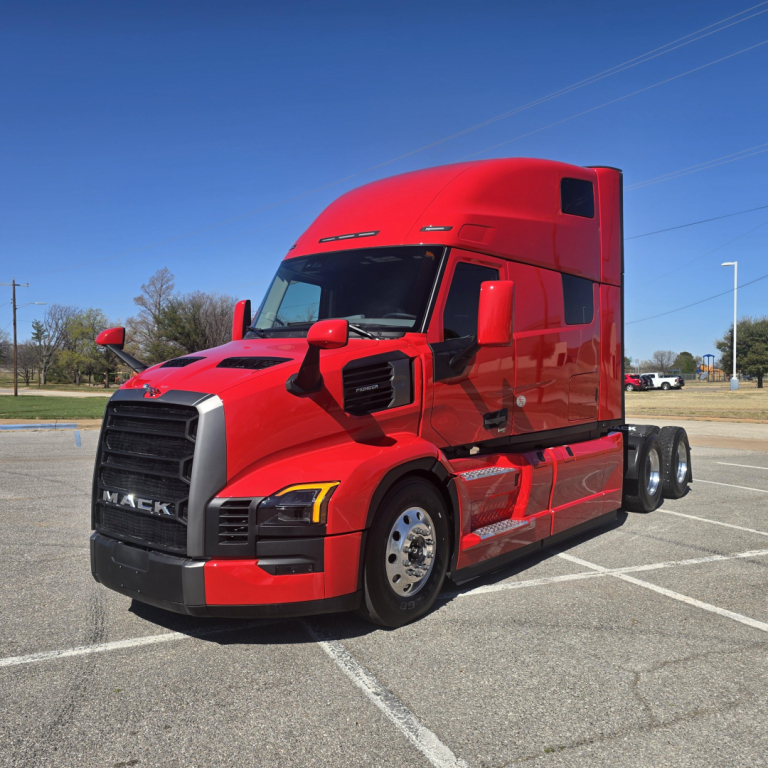
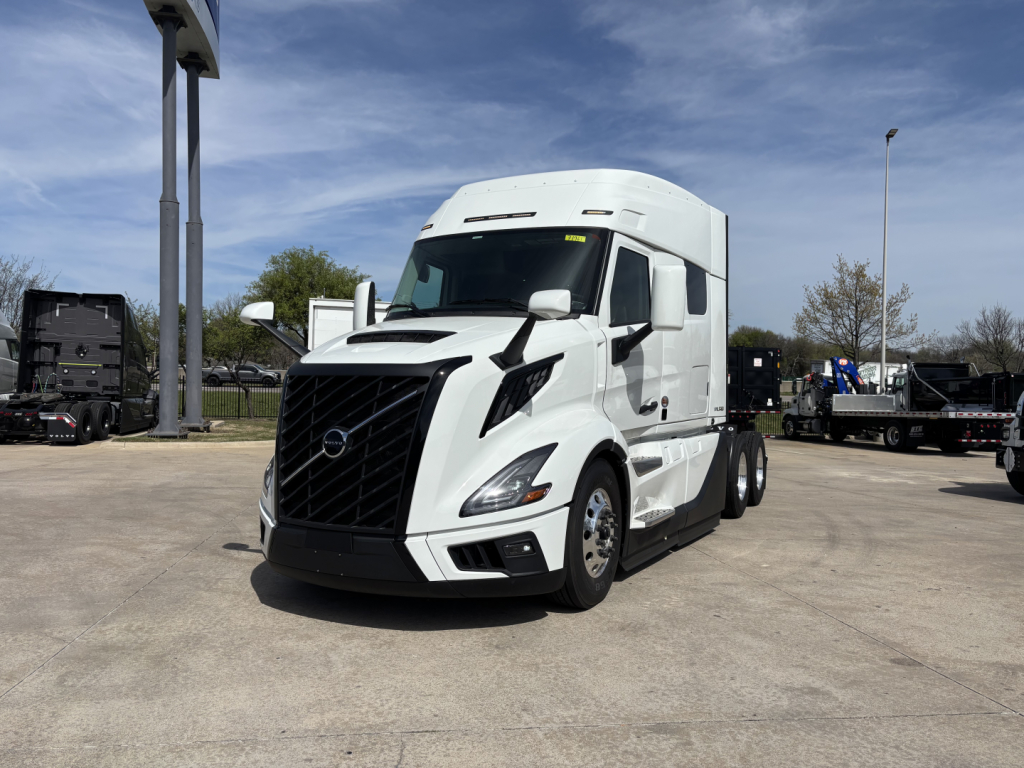
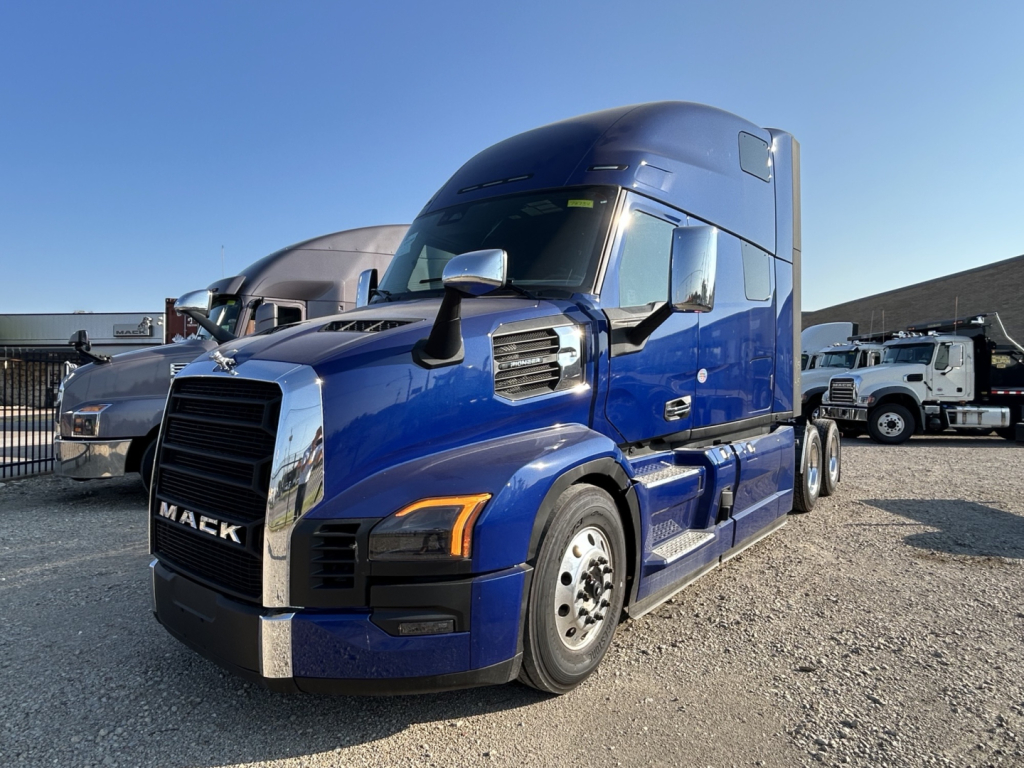
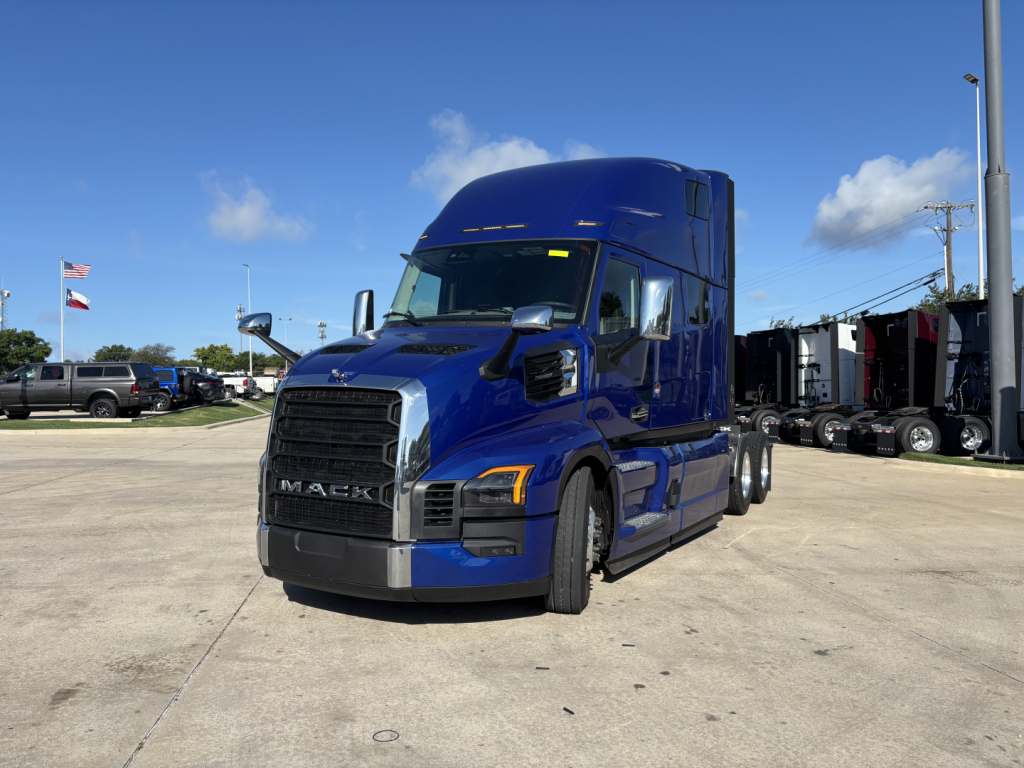
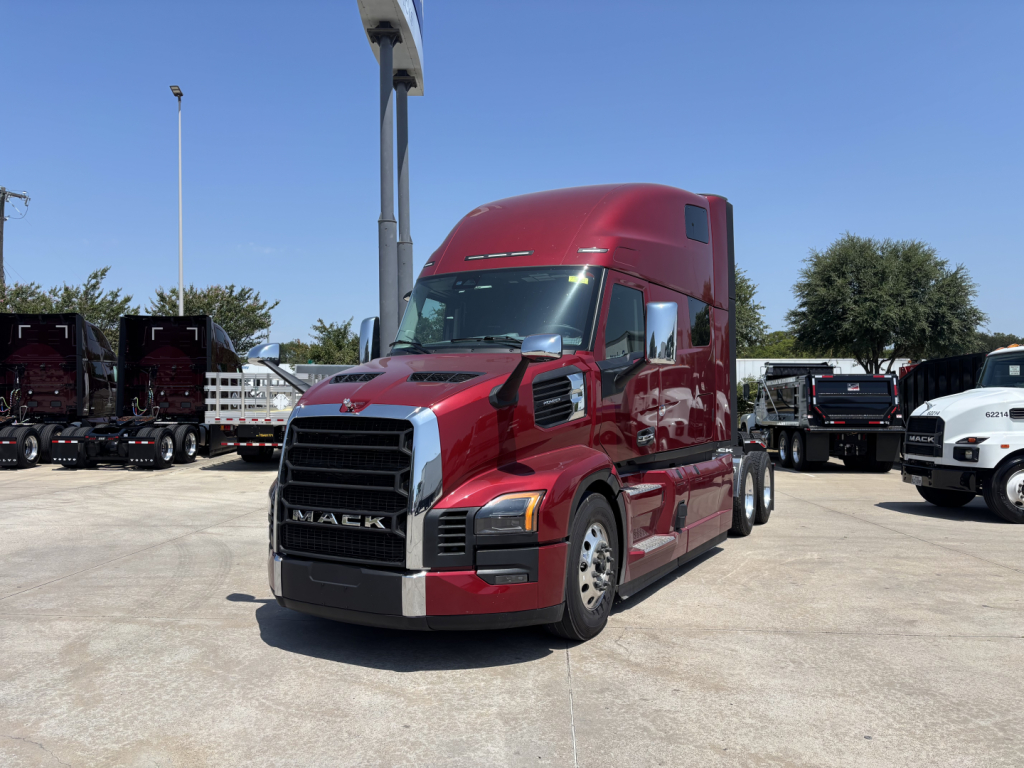
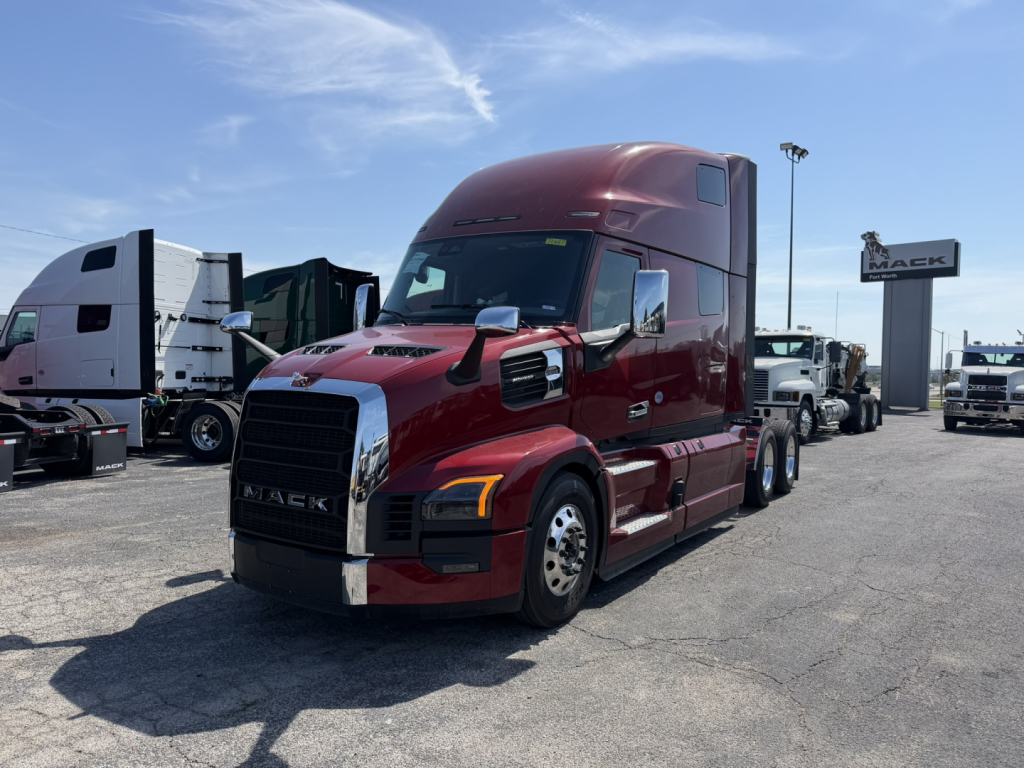
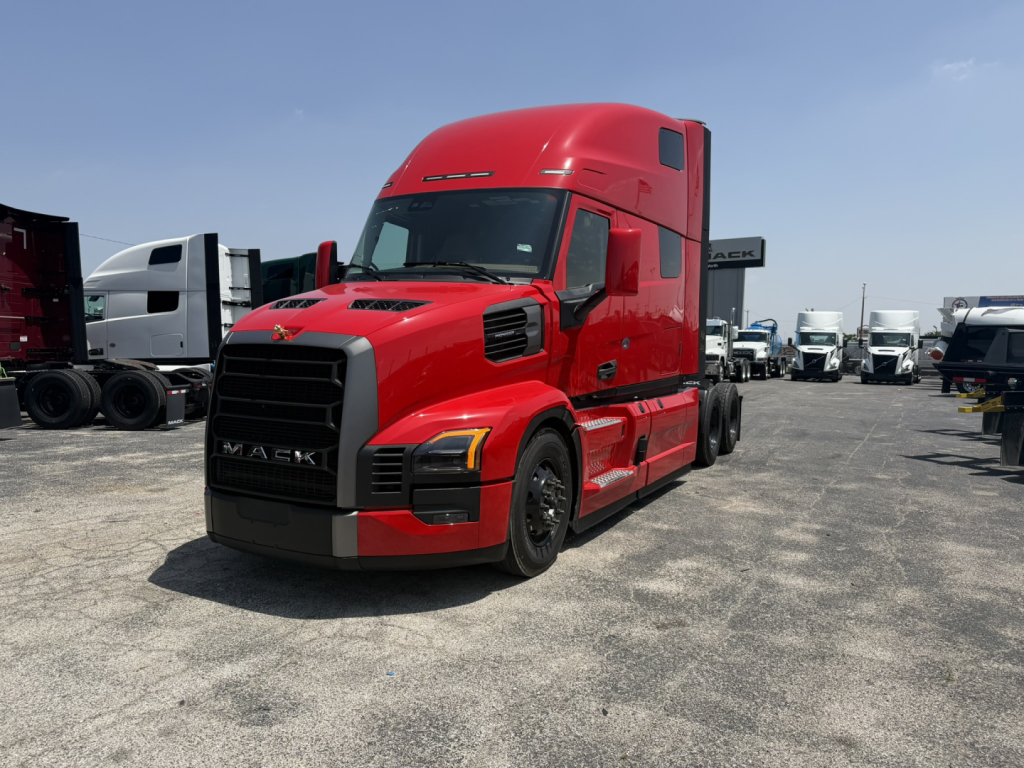
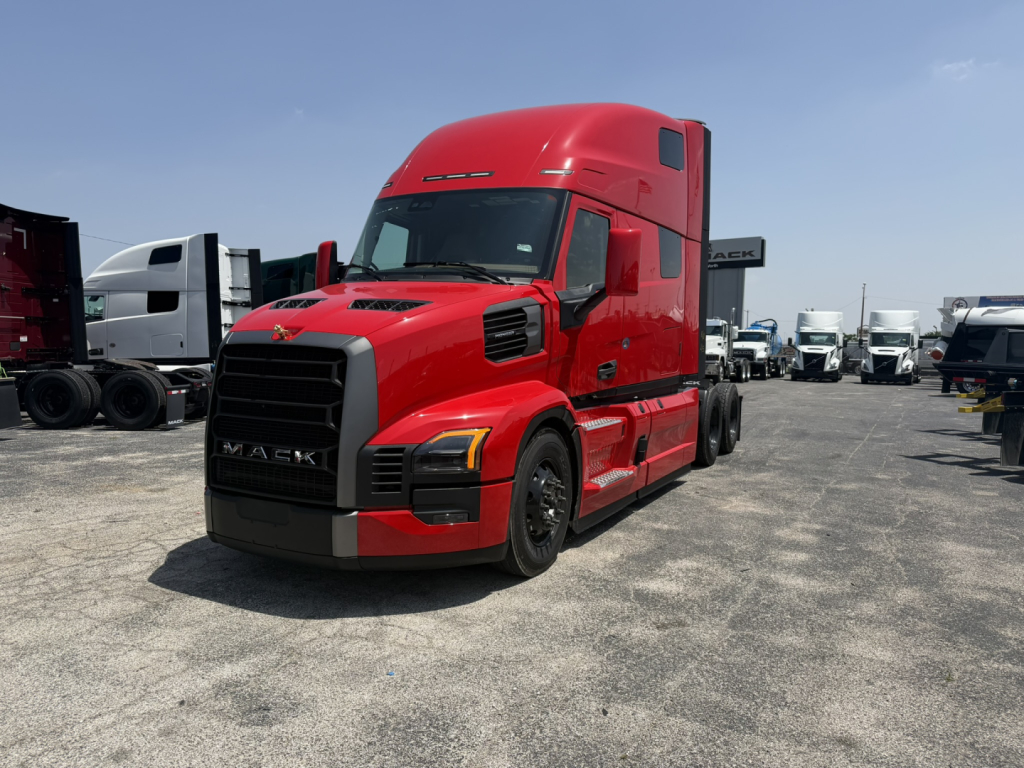
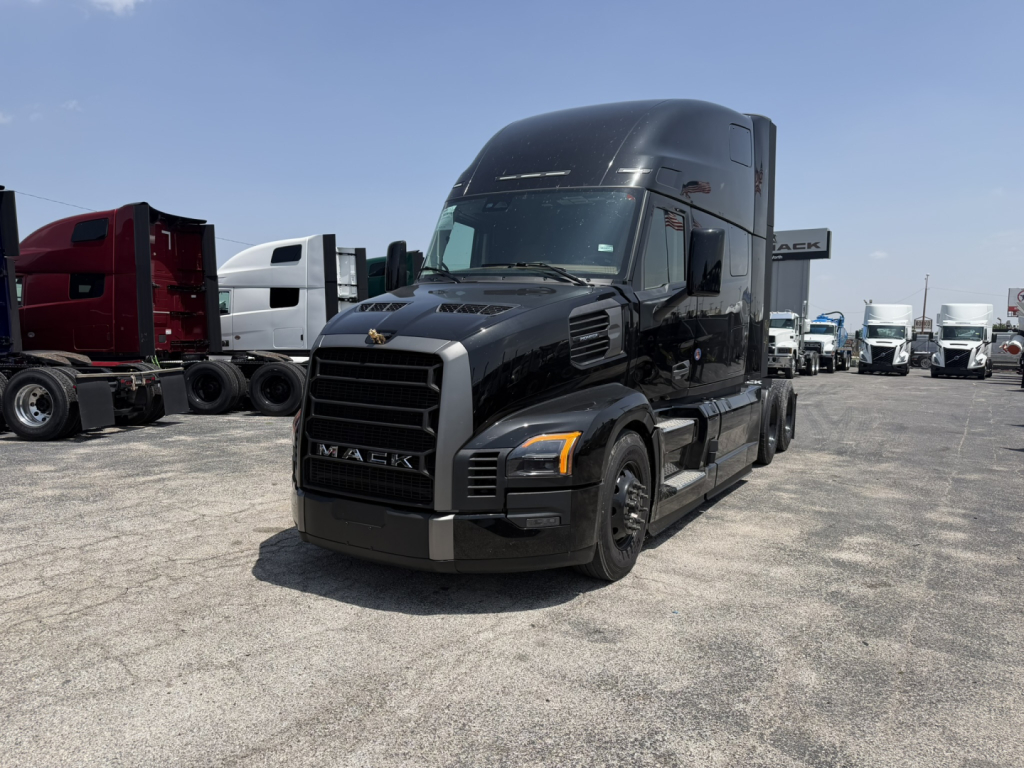
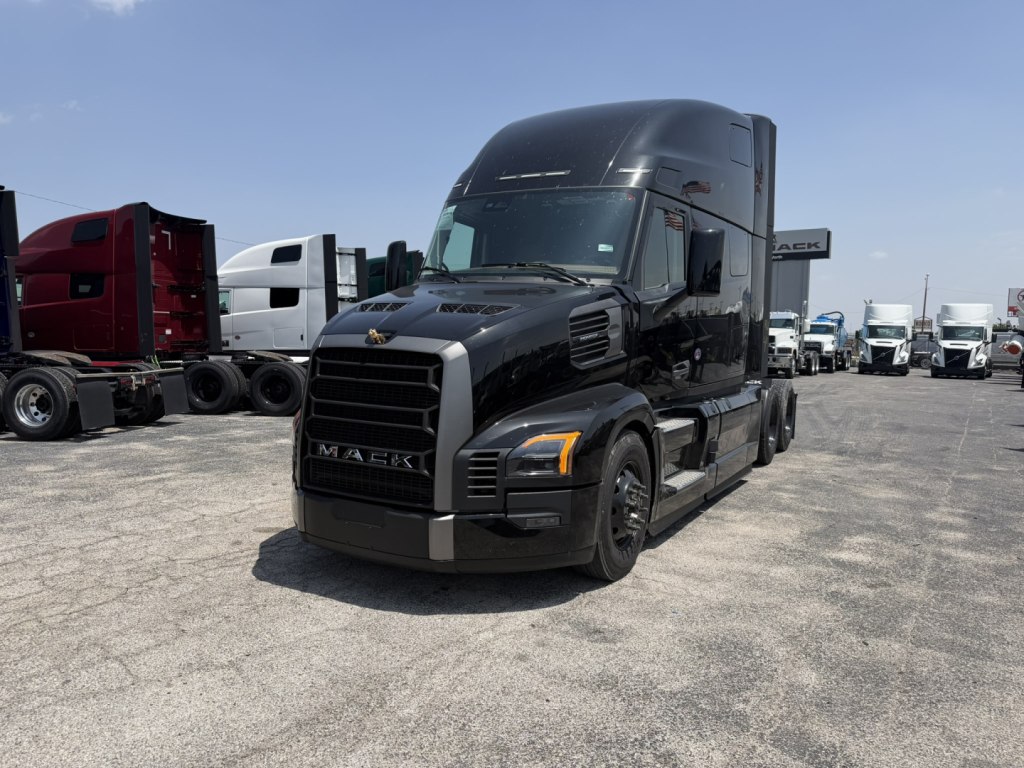
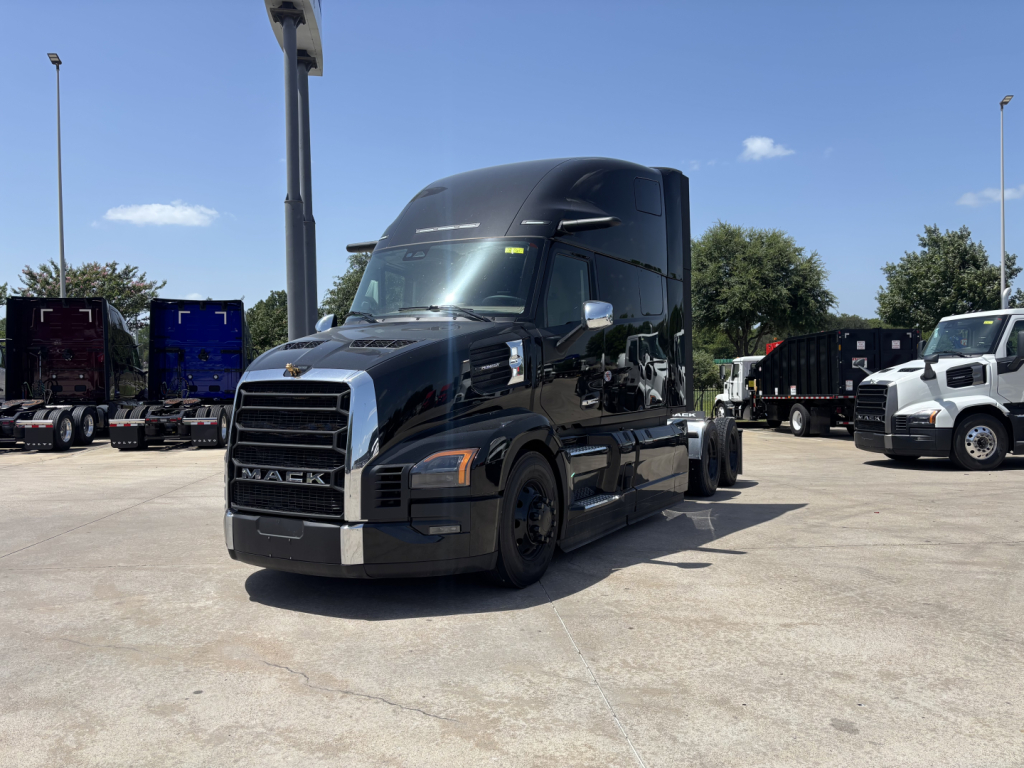
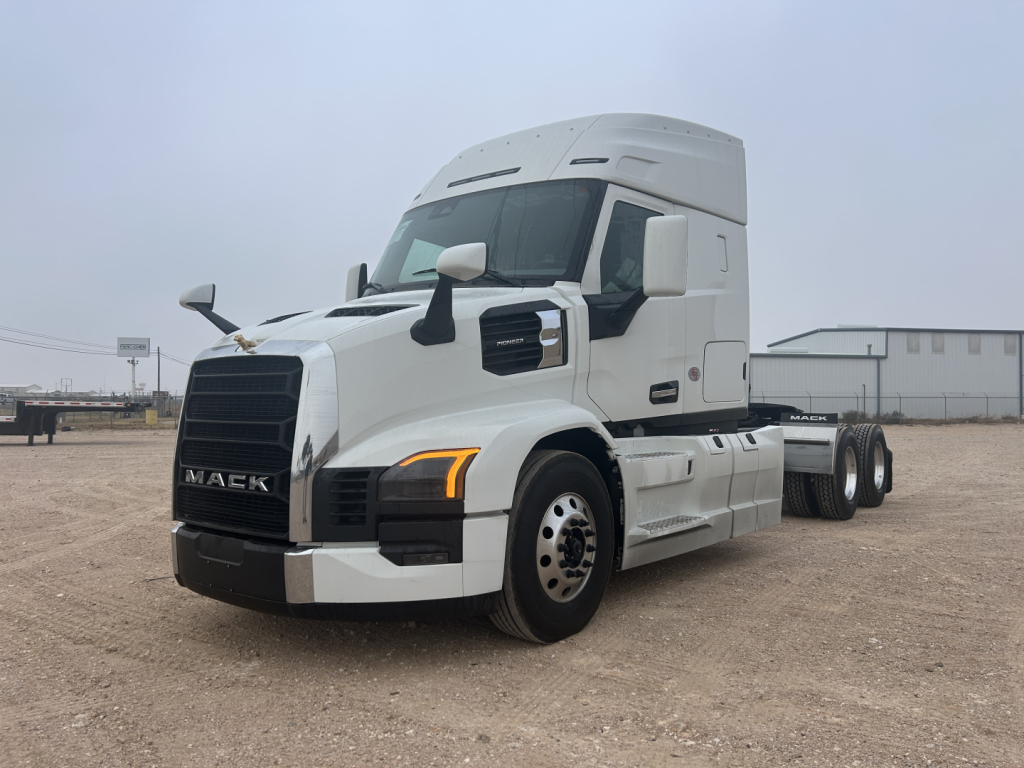
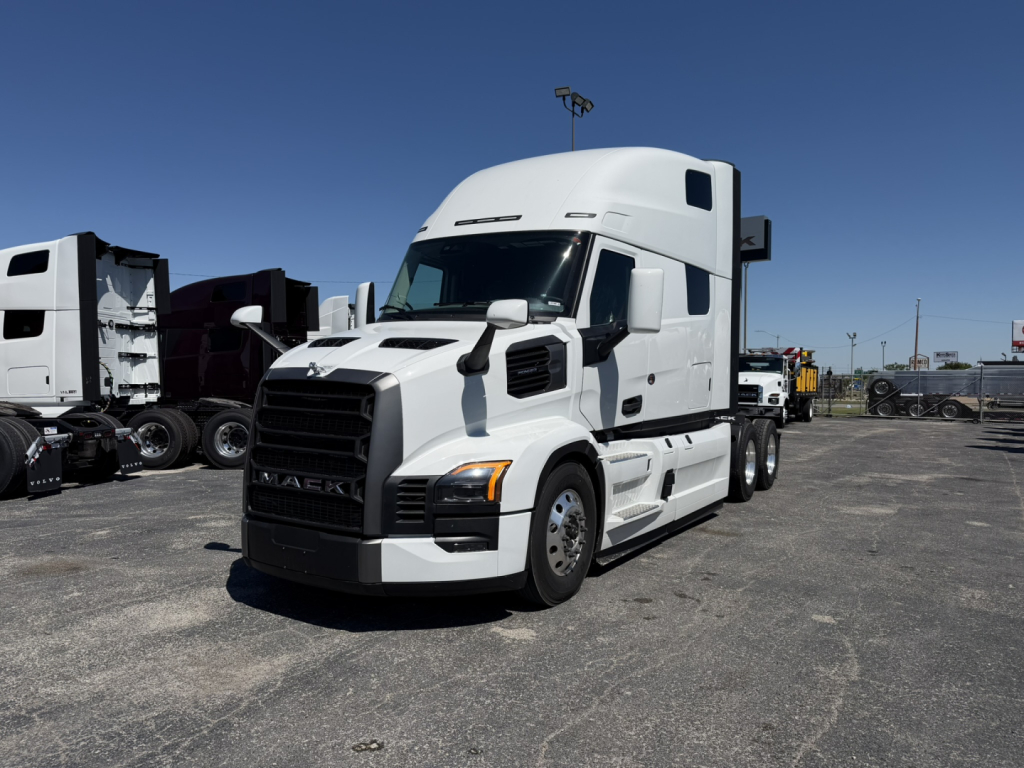
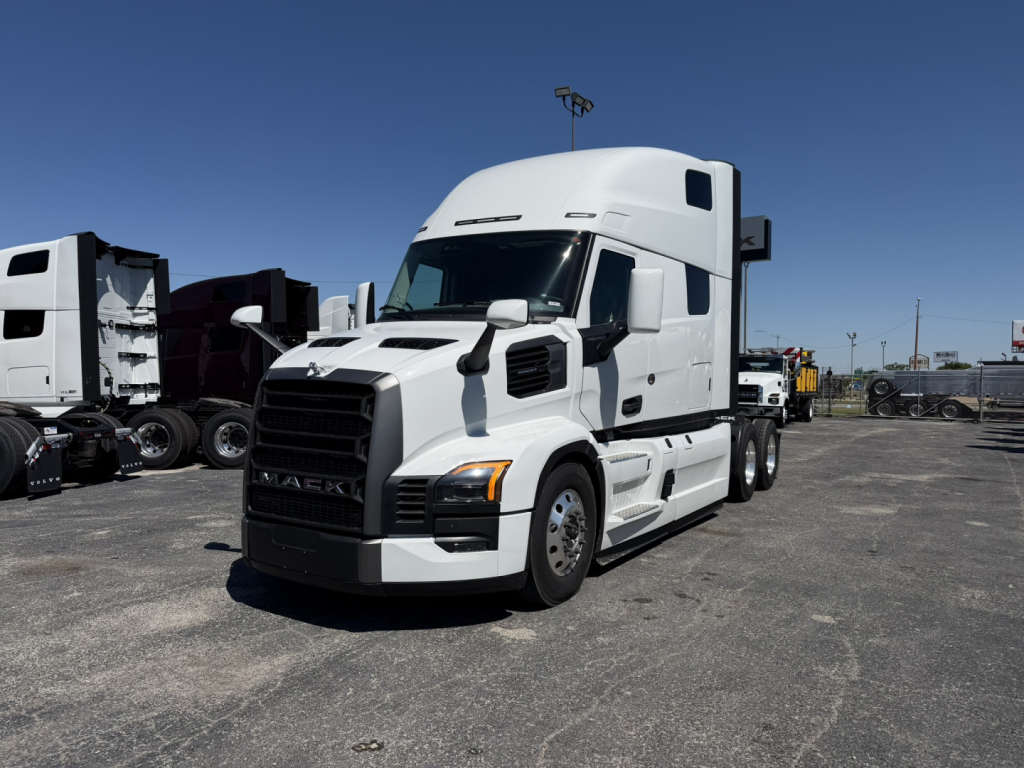
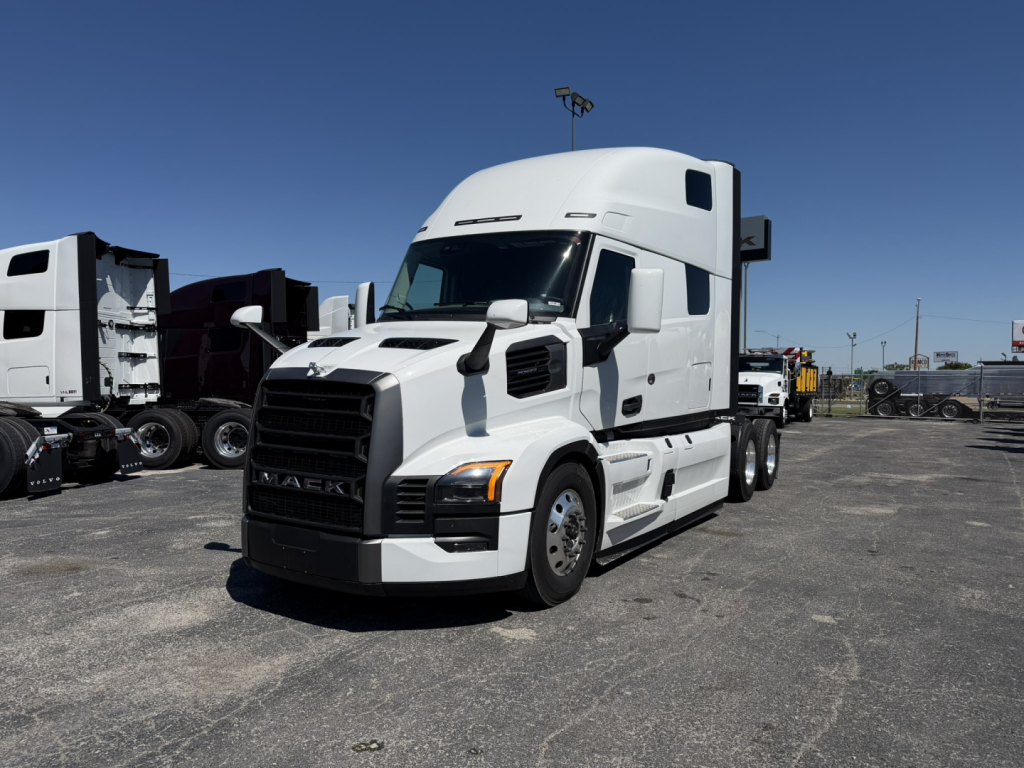
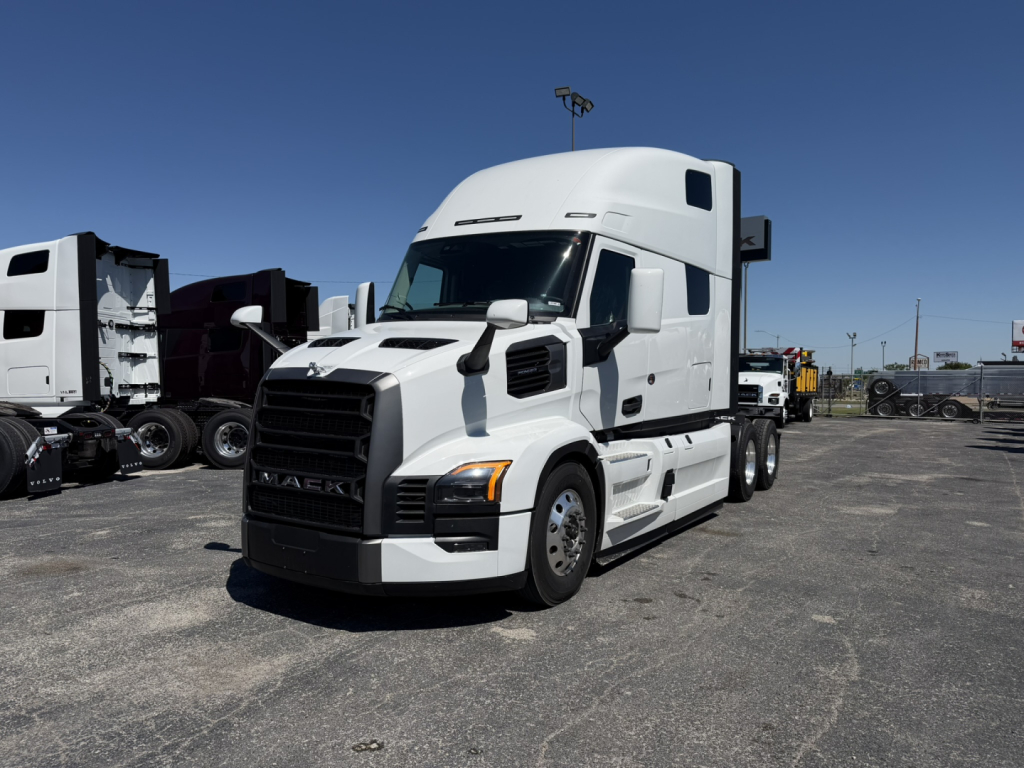
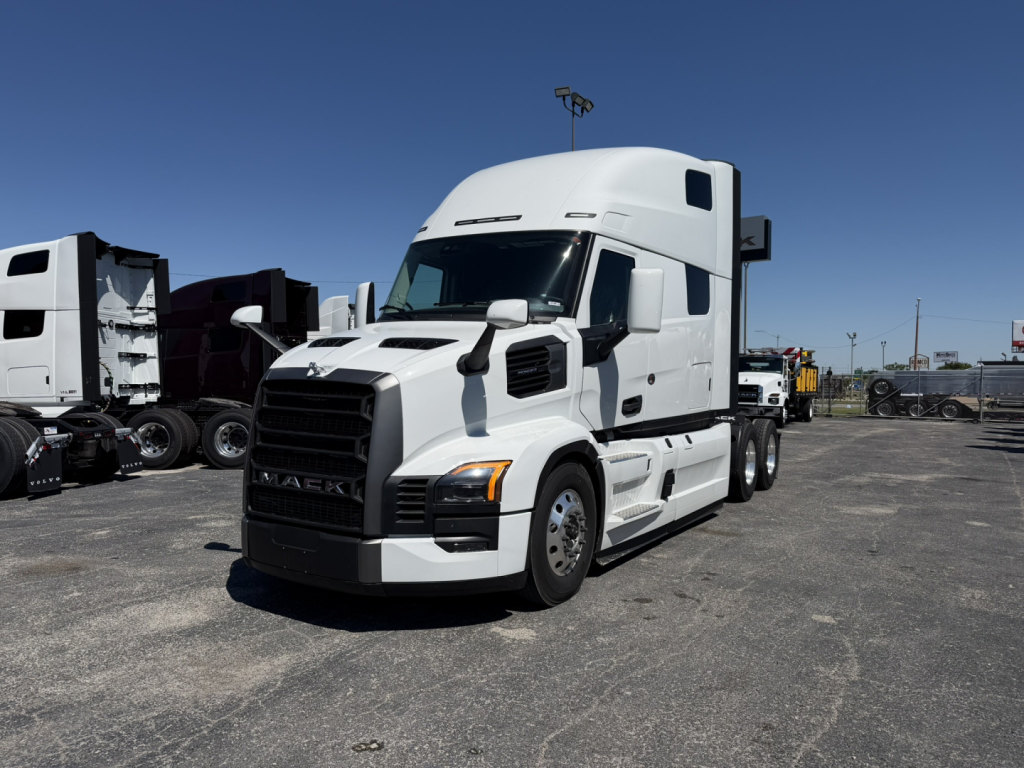
Showing 1 to 28 of 47 results
Selling a new conventional sleeper truck? List your new conventional sleeper truck for sale and reach thousands of commercial buyers.
New Conventional Sleeper Trucks in Texas
The biggest buying decision usually starts with the powertrain. New conventional sleeper trucks are commonly spec'd with 13-liter engines in the 425 to 515 horsepower range, paired with automated manual transmissions such as Volvo I-Shift or Mack mDRIVE. Fleets focused on fuel economy may prefer downsped drivelines, direct-drive or overdrive transmissions, and rear axle ratios matched to cruise speed. Heavy-haul or high-GCW applications may call for higher horsepower, deeper gearing, and full locking differentials. Wheelbase, fifth wheel travel, front axle rating, and tandem capacity all matter because they affect bridge compliance, trailer gap, maneuverability, and how well the tractor fits a van, reefer, or flatbed operation.
Sleeper spec is just as important as drivetrain spec because driver retention and uptime are tied directly to cab comfort. Many new units include double bunks, bunk heaters, cab parking HVAC, inverters, refrigerators, and upgraded interior trim packages. Safety and driver-assist systems have also become standard decision points in this category, including collision mitigation, adaptive cruise control, lane support features, and disc brakes on some premium highway specs. Buyers comparing new conventional sleeper trucks should also look closely at fuel capacity, fairing design, roof profile, idle reduction equipment, and service network support, since those details affect operating cost over the life of the truck.
For Texas operations, it pays to match the sleeper tractor to the lane. A truck running I-10 or I-35 in long-cycle freight may benefit from larger tanks, a 76-inch sleeper, and full aero package efficiency. A regional fleet crossing state lines with slip-seat or shorter hotel time may be better served by a more compact sleeper and lower tare weight. New conventional sleeper trucks from major OEMs such as Volvo and Mack are typically designed around uptime, telematics integration, and emissions compliance, but the best spec is still the one that matches freight, trailer type, terrain, and driver expectations.
Frequently Asked Questions about New Conventional Sleeper Trucks in Texas
What is a conventional sleeper truck?
A conventional sleeper truck is a road tractor with a standard hooded cab and an integrated sleeping compartment behind the driver area. It is designed for long-haul or multi-day operation where the driver needs rest space, storage, and onboard comfort features. Compared with a day cab, a sleeper tractor adds weight and length, but it supports longer routes, team driving, and better driver comfort on over-the-road freight.
What sleeper size is best for long-haul freight?
For long-haul freight, a 70-inch to 76-inch sleeper is the most common choice because it gives the driver enough room for a bunk, storage, and comfort features such as a refrigerator, inverter, and auxiliary climate control. A smaller 60-inch sleeper can work well for regional or occasional overnight use, especially when lower weight or shorter wheelbase is important. The right size depends on how many nights the truck stays out, whether it is a team operation, and how much onboard storage the driver needs.
What engine and transmission specs are common in new conventional sleeper trucks?
Most new conventional sleeper trucks are equipped with 13-liter diesel engines rated roughly from the mid-400 horsepower range up to about 515 horsepower, depending on the application. Automated manual transmissions are now the standard in many fleet and owner-operator specs because they improve shift consistency, reduce driver fatigue, and support fuel economy programming. Rear axle ratio, torque rating, and transmission gearing should be matched to cruise speed, terrain, and gross combination weight rather than chosen by horsepower alone.
What should Texas buyers look for in a new sleeper tractor?
Texas buyers should pay close attention to cooling performance, idle reduction equipment, fuel capacity, and aerodynamic efficiency. Long highway distances, hot weather, and heavy freight corridors make bunk HVAC, larger tanks, and efficient driveline specs especially valuable. Service support also matters because a strong dealer and parts network can reduce downtime across regional and interstate lanes. If the truck will run reefer, dry van, or heavy freight regularly, axle ratings, wheelbase, and fifth wheel adjustment should be checked against the trailers and freight profile.
Are new conventional sleeper trucks better for driver retention?
In many operations, yes. A well-spec'd sleeper tractor can improve driver satisfaction by giving the operator a quieter cab, better climate control, more storage, and a more usable living space on the road. Features such as double bunks, parking heaters and coolers, premium seating, infotainment, and safety technology can make a measurable difference in recruiting and retention. The value is highest in long-haul fleets where drivers spend multiple nights per week in the truck.