
Conventional Sleeper Trucks For Sale in Minnesota
Shop conventional sleeper trucks in Minnesota. Compare high-roof cabs, engine ratings, axle ratios, wheelbases, and long-haul specs.
No exact matches found for your search
Showing Conventional Sleeper Trucks instead.
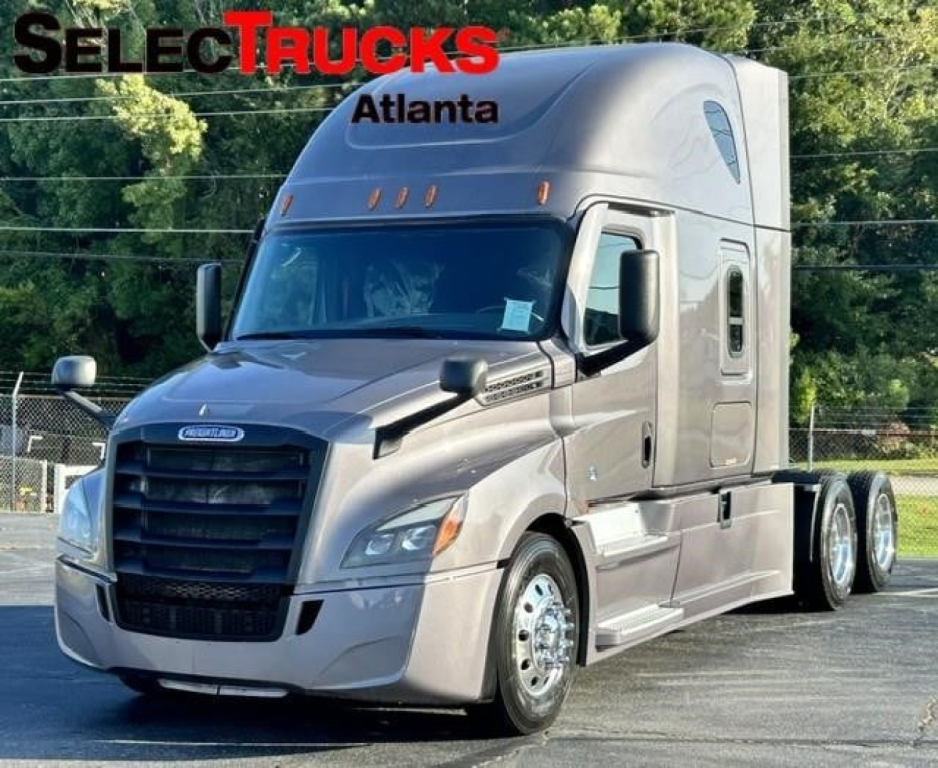
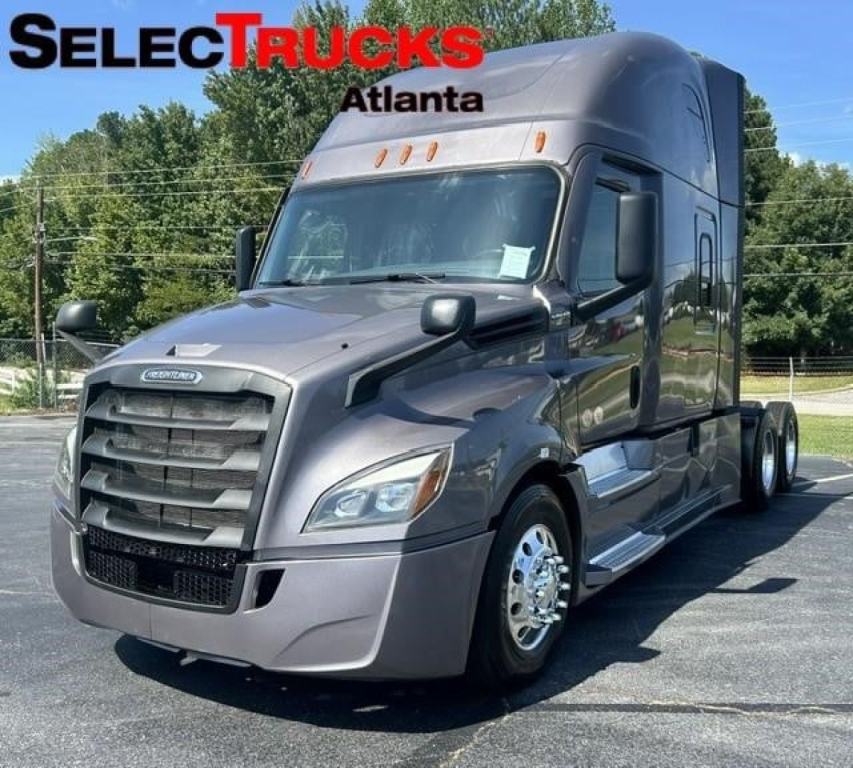
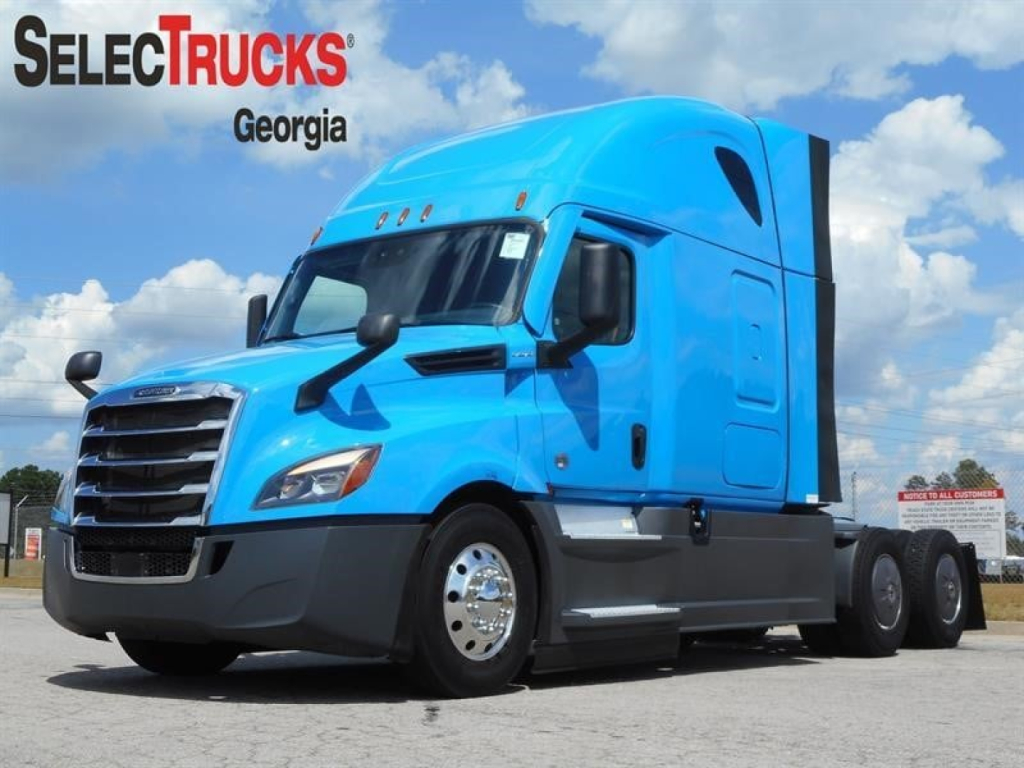
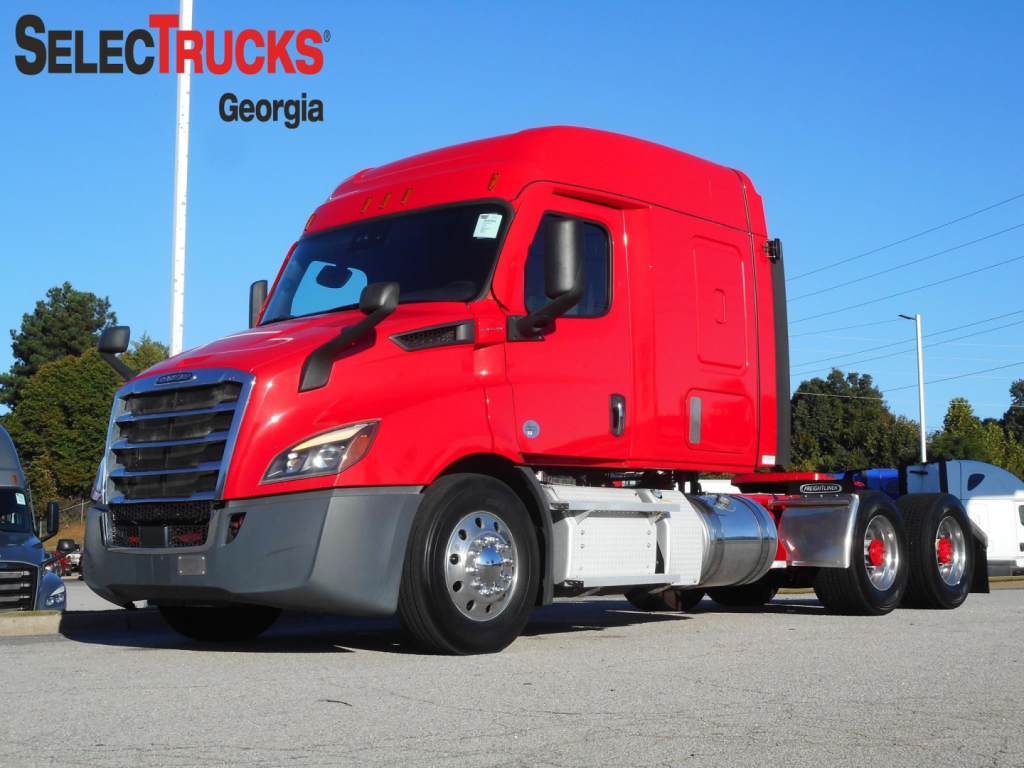
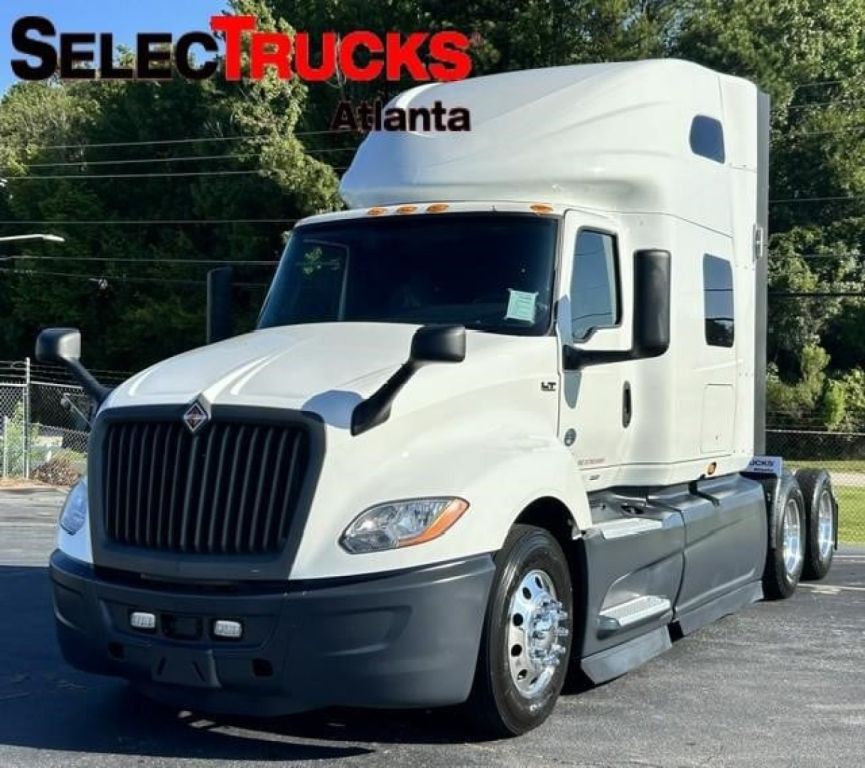
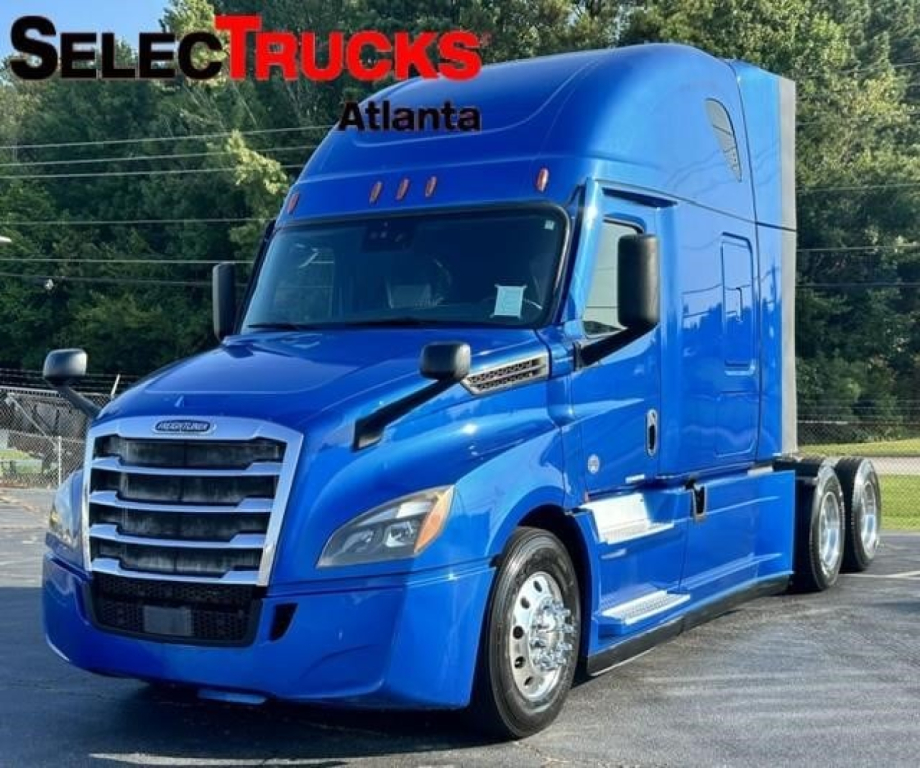
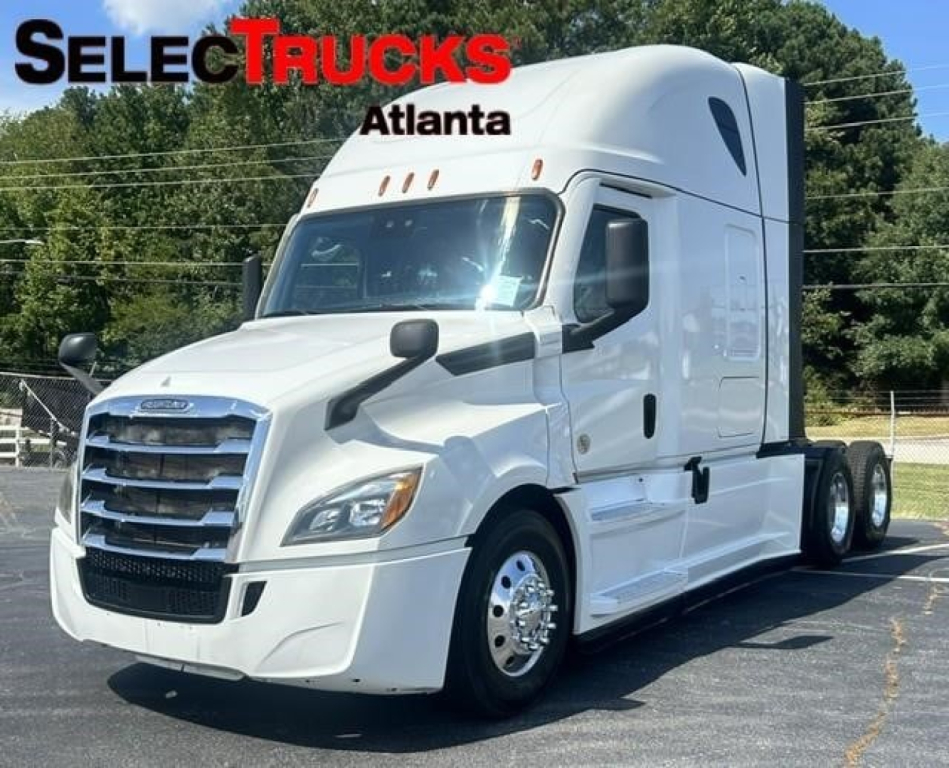
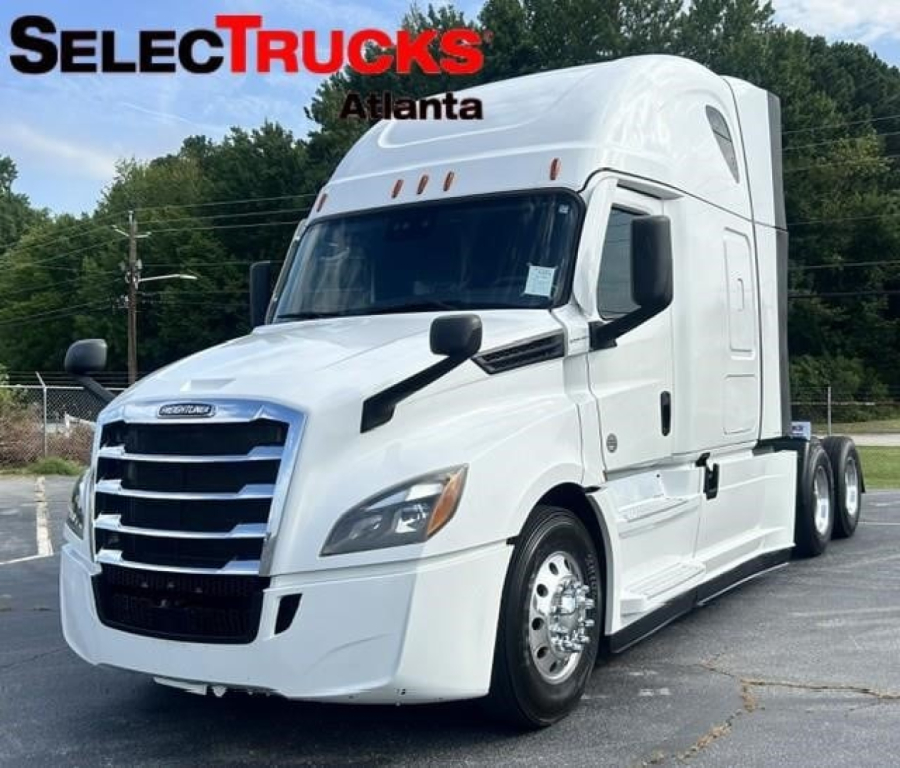
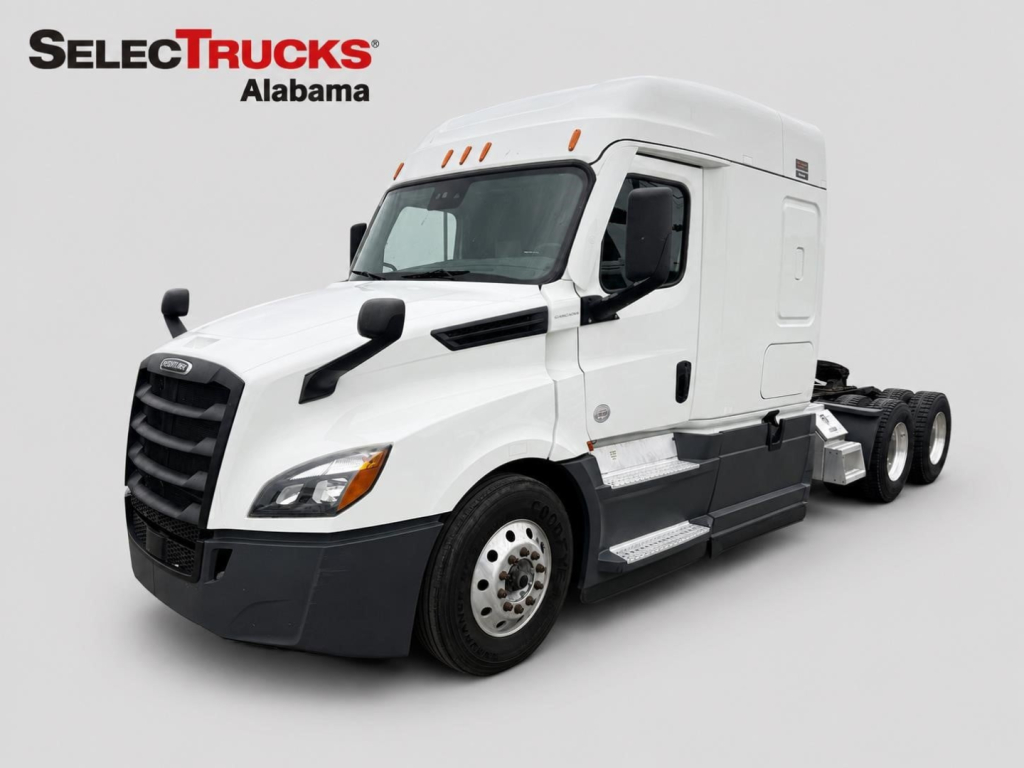
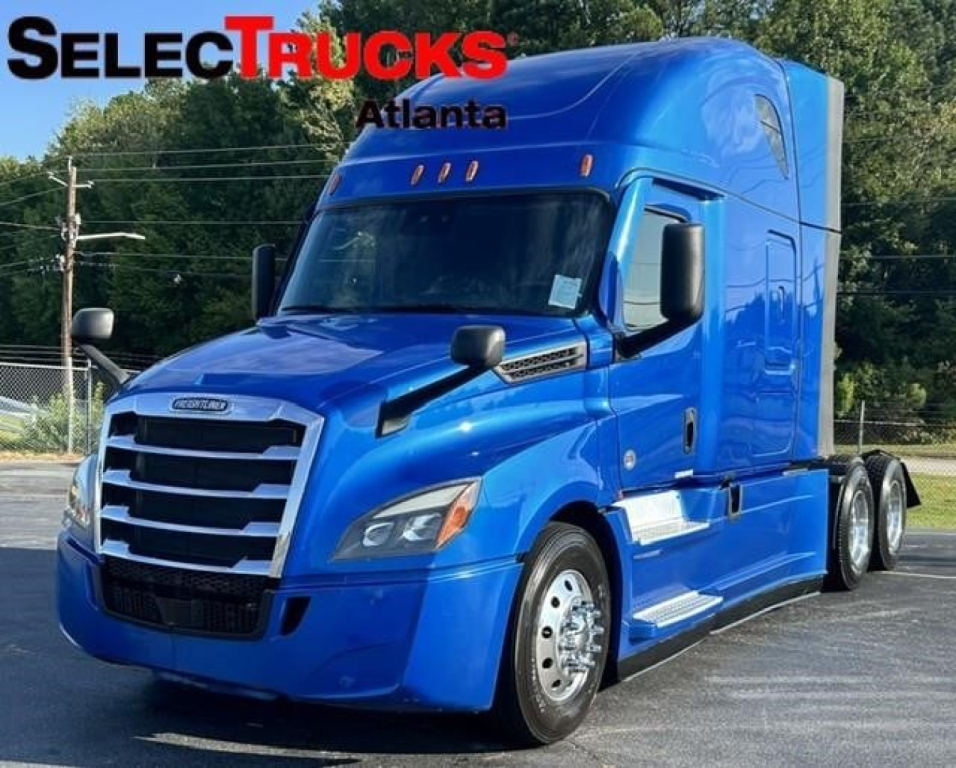
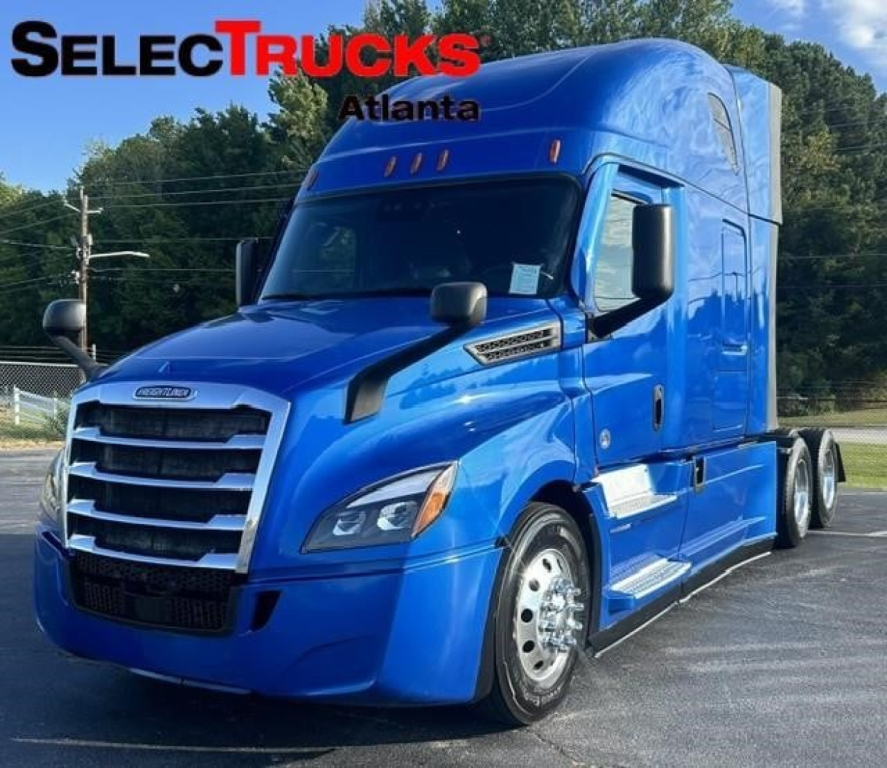
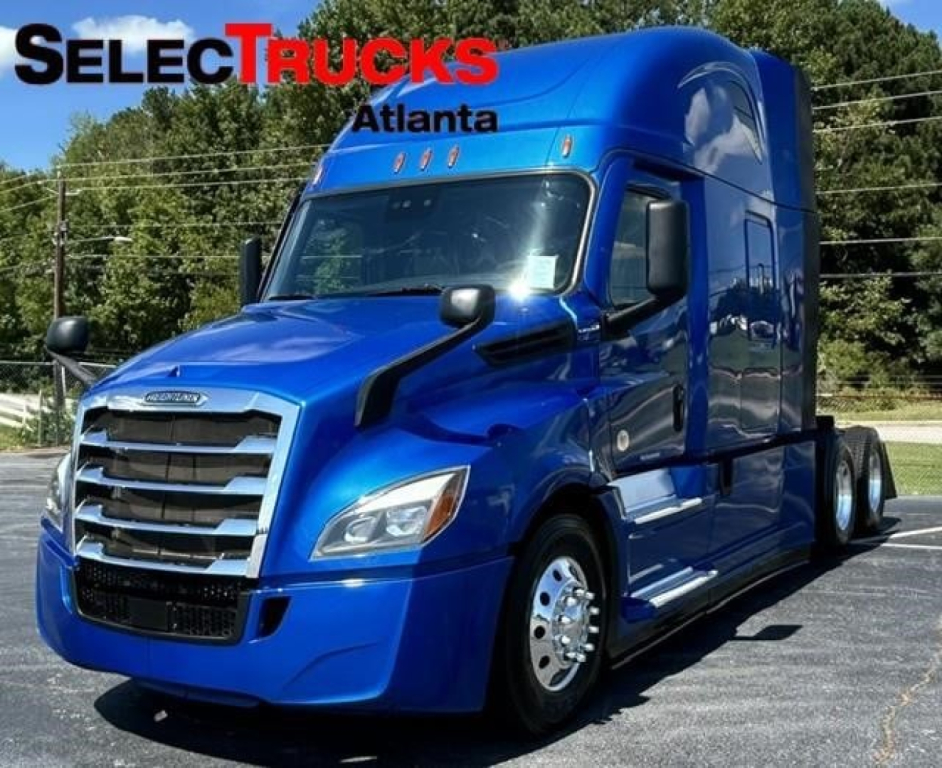
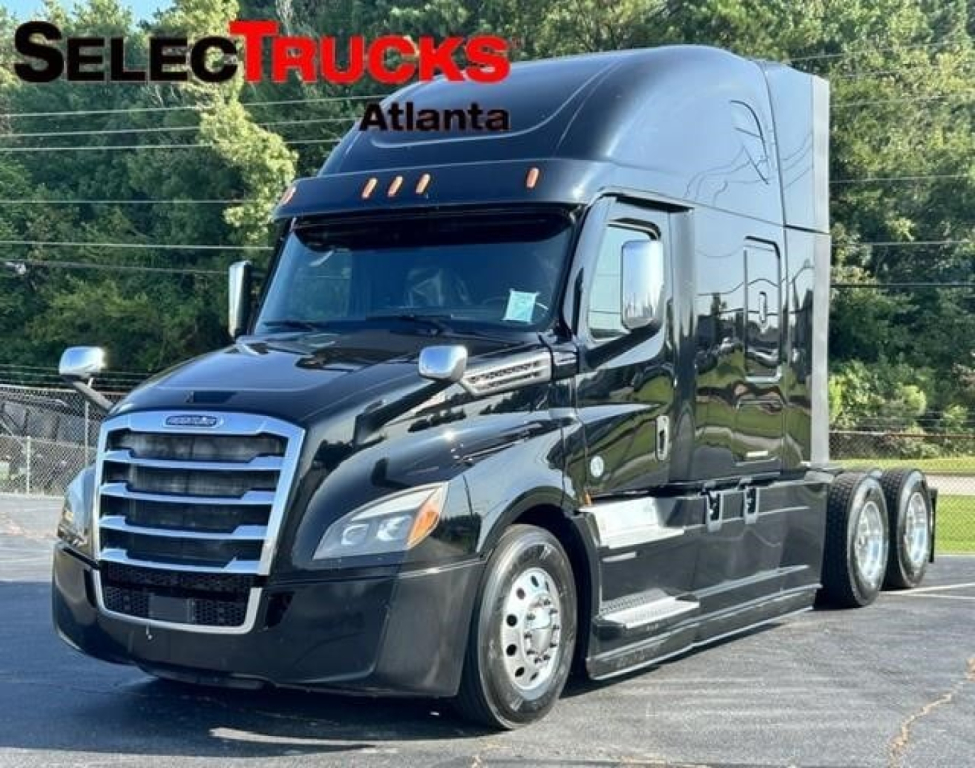
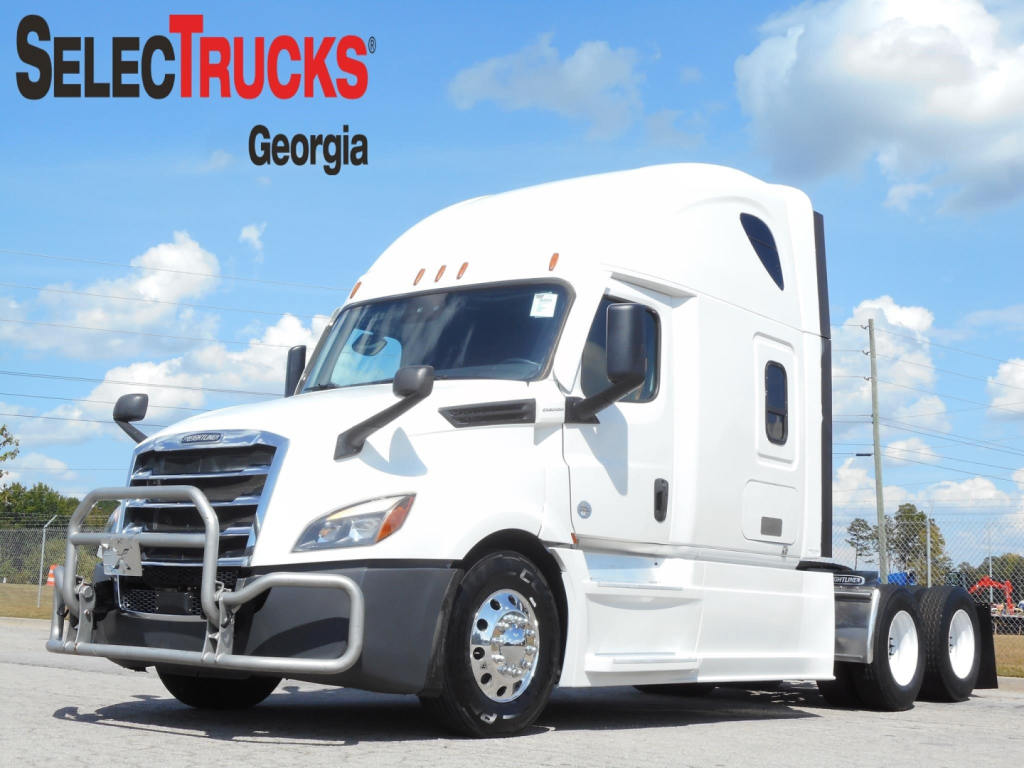
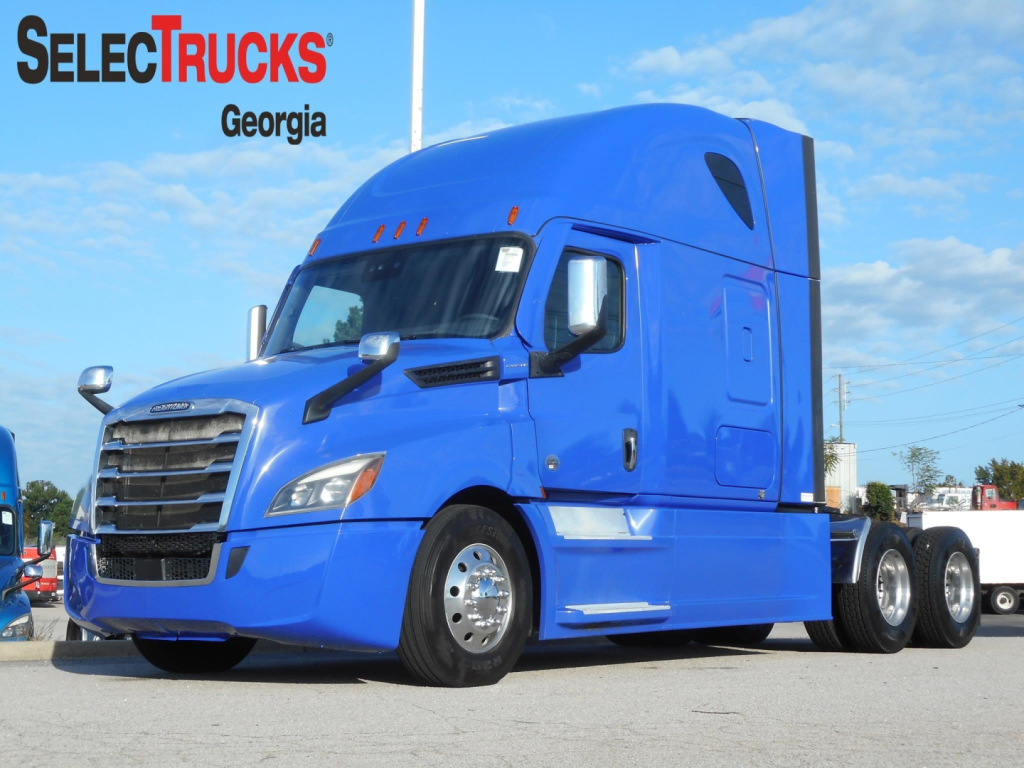
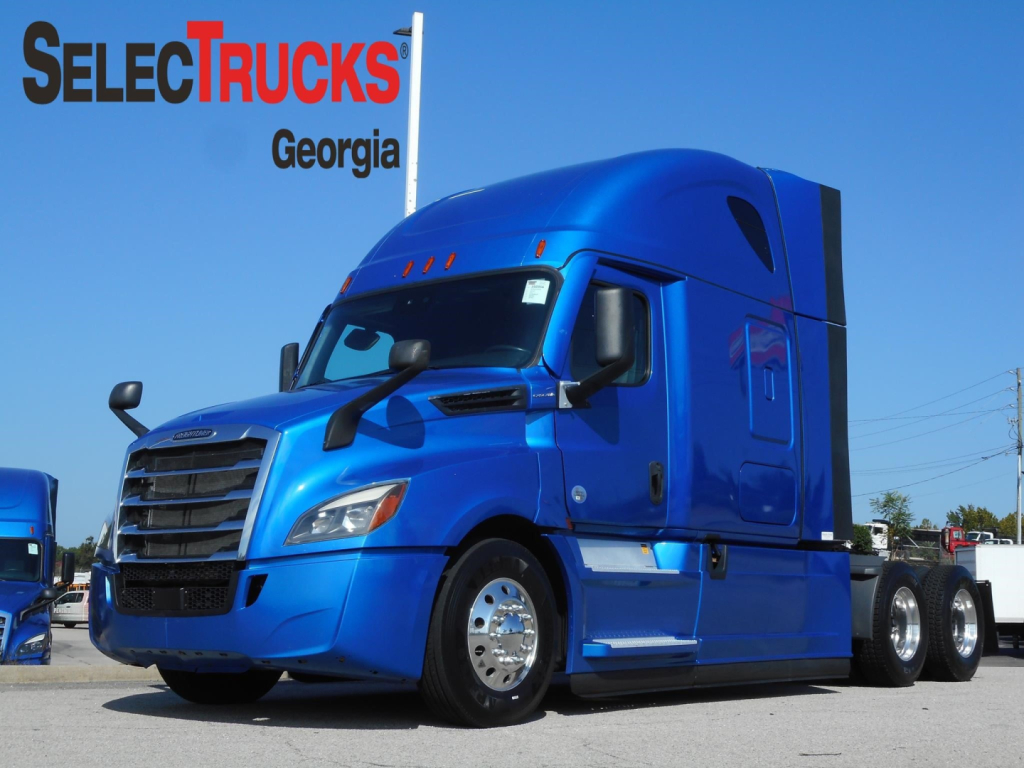
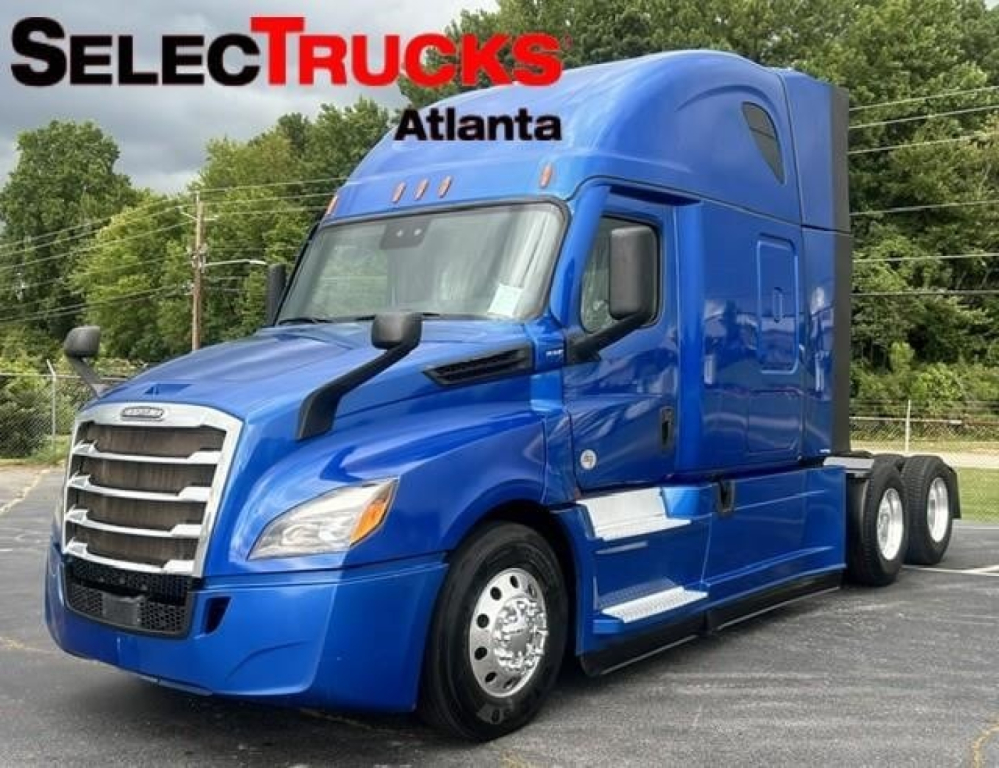
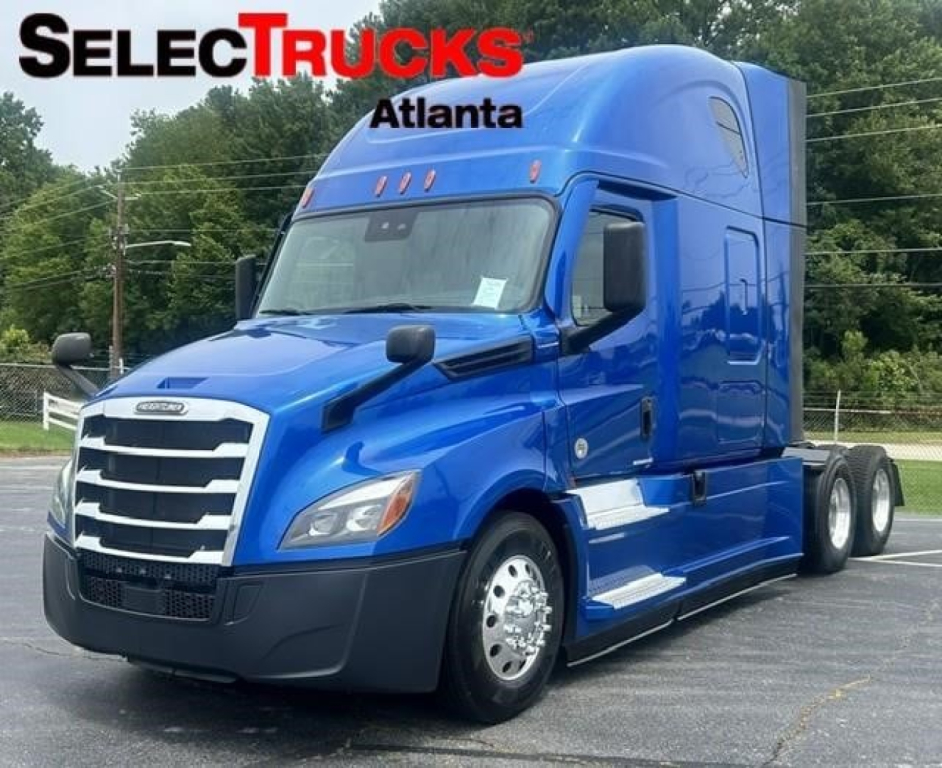
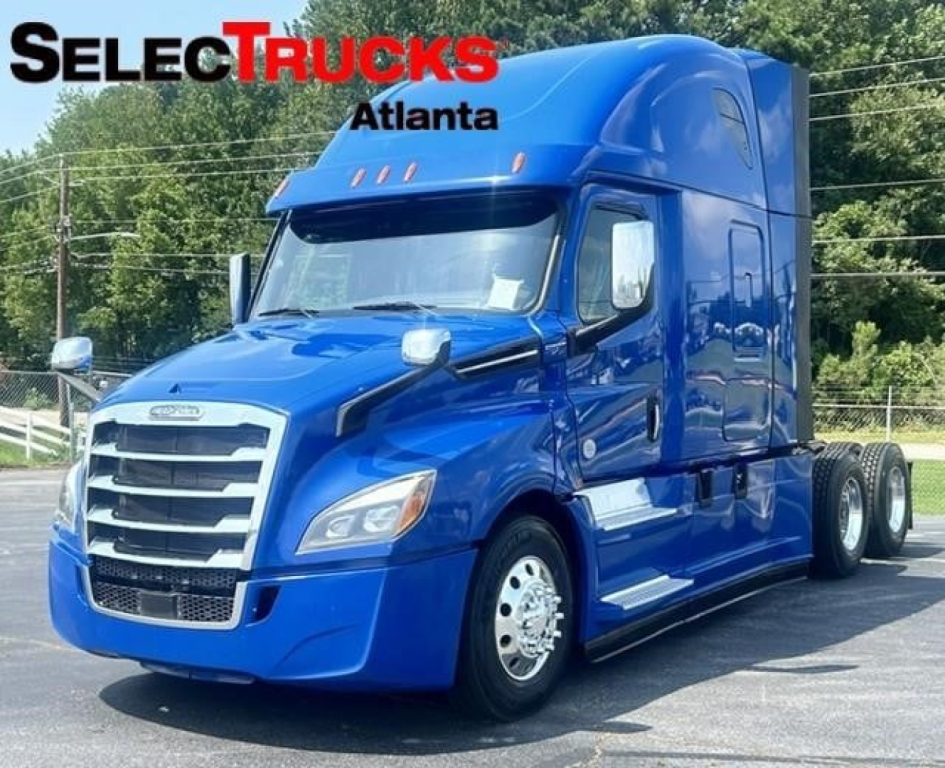
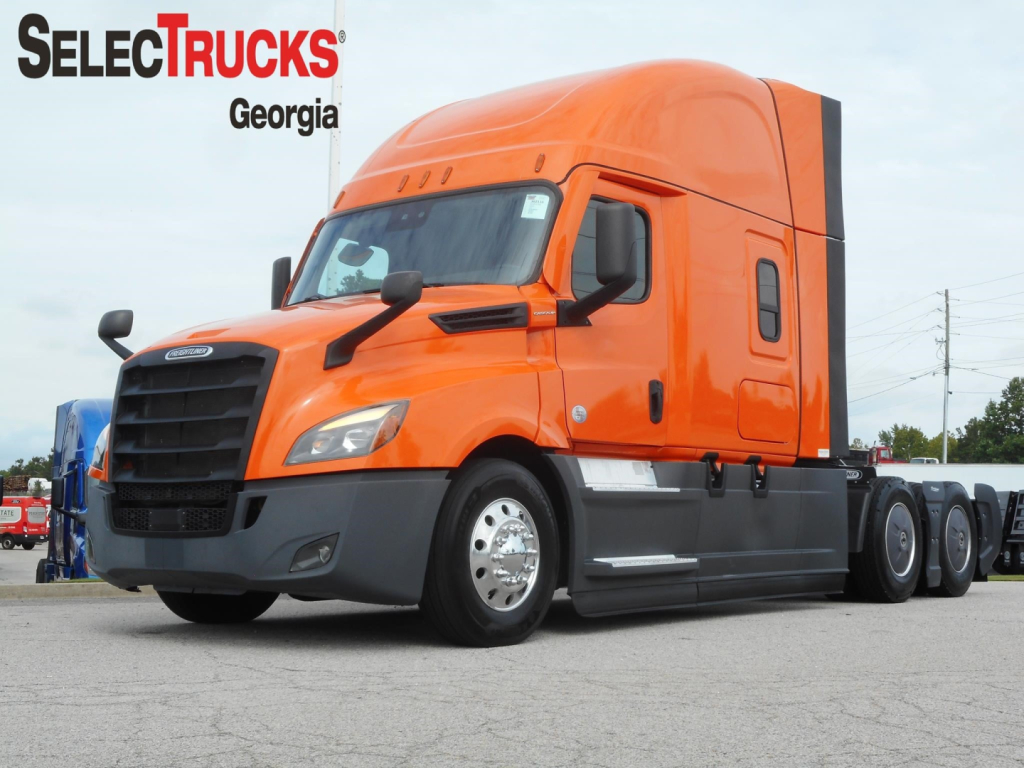
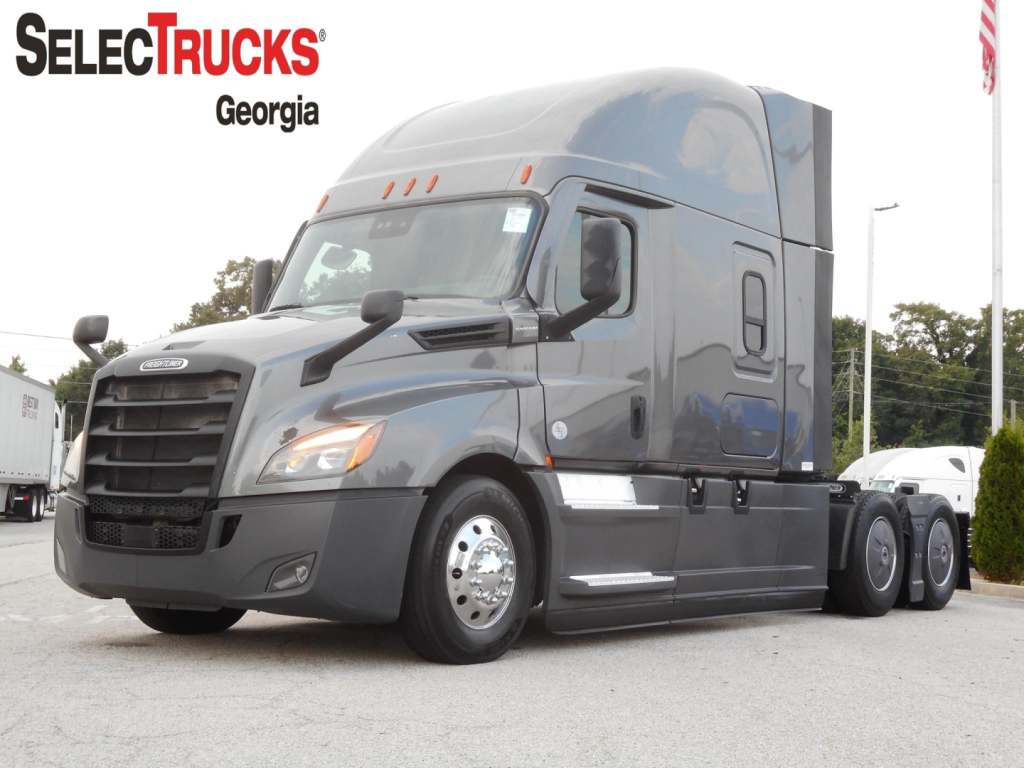
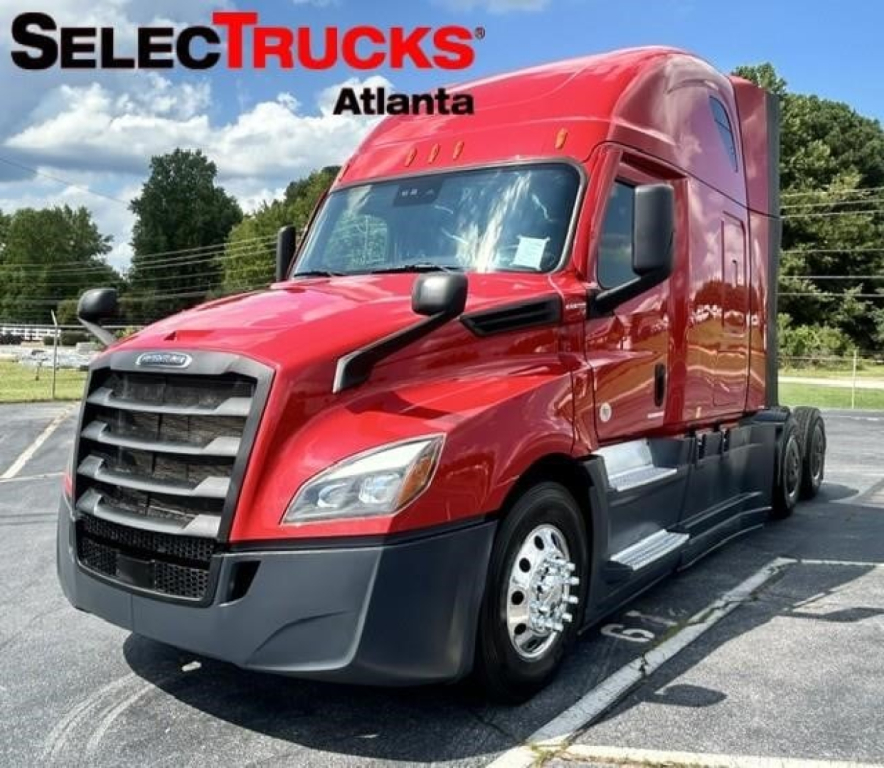
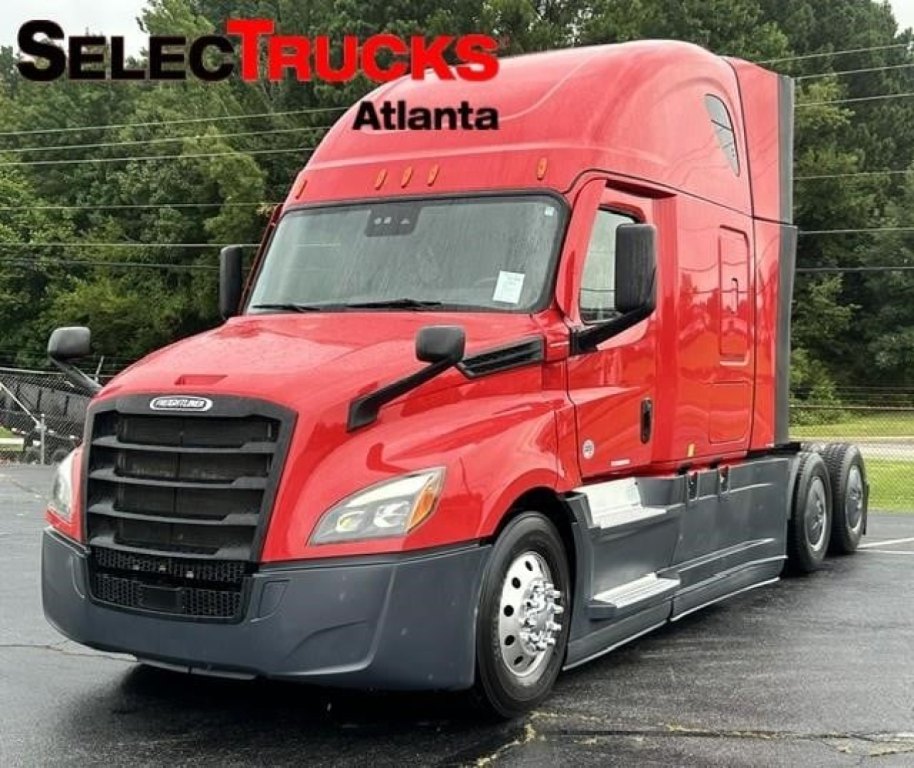
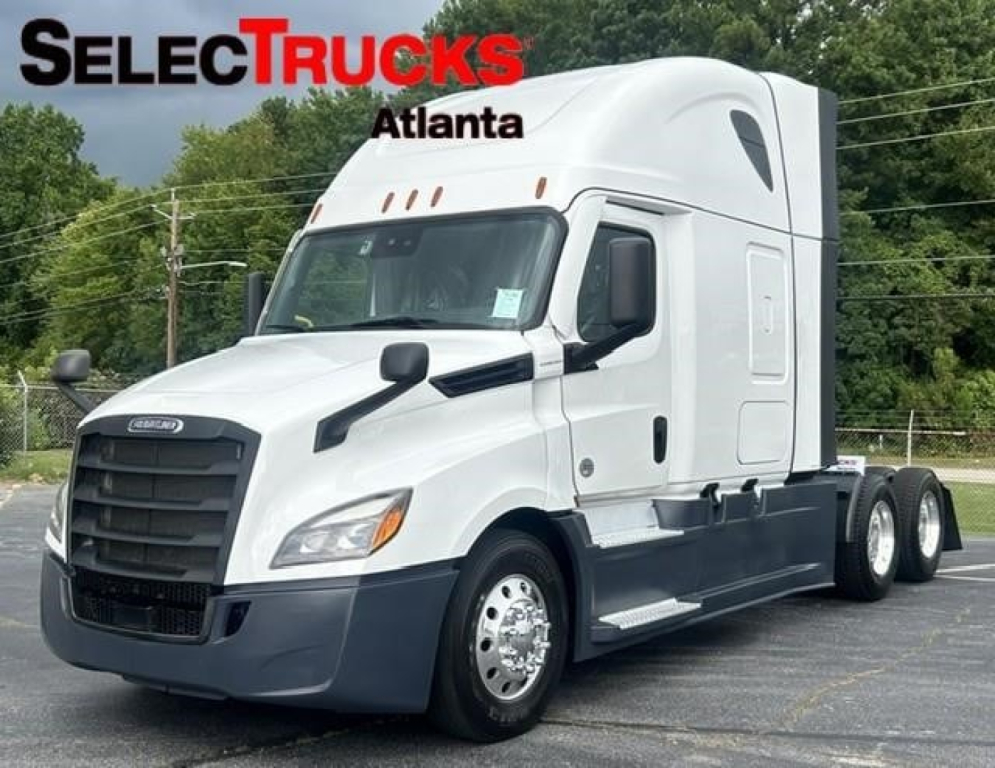
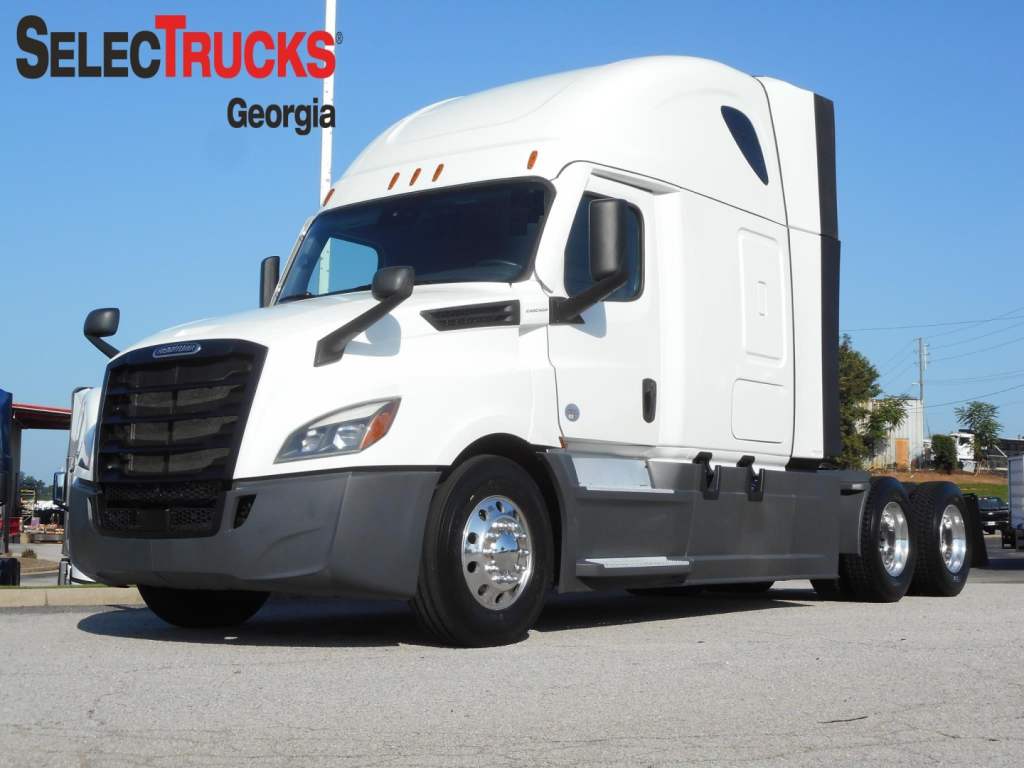
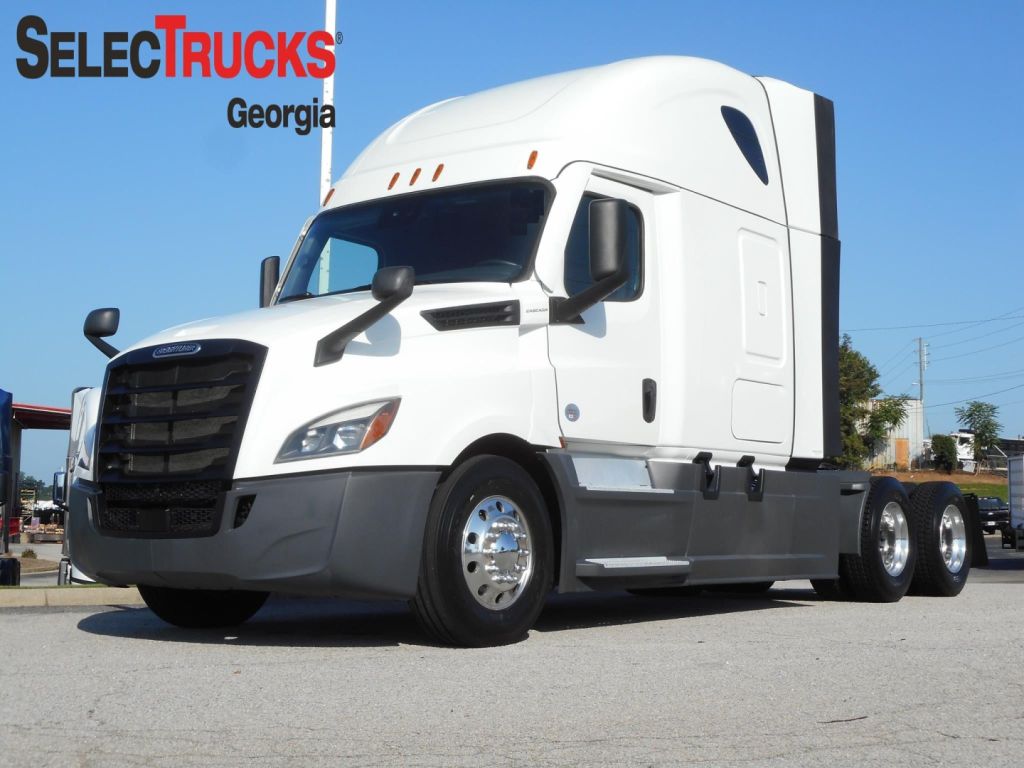
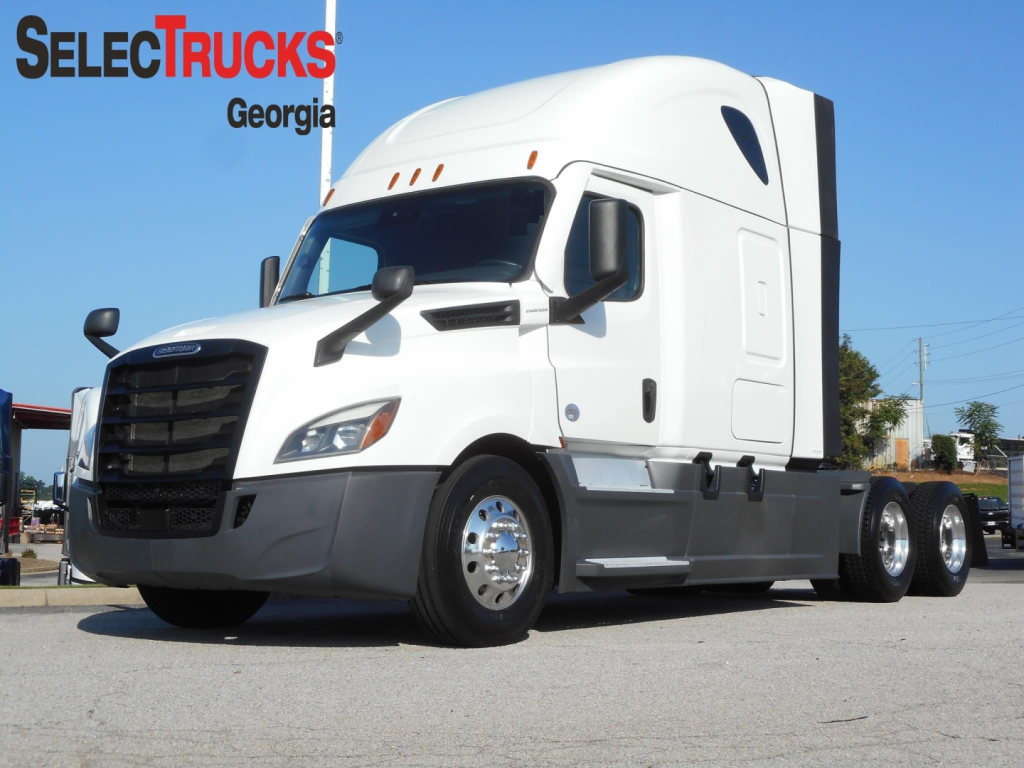
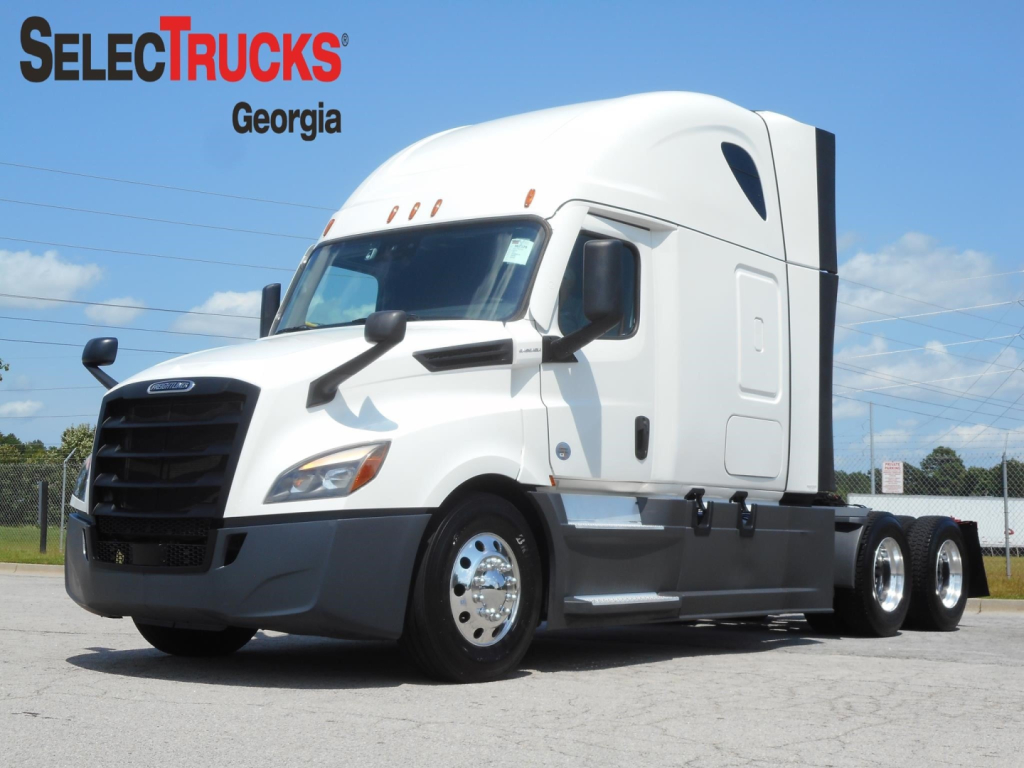
Showing 365 to 392 of 922 results
Selling a conventional sleeper truck? List your conventional sleeper truck for sale and reach thousands of commercial buyers.
Conventional Sleeper Trucks in Minnesota
The core buying decision usually starts with the powertrain. Late-model conventional sleepers commonly run 13-liter diesel engines in the 425 to 500 horsepower range, paired with automated manual transmissions or, less often, traditional manuals. Rear axle ratings around 40,000 pounds are standard on tandem axle tractors, while axle ratios like 2.64 or 3.08 help shape the truck's highway manners. A lower numerical ratio generally favors fuel economy at cruise speed, while a deeper ratio can help with startability and heavier work. Wheelbase, often in the low-to-mid 220 inch range on fleet spec sleepers, also affects ride quality, trailer gap, and maneuverability. Features such as engine brakes, air ride suspension, air slide fifth wheels, and disc brakes are worth close attention because they directly affect control, driver fatigue, and day-to-day operating cost.
Cab and sleeper configuration can make one conventional sleeper a much better fit than another. Look at bunk layout, upper bunk availability, HVAC performance, bunk heaters, storage design, and how easy the cab is to live in during reset periods. Aerodynamic packages such as side fairings, cab extenders, and chassis fairings matter on highway tractors because small drag reductions add up over long mileage cycles. Dual aluminum fuel tanks are common for extending range between fills, and low-profile 22.5 tires are frequently used to balance ride, gearing, and fuel economy. Buyers comparing models such as a Kenworth T680, Volvo VNL 760, Peterbilt 579, Freightliner Cascadia, or International LT should also weigh dealer support, engine platform familiarity, and the cost of emissions system service in their operating area.
For Minnesota fleets and owner-operators, corrosion exposure, heater performance, tire condition, and suspension wear deserve extra scrutiny. A sleeper tractor that spends time in upper Midwest winters needs a sound aftertreatment system, good batteries, tight fairings, and a cab that seals well against wind and cold. Check service records for DPF cleaning intervals, clutch or transmission work, brake wear, and any repairs to steering, suspension, or SCR components. The best conventional sleeper truck is not just the newest one. It is the one with the right sleeper size, axle ratio, transmission type, and maintenance history for the lanes you run and the trailer weights you pull.
Frequently Asked Questions about Conventional Sleeper Trucks in Minnesota
What is a conventional sleeper truck used for?
A conventional sleeper truck is used for long-haul and regional freight where the driver needs an onboard sleeping compartment. It is the standard highway tractor configuration for van, reefer, flatbed, and many specialized trailer applications. Compared with a day cab, a sleeper tractor adds rest space, storage, and better suitability for multi-day trips.
What sleeper size is most common on a conventional sleeper tractor?
High-roof sleepers in the 70 to 76 inch range are among the most common on modern conventional sleeper trucks. That size gives enough room for a full bunk setup, storage cabinets, and more comfortable living space for over-the-road work. Mid-roof and smaller sleepers are also available, but larger sleepers are generally preferred for teams and drivers staying out for extended periods.
How do axle ratios like 2.64 and 3.08 affect a sleeper truck?
Axle ratio has a direct effect on cruise RPM, fuel economy, and launch performance. A 2.64 ratio is typically aimed at fuel-efficient highway operation with downsped drivetrains, while a 3.08 ratio usually provides a little more mechanical advantage for startability and varied load conditions. The right choice depends on gross combination weight, terrain, transmission gearing, and average road speed.
Is an automatic or manual transmission better in a conventional sleeper?
Automated manual transmissions are now common in conventional sleeper trucks because they improve driver consistency, reduce fatigue, and help protect the driveline. Manual transmissions still appeal to some operators who want direct control or have specific vocational preferences. For most highway applications, the better choice comes down to driver pool, maintenance practices, and the type of routes the truck will run.
What should buyers inspect first on a used conventional sleeper truck in Minnesota?
Start with the engine and aftertreatment history, then move to the sleeper HVAC system, batteries, tires, brakes, and suspension. In Minnesota, winter operation makes cold-start performance, bunk heater operation, corrosion on frame and components, and fairing condition especially important. Service records for DPF cleaning, SCR repairs, wheel-end work, and transmission maintenance can tell you more than appearance alone.