
2026 Mack Conventional Sleeper Trucks For Sale
Shop 2026 Mack conventional sleeper trucks with MP13 power, M-Drive automation, raised-roof sleepers, and spec choices for long-haul freight.
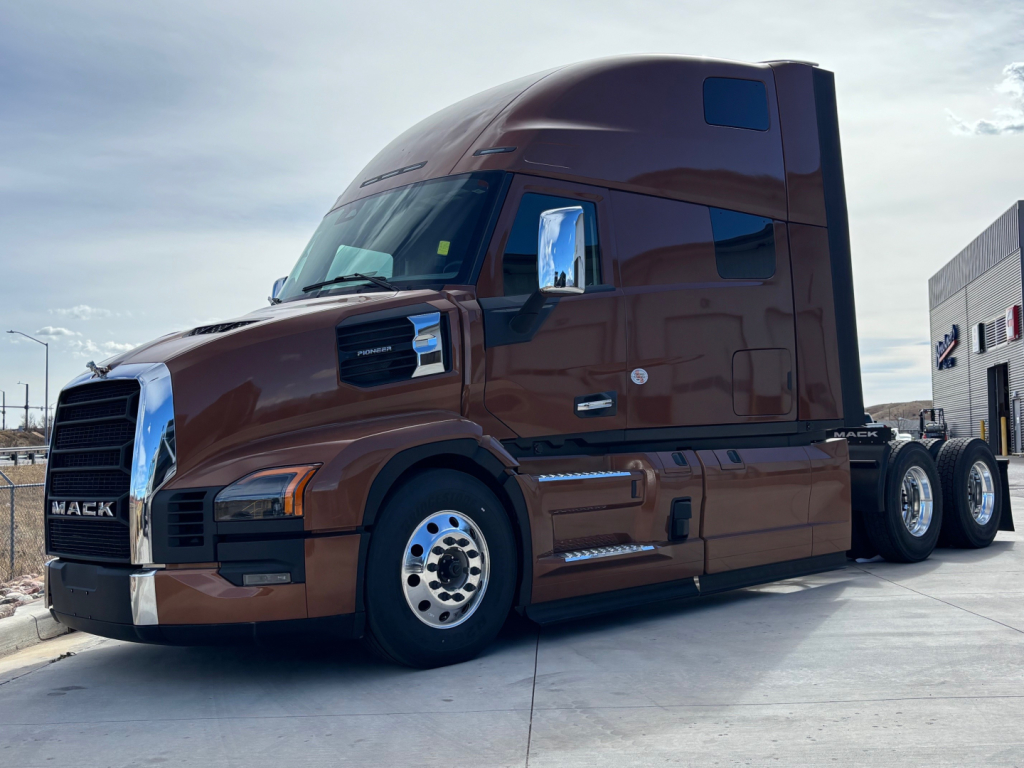
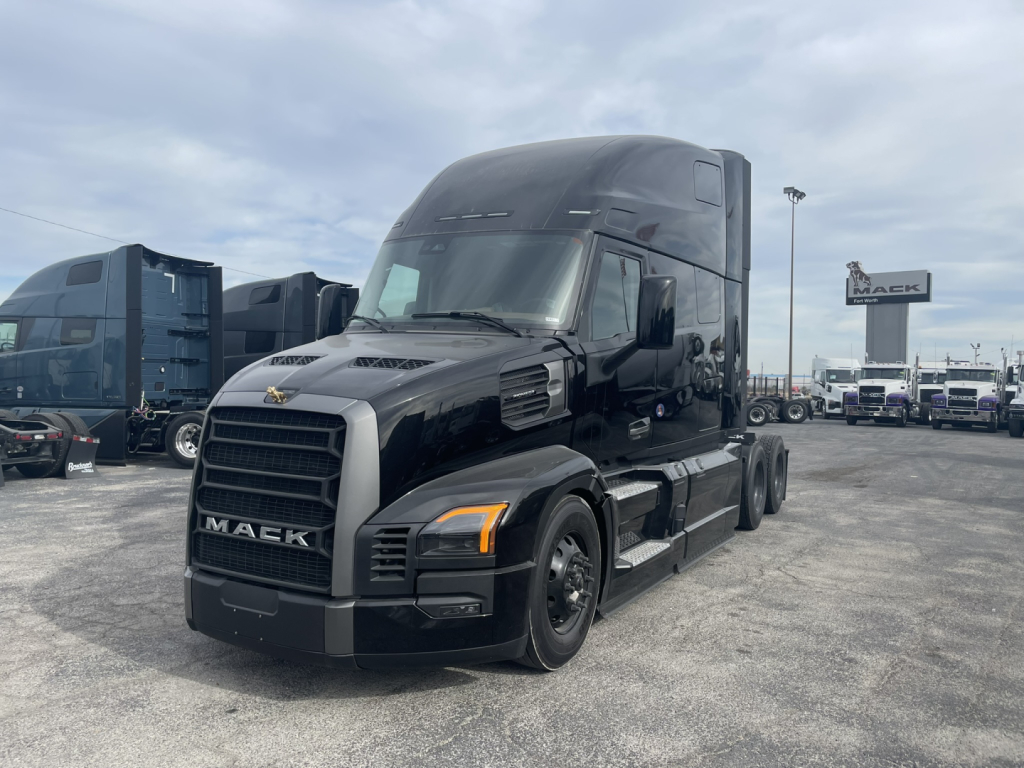
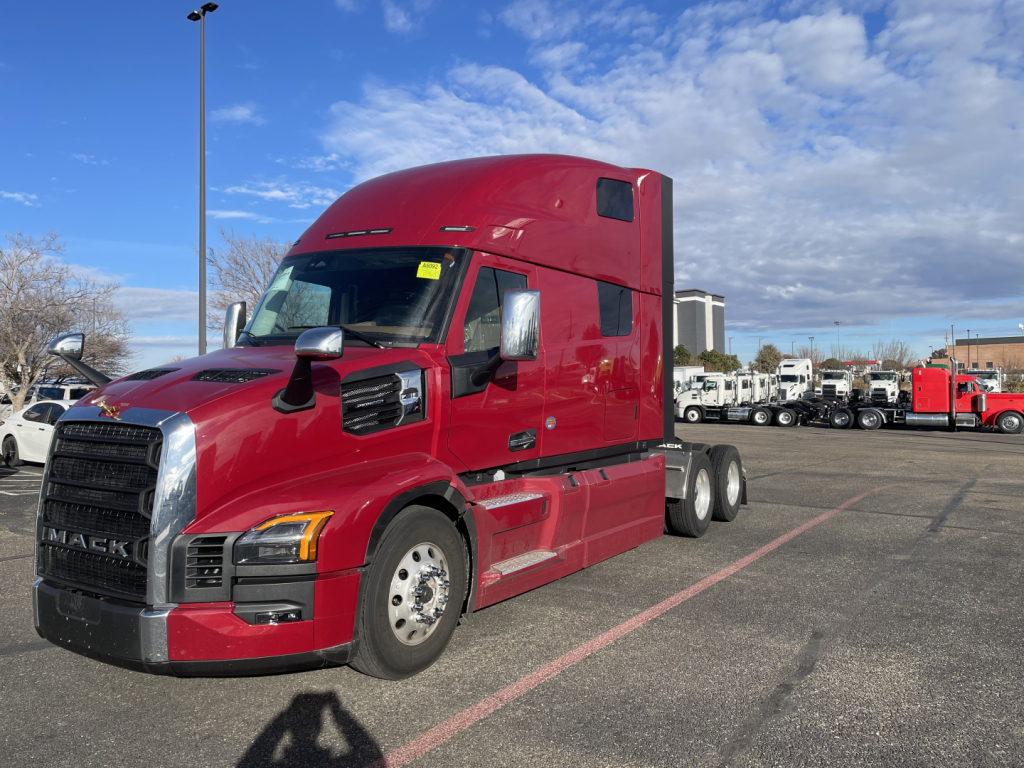
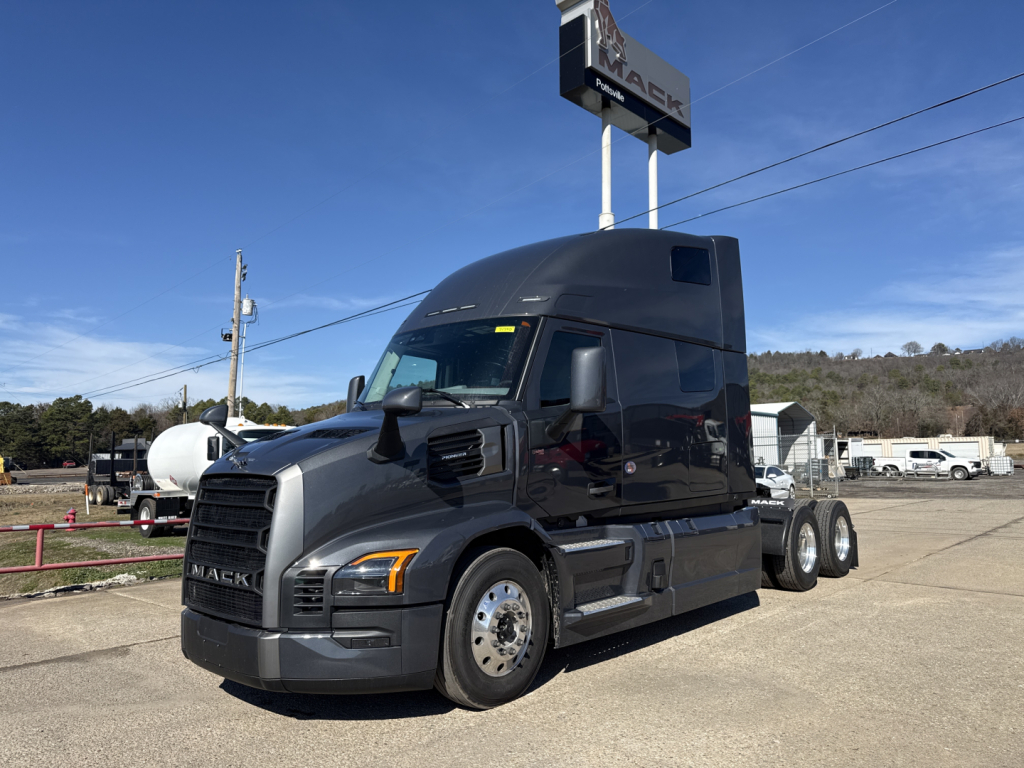
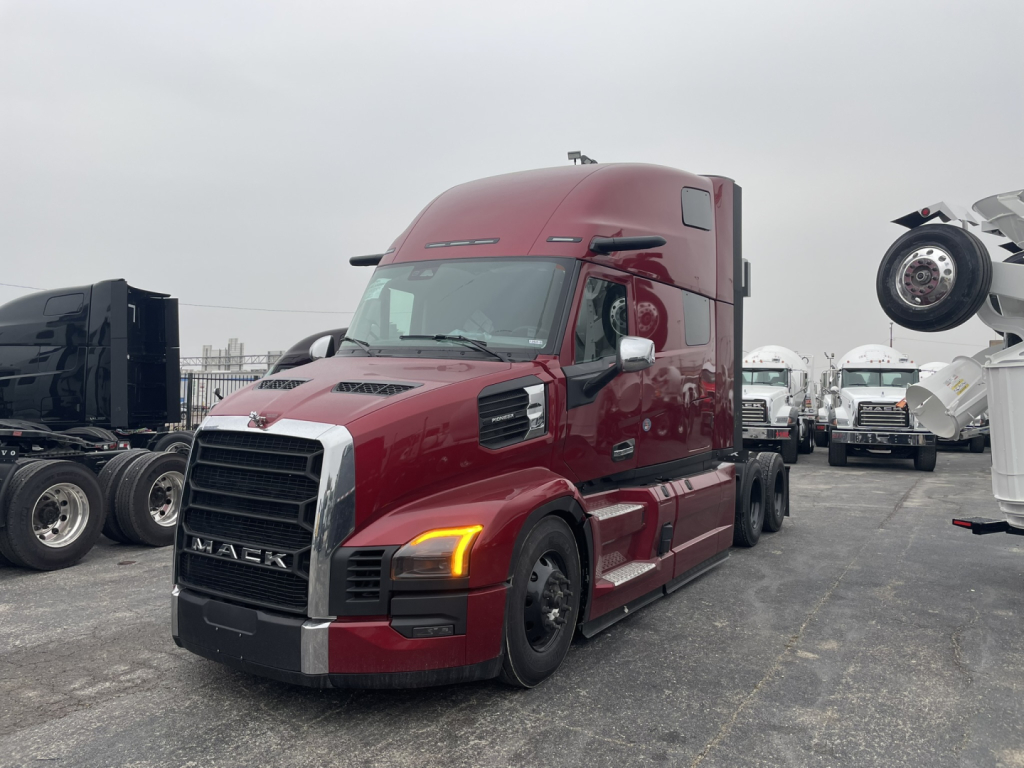
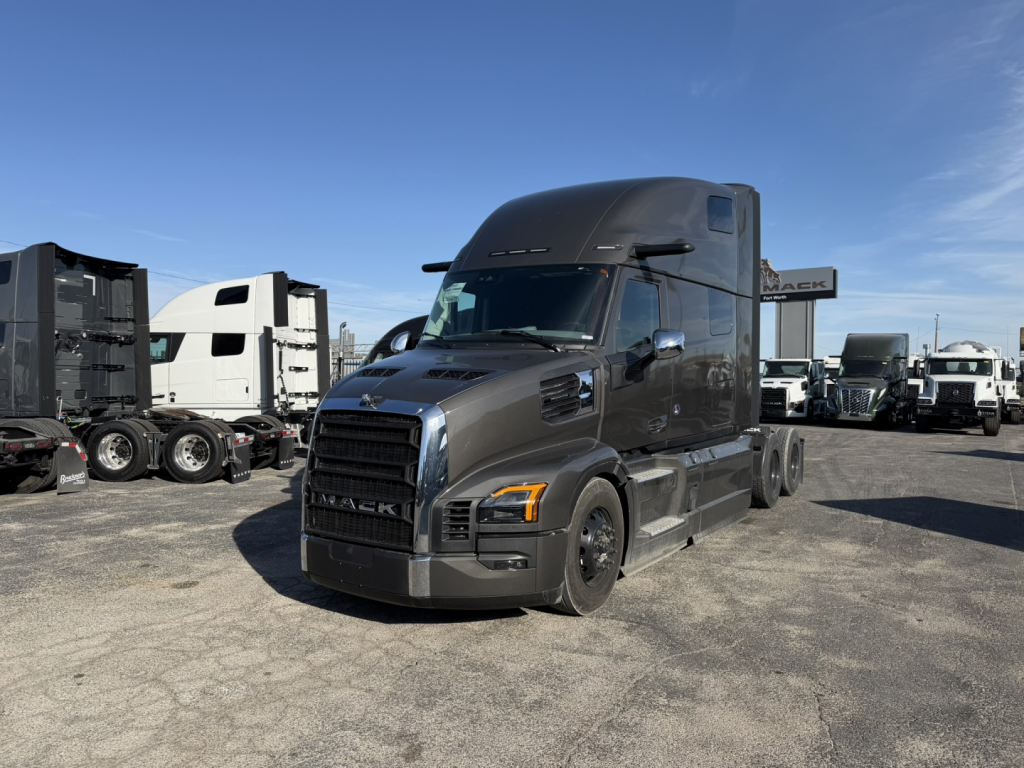
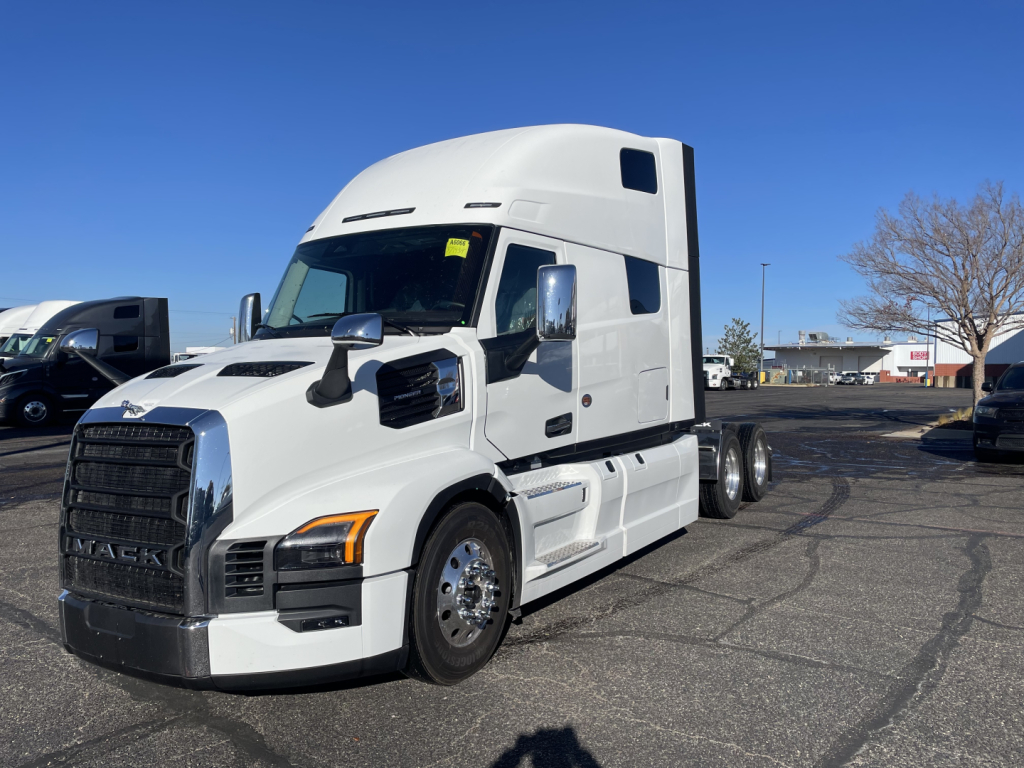
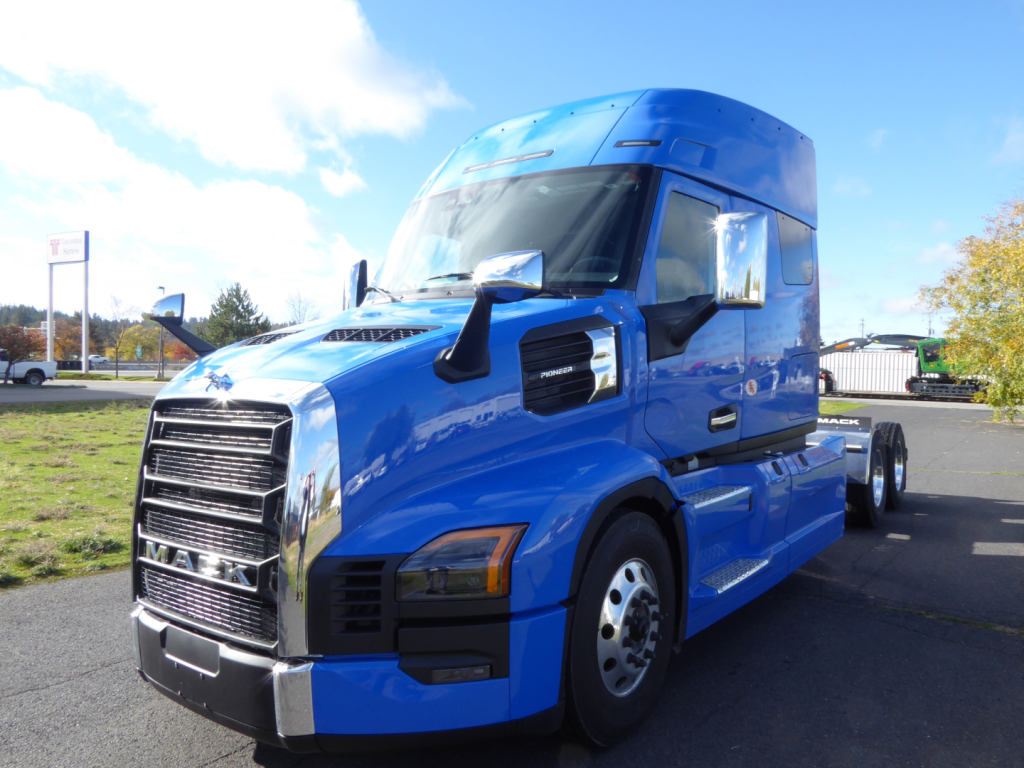
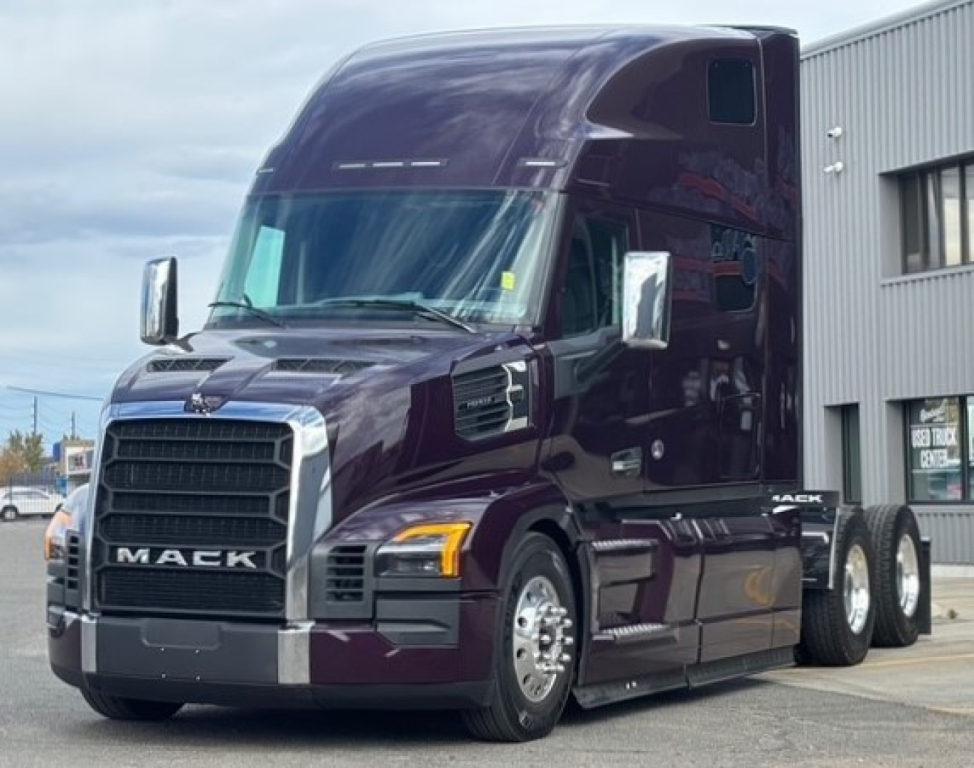
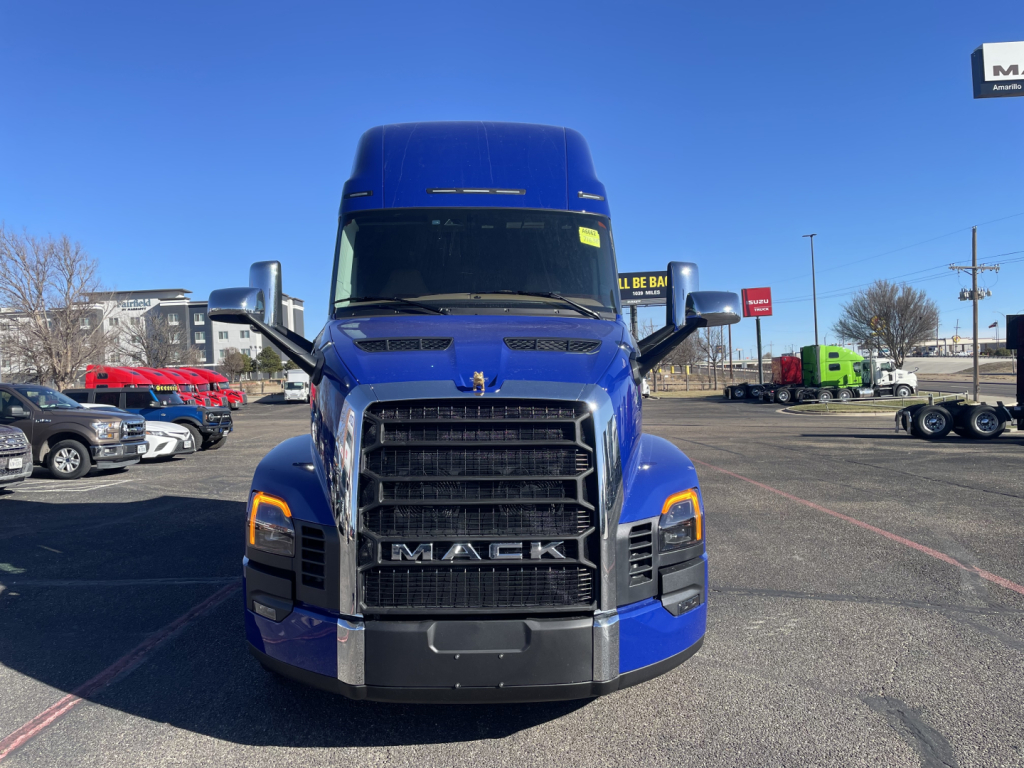
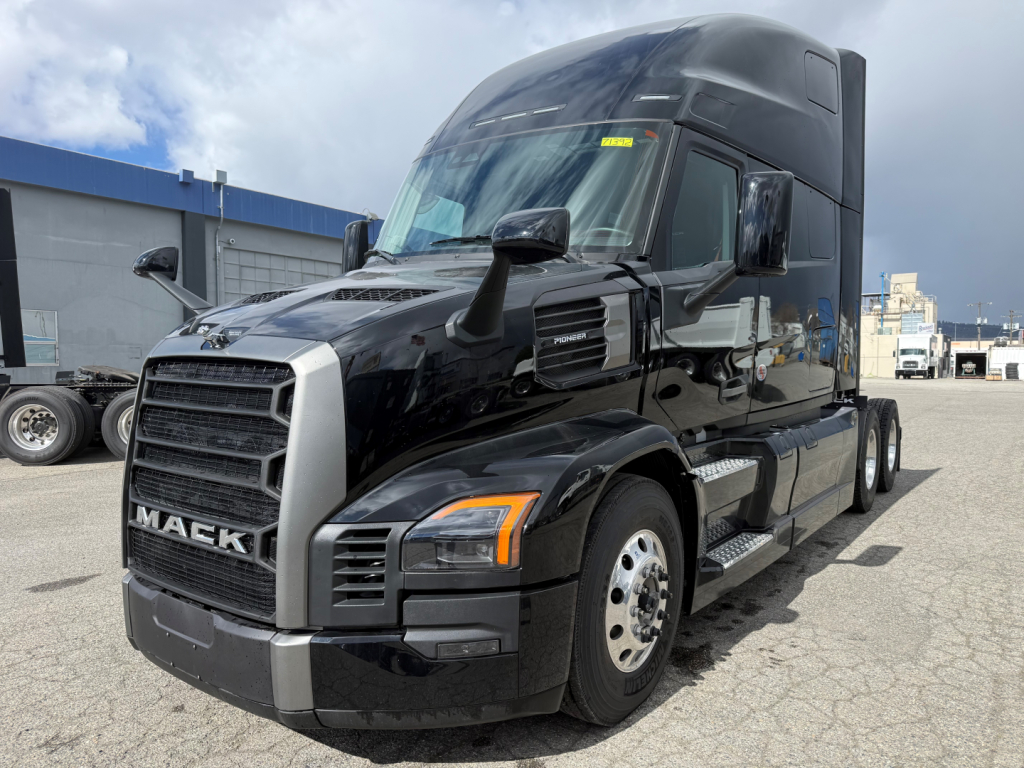
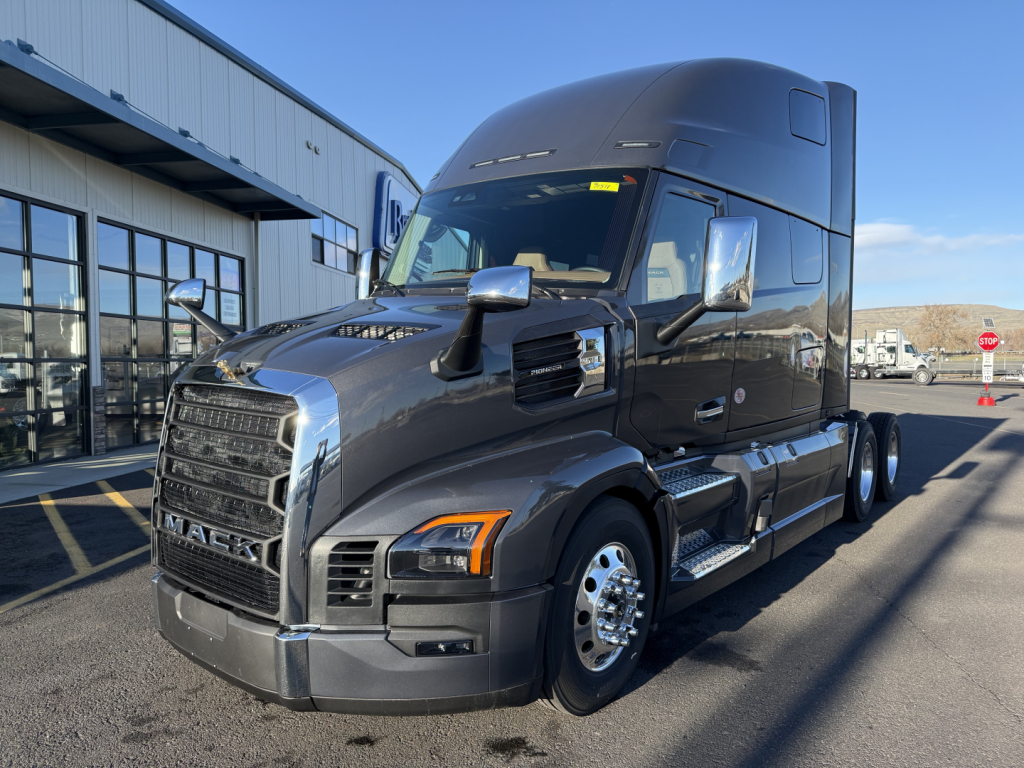
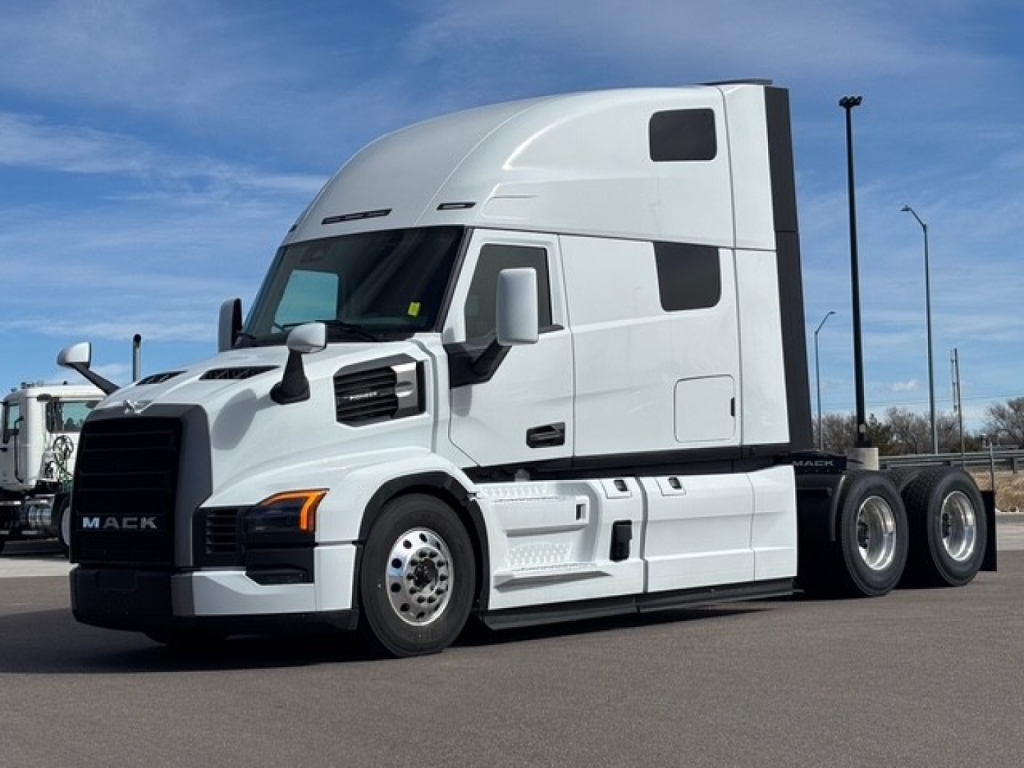
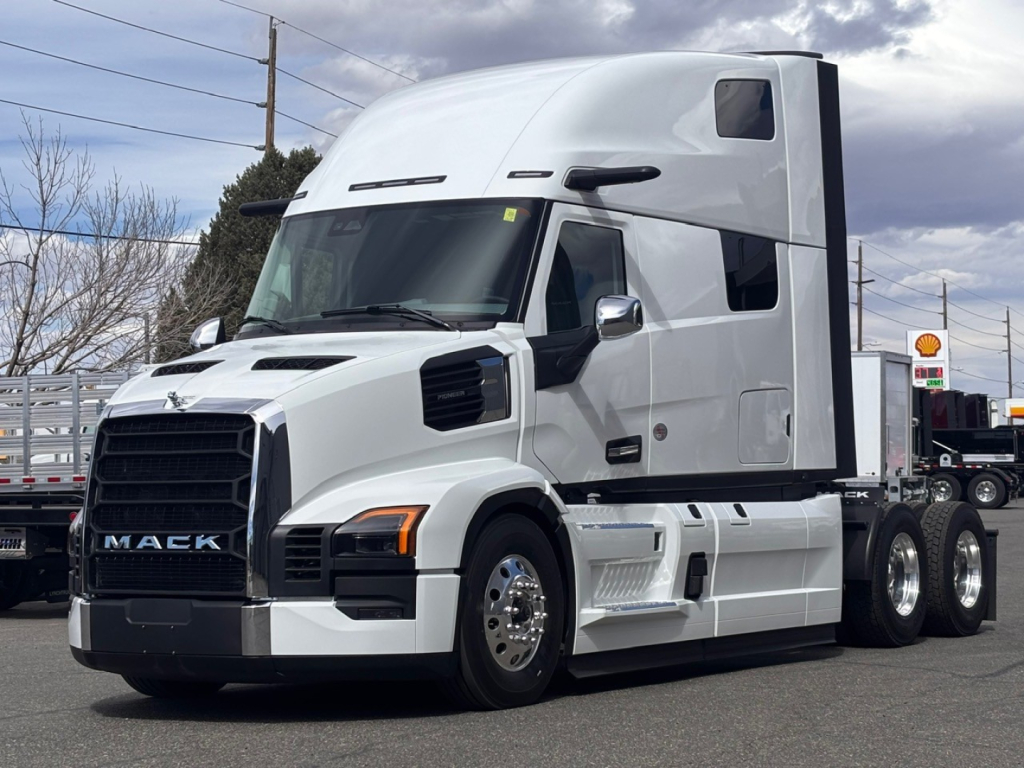
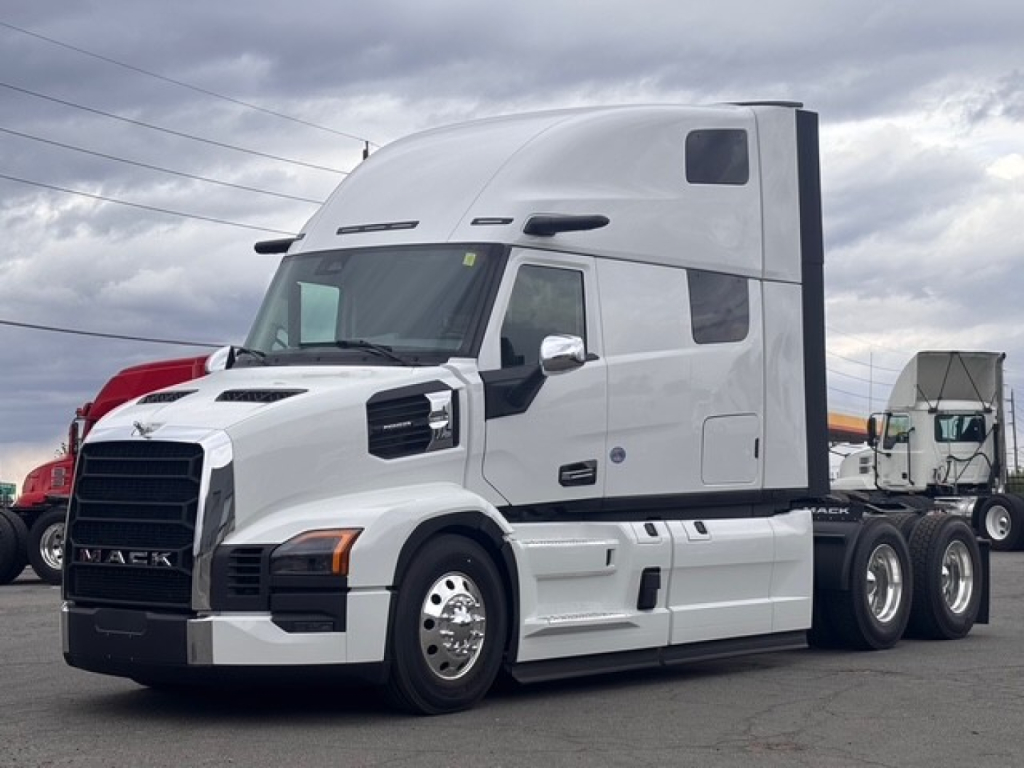
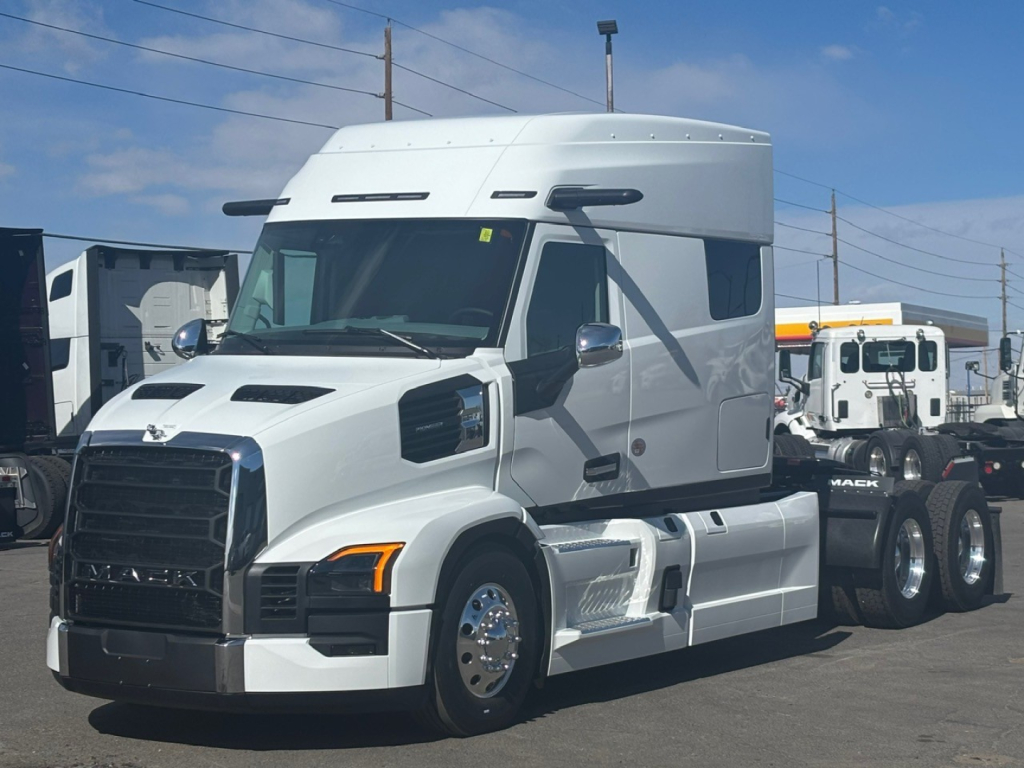
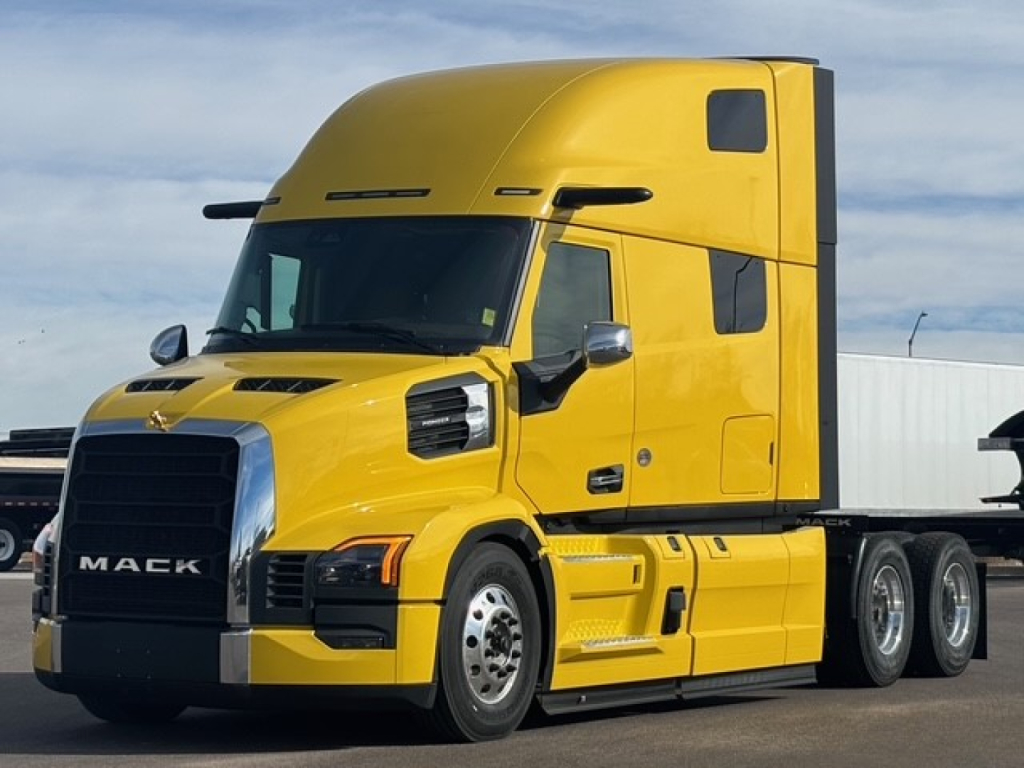
2026 Mack PR64T64
2,567 mi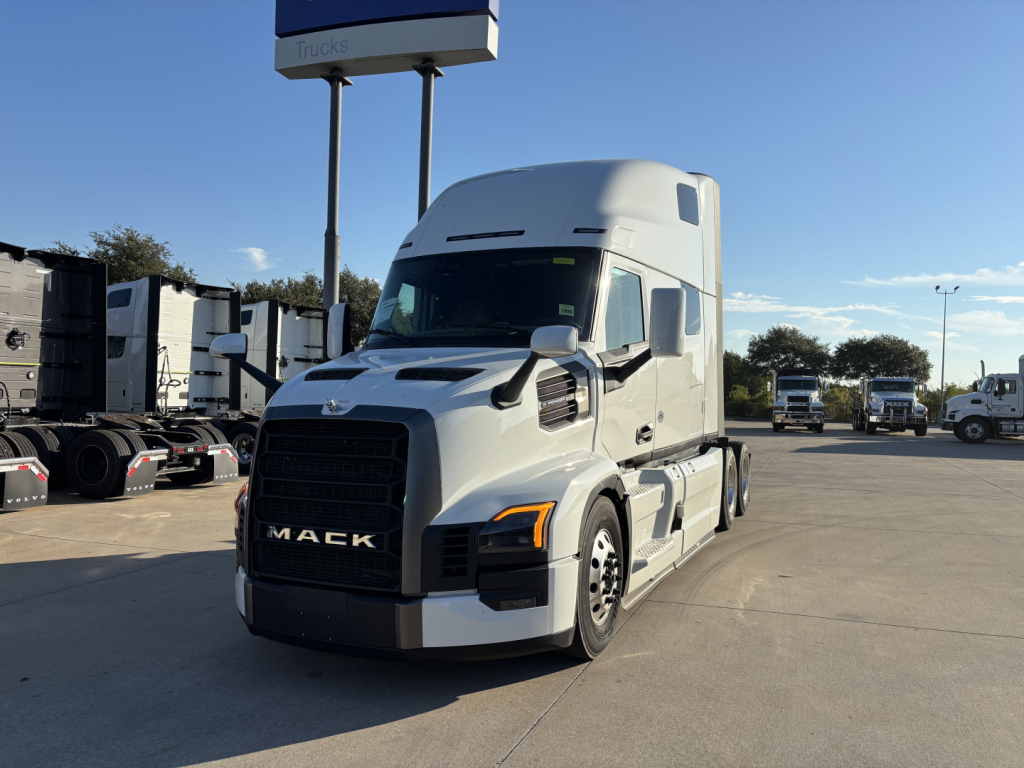
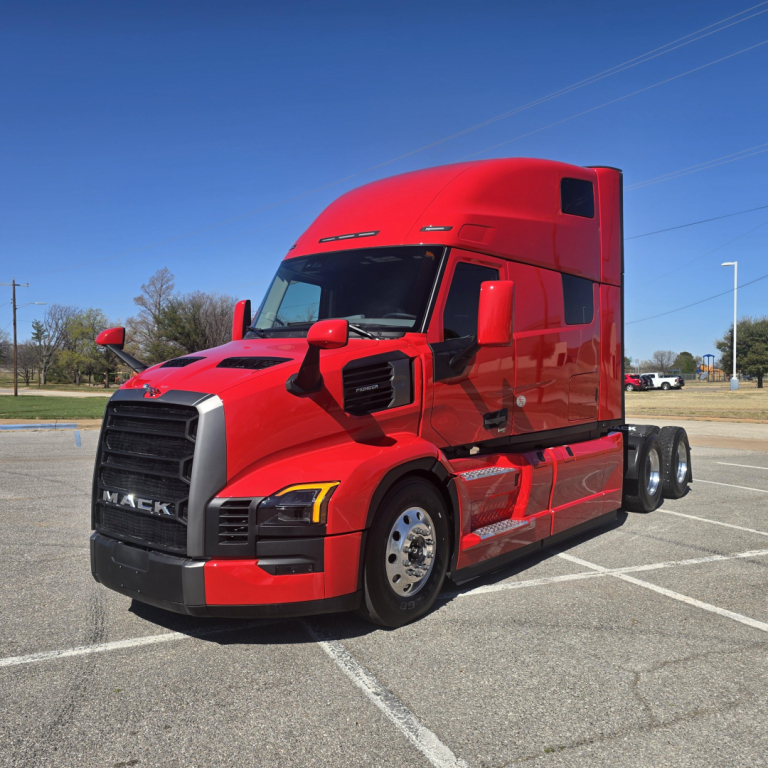
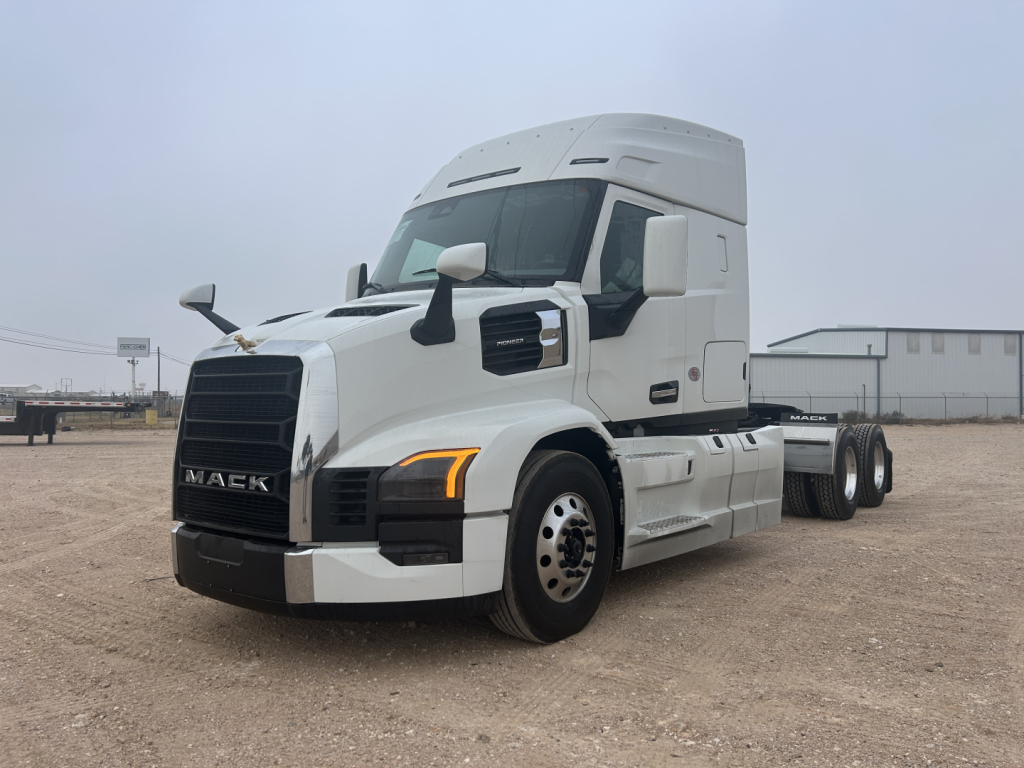
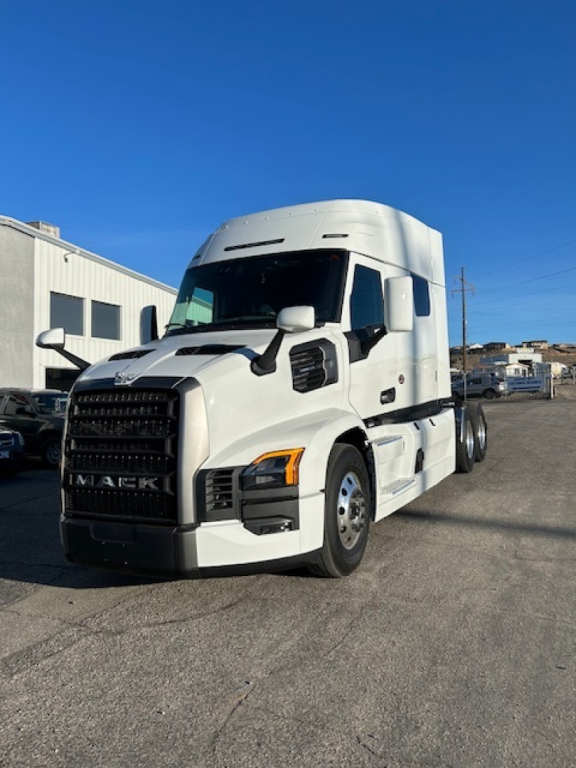


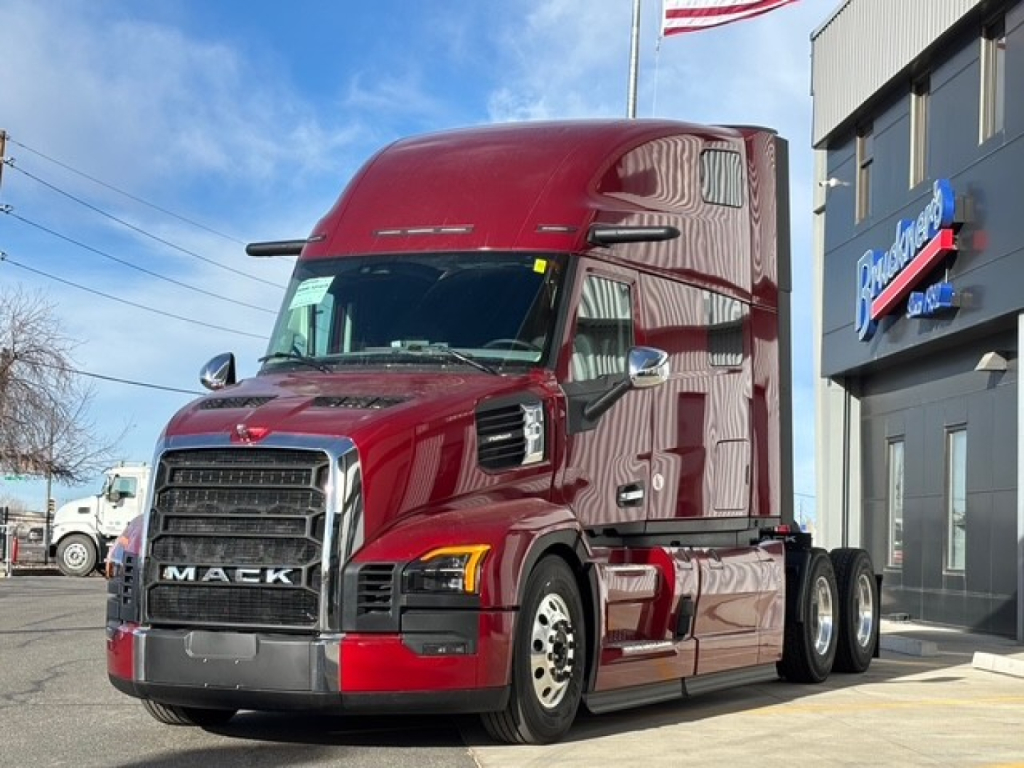
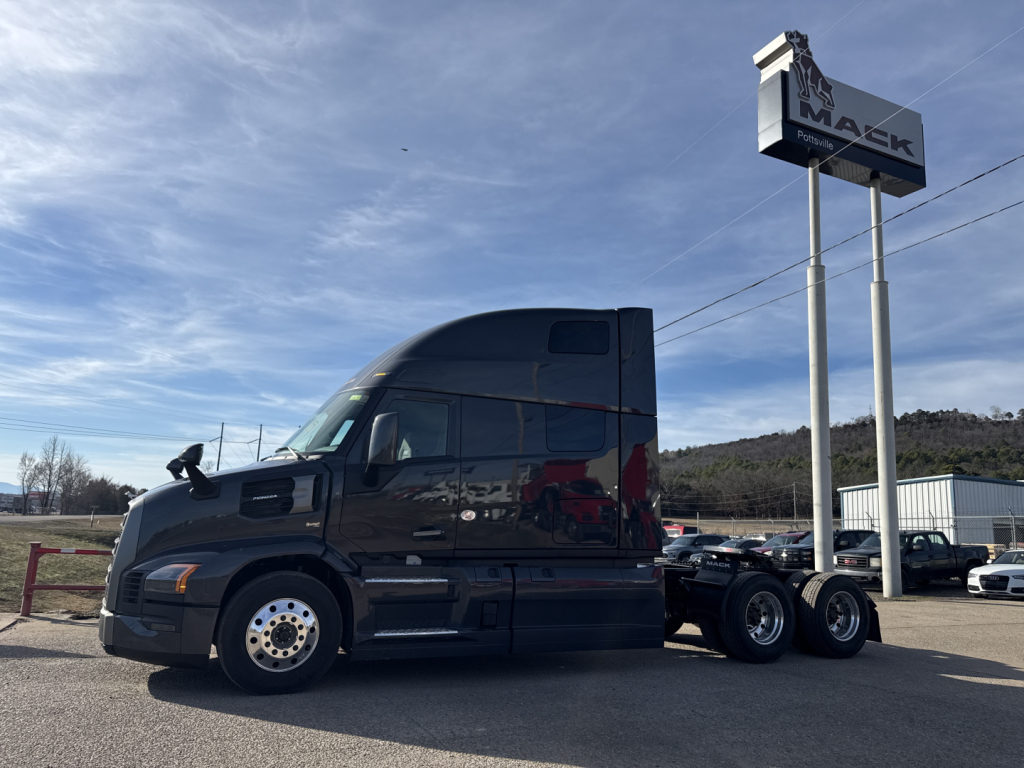
Showing 1 to 28 of 34 results
Have 2026 mack conventional sleeper truck to sell? List it here to reach thousands of buyers.
2026 Mack Conventional Sleeper Trucks
One of the first decisions is engine and driveline spec. Sample units in this group show Mack MP13 ratings around 445 to 515 horsepower, usually paired with the Mack M-Drive 12-speed automated transmission. That combination is popular for buyers who want a balance of pulling power, cruise efficiency, and easier driver onboarding versus a manual transmission. Rear axle ratios in the mid-2s to low-3s can significantly change how the truck performs. A 2.47 or 2.64 ratio generally favors downsped highway cruising, while a 3.08 ratio can be a better fit for mixed terrain, heavier payloads, or operations that need stronger launch feel. Suspension specs such as Mack MaxLite Air are also worth close attention because they affect ride quality, load stability, and overall highway manners.
Sleeper size and cab amenities are a major part of the value in a Mack conventional sleeper. Many 2026 models are equipped with 76-inch high-roof sleepers, which are better suited for extended stays on the road, team operations, or fleets trying to improve driver retention. Common comfort features include bunk heaters, sleeper HVAC control, inverters, double bunk layouts, and workstation-style interiors. Fuel capacity can vary widely by spec, with dual tanks often configured for long operating range between fills. If the truck will run national lanes, buyers should also verify EPA and CARB compliance, especially for fleets that operate in California or across multi-state emissions jurisdictions.
For a buyer comparing listings, the most important details are not just the badge and horsepower number, but how the full spec lines up with the freight. A 445 HP truck with the right rear ratio, wheelbase, and fuel setup may outperform a higher-horsepower unit in cost per mile. Look closely at sleeper height, tank layout, axle ratings, brake spec, suspension, and any factory coverage or protection plans. Mack conventional sleeper trucks are often chosen by fleets and owner-operators that want a highway tractor with strong brand durability, integrated powertrain controls, and a driver-friendly cab that can hold up under real linehaul use.
Frequently Asked Questions about 2026 Mack Conventional Sleeper Trucks
What engine and transmission are common in 2026 Mack conventional sleeper trucks?
A common setup in this category is the Mack MP13 diesel engine paired with the Mack M-Drive 12-speed automated transmission. Horsepower ratings often fall between 445 and 515 HP, which covers a broad range of highway applications. This combination is popular because it delivers strong linehaul performance, automated shifting consistency, and driveline integration that can help with fuel economy and driver ease of operation.
Is a 76-inch high-roof sleeper the right choice for my operation?
A 76-inch high-roof sleeper is usually the better fit for long-haul operations, teams, or any application where drivers spend multiple nights in the truck. It provides more living space, more storage, and typically supports comfort features such as double bunks, bunk heaters, and inverter-ready layouts. For shorter regional routes, a smaller sleeper may reduce weight and cost, but many buyers still prefer the 76-inch cab for driver retention and flexibility.
How do rear axle ratios affect a Mack sleeper truck’s performance?
Rear axle ratio has a major effect on cruise RPM, launch feel, gradeability, and fuel economy. Ratios such as 2.47 or 2.64 are commonly used in downsped highway specs where fuel efficiency is a priority at interstate speeds. A ratio like 3.08 generally provides stronger pulling characteristics for mixed service, heavier loads, or more frequent terrain changes. The best choice depends on gross weight, average speed, tire size, and the lanes the truck will run.
What specs should I compare first when shopping Mack conventional sleepers?
Start with the powertrain, sleeper size, axle ratings, wheelbase, rear ratio, and fuel capacity. Those items determine how well the truck matches the intended freight and operating radius. After that, look at suspension type, brake spec, emissions compliance, and driver amenities such as bunk HVAC and interior layout. A truck that is properly spec'd for the job will usually deliver better uptime and lower operating cost than one chosen only by horsepower or appearance.
Are 2026 Mack conventional sleeper trucks suitable for both fleet and owner-operator use?
Yes. This category fits both fleet buyers and owner-operators because Mack sleeper tractors can be spec'd for standardized fleet service or for higher-comfort long-haul use. Fleets often value the automated transmission, integrated powertrain controls, and consistent spec packages for maintenance planning. Owner-operators often focus more on sleeper amenities, fuel range, ride quality, and horsepower selection, but the same platform can support either approach depending on how the truck is configured.